Quick Answer
Webbing is a versatile, no-fuss material that works beautifully for bag straps, home decor accents, pet collars, and more. Start with a simple strap, then experiment with decorative trims and functional ties.
Why Webbing Works for More Than Bags
Sallie Tomato Premium Webbing is a durable woven material with finished edges, so you can skip turning, pressing, or interfacing. That makes it a time-saver for any project that needs a strong, polished strap or trim. The finished edges also mean no fraying, which is a common headache when working with cut fabric strips.
Because webbing comes in a range of colors and patterns—like neon, railroad track, and striped leopard—you can use it as a design element rather than just a utility piece. The tradeoff is that webbing is thicker than most fabric straps, so it may not be ideal for very delicate or lightweight garments where you want a soft drape.
How to Use Webbing in 5 Creative Ways
- 1. Classic Bag Straps and Handles: Cut a length of webbing to your desired strap length (add seam allowance if you plan to fold ends inside the bag). Sew across the webbing ends twice with a heavy-duty needle to secure. Attach to your bag using a box stitch or bar tack for strength. Common mistake: Using a regular sewing needle that can't pierce thick webbing. Switch to a size 90/14 or 100/16 jeans needle.
- 2. Decorative Home Accents: Use webbing as a trim on throw pillows, curtains, or lampshades. Simply topstitch it along the edge or create a geometric pattern. The finished edges mean no raw ends to hide. Checkpoint: Pre-wash the webbing if your home decor item will be laundered, as some colors may shrink slightly.
- 3. Pet Collars and Leashes: Measure your pet's neck circumference and add 4-5 inches for overlap and buckle attachment. Fold one end over a D-ring and stitch securely, then attach a buckle to the other end. Use a sturdy thread and reinforce all stress points. Common mistake: Not reinforcing the buckle attachment with multiple rows of stitching. Use a box stitch for durability.
- 4. Keychains and Lanyards: Cut a 6-8 inch piece of webbing. Fold one end around a key ring or swivel clip and stitch closed. For a lanyard, use a longer piece (18-24 inches) and add a breakaway clasp for safety. Checkpoint: Use a lighter to carefully melt the cut ends of synthetic webbing before stitching to prevent fraying.
- 5. Plant Hangers and Hanging Organizers: Sew multiple lengths of webbing together at the base to create a sling for a potted plant. For a wall organizer, stitch webbing strips onto a fabric backing to form pockets for small items like mail or remotes. Common mistake: Using webbing that is too narrow for the plant pot's weight. For heavy pots, use 1.5-inch wide webbing or double the straps.
Webbing Options for Your Projects
-
1-1/2" Railroad Track Neon Webbing: Sallie Tomato Premium Webbing makes it easy to achieve a polished look while saving time on your projects. Create strong, professional-quality straps in minutes - no turning, pressing, or interfacing required. The neon color adds a pop of brightness to bags, keychains, or pet accessories, and the ready-to-use edges mean you can finish a project in one sitting.
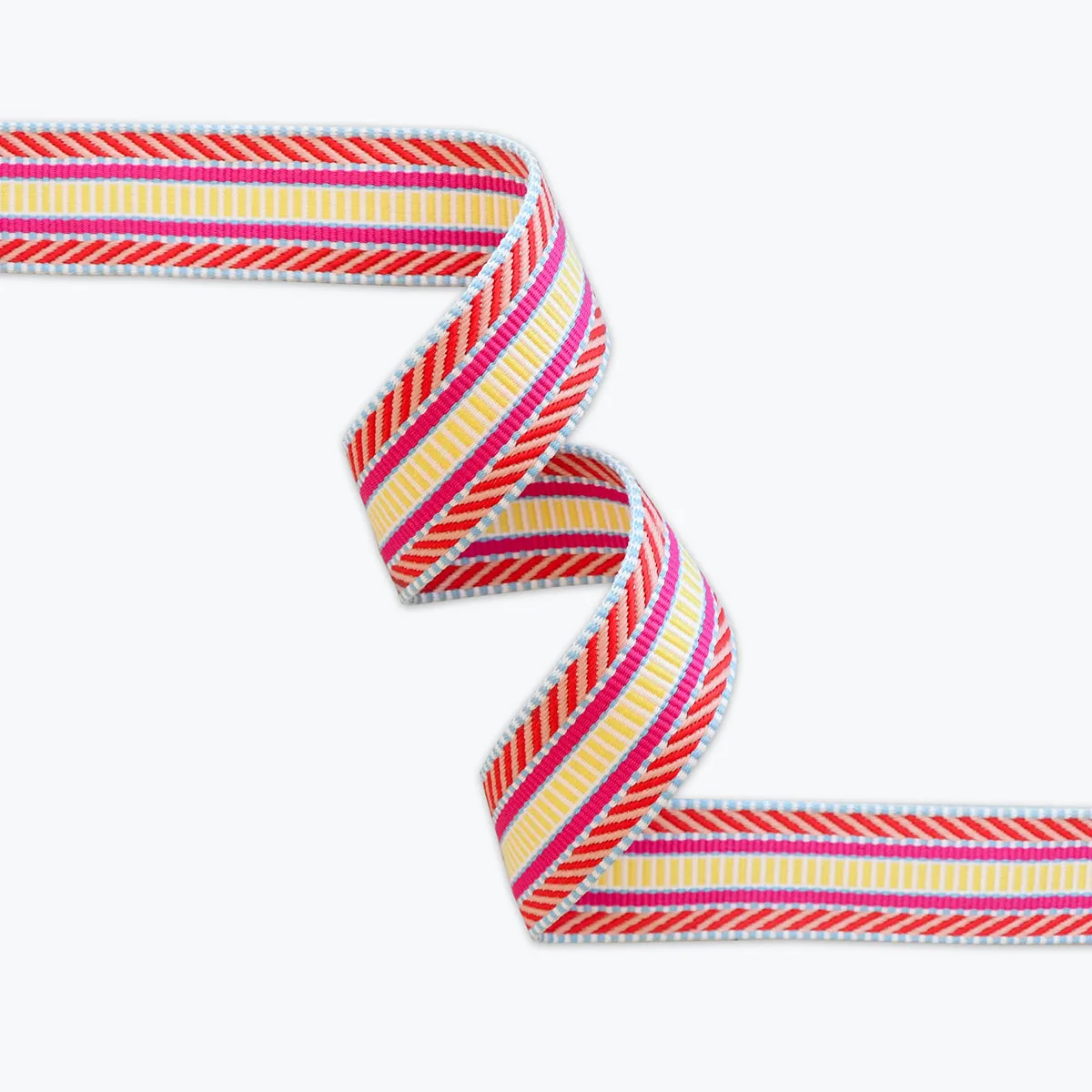
1-1/2" Railroad Track Neon Webbing
-
1-1/2" Railroad Track Fashion Week Webbing: Sallie Tomato Premium Webbing features finished edges for a clean, professional look, making it ideal for straps, handles, and other load-bearing applications. The railroad track pattern gives a classic, sporty look that works equally well on a tote bag or a hanging planter.
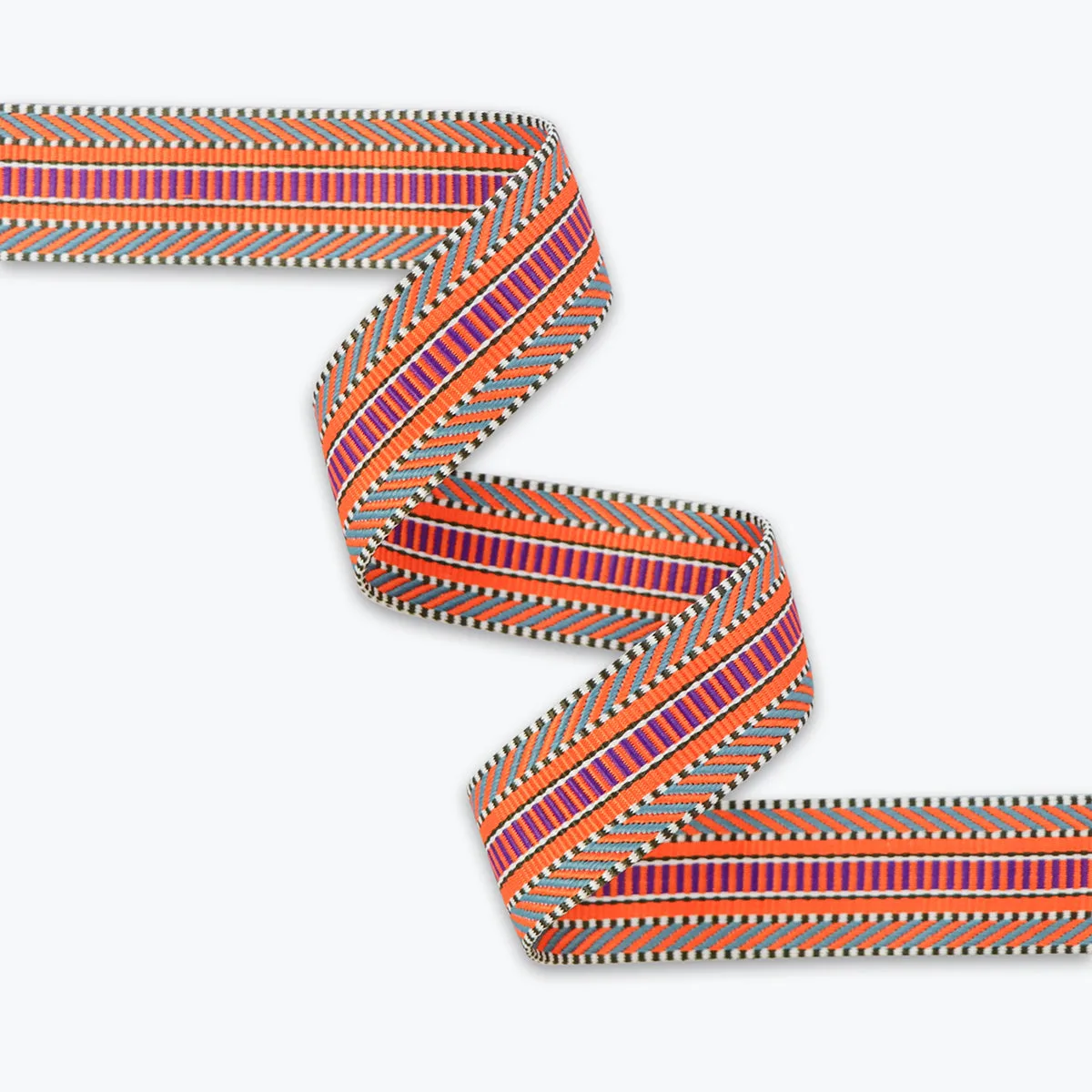
1-1/2" Railroad Track Fashion Week Webbing
-
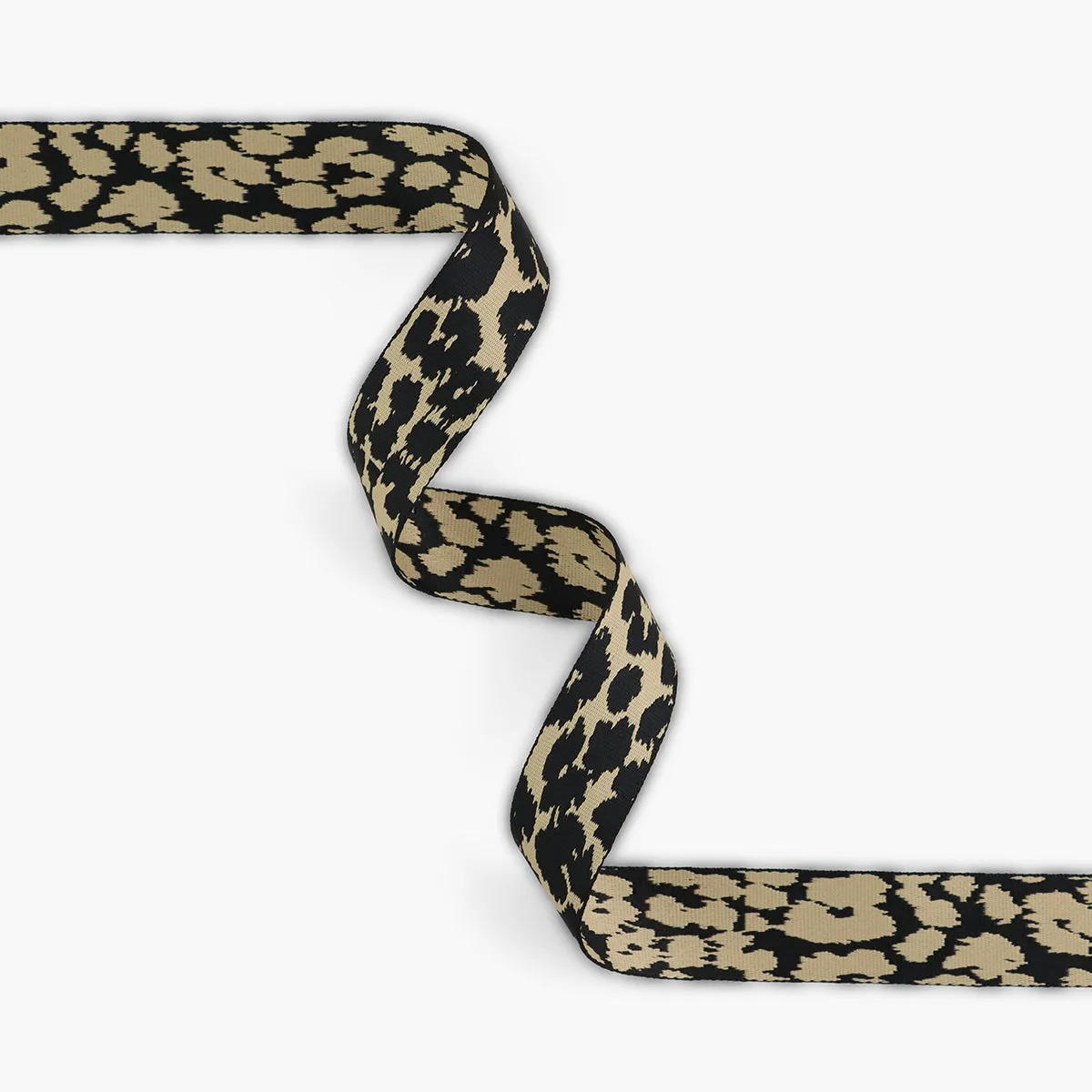
1-1/2" Striped Leopard Webbing: Webbing is a durable woven material designed for strength and structure. It features finished edges for a clean, professional look. The striped leopard print is a fun way to add personality to a simple pouch or a dog leash without extra sewing steps.