Creole Mustard vs Dijon: What's the Difference?
If you're deciding between Creole mustard and Dijon mustard for your next recipe, the choice comes down to flavor intensity and spice profile. Both are pantry staples, but they bring different personalities to the plate.
Dijon mustard is smooth, sharp, and tangy, made from brown or black mustard seeds and white wine. It's a classic emulsifier for vinaigrettes and a standard spread for sandwiches. Creole mustard, on the other hand, is a coarse, stone-ground mustard with a spicy but not hot kick. It's made with mustard seed, vinegar, turmeric, spices, molasses, and garlic, giving it a more rustic texture and a deeper, savory heat.
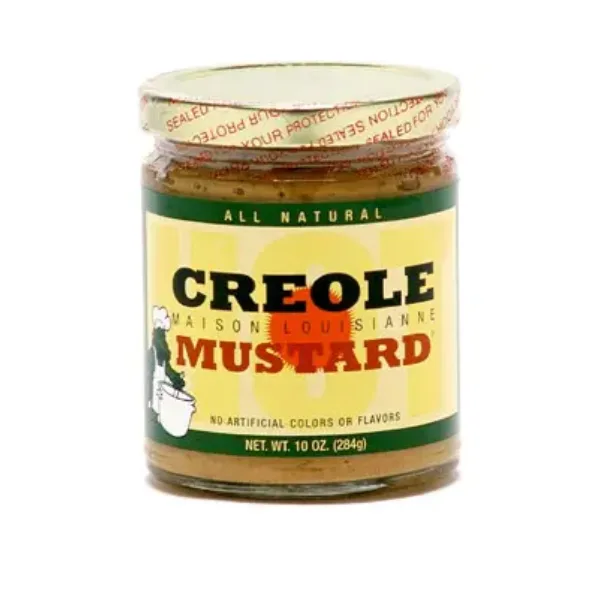
For a true taste of Creole mustard, Maison Louisianne Creole Mustard delivers that signature blend. It's described as deliciously addictive and oh, so good, with a spicy-but-not-hot character that works across sandwiches, vinaigrettes, and hot dogs.
Flavor and Texture: Side by Side
Understanding how these mustards differ in taste and texture helps you pick the right one for your dish.
- Creole Mustard: Coarse, stone-ground texture with visible mustard seeds. Spicy but not hot, with a complex blend of vinegar, turmeric, molasses, garlic, and peppers. Adds a rustic kick and subtle sweetness.
- Dijon Mustard: Smooth and creamy, with a sharp, tangy punch from white wine. Made from brown or black seeds, it has a clean, acidic heat that blends easily into sauces and dressings.
Best Uses for Each Mustard
Dijon mustard excels in emulsified dressings, marinades, and creamy sauces where its smooth texture and sharp acidity help bind ingredients. It's also the classic choice for a simple vinaigrette or a honey mustard dip.
Creole mustard shines in dishes that benefit from texture and a layered spice. Spread it on a po' boy, hot dog, or burger. Stir it into potato salad, coleslaw, or remoulade. Its coarse grind and molasses-garlic notes stand up to bold flavors like grilled sausage, roasted vegetables, and sharp cheese.
Maison Louisianne Creole Mustard is specifically recommended for all your sandwiches, vinaigrettes and hot dogs, making it a versatile option for everyday cooking.
Product Facts: Maison Louisianne Creole Mustard
-
Maison Louisianne Creole Mustard: 10 oz jar. Ingredients: distilled vinegar, mustard seed, salt, turmeric, spices, molasses, dehydrated garlic, red and black pepper, onion powder, and herbs. Knowing the ingredient list helps you understand its spicy-but-not-hot flavor and coarse texture, which sets it apart from smoother Dijon mustards.
Maison Louisianne Creole Mustard
-
Maison Louisianne Creole Mustard: Spicy - but not hot - this is a mustard for all your sandwiches, vinaigrettes and hot dogs. This guidance confirms its versatility in both cold and hot applications, making it a direct competitor to Dijon for everyday use.
Which One Should You Choose?
Your choice depends on the dish and the texture you want. If you need a smooth, sharp mustard that disappears into a sauce or dressing, Dijon is the reliable workhorse. If you want a mustard that adds visible texture, a gentle heat, and a savory depth with hints of molasses and garlic, Creole mustard brings something Dijon cannot.
For most everyday cooking — sandwiches, vinaigrettes, hot dogs — Creole mustard is a worthy substitute and can even add a more interesting flavor profile. Maison Louisianne Creole Mustard is a great entry point if you're new to the style. Its 10 oz jar is practical for regular use, and the ingredient list confirms it's free from artificial additives.
Neither mustard is inherently better; they serve different roles. Keep both in your fridge and use them according to the dish you're making.