What Is a Shacket?
FOX calls the Cruise Shacket a shirt-style jacket. It blends the comfort of a button-up shirt with the weather resistance of a light jacket. The DWR-treated stretch nylon fabric and brushed interior offer some protection from light moisture and wind, but it is not a heavy insulated coat. Think of it as a versatile mid-layer or standalone piece for cool, not cold, conditions.
Cruise Shacket vs Traditional Jacket: Key Differences
- Insulation and warmth: The Cruise Shacket has a brushed interior for comfort but no added insulation. A traditional insulated jacket provides more warmth for cold weather. Use the shacket for moderate temps (around 50–65°F).
- Weather protection: Both can be DWR-treated, but the shacket’s thin nylon fabric offers less wind and water resistance than a dedicated rain shell or insulated jacket.
- Mobility and fit: The shacket’s 90% nylon / 10% spandex blend stretches with you, making it ideal for riding. Traditional jackets may restrict movement unless they have stretch panels.
- Style and layering: The shacket looks like a casual shirt, so it works off the bike too. It layers easily over a base layer or under a heavier jacket. A traditional jacket is usually more purpose-built for one weather range.
Cruise Shacket at a Glance
-
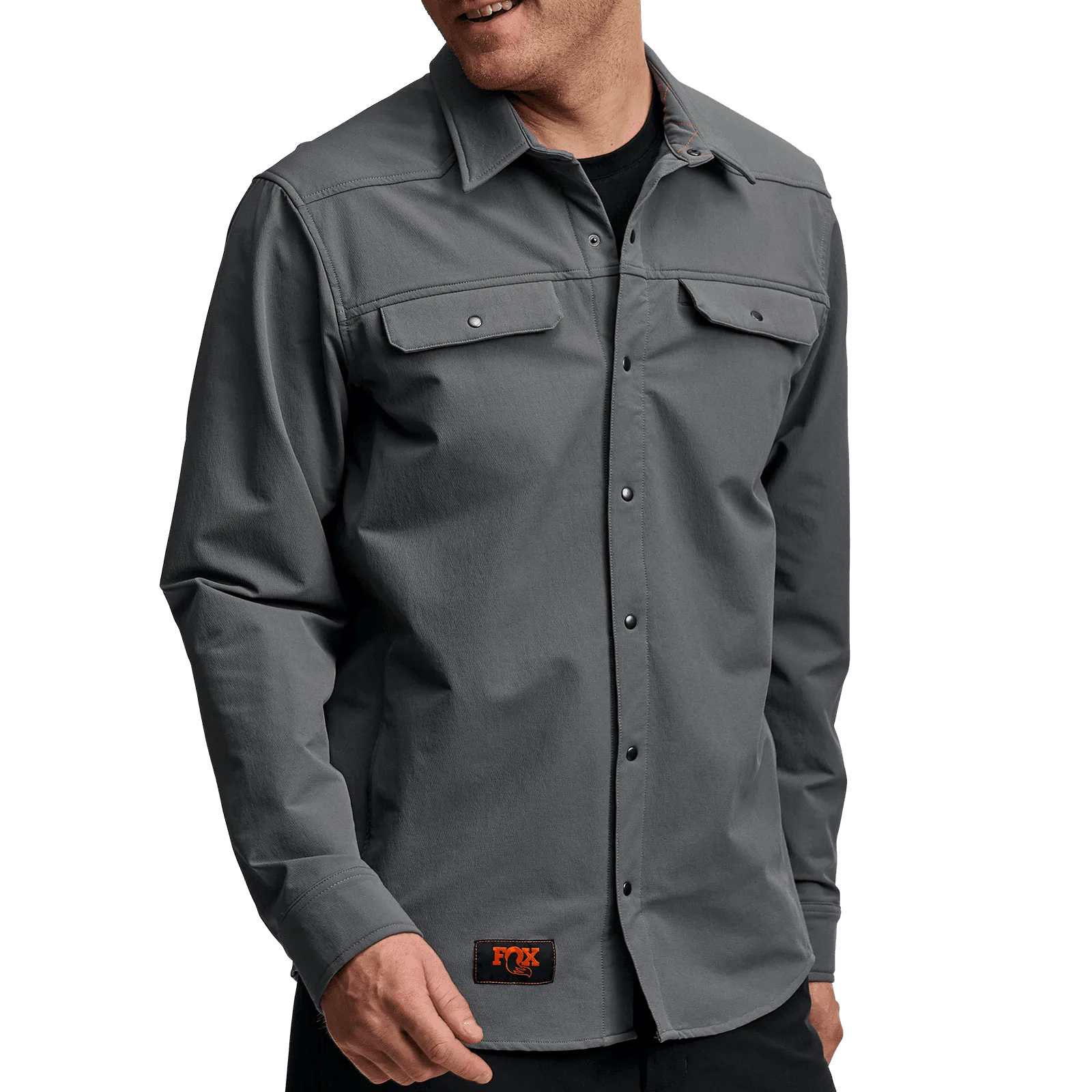
Cruise Shacket: DWR treated stretch nylon fabric with brushed interior. 90% Nylon, 10% Spandex. Regular fit. The stretch fabric and brushed interior make this a comfortable, breathable layer for active use, but the lack of insulation limits its warmth.
Cruise Shacket
-
Cruise Shacket: Low-profile metal snap buttons, chest and hand pockets, woven labels at hem and back collar. The shirt-style design and pockets add everyday utility, but metal snaps can feel cold against skin in very cool weather.
When to Choose the Cruise Shacket
For cool-weather rides where you need a light wind barrier and some moisture protection without overheating, the Cruise Shacket is a good choice. It works as a mid-layer under a shell for colder days. If you ride in rain or near-freezing temps, a fully insulated or waterproof jacket is a better primary layer. The shacket’s regular fit and stretch make it easy to move in, but it is not designed for heavy downpours or deep cold.