Peanut butter is a beloved staple in kitchens around the world, but when it comes to baking, a debate often arises: should you reach for the crunchy or the smooth jar? Both have passionate fans, but the texture you choose can significantly affect the final outcome of your baked goods. From cookies and brownies to cakes and muffins, the type of peanut butter you use influences not only the mouthfeel but also the structure, moisture, and even the flavor distribution.
In this article, we’ll break down the key differences between crunchy and smooth peanut butter in baking, examining how each performs in different recipes. Whether you’re a seasoned baker or just starting out, understanding these nuances will help you make the perfect choice for your next batch of treats. We’ll also look at specific products like Crunchy Peanut Butter 1kg and Smooth Almond Butter 1kg to give you real-world examples of how texture plays out in the oven.
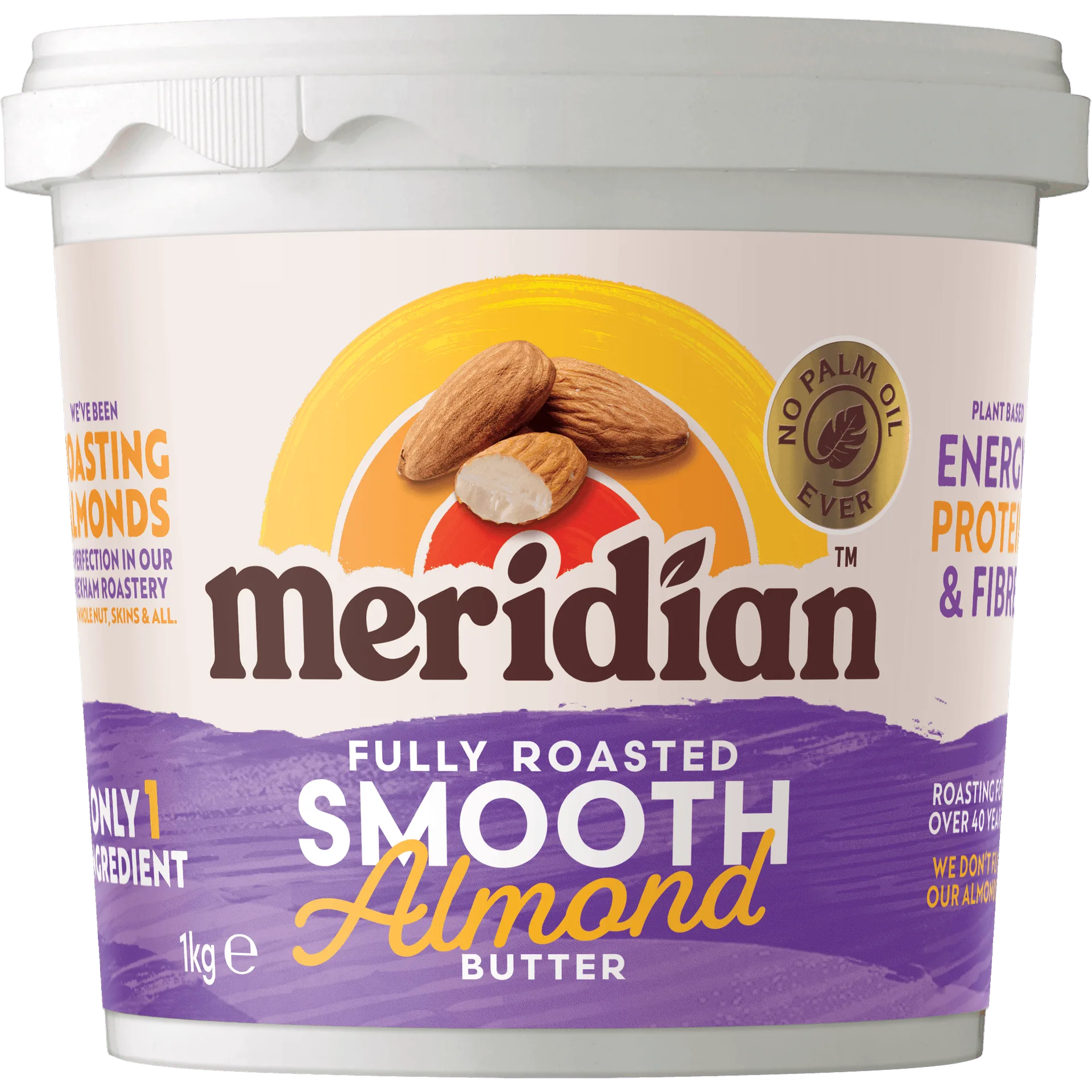
Smooth Almond Butter 1kg
How Texture Affects Baking Results
The primary difference between crunchy and smooth peanut butter is, of course, the presence of peanut pieces. In smooth peanut butter, the peanuts are ground into a uniform, creamy paste, while crunchy peanut butter retains small chunks that provide bursts of nutty crunch. This distinction matters because the texture of your peanut butter interacts with other ingredients like flour, sugar, and eggs.
When you bake with smooth peanut butter, the fat and solids are evenly distributed, creating a consistent dough or batter. This uniformity helps in recipes that rely on a soft, tender crumb, such as peanut butter cookies or brownies. On the other hand, crunchy peanut butter introduces small, solid pieces that can create pockets of texture, adding a pleasant surprise in every bite. However, those same pieces can sometimes lead to uneven baking if the chunks are too large or if they sink to the bottom of the batter.
- Smooth peanut butter blends seamlessly into batters, giving a uniform texture.
- Crunchy peanut butter adds bursts of nutty crunch but may cause uneven distribution in delicate batters.
- For cookies, crunchy peanut butter creates a more rustic, chunky appearance and texture.
Moisture and Fat Content: A Critical Factor
Both crunchy and smooth peanut butter contain similar amounts of fat and protein, but the way those fats are dispersed can affect your baking. Smooth peanut butter tends to have a more homogenous oil distribution, which means it emulsifies more easily with butter or other fats in a recipe. This can lead to a richer, more tender baked good.
Crunchy peanut butter, especially natural varieties where the oil may separate, can sometimes cause the dough to be slightly drier or require a bit more liquid. However, many commercial crunchy peanut butters include stabilizers to keep the texture consistent. When using a product like Crunchy Peanut Butter 470g, you get a reliable, spreadable texture that works well in most baking applications. For recipes that call for a very creamy base, such as peanut butter frosting or mousse, smooth peanut butter is usually the better choice.
- Smooth peanut butter emulsifies easily, leading to a tender crumb.
- Crunchy peanut butter may require slight adjustments to liquid content.
- Always check the ingredient list – natural peanut butters may need stirring before use.
Best Recipes for Crunchy Peanut Butter
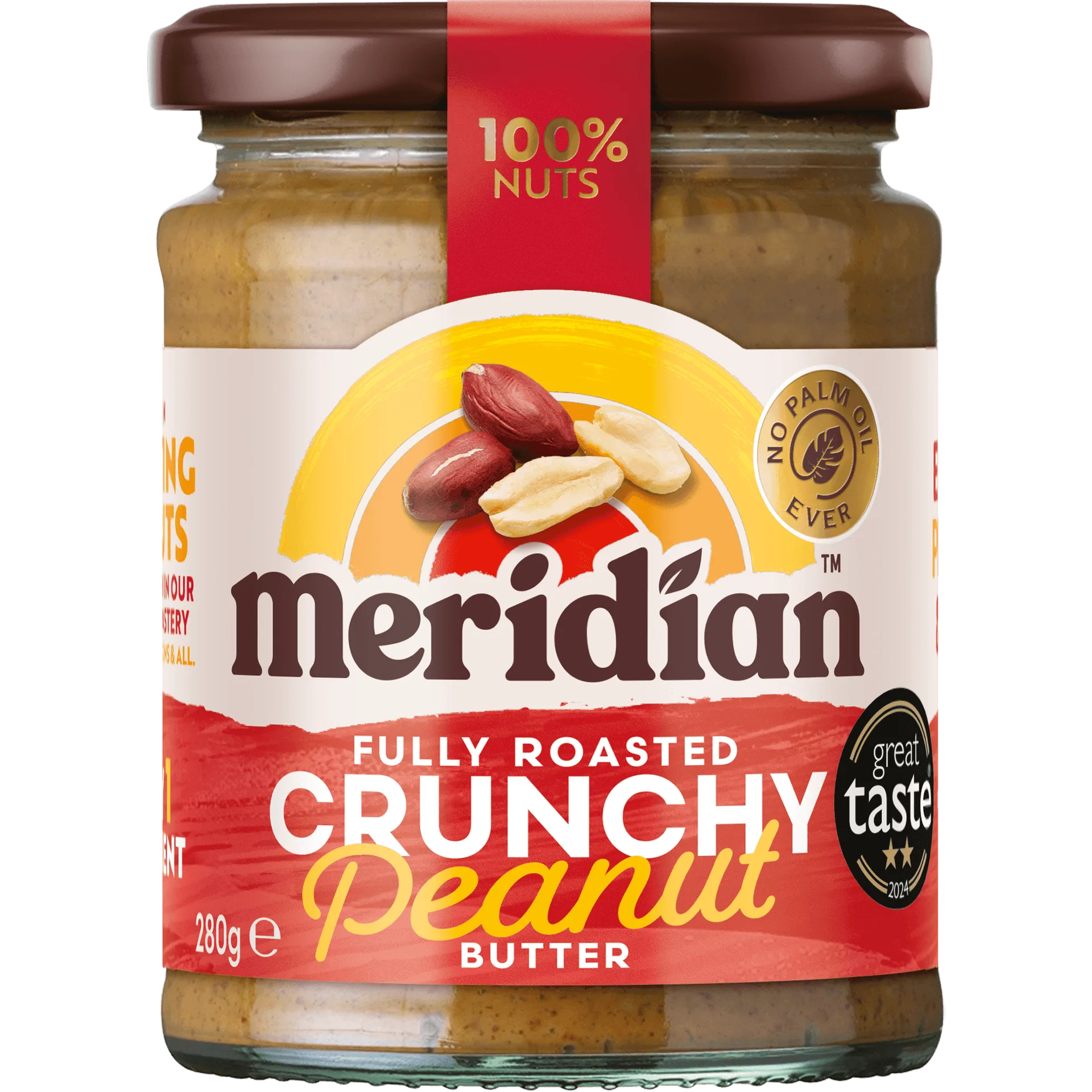
Crunchy peanut butter truly shines in recipes where texture is celebrated. Classic peanut butter cookies with a crinkled top and a satisfying crunch are a perfect match. The peanut pieces add an extra layer of nuttiness and a delightful contrast to the soft, chewy cookie interior. Similarly, crunchy peanut butter works wonderfully in no-bake energy bars, granola clusters, and even as a topping for ice cream or oatmeal.
If you’re making a peanut butter swirl brownie, the chunks can create interesting pockets of texture that break up the fudgy richness. For savory baking, such as peanut butter and jelly muffins or peanut butter bread, the crunch adds a rustic, artisanal feel. Just be mindful that larger chunks might not soften completely during baking, so for very short baking times, consider using a finely ground crunchy peanut butter.
- Ideal for: peanut butter cookies, energy bars, brownies, and savory baked goods.
- Avoid in: very delicate batters like cakes or mousses where smoothness is key.
- Tip: For even distribution, fold crunchy peanut butter in at the last minute.
Best Recipes for Smooth Peanut Butter
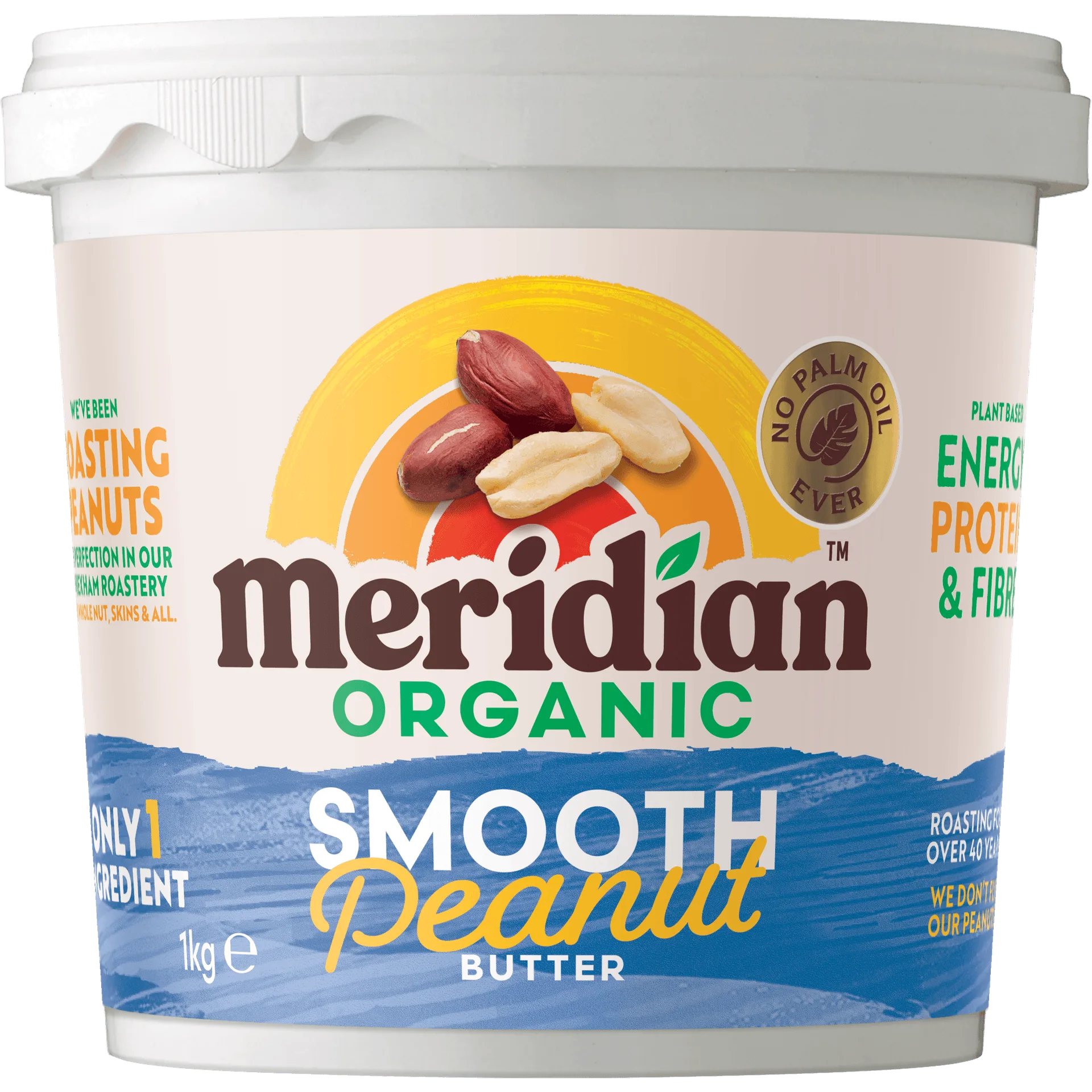
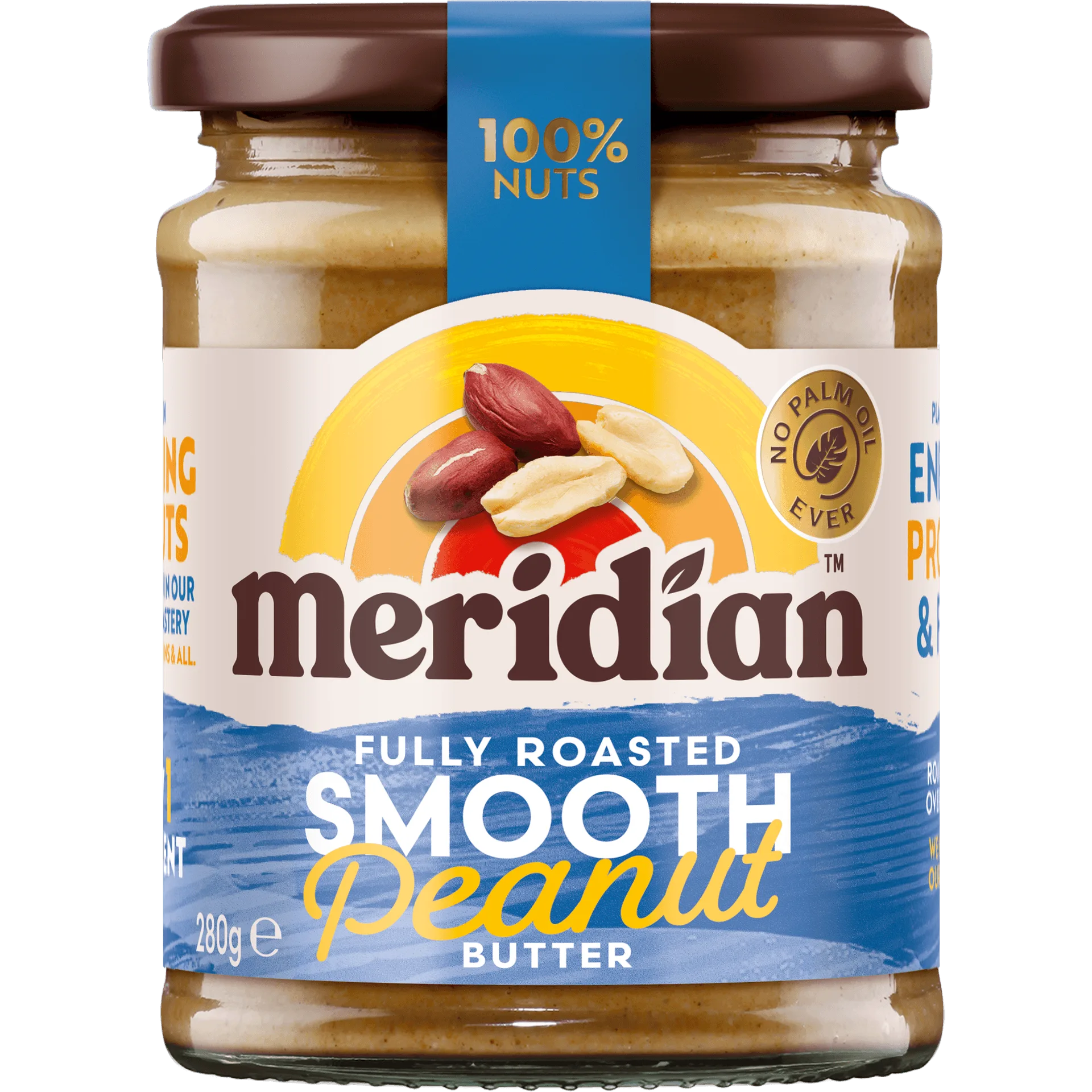
Smooth peanut butter is the go-to choice for recipes that demand a silky, uniform texture. It’s essential for peanut butter frosting, where any graininess would be noticeable. It also performs beautifully in peanut butter cheesecakes, mousses, and puddings. For classic peanut butter cookies, smooth peanut butter gives a more traditional, soft-baked result that many people love.
When baking cakes, smooth peanut butter blends seamlessly into the batter, ensuring every slice has the same rich flavor. It’s also the preferred choice for making peanut butter and jelly thumbprint cookies, where a smooth center contrasts nicely with the jam. If you’re looking for a versatile option that works in both sweet and savory dishes, smooth peanut butter is hard to beat. For a creamy, spreadable option, consider Smooth Almond Butter 1kg as an alternative that brings a slightly different flavor profile to your baking.
- Ideal for: frostings, cheesecakes, mousses, cakes, and soft cookies.
- Avoid in: recipes where a crunchy texture is a key feature.
- Tip: Use room temperature smooth peanut butter for easier mixing.
Crunchy vs Smooth: A Quick Comparison Table
To help you decide at a glance, here’s a simple comparison of how crunchy and smooth peanut butter perform in different baking scenarios.
- Cookies: Crunchy gives a rustic, chunky texture; smooth yields a soft, uniform cookie.
- Cakes: Smooth blends evenly; crunchy may cause uneven crumb.
- Brownies: Both work well; crunchy adds texture, smooth gives fudgy consistency.
- Frosting: Smooth is essential; crunchy pieces would disrupt the creamy finish.
- Bars/Energy Bites: Crunchy adds satisfying crunch; smooth binds more uniformly.
Tips for Substituting One for the Other
If a recipe calls for smooth peanut butter but you only have crunchy, or vice versa, don’t worry – you can usually substitute with a few adjustments. When using crunchy in place of smooth, be aware that the final texture will be chunkier. To minimize this, you can pulse the crunchy peanut butter in a food processor for a few seconds to break down the larger pieces. Conversely, if you want to use smooth instead of crunchy, you can add chopped peanuts or another crunchy element like crushed pretzels or granola to mimic the texture.
Another consideration is moisture. Crunchy peanut butter may have slightly less fat per volume due to the solid peanut pieces, so you might need to add a teaspoon of oil or a tablespoon of milk to compensate. For best results, always use a peanut butter with minimal added sugar or stabilizers, as these can affect the sweetness and texture of your baked goods. Products like Crunchy Peanut Butter 1kg offer a great balance of flavor and texture for baking.
- Pulse crunchy peanut butter to make it smoother if needed.
- Add chopped peanuts or other nuts to smooth peanut butter for crunch.
- Adjust liquid slightly when swapping to maintain dough consistency.
Whether you choose crunchy or smooth peanut butter ultimately depends on the texture you want to achieve in your baking. For soft, uniform treats like cakes and frostings, smooth peanut butter is your best friend. For cookies, bars, and rustic baked goods that celebrate a bit of crunch, go with crunchy. Experiment with both to find your personal favorite, and don’t be afraid to mix them for the best of both worlds. Ready to start baking? Explore our selection of premium peanut butters, including the versatile Crunchy Peanut Butter 1kg, perfect for your next kitchen creation.