When it comes to organizing a playroom, parents often face a classic dilemma: cube shelves or open toy bins? Both options promise to tame the chaos, but each has unique strengths that can shape how your child plays, learns, and tidies up. Understanding the differences between these two popular kids storage solutions will help you create a space that encourages independence, reduces clutter, and supports your family's daily rhythm.
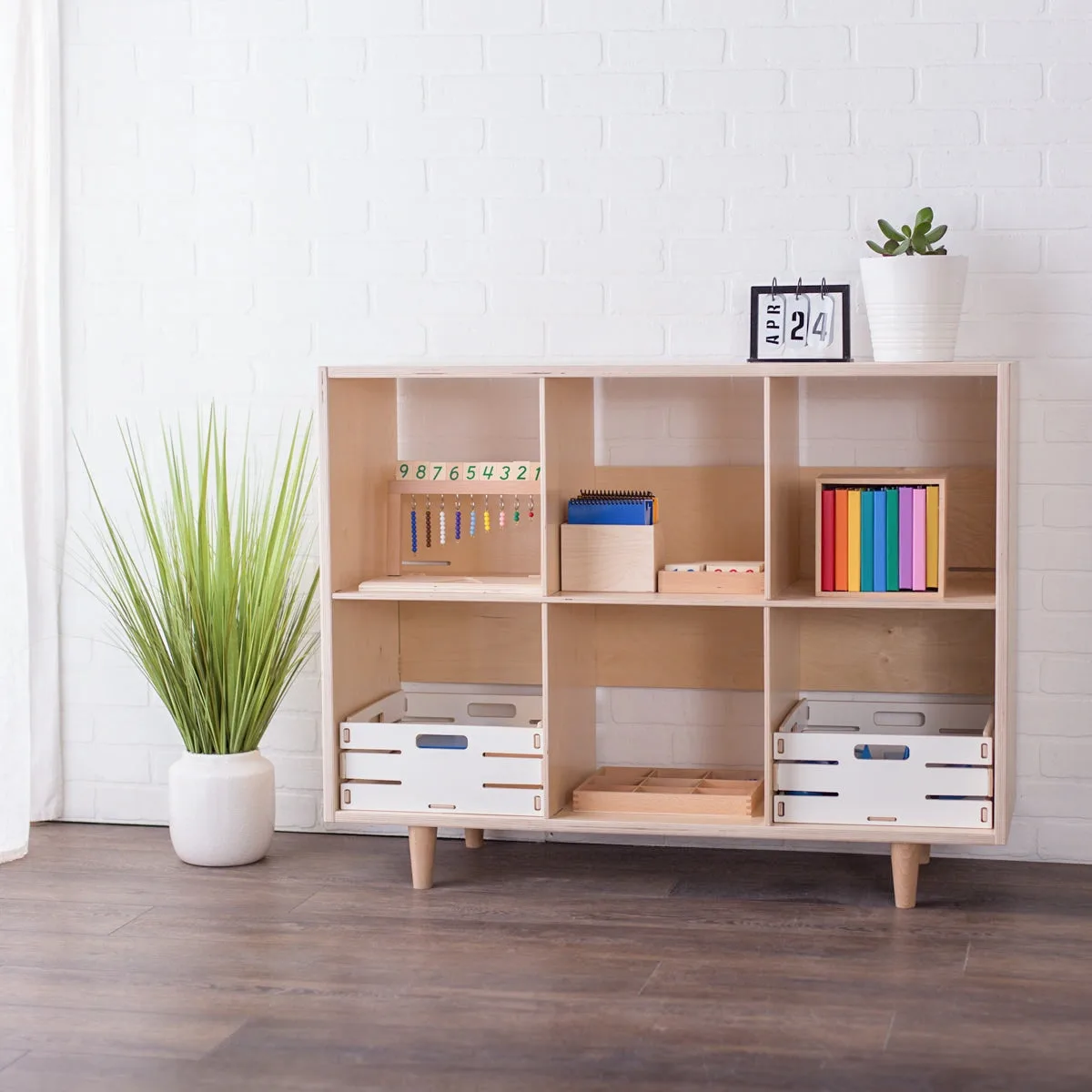
cube shelves
In this comparison, we'll explore the pros and cons of cube shelves versus open toy bins, from accessibility and aesthetics to durability and developmental benefits. Whether you're setting up a Montessori corner or simply trying to keep LEGOs off the floor, this guide will help you make an informed choice for your playroom storage.
Why Storage Matters for Child Development
The way you store toys impacts more than just the look of your playroom. In Montessori and child-led learning environments, open shelving is prized because it allows children to see and choose their own activities. When toys are visible and within easy reach, kids are more likely to engage in independent play and develop decision-making skills. Cluttered or inaccessible storage, on the other hand, can overwhelm young learners and lead to frustration.
Both cube shelves and open toy bins can support this philosophy, but they do so in different ways. Cube shelves typically offer a grid of compartments where toys can be displayed on their own, while open bins provide a contained but accessible space for grouping similar items. The key is finding a balance that matches your child's age, the number of toys you own, and the flow of your playroom.
Cube Shelves: A Versatile Foundation for Playroom Storage
Cube shelves are a staple in many playrooms because they offer a modular, customizable storage solution. With multiple cubbies, you can organize toys by category, rotate seasonal items, or even combine with fabric bins for a cleaner look. The open design lets children see everything at a glance, which aligns perfectly with Montessori principles of accessibility and order. Plus, cube shelves can grow with your child—use them for board books, puzzles, art supplies, and later for school projects or collectibles.
One standout option is the Home Montessori Closed Back Shelving, which provides a sturdy, child-height structure that keeps toys visible yet contained. Its closed back prevents items from falling behind, and the natural wood finish blends seamlessly into any decor. Another excellent choice is the Luce À La Carte, a modular shelf system that lets you configure the layout to fit your space. Both products are built to last and designed with child development in mind.
- Cube shelves maximize vertical space, freeing up floor area for play.
- They encourage categorization—each cubby can hold a different toy type (e.g., blocks, cars, art supplies).
- Mix open cubbies with bins to hide smaller or less-used items while keeping favorites visible.
Open Toy Bins: Simple, Flexible, and Kid-Friendly
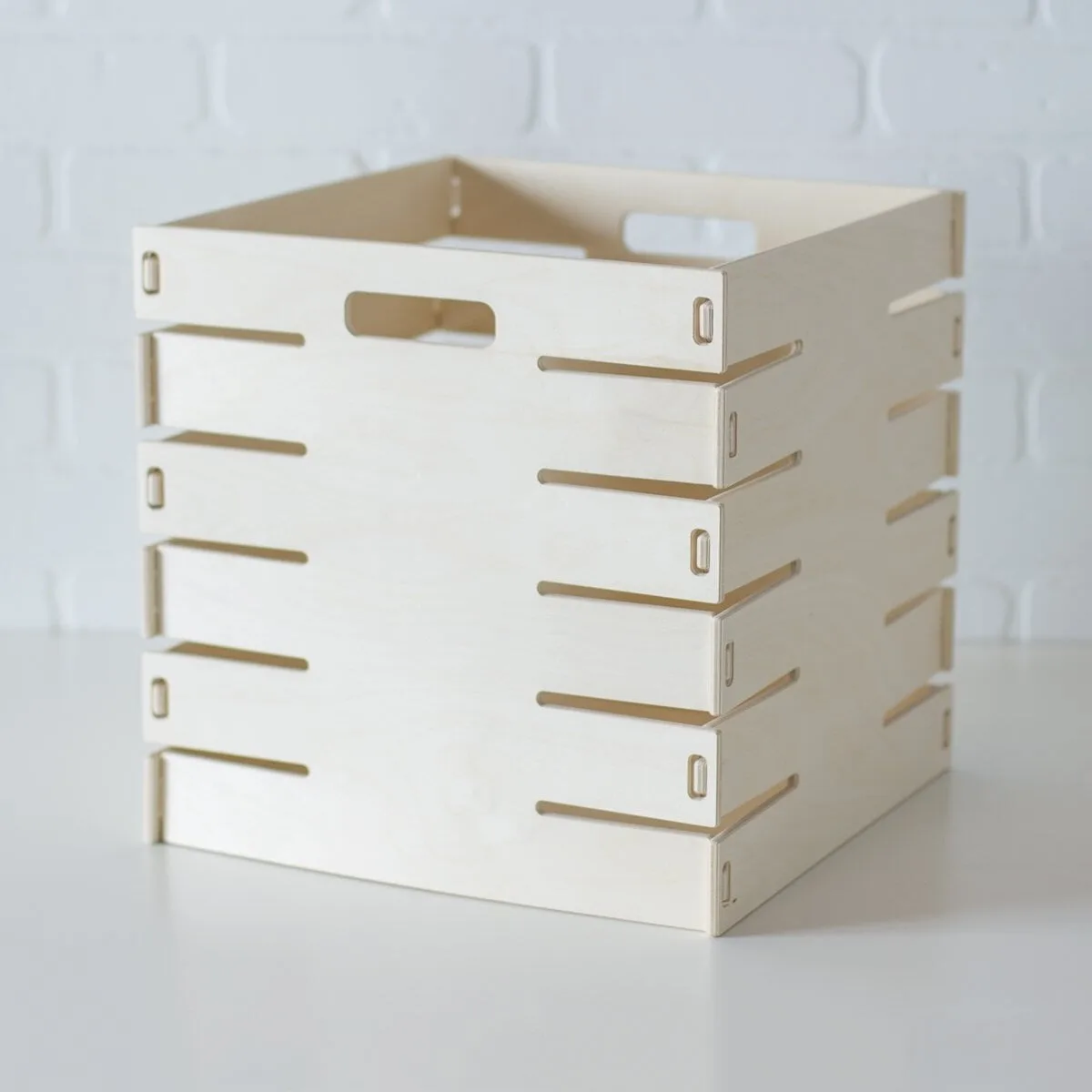
Open toy bins are the unsung heroes of quick cleanup. Unlike closed bins with lids, open bins allow children to toss toys in without struggling with a lid—making tidy-up time faster and less frustrating. They're also extremely versatile: you can use them on shelves, inside cubbies, or even on the floor. For younger toddlers who are still developing motor skills, open bins are a practical way to teach responsibility and sorting.
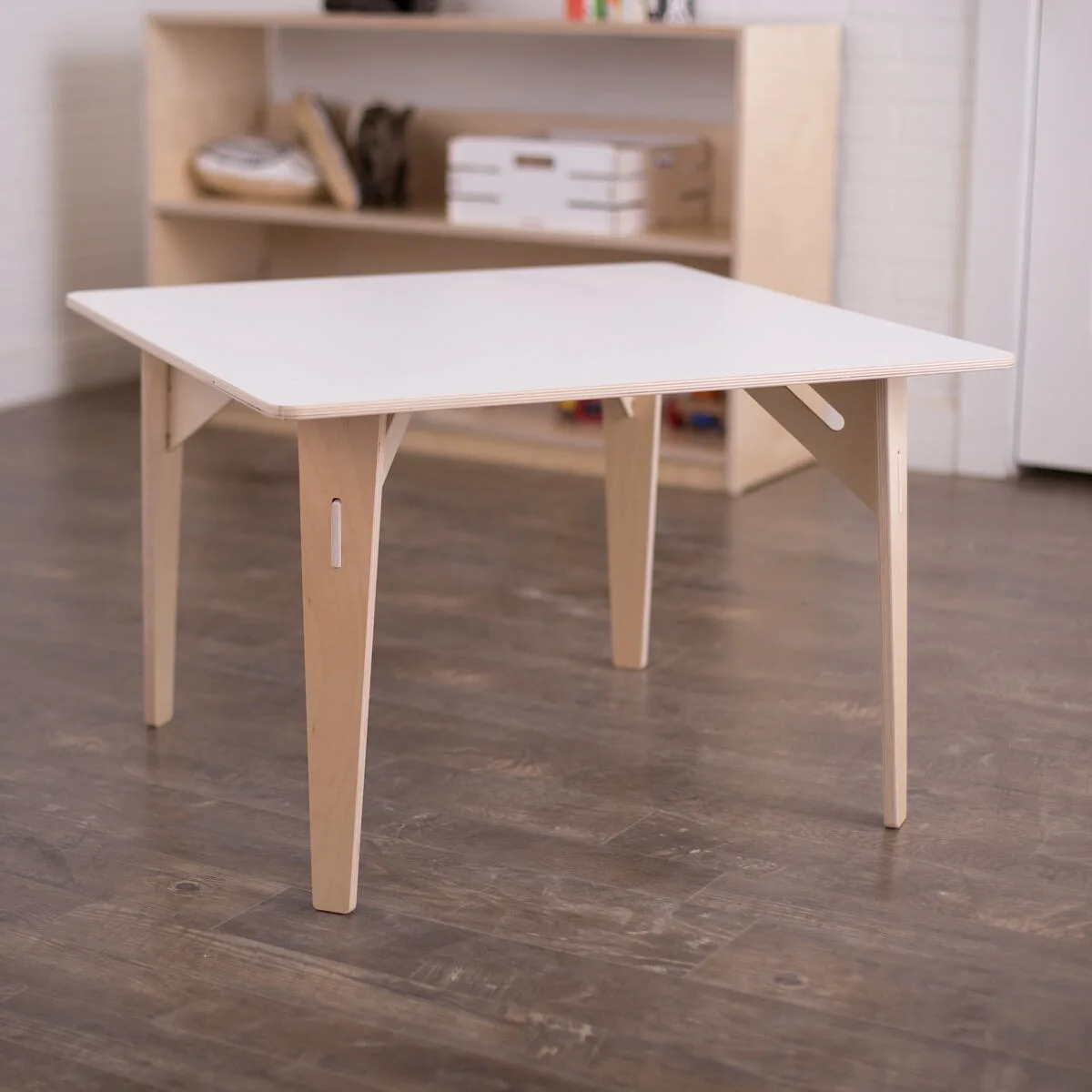
However, open bins can become a catch-all if not paired with a good shelving system. Without compartments, mixed toys can quickly turn into a jumbled mess. That's why many parents combine bins with a cube shelf like the Sosta Bunk Bed's integrated storage or a standalone unit. For a more intentional setup, consider using bins on the Practical Life Table to organize kitchen toys or art supplies—keeping everything within reach and ready for action.
- Open bins are ideal for large collections of similar toys (e.g., blocks, cars, stuffed animals).
- They work well on low shelves where children can easily grab and return items.
- Label bins with pictures or words to help even non-readers participate in cleanup.
Comparing Aesthetics, Durability, and Cost
When it comes to aesthetics, cube shelves often win for their clean, modern lines and ability to blend with furniture. They're available in various finishes, from natural wood to painted options, and can serve as a display piece for books and decorative toys. Open bins, while functional, can look cluttered if not coordinated—stick to neutral colors or natural materials like wovewood baskets to maintain a calm environment.
Durability is another factor. High-quality cube shelves made from solid wood, like the Home Montessori Closed Back Shelving, can withstand years of use and even be passed down. Plastic bins may crack or warp over time, while fabric bins can sag. For long-term value, invest in sturdy shelving and complement it with durable, washable bins. Cost-wise, cube shelves tend to be a larger upfront investment, but they offer more organization potential per square foot.
- Solid wood cube shelves are more durable than particleboard or plastic alternatives.
- Fabric bins are lightweight and washable, but may need replacement after a few years.
- Consider a mixed approach: use cube shelves for main storage and open bins for quick-access items.
Which Storage Solution Is Best for Your Child's Age?
For infants and young toddlers (ages 1–3), open bins are often the safest and most practical choice. They're easy to access, have no sharp edges, and allow little ones to practice putting toys away. As children grow into preschoolers (ages 3–5), cube shelves become more valuable for teaching categorization and responsibility. Each cubby can hold a specific toy set, making cleanup a matching game rather than a chore.
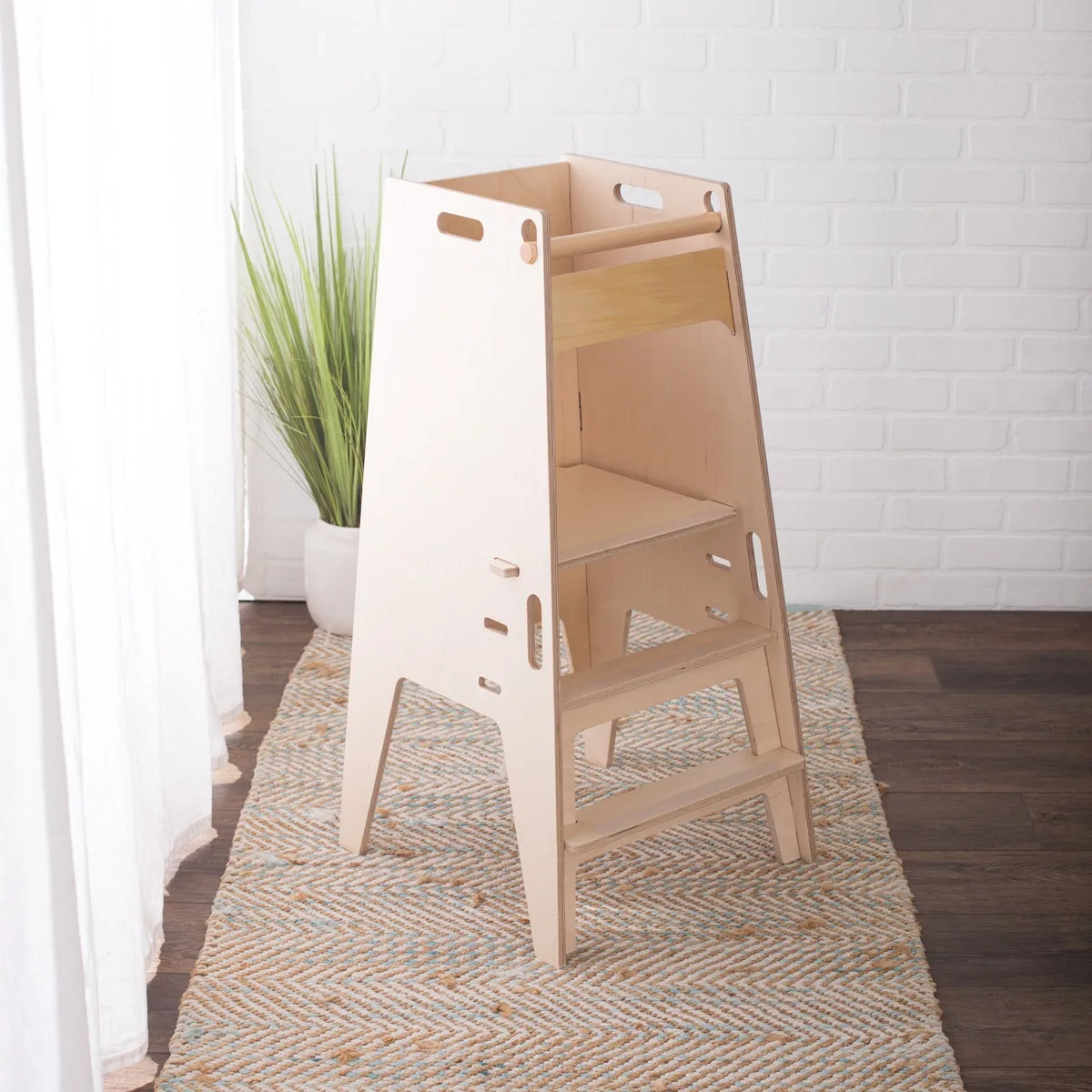
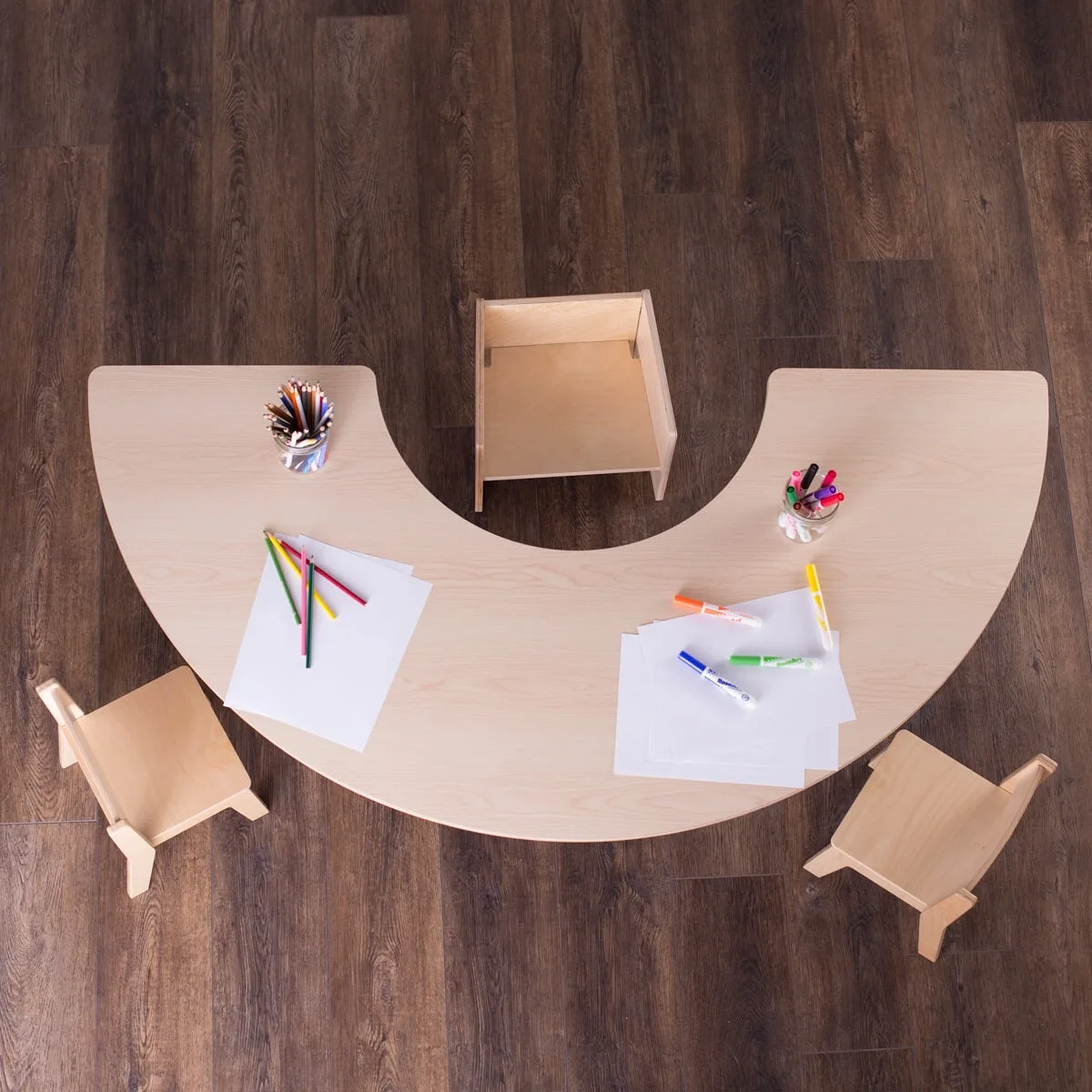
School-age kids (ages 5+) benefit from cube shelves that can store books, art supplies, and hobby materials. At this stage, you might also introduce a dedicated workspace like the Trapezoid Tables for homework and projects. The key is to adapt storage as your child's interests and independence evolve. A flexible system—like combining cube shelves with removable bins—lets you adjust without buying new furniture every year.
Tips for Maximizing Your Playroom Storage Setup
Whether you choose cube shelves, open bins, or a combination, a few simple strategies can make your storage work harder. First, keep frequently used toys at eye level and in easy-to-reach cubbies. Second, rotate toys every few weeks to maintain novelty and reduce overwhelm. Third, use clear or labeled bins for small parts so nothing gets lost. Finally, involve your child in the organizing process—let them decide where certain toys live to build ownership.
If you're working with a small space, consider a multi-functional piece like the Sosta Bunk Bed, which includes built-in storage for bedding or toys. Or, use a cube shelf as a room divider to create distinct play and sleep zones. Remember, the goal isn't perfection—it's creating a space where your child can play, learn, and grow independently.
- Rotate toys monthly to keep interest high and clutter low.
- Use vertical space with wall-mounted shelves for books or display items.
- Involve your child in cleanup routines to build lifelong organizational skills.
Ultimately, the best playroom storage solution depends on your child's age, your space, and your family's routine. Cube shelves offer structure and visibility, while open bins provide flexibility and ease. For a winning combination, start with a high-quality cube shelf like the Home Montessori Closed Back Shelving and add a few open bins for quick-grab items. Your child will enjoy a clutter-free environment that fosters independence and creativity—and you'll love the peace of mind that comes with an organized home.