Tea is far more than a beverage in Japan—it is a living art form, a spiritual practice, and a cornerstone of cultural identity. For centuries, the ritual of preparing and drinking tea has woven itself into the fabric of Japanese society, influencing everything from architecture and garden design to philosophy and social etiquette. Whether you are a seasoned tea enthusiast or a curious newcomer, understanding the cultural significance of tea in Japan opens a window into a world where every sip tells a story.
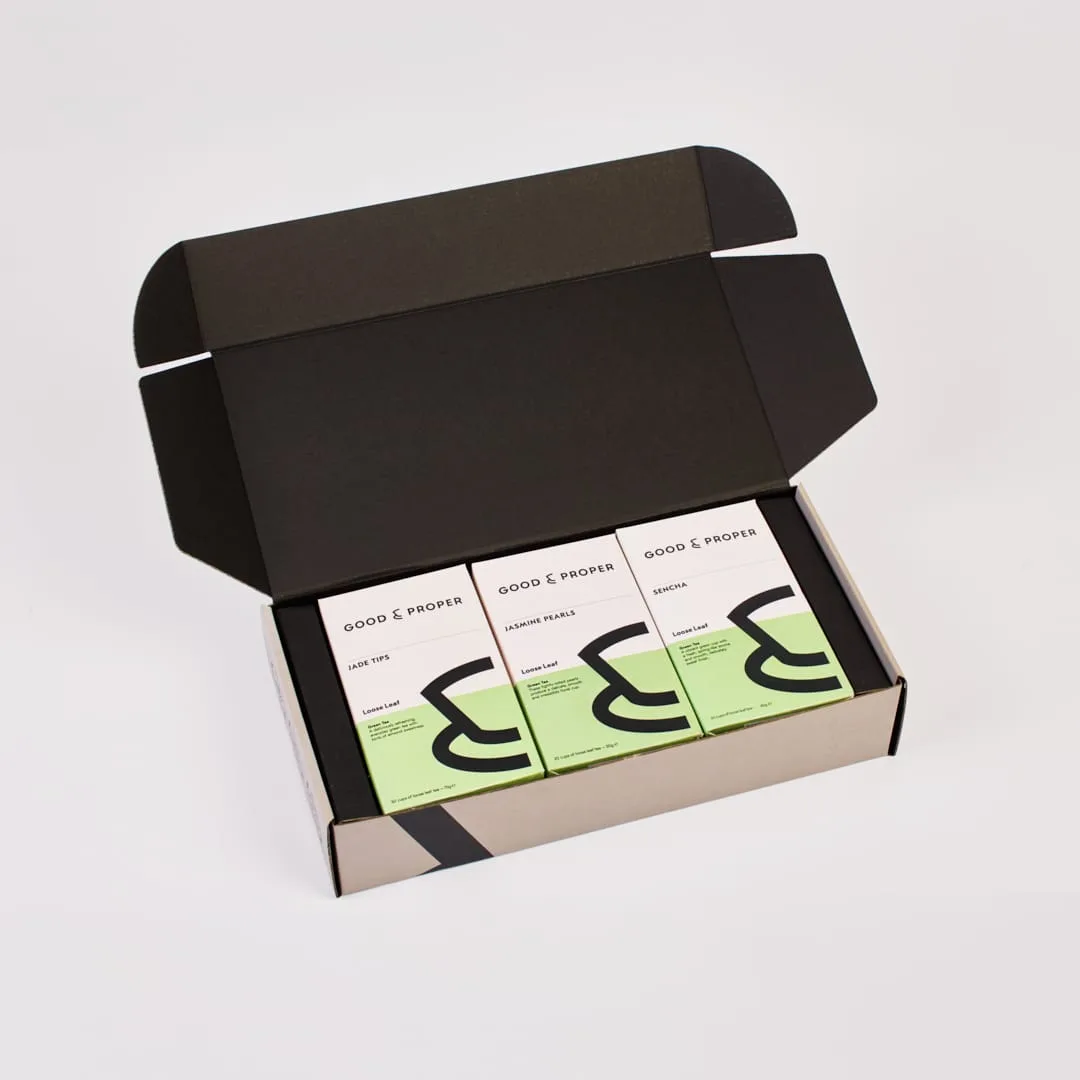
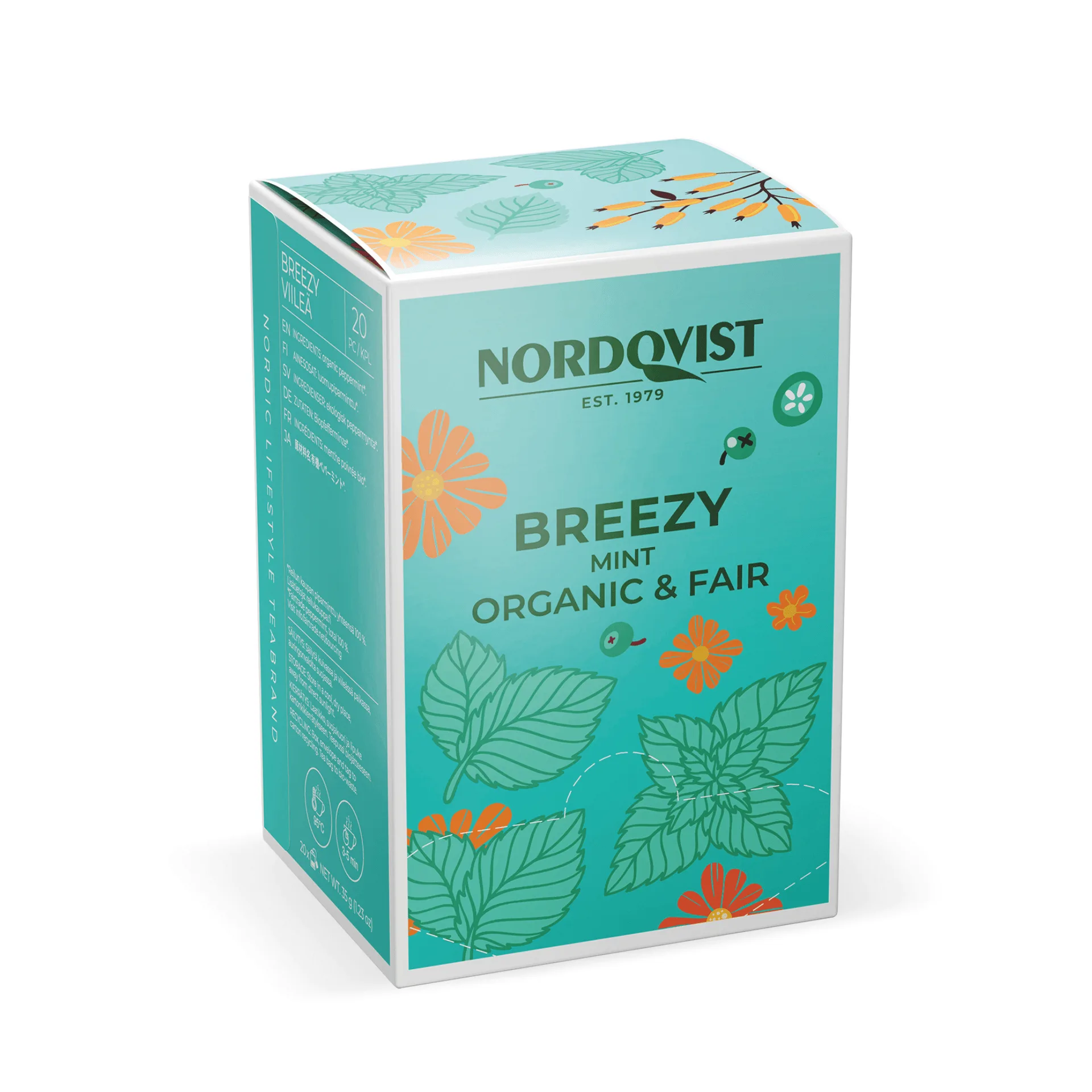
This article explores the rich tapestry of Japanese tea culture, from its ancient origins to its modern-day expressions. We will delve into the matcha tradition, the Zen-inspired tea ceremony, and the enduring role of tea in daily life. Along the way, we will highlight how these traditions connect to the teas and tools available today, such as the Four Seasons - Loose Leaf and the Matcha Sieve, which honor centuries-old practices while making them accessible to contemporary tea lovers.
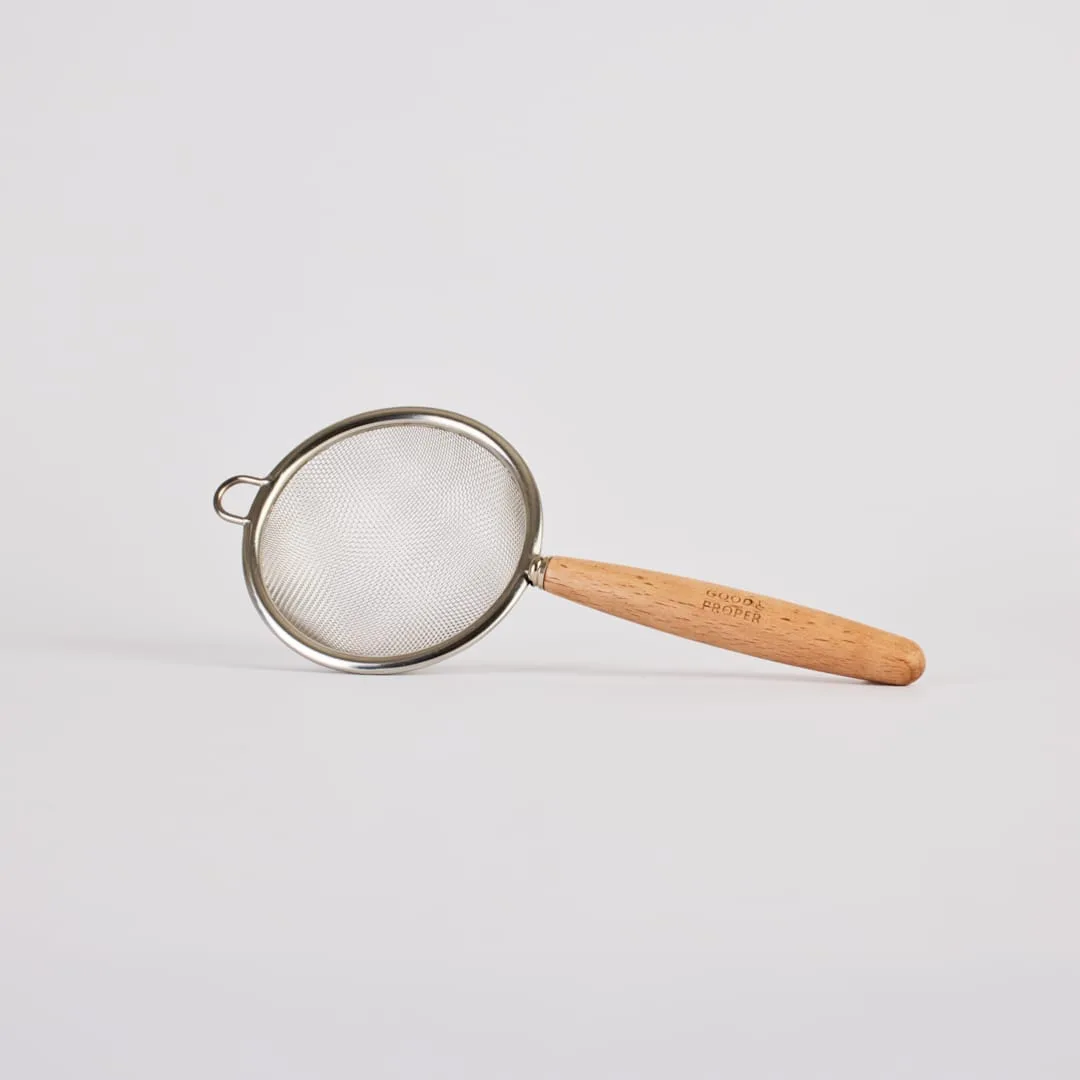
Matcha Sieve
The Origins of Tea in Japan: From China to Spiritual Practice
Tea was first introduced to Japan from China during the early Heian period (794–1185 CE) by Buddhist monks who had traveled to study in Chinese monasteries. Initially, tea was a rare luxury, enjoyed primarily by the aristocracy and clergy for its medicinal properties. The powdered green tea known as matcha, however, gained prominence in the 12th century when the Zen monk Eisai brought back tea seeds and the method of grinding tea leaves into a fine powder. Eisai’s teachings emphasized tea as a tool for alertness during meditation, planting the seeds for what would become the matcha tradition.
Over the following centuries, tea cultivation spread across Japan, and the practice of drinking matcha evolved from a monastic aid into a sophisticated social ritual. By the 16th century, the tea ceremony—known as chanoyu or the Way of Tea—had become a highly codified art, blending Zen principles of simplicity, mindfulness, and imperfection. This period saw the rise of tea masters like Sen no Rikyū, who refined the ceremony into a spiritual practice that continues to shape Japanese tea culture today.
- Matcha was originally used by Zen monks to stay awake during long meditation sessions.
- The tea ceremony emphasizes harmony (wa), respect (kei), purity (sei), and tranquility (jaku).
The Japanese Tea Ceremony: A Ritual of Mindfulness and Aesthetics
At the heart of Japanese tea culture lies the tea ceremony, a choreographed ritual of preparing and serving matcha. Far from a simple cup of tea, the ceremony is a meditative practice that engages all the senses. Every movement—from the way the tea bowl is held to the whisking of the matcha—is deliberate and graceful. The setting, often a rustic tearoom or a garden hut, is designed to foster a sense of harmony with nature and detachment from worldly distractions.
Participants in a tea ceremony experience a moment of shared presence, where the focus is entirely on the tea, the utensils, and the company. The ceremony also incorporates seasonal elements, such as the choice of flowers or the type of sweets served, reflecting the Japanese aesthetic of ichigo ichie—the idea that each encounter is unique and precious. For those looking to recreate this experience at home, using a Matcha Sieve to sift the powder ensures a smooth, clump-free cup, while a high-quality loose leaf like Four Seasons - Loose Leaf offers a taste of Japan’s seasonal tea traditions.
- The tea ceremony typically uses matcha, but sencha and other green teas have their own informal rituals.
- Key tools include a tea bowl (chawan), bamboo whisk (chasen), and tea scoop (chashaku).
Matcha Tradition: From Monastic Roots to Global Phenomenon
The matcha tradition is perhaps the most iconic element of Japanese tea culture. Matcha is made from shade-grown tea leaves that are steamed, dried, and ground into a vibrant green powder. Unlike steeped teas, matcha involves consuming the entire leaf, making it richer in antioxidants and amino acids like L-theanine, which promotes calm alertness. This unique preparation method has been refined over centuries, with tea farmers in regions like Uji and Nishio perfecting the art of shade cultivation and stone grinding.
In modern Japan, matcha has transcended its ceremonial roots to become a versatile ingredient in foods, from lattes and ice cream to pastries and savory dishes. Yet, the traditional preparation remains a cherished practice. For enthusiasts, tools like the Matcha Sieve are essential for achieving the smooth, lump-free texture that defines a proper cup. Whether you are whisking matcha for a formal ceremony or a daily morning ritual, the matcha tradition invites a moment of mindfulness in a fast-paced world.
- Matcha contains about three times the antioxidants of regular green tea.
- Ceremonial-grade matcha is best for drinking, while culinary grade works well for cooking.
Japanese Tea History: The Evolution of Tea Drinking Across Eras
Japanese tea history is a story of adaptation and refinement. During the Kamakura period (1185–1333), tea drinking spread among the warrior class, who valued its stimulating effects. By the Muromachi period (1336–1573), tea gatherings became elaborate social events, and the development of the tea ceremony elevated tea to an art form. The Edo period (1603–1868) saw the rise of sencha, a steamed green tea that offered a simpler alternative to matcha, making tea accessible to the common people.
Today, Japan produces a diverse range of teas, from the shaded gyokuro to the roasted hojicha and the barley-based mugicha. Each variety reflects a different aspect of Japanese tea culture, whether it is the meditative focus of matcha or the everyday comfort of bancha. For those exploring these traditions, a loose leaf like Four Seasons - Loose Leaf captures the essence of seasonal tea drinking, while the Good & Proper Canvas Tote Bag serves as a practical companion for carrying tea essentials to a tea gathering or a quiet afternoon in the park.
- Sencha accounts for about 80% of Japan's tea production.
- Gyokuro is shaded for three weeks before harvest, giving it a sweet, umami flavor.
Tea in Daily Life: Beyond the Ceremony
While the tea ceremony is the most formal expression of Japanese tea culture, tea permeates everyday life in Japan. From the automatic vending machines offering hot and cold green tea to the traditional tea served at business meetings and family gatherings, tea is a constant companion. In homes, tea is often brewed in kyusu (teapots) and enjoyed with meals, reflecting the Japanese value of ichiju-sansai (one soup, three sides) where tea complements the flavors of the food.
Seasonal tea drinking is also deeply ingrained, with lighter teas like shincha (first flush) celebrated in spring and roasted teas favored in winter. Many Japanese people practice a simple tea ritual at home, taking a few minutes to prepare and savor a cup as a form of self-care. For those inspired to bring a piece of Japanese tea culture into their own lives, the Loose Leaf Essentials Starter Kit provides everything needed to begin brewing high-quality loose leaf teas, while the Good & Proper Canvas Tote Bag makes a stylish and sustainable choice for carrying tea leaves or teaware on the go.
- In Japan, tea is often served without sugar or milk to appreciate its natural flavor.
- Cold-brewing green tea is a popular method during hot summer months.
Japanese tea culture is a profound tapestry of history, spirituality, and daily practice. Whether you are drawn to the meditative rhythm of the tea ceremony, the vibrant energy of the matcha tradition, or the simple pleasure of a daily cup, there is a tea experience waiting for you. Explore our collection of authentic Japanese teas and tools, including the Four Seasons - Loose Leaf, to begin your own journey into the world of Japanese tea.