Finding the right foundation for dark skin tones can feel like a treasure hunt. For years, many beauty brands offered limited shade ranges, leaving those with deep complexions struggling to find a match that didn't look ashy, orange, or simply off. The cushion foundation format—beloved for its portability and natural finish—has historically been even more challenging, with many lines offering only light to medium shades.
But the beauty industry is evolving, and inclusive shade ranges are finally becoming the norm. Today, you can find cushion foundations that celebrate the richness and diversity of dark skin tones, from deep ebony to warm caramel. This guide will walk you through everything you need to know: how to identify your undertone, what to look for in a formula, and how to test shades like a pro. Whether you're new to cushion foundations or looking to expand your collection, these tips will help you achieve a flawless, radiant finish.
Why Cushion Foundations Are Worth the Hype for Dark Skin
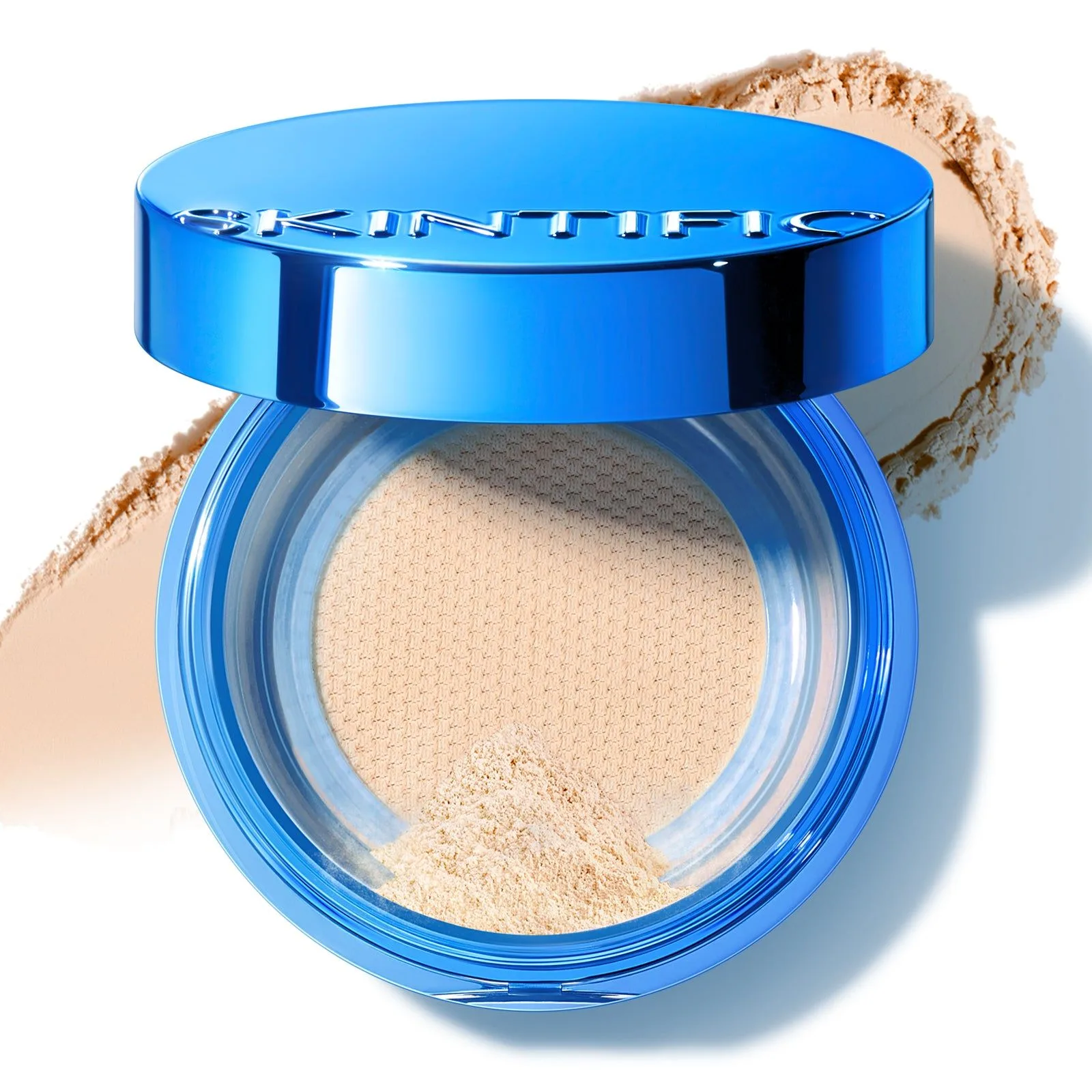
Cushion foundations offer a unique blend of skincare and makeup that can be a game-changer for dark skin tones. Their lightweight, buildable formula allows you to customize coverage without the heavy, cakey feel that some traditional foundations can leave on deeper complexions. Plus, the built-in applicator makes touch-ups effortless—perfect for maintaining a fresh look throughout the day.
Many modern cushion foundations are infused with hydrating and brightening ingredients like hyaluronic acid, niacinamide, and ceramides. These not only enhance your skin's natural glow but also help address common concerns like hyperpigmentation and uneven texture. For those with dark skin, a cushion that offers both coverage and skincare benefits can simplify your routine while keeping your complexion healthy and luminous.
- Look for cushions with a dewy or natural finish—they tend to flatter dark skin by adding a healthy sheen without looking greasy.
- Opt for formulas that are fragrance-free and non-comedogenic to avoid irritation and breakouts, which can be more visible on deeper skin tones.
Understanding Your Undertone: The Key to a Seamless Match
One of the biggest mistakes people make when choosing a foundation is ignoring undertones. Dark skin can have warm (golden, yellow), cool (red, blue), or neutral undertones, and matching your cushion to your undertone is essential for a natural look. A foundation with the wrong undertone can appear gray or muddy, even if the depth seems right.
To determine your undertone, check the veins on your wrist: if they appear greenish, you likely have warm undertones; if they look blue or purple, you're cool; if you see a mix, you're neutral. Another trick is to hold a white piece of paper next to your face—if your skin looks yellowish, you're warm; if it looks pink or rosy, you're cool. Once you know your undertone, look for cushion shades labeled accordingly, such as 'warm deep' or 'cool ebony.'
- Warm undertones: Choose cushions with golden or peachy hues.
- Cool undertones: Look for shades with a hint of red or berry.
- Neutral undertones: You can often wear a range, but aim for balanced shades.
How to Test and Match Cushion Foundation Shades for Dark Skin
Testing foundation on your jawline or wrist isn't always reliable for dark skin, because your face and neck may have different undertones. Instead, swatch the cushion along your jawline and blend downward onto your neck. The right shade will disappear into your skin without leaving a visible line. Natural light is your best friend—step outside or near a window to see how the shade looks in daylight.
If you're shopping online, read reviews from people with similar skin tones and undertones. Many brands now offer virtual try-on tools, but they aren't always accurate for deep shades. When in doubt, order a shade lighter and a shade darker than your guess—you can mix them to create a custom match. For example, a drop of a lighter cushion can brighten a too-dark shade, while a deeper shade can warm up a pale one.
- Always test in natural light—indoor lighting can distort the true color.
- Don't be afraid to mix two shades for a perfect match, especially if you have a tan or hyperpigmentation.
Top Features to Look for in a Cushion Foundation for Dark Skin
When shopping for a cushion foundation for dark skin, prioritize formulas that offer buildable medium-to-full coverage. Dark skin often has areas of uneven pigmentation, and a buildable formula lets you layer coverage where needed without looking heavy. Also, look for cushions with a luminous or satin finish—matte formulas can sometimes flatten the natural dimension of deeper skin tones.
Skincare ingredients are a bonus. Brightening agents like niacinamide and vitamin C can help fade dark spots over time, while hydrating ingredients like hyaluronic acid prevent the dreaded 'ashy' look. For those with oily or combination skin, a cushion with oil-control properties is ideal. Always check the shade range before committing—brands that offer 20+ shades are more likely to have a match for you.
- Check the shade range online before purchasing—at least 15-20 shades is a good sign of inclusivity.
- Look for cushions with SPF for added sun protection, which is crucial for preventing hyperpigmentation.
Application Tips for a Flawless Finish on Dark Skin
Applying cushion foundation correctly can make or break your look. Start with a well-moisturized and primed face—hydration is key to preventing the foundation from clinging to dry patches, which can be more noticeable on dark skin. Use the included puff to dab the product onto the center of your face, then blend outward in a tapping motion. Avoid dragging or wiping, which can disturb the coverage.
For extra coverage on areas like acne scars or dark spots, layer the cushion by pressing the puff onto the area rather than swiping. Set with a translucent powder only where you need it—like the T-zone—to keep the rest of your skin glowing. A setting spray can help meld the layers and extend wear time. Remember, less is more: you can always add more product, but it's harder to remove excess without disturbing your base.
- Use a damp beauty sponge for a more airbrushed finish if the puff feels too heavy.
- For a natural look, skip powder on the high points of your cheeks to let the glow shine through.
Building an Inclusive Skincare and Makeup Routine
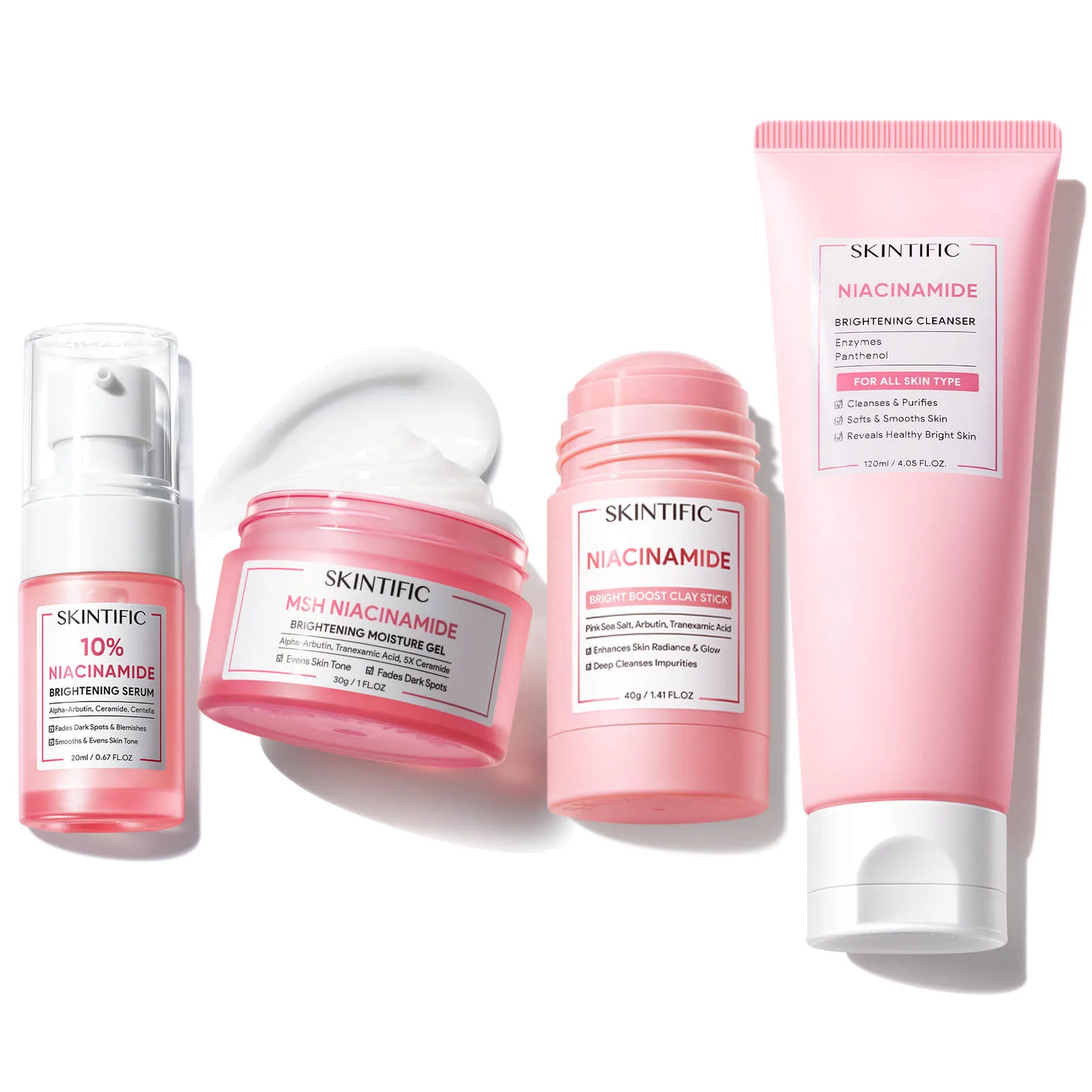
A great cushion foundation works best when paired with a thoughtful skincare routine. For dark skin, incorporating products that address hyperpigmentation and uneven texture can enhance your foundation's performance. Consider adding a brightening serum like the 10% Niacinamide Brightening Serum to your regimen—it helps fade dark spots and evens out skin tone, creating a smoother canvas for makeup.
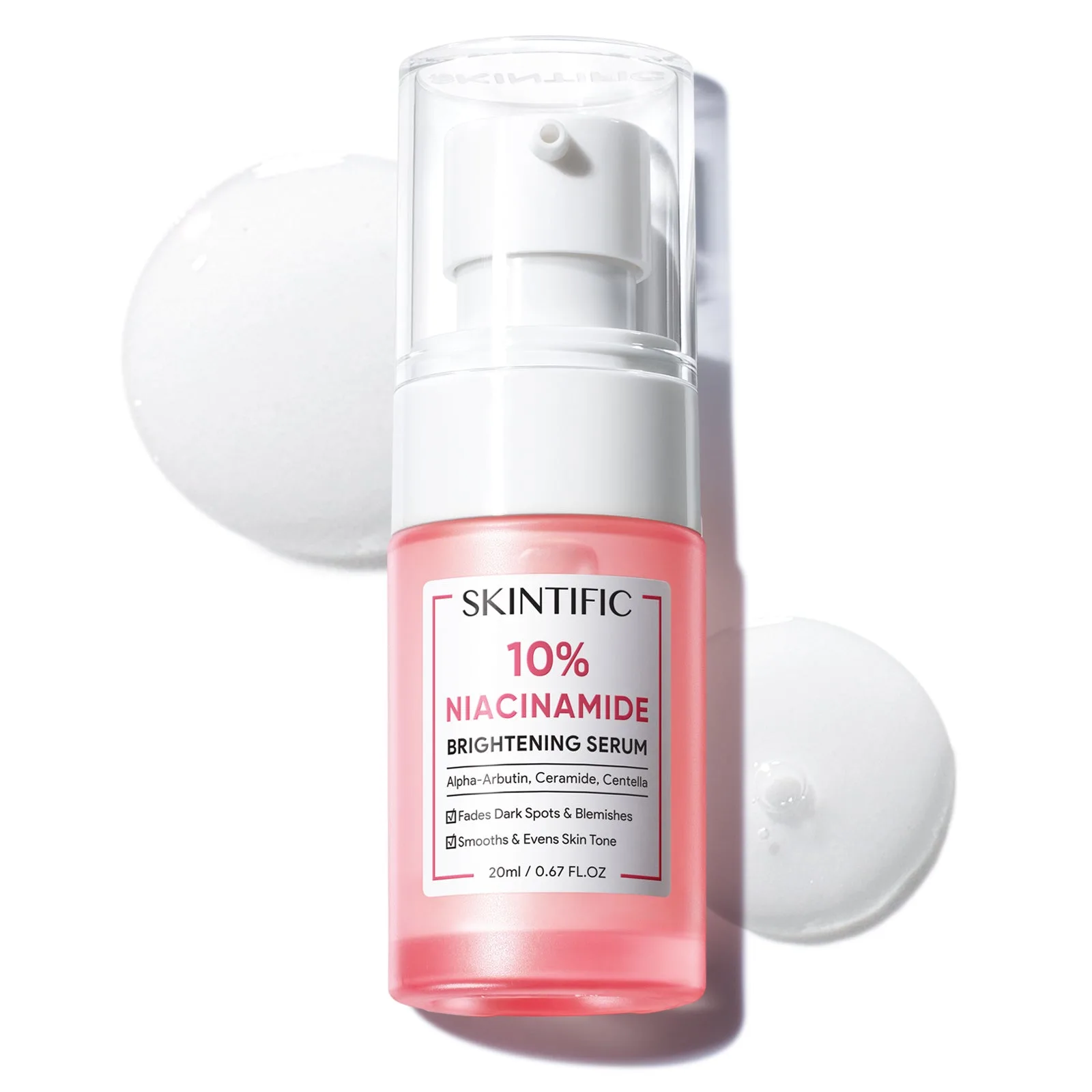
10% Niacinamide Brightening Serum
Similarly, a hydrating serum like the 4D Hyaluronic Acid Hydrating Serum can plump and moisturize the skin, preventing the foundation from settling into fine lines or dry patches. And don't forget your lips—a touch of the https://vibespa.store/products/peptide-brightening-lip-serum-duo-set-111743Peptide Brightening Lip Serum Duo Set can complete your look with a hydrated, plump pout. When your skin is healthy and prepped, your cushion foundation will look even more radiant and natural.
- Exfoliate gently once or twice a week to remove dead skin cells that can cause foundation to look patchy.
- Always remove makeup thoroughly at night to prevent clogged pores and breakouts.
Finding the perfect cushion foundation for dark skin tones is no longer a dream—it's a reality with today's inclusive beauty options. By understanding your undertone, testing shades properly, and choosing formulas with skin-loving ingredients, you can achieve a flawless, glowing complexion that celebrates your unique beauty. Ready to discover your perfect match? Explore the All Day Perfect Serum Foundation for a lightweight, buildable formula that complements deep skin tones beautifully.