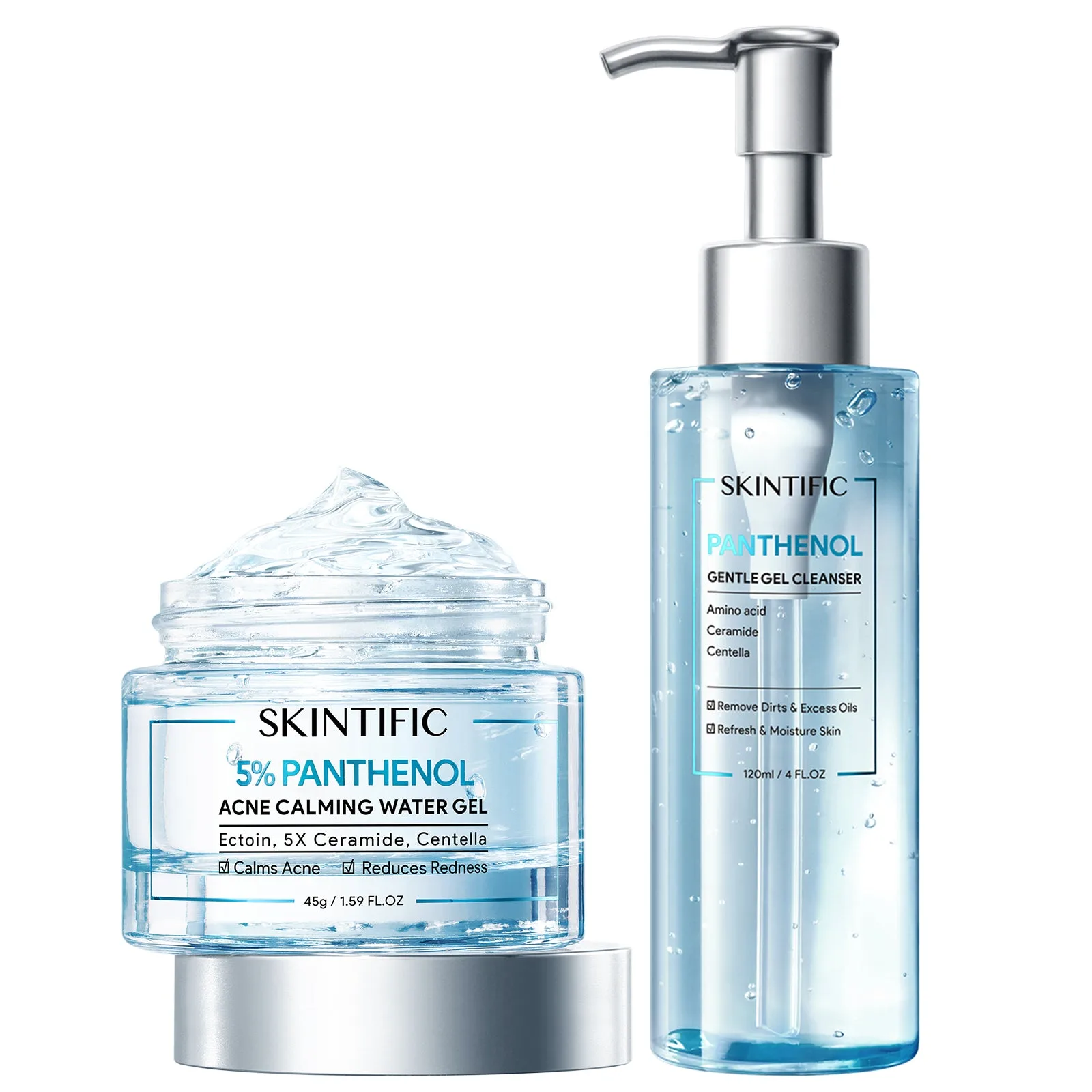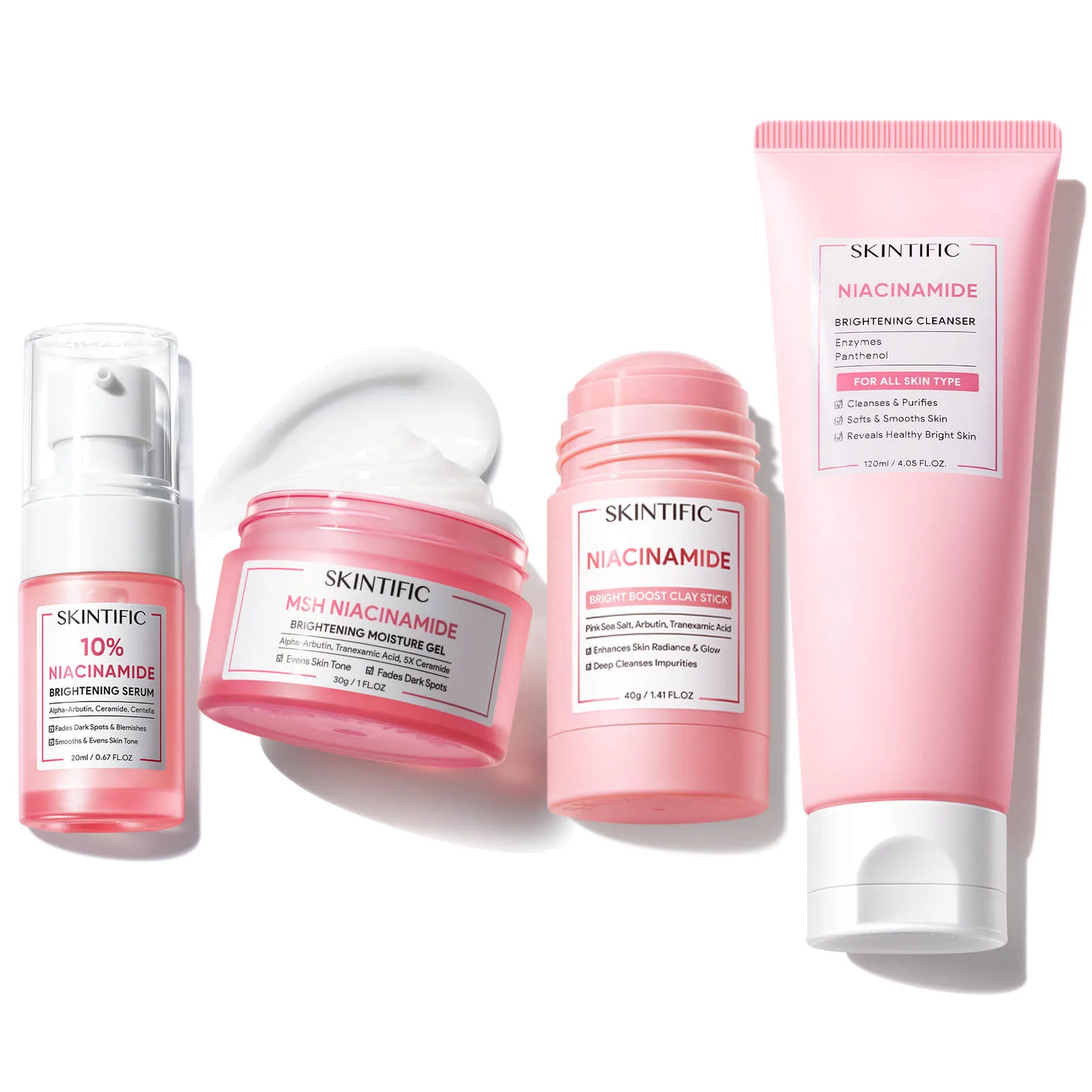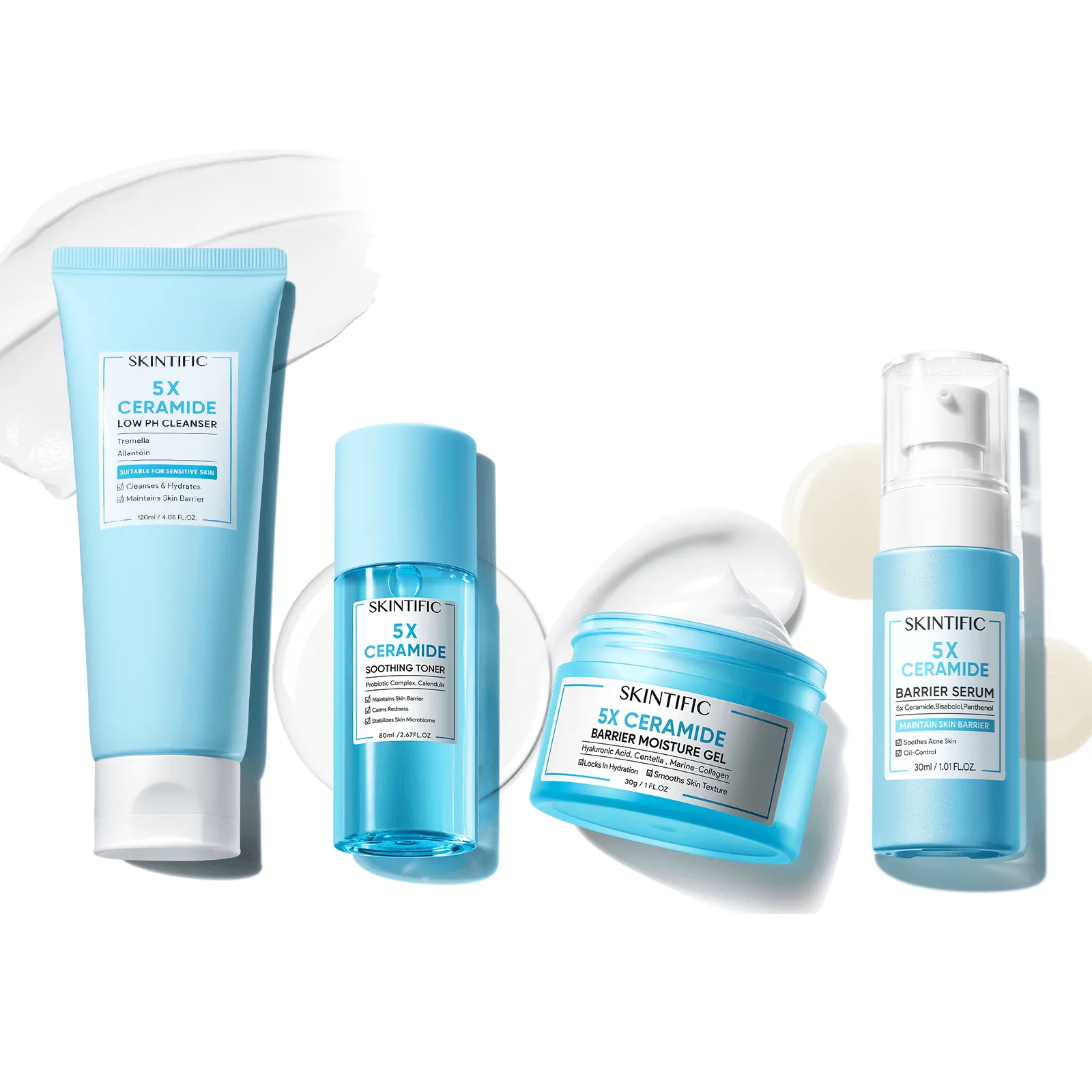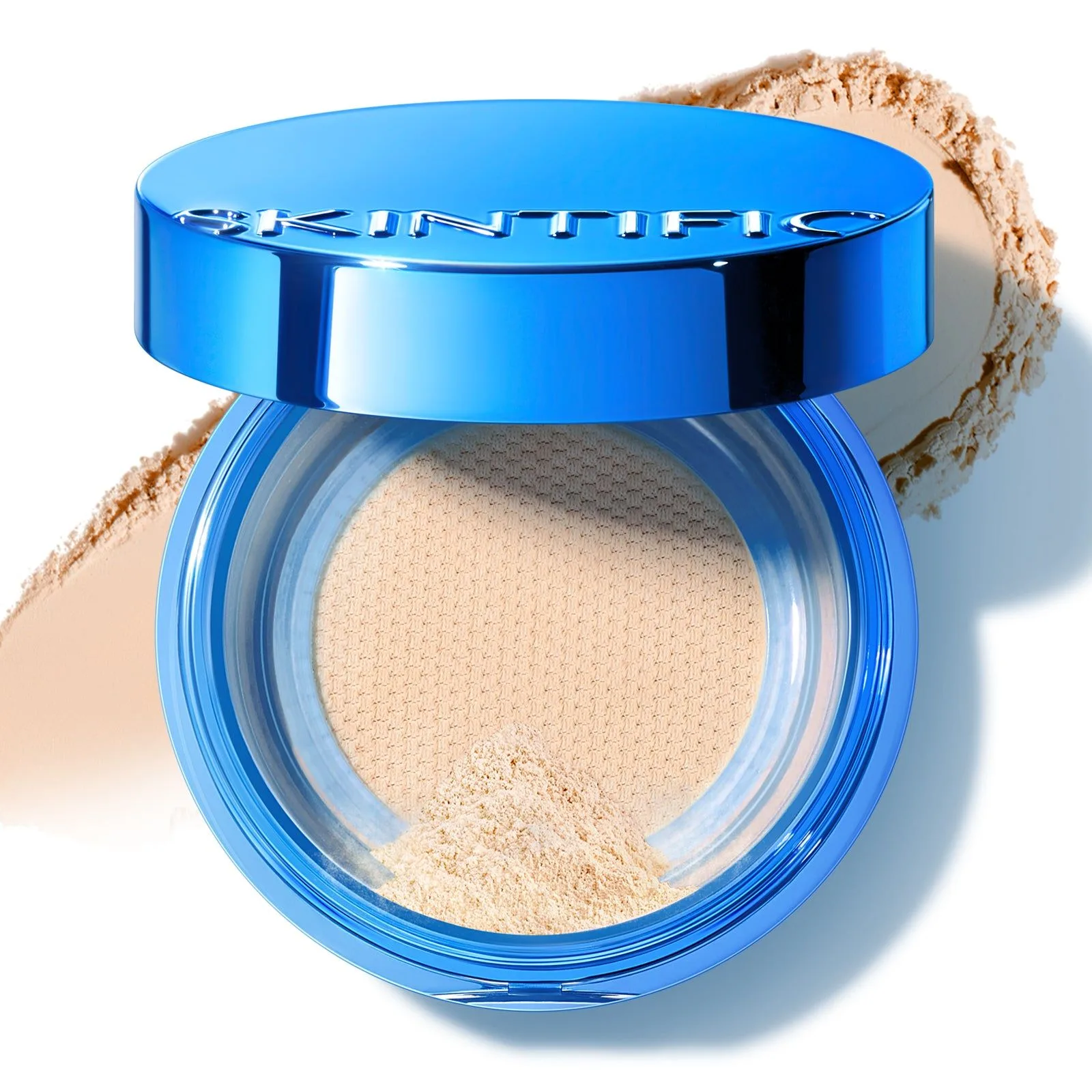
Choosing the right foundation can feel overwhelming, especially when you want something that not only looks flawless but also supports your skin’s health. Two popular options—cushion foundation and mineral foundation—each have loyal fans. But which one is truly healthier for your skin? In this article, we’ll break down the key differences, ingredients, and benefits to help you decide.
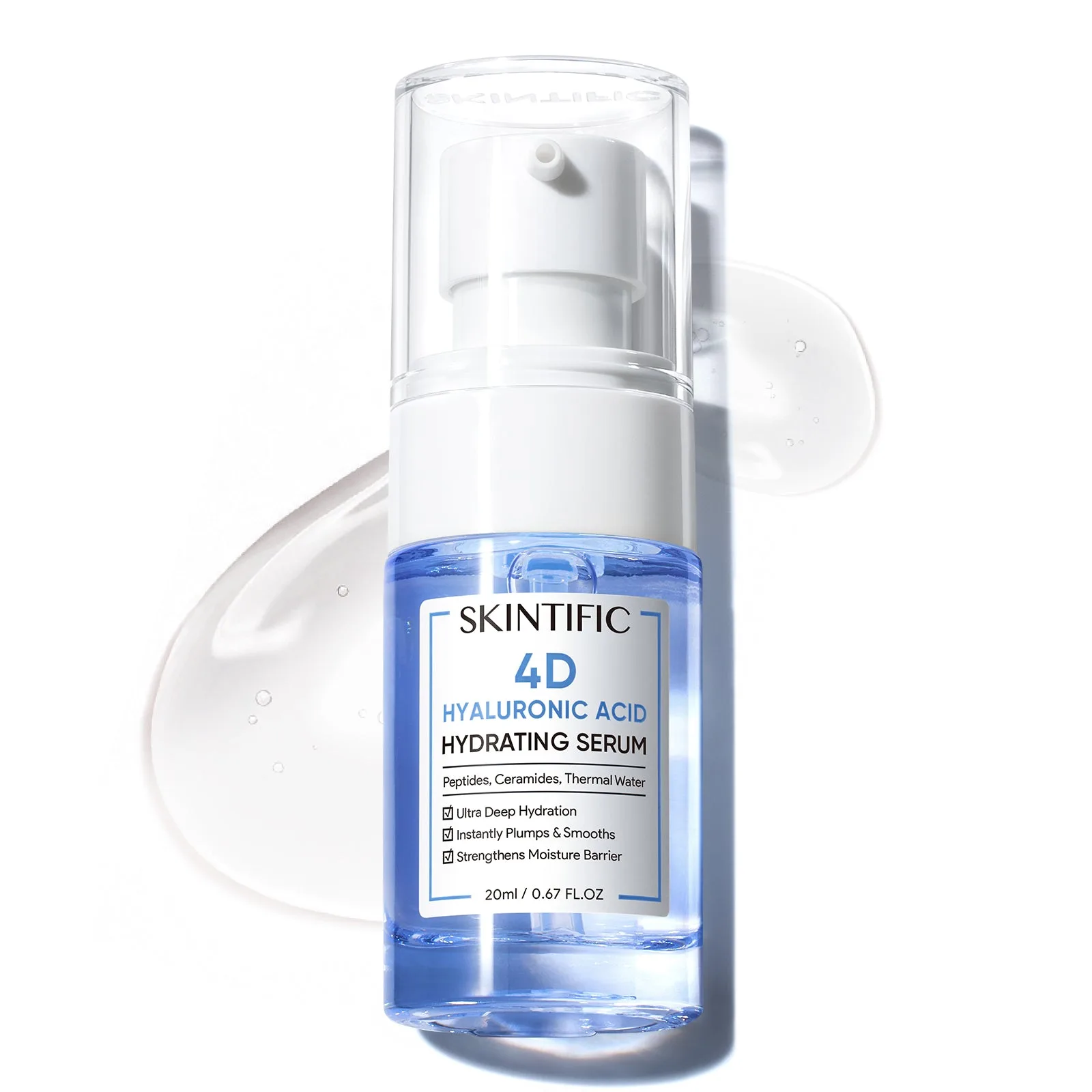
Whether you’re concerned about clogged pores, irritation, or long-term skin health, understanding how these foundations interact with your complexion is essential. We’ll also highlight how modern cushion formulas, like those from SKINTIFIC, are redefining what it means to wear makeup that cares for your skin.
What Is Mineral Foundation?
Mineral foundation is a powder-based makeup made from finely ground minerals like zinc oxide, titanium dioxide, and iron oxides. It’s often marketed as a natural, non-toxic alternative to liquid foundations. Because it contains no oils, preservatives, or synthetic fragrances, it’s a popular choice for sensitive or acne-prone skin. Mineral foundation sits on top of the skin rather than sinking into pores, which can reduce the risk of breakouts.
However, mineral foundation can sometimes look dry or cakey on normal to dry skin types. It also offers limited buildable coverage—typically light to medium—and may not blend as seamlessly as liquid formulas. For those with oily skin, mineral foundation can help absorb excess sebum, but it may emphasize texture or fine lines.
- Contains natural minerals like zinc oxide and titanium dioxide
- Free from oils, preservatives, and synthetic fragrances
- Best for oily or acne-prone skin
- Provides light to medium coverage
- Can appear dry or cakey on dry skin
What Is Cushion Foundation?
Cushion foundation is a liquid foundation housed in a compact with a sponge applicator. It’s designed for easy, on-the-go application and typically contains skincare ingredients like hyaluronic acid, ceramides, and niacinamide. Unlike mineral foundation, cushion formulas offer a dewy or satin finish that hydrates and plumps the skin. They provide buildable coverage from sheer to full, making them versatile for different looks.
The key advantage of cushion foundation is its ability to deliver skincare benefits while covering imperfections. For example, many cushion foundations now include SPF for sun protection and antioxidants to fight environmental damage. The liquid formula blends effortlessly into the skin, creating a natural, second-skin effect that mineral powders often can’t match.
- Liquid formula with skincare ingredients (hyaluronic acid, ceramides, niacinamide)
- Dewy or satin finish for a hydrated look
- Buildable coverage from sheer to full
- Includes SPF in many formulations
- Easy, portable application
Ingredient Comparison: Which Is Safer?
When comparing healthiness, ingredients are the most important factor. Mineral foundation is praised for its minimal ingredient list—often just a few minerals and pigments. This makes it a good option for those with chemical sensitivities. However, some mineral powders contain bismuth oxychloride, which can cause irritation for some users. Always check the label if you have reactive skin.
Cushion foundations, on the other hand, often include active skincare ingredients that benefit the skin barrier. For instance, formulas with ceramides help repair and strengthen the skin’s protective layer, while niacinamide brightens and evens tone. The SKINTIFIC Instant Glow Cushion Foundation, for example, is infused with ceramides and hyaluronic acid to hydrate and soothe. While cushion foundations may contain more ingredients overall, many are now formulated without parabens, sulfates, and phthalates, making them a safe choice for daily wear.
- Mineral foundation: simple ingredients, but may contain bismuth oxychloride (potential irritant)
- Cushion foundation: includes beneficial skincare actives like ceramides and niacinamide
- Both can be non-toxic if free from parabens, sulfates, and phthalates
- Always check ingredient labels for your specific skin concerns
Coverage and Finish: Which Looks More Natural?
Coverage and finish are often deciding factors. Mineral foundation provides a matte, natural finish that can look powdery if not applied correctly. It’s best for those who prefer a lightweight, barely-there feel. However, it may not cover dark spots or redness as effectively as a liquid formula.
Cushion foundation offers a more luminous, skin-like finish. The liquid formula melts into the skin, blurring pores and fine lines without settling into creases. It’s ideal for achieving a healthy glow. For example, the SKINTIFIC Instant Glow Cushion Foundation delivers a radiant finish that looks like your skin but better. If you want a foundation that hydrates and brightens while providing medium to full coverage, cushion foundation is the winner.
- Mineral: matte finish, light coverage, can look powdery
- Cushion: dewy/satin finish, buildable coverage, natural glow
- Cushion is better for dry or mature skin
- Mineral is better for oily skin if you prefer a matte look
Skin Health Benefits: Cushion vs Mineral
Both foundations can be skin-friendly, but they work differently. Mineral foundation is non-comedogenic (won’t clog pores) and is often recommended for acne-prone skin. However, it doesn’t provide hydration or active skin repair. Over time, using only powder can lead to dryness if your skin isn’t properly moisturized underneath.
Cushion foundation, especially those with barrier-repairing ingredients like ceramides, actively improves skin health. The SKINTIFIC Instant Glow Cushion Foundation is a great example—it’s formulated to hydrate, soothe, and protect the skin barrier while providing coverage. This makes it a healthier choice for long-term wear, as it supports your skin rather than just covering it. For those with sensitive or dry skin, cushion foundation is generally more beneficial.
- Mineral: non-comedogenic, good for acne-prone skin, no active skincare benefits
- Cushion: hydrates, repairs barrier, includes antioxidants and SPF
- Cushion is better for sensitive, dry, or aging skin
- Mineral may be better for very oily skin if you avoid liquid textures
How to Choose the Right Foundation for Your Skin Type
If you have oily or acne-prone skin, mineral foundation might be your go-to because it absorbs oil and doesn’t add extra moisture. However, if you want to control shine while still getting skincare benefits, look for a cushion foundation with mattifying ingredients like niacinamide. The SKINTIFIC Instant Glow Cushion Foundation works well for combination skin, balancing hydration and oil control.
For dry or mature skin, cushion foundation is the clear winner. The hydrating formula prevents flakiness and gives a youthful glow. Mineral foundation can emphasize dry patches and fine lines. If you have sensitive skin, both options can work—just choose a mineral formula without bismuth oxychloride or a cushion foundation with soothing ingredients like ceramides. Always patch test new products to ensure compatibility.
- Oily/acne-prone skin: mineral foundation or mattifying cushion
- Dry/mature skin: cushion foundation with hyaluronic acid and ceramides
- Sensitive skin: mineral without irritants or cushion with soothing ingredients
- Combination skin: cushion foundation with balanced hydration
Ultimately, both cushion and mineral foundations have their place in a healthy makeup routine. If you prioritize skincare benefits, hydration, and a natural glow, cushion foundation is the healthier choice for most skin types. The SKINTIFIC Instant Glow Cushion Foundation combines flawless coverage with barrier-repairing ingredients, making it a standout option for anyone seeking a skin-friendly foundation. Explore our collection to find the perfect match for your skin’s needs.