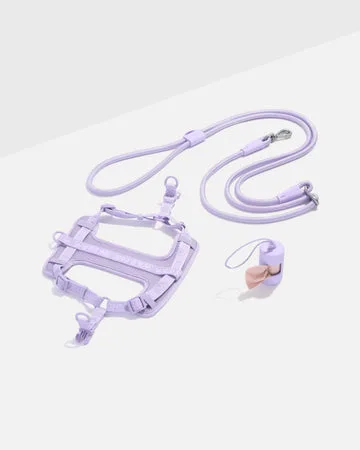
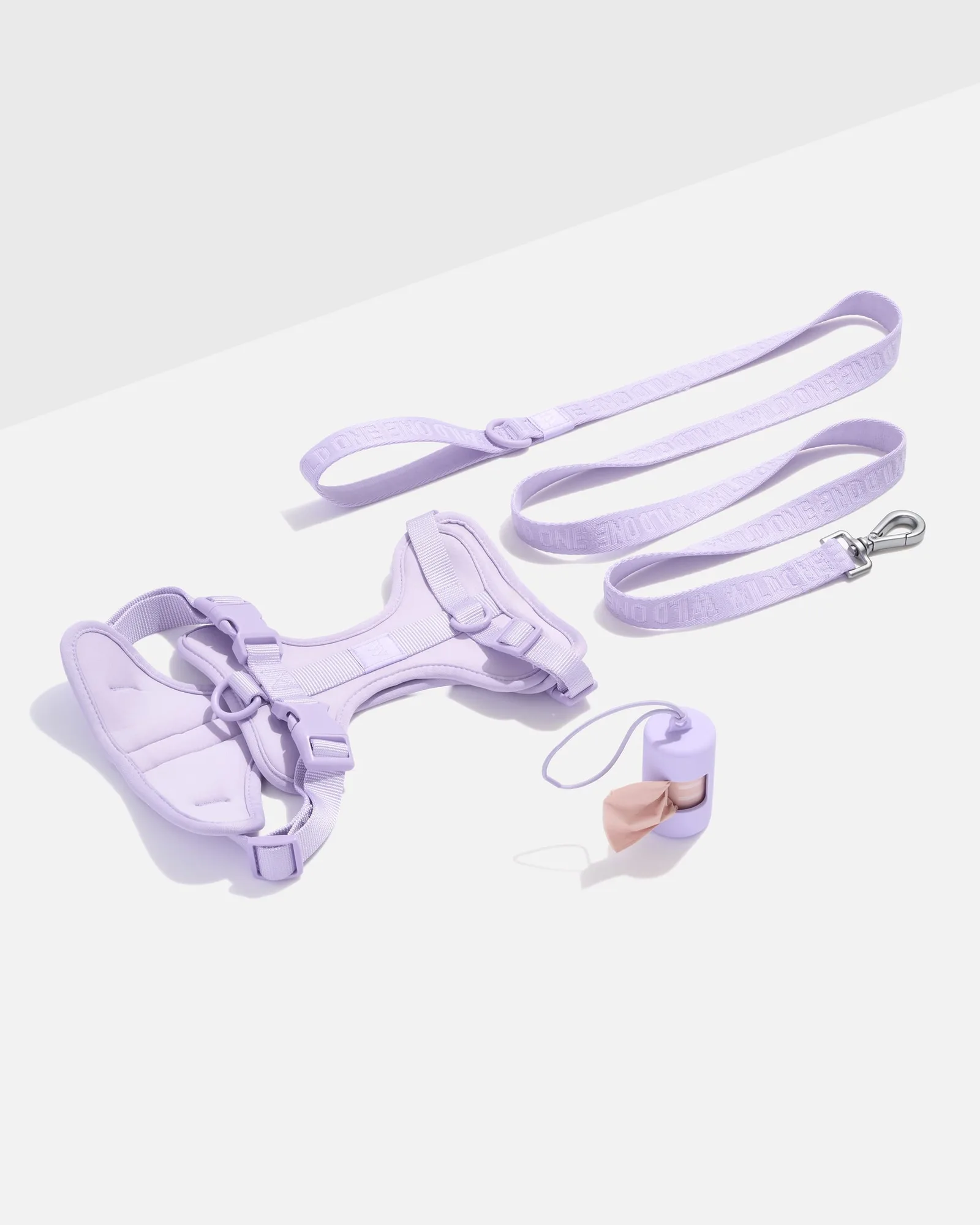
Walking your dog should be a pleasant bonding experience, not a battle of tug-of-war. If you’re tired of sore hands, pulling pups, and tangled leashes, a cushioned harness paired with a hands-free rope leash might be the upgrade you need. This combo is designed to distribute pressure evenly, reduce strain on your dog’s neck, and free up your hands for coffee, phone calls, or just enjoying the stroll.
In this review, we’ll dive into the benefits of a cushioned harness and hands-free leash kit, what to look for when choosing one, and how to get the most out of your walks. Whether you have a energetic puppy or a senior dog, this gear can transform your daily routine.
What Is a Cushioned Harness and Hands-Free Leash Kit?
A cushioned harness is a type of dog harness with extra padding around the chest and shoulders. This padding helps distribute the force of pulling across a larger area, reducing pressure points and preventing chafing. Unlike traditional collars, which can strain the neck, a well-fitted harness gives you better control and protects your dog’s trachea.
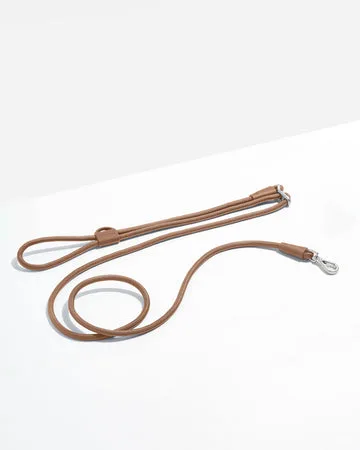
A hands-free leash is designed to be worn around your waist or across your body, leaving your hands free. When paired with a rope leash, you get durability and a comfortable grip. The combination creates a 'walk kit' that many dog owners find essential for active lifestyles, jogging, or training.
- Look for a harness with adjustable straps to ensure a snug, comfortable fit.
- Choose a leash with a padded waist belt for extra comfort during long walks.
Key Benefits of Using a Cushioned Harness
The primary benefit of a cushioned harness is comfort. The padding prevents the harness from digging into your dog’s skin, especially for breeds with short coats or sensitive skin. It also reduces the risk of injury from sudden pulls, making it safer for both you and your pet.
Another advantage is better control. A harness gives you a secure hold on your dog’s body, which is particularly helpful for strong pullers or dogs that tend to lunge. With a cushioned harness, you can guide your dog gently without causing discomfort, making walks more enjoyable for everyone.
- Ideal for dogs with respiratory issues or those prone to tracheal collapse.
- Helps in training by discouraging pulling without causing pain.
Why Choose a Hands-Free Rope Leash?
Hands-free leashes are a game-changer for multitaskers. Whether you’re jogging, pushing a stroller, or carrying groceries, a hands-free leash keeps your dog securely by your side without tying up your hands. The rope material is typically strong, weather-resistant, and easy to clean.
The convenience extends to training as well. With your hands free, you can easily reward your dog with treats or use hand signals. This makes the leash a valuable tool for reinforcing good behavior. Plus, the waist belt distributes the pulling force across your body, reducing strain on your arms and back.
- Great for running or hiking, as it allows natural arm movement.
- Some models include a quick-release buckle for safety.
What to Look for in a Harness Leash Combo
When shopping for a harness leash combo, consider the material and construction. A durable nylon or rope leash with reinforced stitching will last longer. The harness should have breathable padding, especially for warm climates. Adjustability is crucial to ensure a perfect fit as your dog moves.
Also, check the attachment points. A front-clip harness can help discourage pulling, while a back-clip is better for casual walks. The leash should have a sturdy clasp that won’t accidentally detach. Some kits come with reflective stitching for visibility during early morning or evening walks.
- Measure your dog’s chest and neck before purchasing to ensure the right size.
- Look for a leash with a padded handle if you prefer to hold it sometimes.
How to Get the Most Out of Your Walk Kit
Start by introducing the harness gradually. Let your dog sniff it and reward them with treats for calm behavior. Once they’re comfortable, adjust the straps to fit snugly but not too tight. You should be able to fit two fingers between the harness and your dog’s body.
When using a hands-free leash, attach it securely to the waist belt and keep the leash short enough to maintain control but long enough for your dog to explore. Practice walking in a distraction-free area first. Over time, your dog will associate the harness with positive experiences.
- Use a front-clip harness for training to reduce pulling.
- Always supervise your dog when wearing a harness to prevent chewing.
A cushioned harness and hands-free rope leash walk kit is a worthwhile investment for any dog owner. It enhances comfort, control, and convenience, making walks more enjoyable for both of you. Whether you’re a seasoned hiker or a casual walker, this combo can improve your daily routine. Check out the Dog Toy Kit for additional enrichment, or explore other walking essentials to complete your gear.
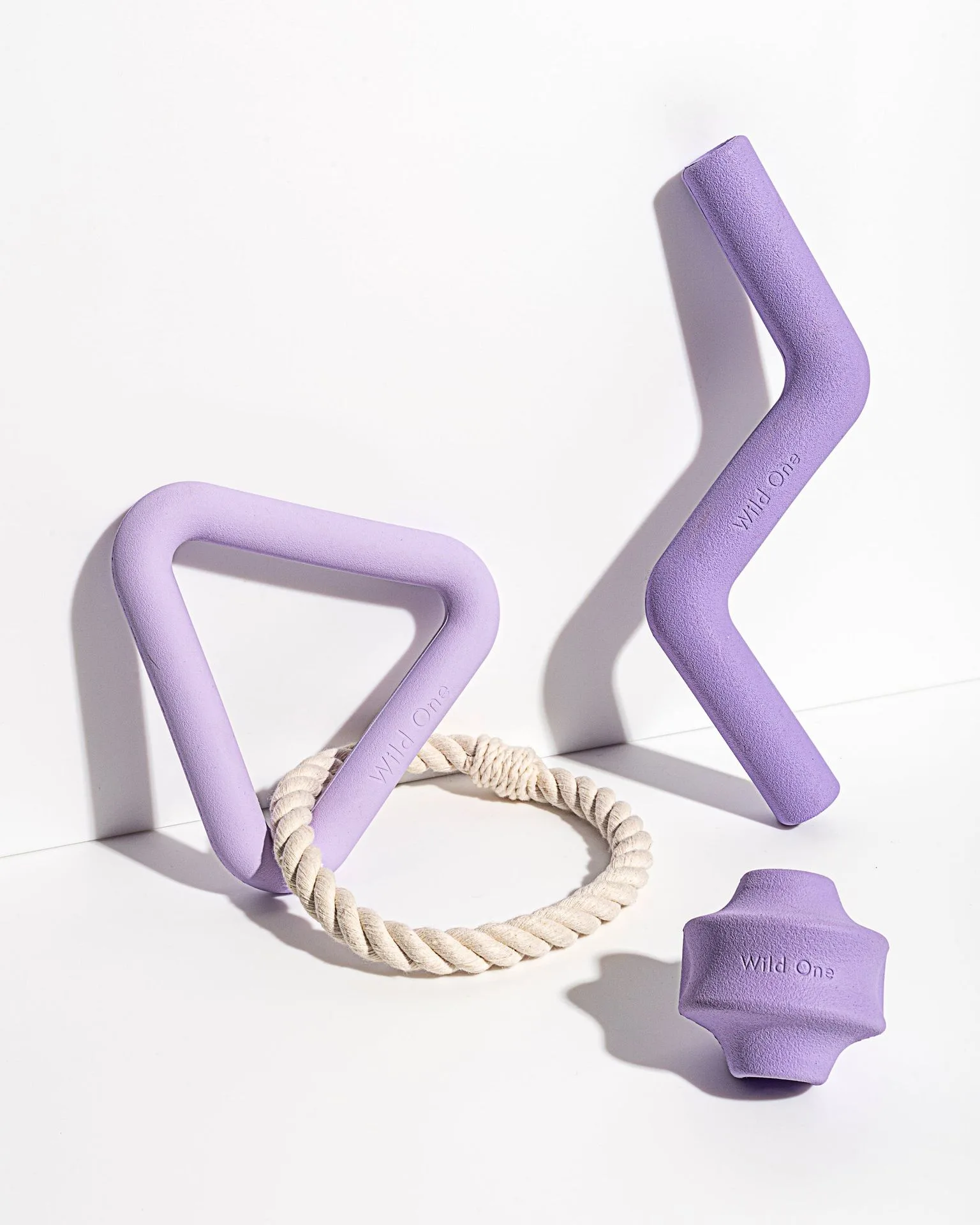
Dog Toy Kit