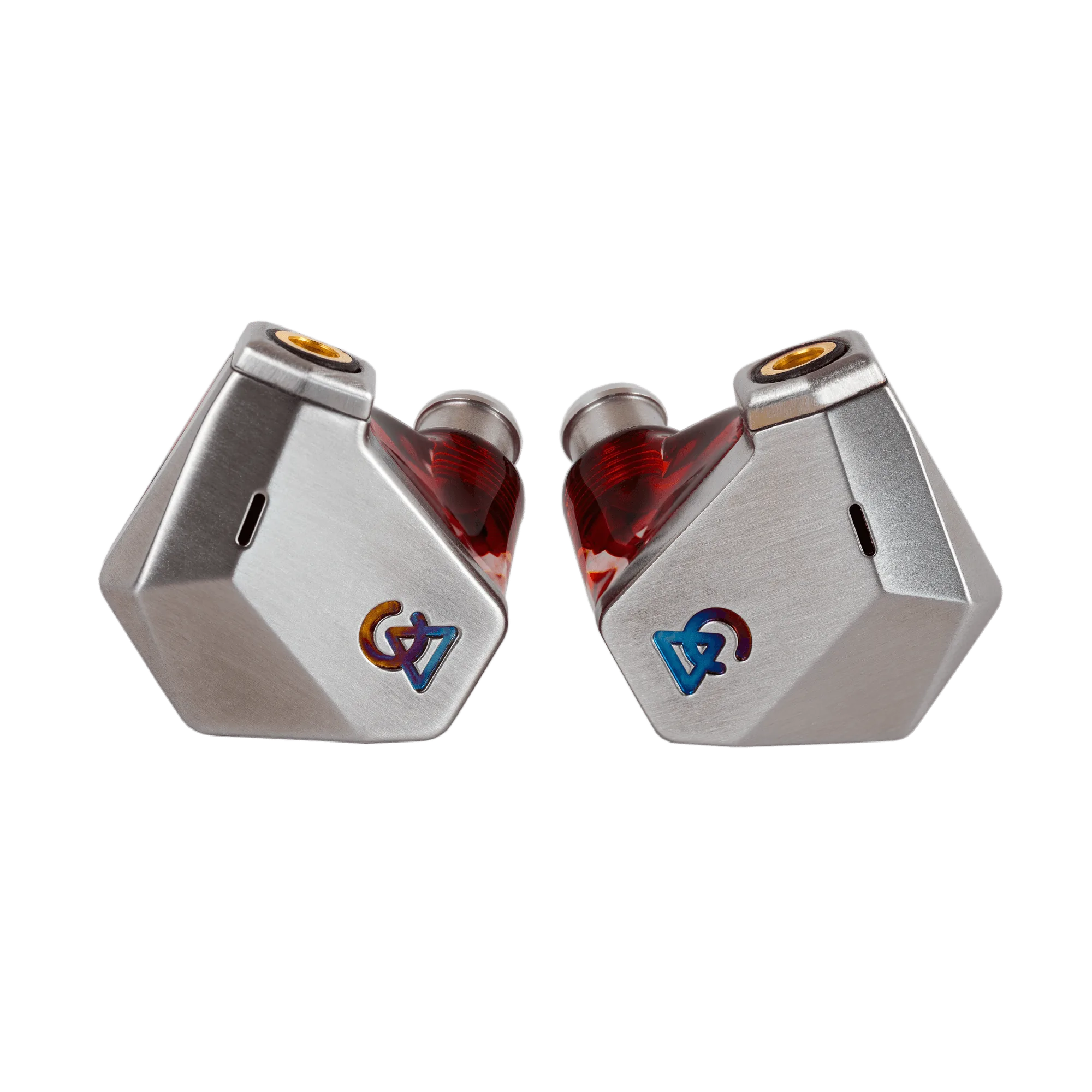
Quick answer
If you want the broadest model choice, easy resale, and no impression appointment, a universal Campfire Audio IEM is the practical pick. If you prioritize a sealed, repeatable fit for long sessions and are ready for the impression and build process, custom-fit is worth it. Most listeners should start with a universal model, then go custom only after confirming their preferred sound signature.
Custom-fit and universal IEMs are two answers to the same question: how do you get a reliable seal and a comfortable listen? Universal models like the Campfire Audio Supermoon and Grand Luna use a one-size shell with interchangeable eartips. Custom-fit models are built from ear impressions so the shell matches your ear canal.
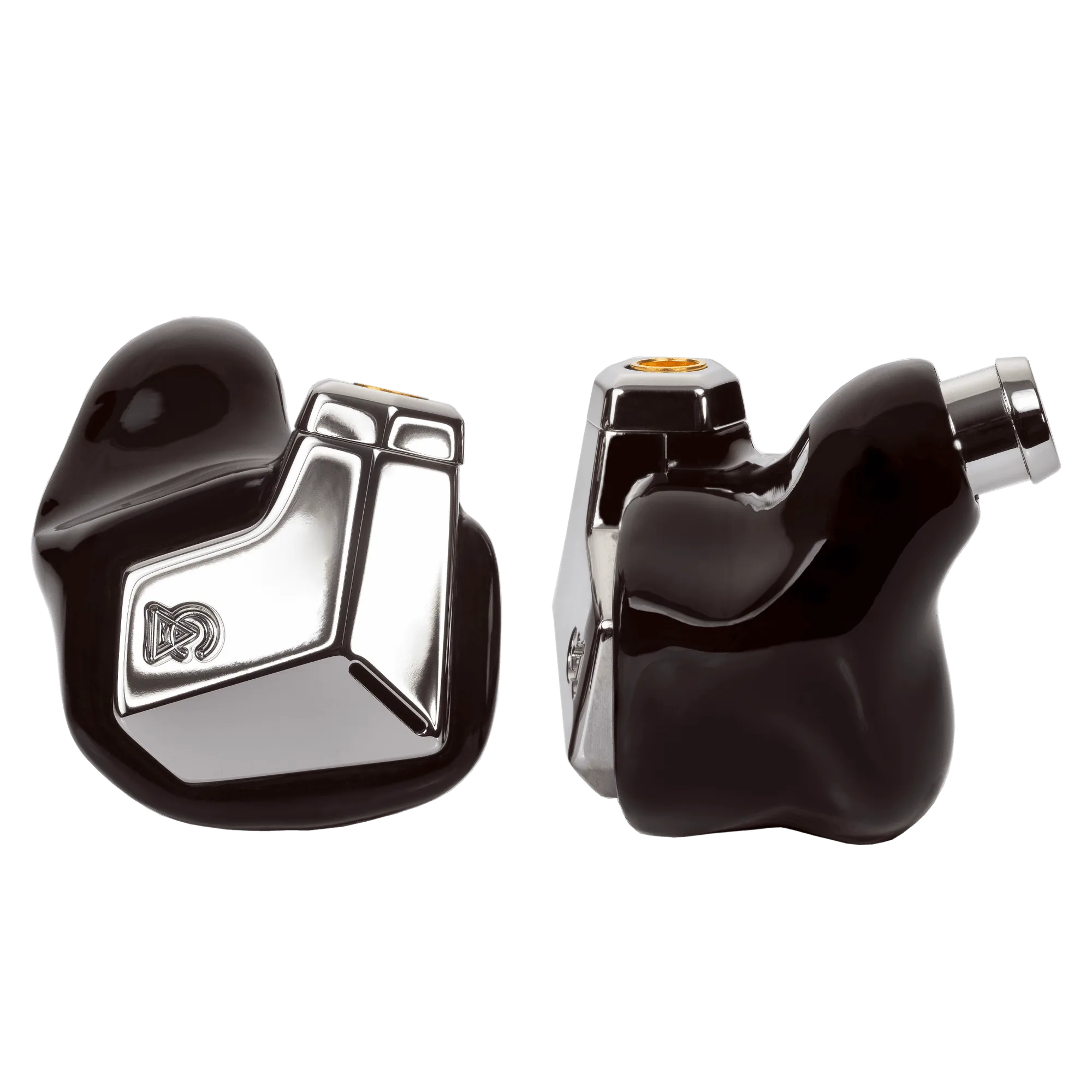
Supermoon
The decision is less about sound quality and more about workflow. Universal IEMs are ready to ship, easy to swap between devices, and simple to lend or resell. Custom in ear monitors for audiophiles trade that flexibility for a fit that stays put during movement, long sessions, and noisy commutes. The right answer depends on how you listen, not on which option sounds more premium.
What actually differs between custom-fit and universal IEMs
The shell is the main difference. A universal IEM uses a fixed housing and relies on eartips to bridge the gap to your ear canal. A custom-fit IEM is molded to an impression of your ear, so the housing itself creates the seal. That changes insertion depth, isolation consistency, and how the IEM feels after two hours.
Driver technology is independent of fit. A universal model can use a planar magnetic driver, a hybrid array, or balanced armatures, and so can a custom. Campfire Audio's universal lineup spans the 14mm planar magnetic driver in Supermoon, the planar-balanced armature hybrid in Grand Luna, and the ten balanced armature configuration in https://campfireaudiotg.com/products/andromeda-10-se-black-400614ae2c7f7f2ddfa791f0-1411484Andromeda 10 Launch Edition. Fit and driver design are separate decisions you can make in either order.
- Judge fit first, then tuning: an uncomfortable IEM you love on paper rarely gets used.
- Universal shells vary in size, so a deep-fit tip can change isolation as much as a custom shell.
Where universal IEMs win
Universal IEMs are the lower-friction path. You order, they arrive, you try tips until the seal feels right. There is no impression appointment, no waiting on a build, and no risk that a refit is needed. If your ear canals differ in size or shape, you can use different tips on each side, which is harder to do with a single custom mold.
They also hold value in a different way. You can sell or trade a universal IEM when your taste changes, and you can share it with a partner or bandmate. Models like Axion go further by adding USB-C connectivity, a built-in DAC, and an in-line microphone, so the same earphone handles calls and media playback without a separate dongle.
- Keep a small tip kit: silicone, foam, and wide-bore options each change seal and treble balance.
- If one ear seals easily and the other does not, try a different tip size per side before blaming the IEM.
Where custom-fit earns its cost
A custom shell removes the tip variable. The seal is repeatable because the housing only fits one way, which helps in loud environments and during movement. For performers, engineers, and anyone wearing IEMs for hours, that consistency is the point. You are not re-seating tips every time you turn your head.
The trade-off is process. Custom in ear monitors for audiophiles require ear impressions, usually from an audiologist, and a build period. If your weight changes or your impressions were taken poorly, the fit can drift or need a refit. You also cannot easily resell a custom shell, and it will not fit anyone else.
- Get impressions from an audiologist who works with IEMs, not a general clinic visit.
- Ask for a copy of your impression files so a future rebuild does not require a second appointment.
Matching Campfire Audio models to the decision
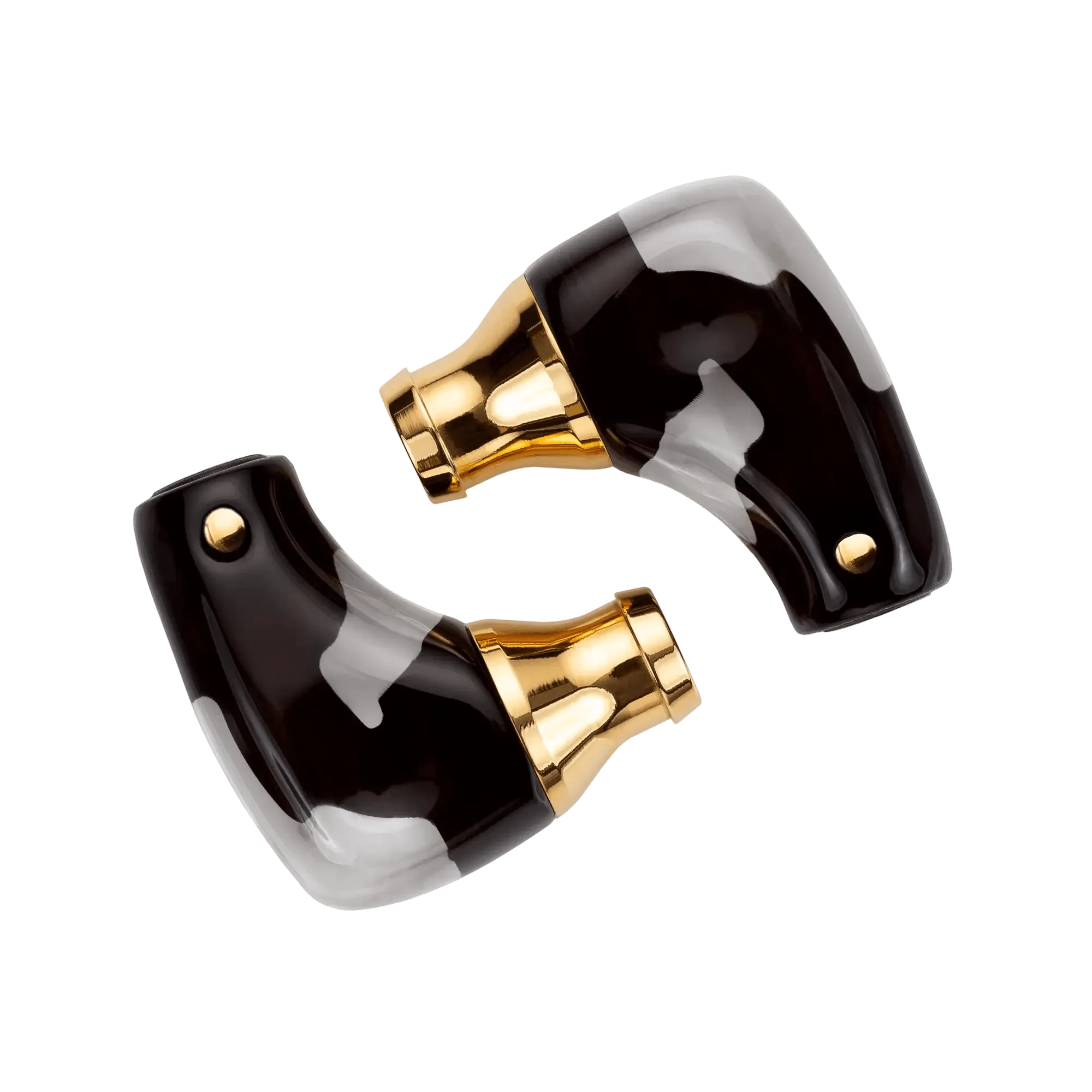
If you are staying universal, the lineup gives you clear sonic lanes. Supermoon uses a custom 14mm planar magnetic driver that Campfire describes as versatile and fast, aimed at listeners with diverse tastes. Grand Luna is the first Campfire planar-balanced armature hybrid, pairing a next-gen 14mm planar magnetic driver with two high-frequency focused balanced armatures, and its internally dyed, externally transparent shell shows the driver housing and routing.
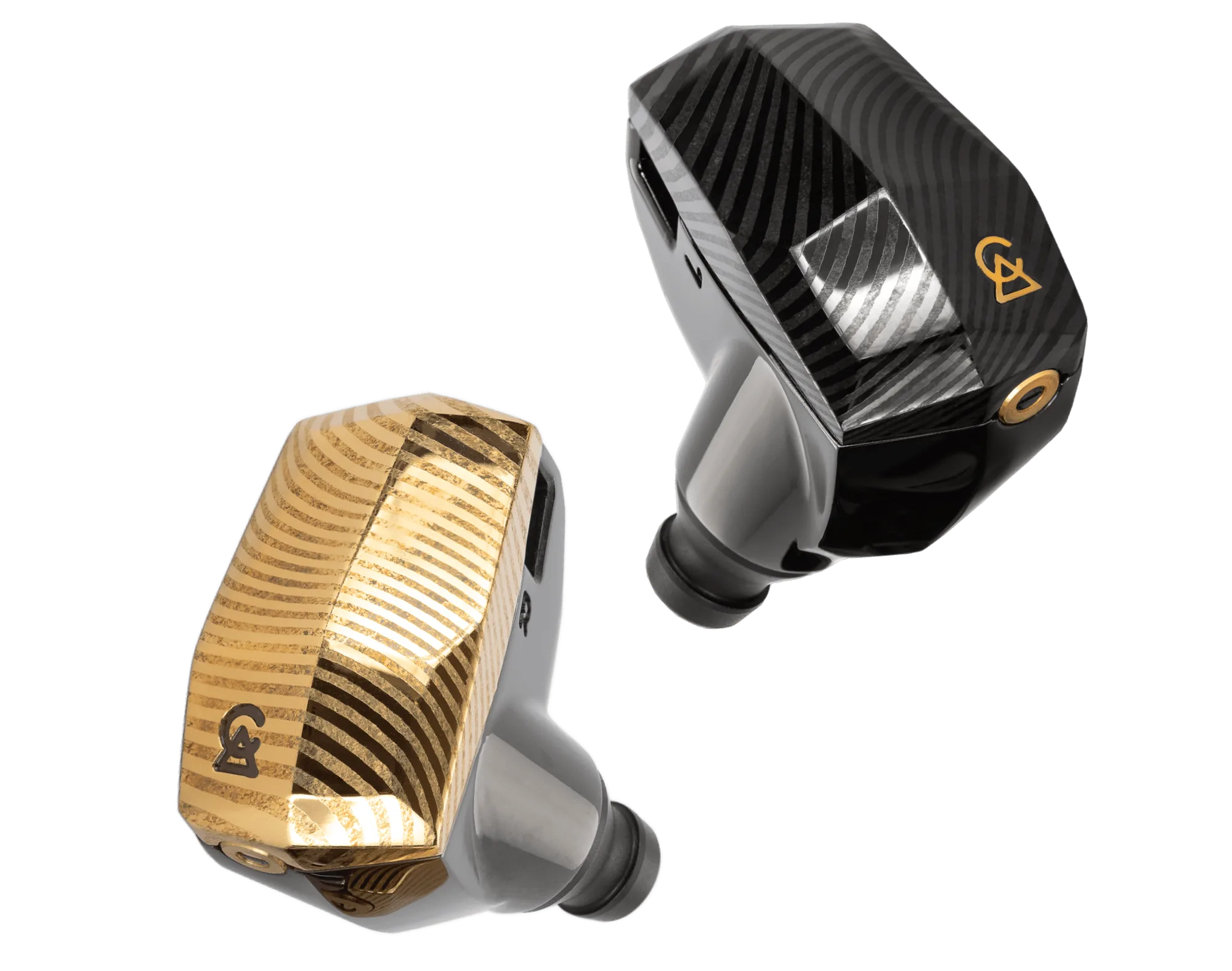
If you want a warmer take on a classic, Andromeda 'Emerald Sea' revises the original with updated balanced armatures and a fully re-engineered housing. For a ten-driver flagship, Andromeda 10 Launch Edition uses ten balanced armatures split 4x low, 4x mid, and 2x high in a PVD black stainless steel housing with a real Damascus steel lid. Clara, developed with Alessandro Cortini, is a hybrid with a Dual Magnet dynamic driver for lows, a dual-diaphragm balanced armature for mids, and two high-dedicated super tweeters.
- Pick the tuning you want in a universal shell first, then decide whether to commission a custom version.
- Limited editions like Andromeda 10 Launch Edition are capped at under 225 units per finish, so availability moves.
How to test before you commit
Give any universal IEM at least a week of real use before deciding on custom. Listen on commutes, at a desk, and while walking. Note where the seal breaks and whether you are constantly adjusting. If a tip change fixes it, you may not need a custom shell at all.
If you still struggle, document what fails: pressure points, one-sided seal loss, or fatigue after an hour. That record helps an audiologist take impressions that address your actual problem rather than a generic mold. It also tells you whether the issue is the shell or simply the tip.
- Log fit issues for a week before booking impressions.
- Test the same track across tips so you compare seal, not just tone.
Trade-offs to weigh before you choose
- Seal consistency: Custom shells seal the same way every time because they only fit one way. Universal IEMs depend on tip choice, insertion depth, and how your ear canal changes through the day. If you re-seat your IEMs constantly, custom has the edge.
- Flexibility and resale: Universal models can be re-tipped, shared, sold, or moved between devices. A custom shell fits one person and cannot be resold. Choose universal if your gear rotates often.
- Time and process: Custom requires ear impressions, a build period, and possible refits. Universal arrives ready to use with no appointment. Choose custom only if you will commit to the process.
- Driver choice is separate: Planar magnetic, hybrid, and balanced armature designs exist in both fit types, so fit does not limit which Campfire tuning you can pursue. Decide fit and tuning independently.
Campfire Audio models at a glance
- Supermoon: Custom 14mm planar magnetic driver described as versatile and fast, aimed at listeners with diverse musical tastes. A strong universal starting point if you want one earphone that handles many genres before deciding on a custom shell.
- Grand Luna - Planar Hybrid IEM: Campfire's first planar-balanced armature hybrid, with a next-gen 14mm planar magnetic driver and two high-frequency focused balanced armatures, in an internally dyed, externally transparent shell. Suits listeners who want planar speed plus added high-frequency detail, and who like seeing the internal driver layout.
- Andromeda 'Emerald Sea': A top-to-bottom revision of a Campfire classic with updated balanced armatures and a fully re-engineered housing, adding a warm analog glow to a crisp, detailed signature. A good universal pick if you want the familiar Andromeda character with a warmer tilt and a redesigned shell.
- Andromeda 10 Launch Edition: Ten balanced armatures (4x low, 4x mid, 2x high) in a PVD black stainless steel housing with a real Damascus steel lid, limited to under 225 units per finish. The flagship universal option for listeners who want maximum driver count and a collectible build, with limited availability.
Which path fits you
Best for
- Listeners who want to try several tunings before committing, and value resale or sharing.
- Commuters and desk listeners who get a reliable seal from standard eartips.
- Buyers who want plug-and-play options like Axion with USB-C and a built-in DAC.
Not for
- Performers and engineers who need a repeatable seal during movement and long sessions.
- Listeners whose ear canals make universal tips uncomfortable no matter the size.
- Anyone unwilling to book ear impressions and wait through a build and possible refit.
Start universal unless you already know a fixed shell will not stay sealed. Pick the Campfire Audio tuning you actually enjoy, live with it for a few weeks, and let that experience tell you whether custom-fit is worth the extra process.