Quick answer
Choose custom fit IEMs if you wear in-ears for long sessions, need maximum isolation, or have struggled to keep universal tips sealed and comfortable. Choose universal IEMs if you want to compare tunings, share with others, resell later, or keep the upfront cost lower. Most listeners are best served by starting with a universal model, then moving to custom once they know their preferred sound and fit.
The custom fit vs universal IEM decision usually comes down to three things: how long you listen, how much isolation you need, and whether you want to try more than one sound signature. Custom shells are molded to your ears; universals use interchangeable tips. That single difference drives comfort, cost, resale value, and how easy it is to change your mind later.
This guide gives you concrete decision rules rather than a single verdict. It also covers the fit details that actually predict whether an IEM will work for you day after day, and where each format makes sense in a real listening routine.
How custom fit and universal IEMs actually differ
Custom in-ear monitors are built from impressions of your ears, so the shell fills the contours of your ear canal and outer ear. That usually means more contact area and a more consistent seal, which helps with isolation and long-wear comfort. Universals use a one-size housing plus silicone, foam, or hybrid tips, so the seal depends on tip choice and insertion depth. A good tip can get you close, but it will not match a shell made for your ears.
The practical trade-off is flexibility. Universals let you swap tips, try different sources, and compare models before committing. Customs lock in one fit and one shell, but they typically deliver the best fit for that specific pair of ears. Neither is universally better; the right choice depends on how you listen and how often.
- If you listen in noisy places, prioritize isolation first, then tuning.
- If you listen in short bursts, universal tips are usually enough.
- If you have asymmetric ears, custom shells solve a common frustration.
Fit guidance: what actually predicts a good seal
For universals, the tip is the fit. Start with the size that seals without pressure, then adjust material: silicone tends to be easy to insert and clean, while foam can seal more deeply but wears faster. Insertion depth matters too. A shallow fit often leaks bass and lets noise in; a slightly deeper fit usually improves both. If you feel pressure or itching after 20 minutes, the tip or size is wrong, not the IEM.
For customs, the impression is the fit. Clean ears, an open mouth position, and a technician who checks the impression before it sets all reduce the chance of a loose or painful shell. Expect a short adjustment period while your ears get used to the shell. If a custom feels loose, painful, or loses seal when you move your jaw, that is a fit issue worth addressing rather than something to tolerate.
- Test universals with your head turned and jaw moving; a seal that breaks during normal movement will annoy you later.
- Give any new fit a few days of short sessions before judging comfort.
- Keep spare tips in your case; a fresh tip can restore a seal that has degraded.
Universal IEM pros and cons
Universals are the lower-risk entry point. They cost less upfront, arrive quickly, and can be returned or resold more easily than a custom-molded product. They are also shareable, which matters if more than one person uses the same pair, and they let you compare tunings before you commit to a house sound. If you are still figuring out whether you prefer a neutral or a warmer low end, universals let you experiment.
The downsides are fit variability and isolation limits. No single tip works for every ear, and you may need to try several sizes or materials to get a reliable seal. Isolation is usually good but rarely matches a well-made custom. Universals also tend to move slightly during heavy activity, so you may need to reseat them between songs or during a workout.
- Best for listeners who want to try before they commit.
- Best for shared use and quick replacement.
- Plan to spend a little time and money finding the right tips.
Custom fit IEM pros and cons
Customs are the long-game choice. Once the shell fits, comfort and isolation tend to be more consistent across long sessions, and the seal is less likely to break when you move. That makes them appealing for stage use, commuting in loud environments, and anyone who wears in-ears for hours. Because the shell is made for you, you are less dependent on tip rolling to get a usable result.
The trade-offs are commitment and turnaround. Custom orders are typically final, take weeks to build, and cannot be shared or easily resold. If your ears change or your fit needs adjustment, that is an extra step. Customs also make more sense after you know the sound you want, since you are less likely to cycle through models once you have committed to a shell.
- Best for long, frequent listening sessions.
- Best when isolation and a stable seal are priorities.
- Accept that the order is a commitment, not a trial.
A practical way to decide
If you are new to in-ears, start universal. Learn what tip size and material works for you, and note whether you prefer a brighter or warmer balance. That experience makes a custom order much more likely to succeed, because you already know your fit and your sound preference. If you already own a universal you like and you keep reaching for it, that is a strong signal a custom version is worth it.
If you perform, monitor in loud rooms, or wear in-ears for most of the workday, customs usually justify the commitment. If your listening is casual, occasional, or shared, universals remain the more sensible buy. There is no rule that says you must choose one forever; many listeners keep both, using universals for travel and customs for focused listening.
- New to IEMs: buy universal, learn your fit, then consider custom.
- Frequent long sessions: custom is usually the better long-term value.
- Shared or casual use: stay universal.
Decision rules for custom vs universal
- Rule 1: Match the format to your session length: If you wear in-ears for more than about two hours at a time, or most days, custom fit is usually worth the commitment. If sessions are short and occasional, universal tips are simpler and cheaper. Long and frequent listening points to custom; short and casual points to universal.
- Rule 2: Isolation needs decide more than sound: If you listen on planes, trains, or in loud rooms, prioritize the format that seals best for you. Custom shells usually isolate more consistently, while universals depend on getting the right tip and depth. If noise is the main problem, fix the seal before you upgrade the driver.
- Rule 3: Commitment level sets the order: Custom orders are typically final and take weeks to build, and some builds can fail and require a new block choice or cancellation. Buy universal first if you are still comparing tunings or want to resell later. Only order custom once you know your fit and your preferred sound.
- Rule 4: Check what you already own: If you already own a Noble Classic model, your existing cable may carry over, which lowers the cost of adding a custom pair. If you are starting from nothing, budget for the IEM plus tips or a cable as needed. Reuse what you have before buying accessories you may not need.
Product facts that matter for this decision
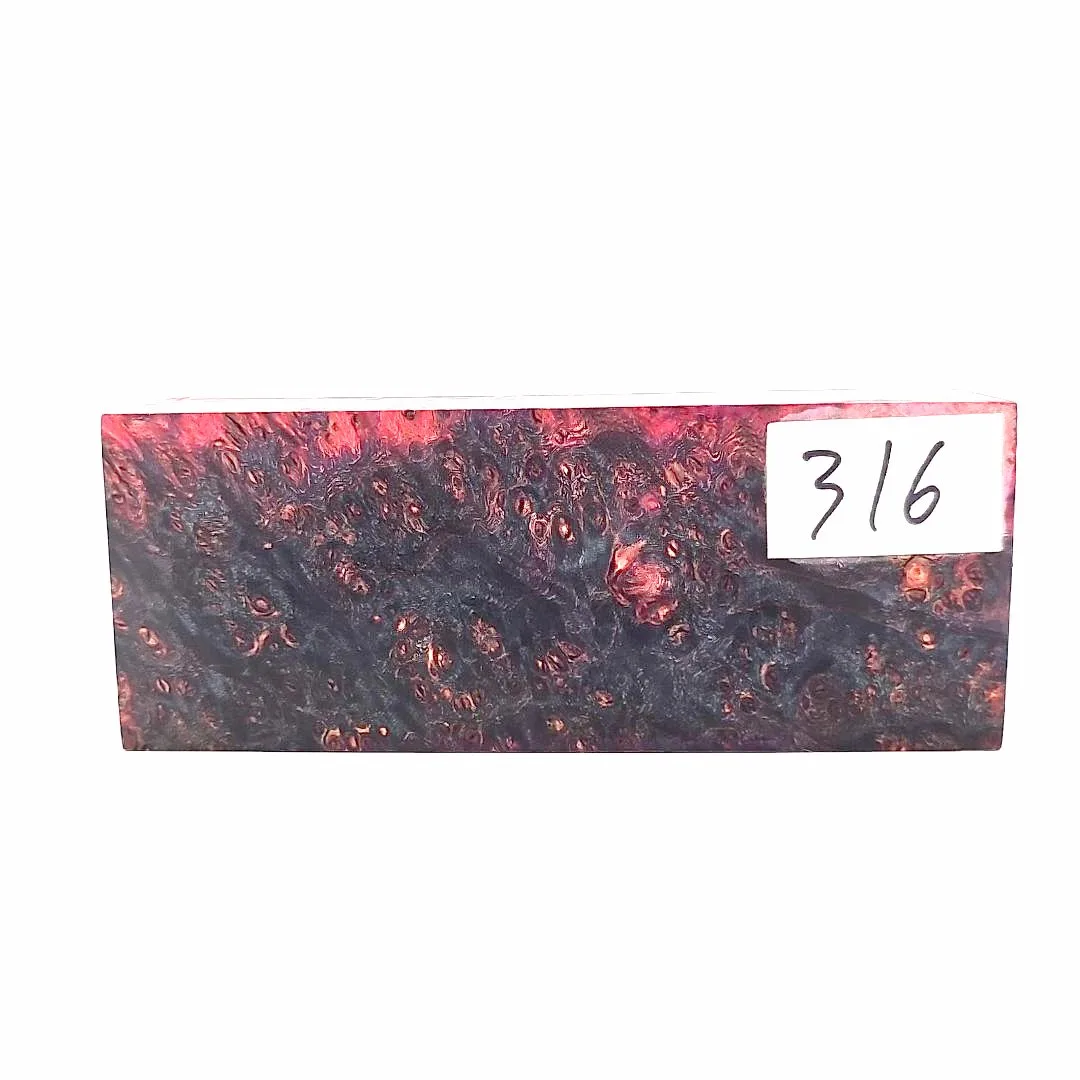
- Build Your Own Prestige - Block 316: Build your own prestige block (colors will be more vibrant with lacquer). Once you order your Prestige we will attempt to build a Prestige using the block pictured. Please note that some blocks fail during the building process. If such failure occurs, we will notify you and you can either choose another block, or cancel your order. Please note that all sales are otherwise final. Typical build time is 6-8 weeks. This is the commitment side of custom buying: a 6-8 week build, final sales, and a small chance the block fails and you choose another or cancel. It is a good fit only if you are ready to wait and have already settled on your preferred sound.
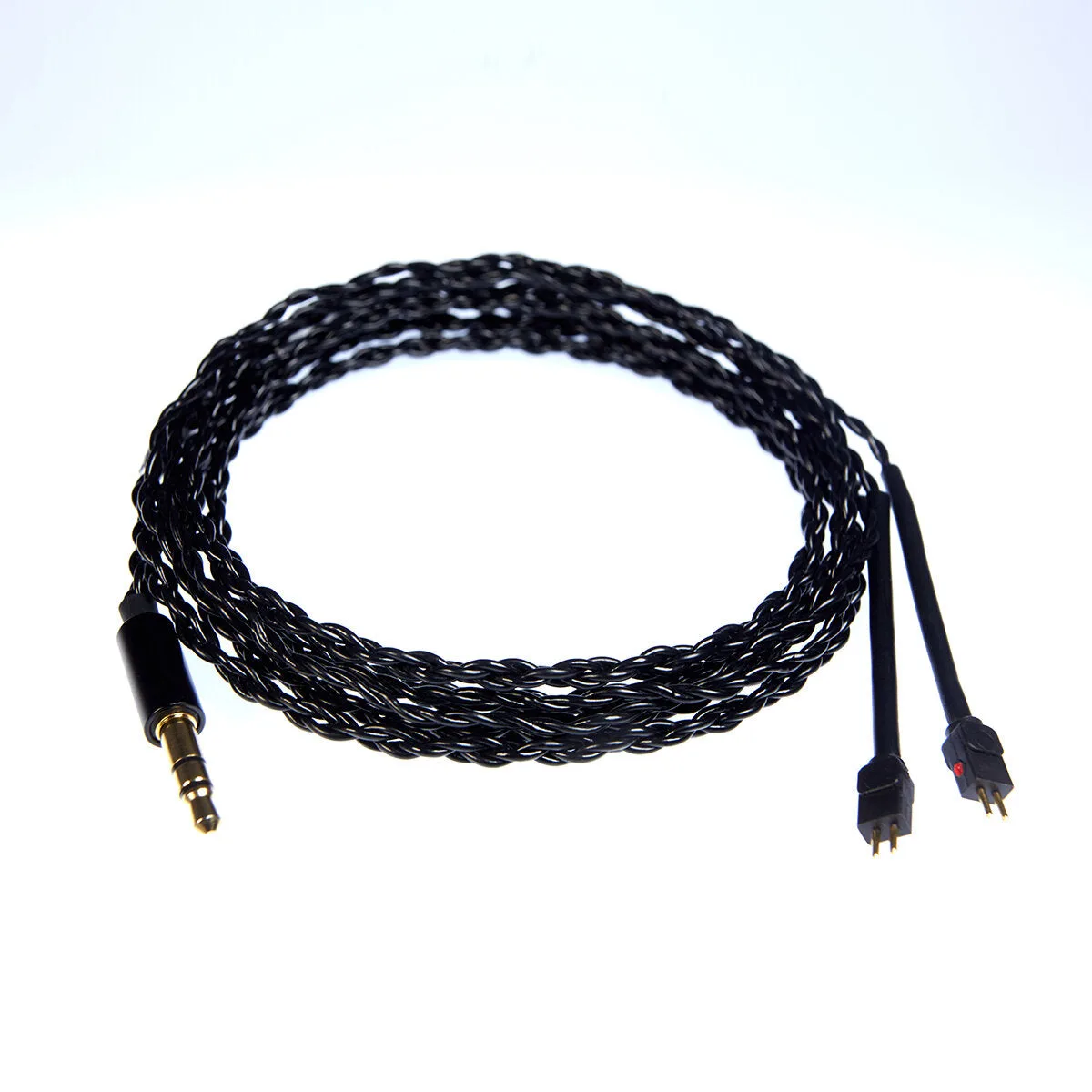
- NOBLE CABLE (BLACK): Silver plated copper wiring, kevlar reinforced tinsel strength sheathing. Ships standard with Noble's Classic line of headphones (Encore, Katana, Django, Dulce Bass, Sage, Savannah, Trident). Cables are one of the few parts you can change on either a custom or universal IEM. If you already own a Noble Classic model, you may not need to buy a separate cable, which keeps the total cost of moving to a custom shell lower.
Which fit is right for you?
Best for
- Listeners who wear in-ears for hours and want consistent comfort and isolation
- Performers, commuters, and anyone in loud environments
- People with asymmetric ears who struggle to keep universal tips sealed
Not for
- Shoppers who want to compare multiple tunings before committing
- People who share in-ears or plan to resell them
- Buyers who need a quick, low-commitment purchase
Pick custom if fit, isolation, and long sessions matter most; pick universal if flexibility, lower cost, and the ability to try before you commit matter most. If you are unsure, start universal, learn your fit, and let your daily habits tell you when it is time to go custom.