Frozen veggie bowls are a lifesaver for busy days, but they don't have to be a one-size-fits-all meal. With a few strategic add-ins and swaps, you can turn a single base bowl into a dish that fits your specific dietary goals—whether you need more protein, fewer carbs, or a completely gluten-free plate. The key is knowing which frozen bowls work best as a blank canvas and which ingredients to keep on hand for quick customization.
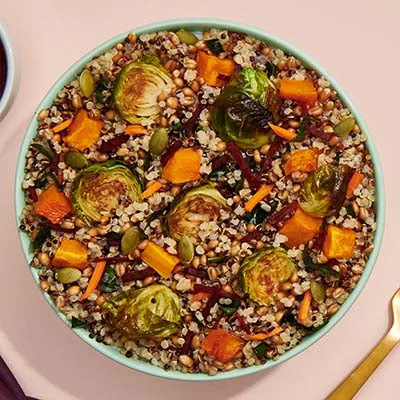
At A Dozen Cousins, bowls like the Brussels & Squash Harvest Bowl and the Jerk Lentil & Plantain Bowl are built with whole-food vegetables and legumes, making them easy to adapt. Below, I'll walk you through practical ways to tailor any frozen veggie bowl to your needs without overcomplicating your routine.
Boosting Protein for High-Protein Veggie Bowls
If you're aiming for more protein per meal, frozen veggie bowls are a great starting point because they already contain fiber-rich legumes and vegetables. To reach 20–30 grams of protein in one sitting, add a simple protein source that complements the bowl's existing flavors. For example, top a Brussels & Squash Harvest Bowl with a handful of roasted chickpeas or a sliced hard-boiled egg—both add texture and about 7–10 grams of protein without overpowering the dish.
For a plant-based option, stir in a scoop of cooked lentils or crumbled tofu that's been pan-fried with a pinch of smoked paprika. If you eat dairy, a dollop of Greek yogurt or crumbled feta works well with Mediterranean-style bowls. The trick is to keep the add-in portion small—about ¼ to ⅓ cup—so you don't throw off the bowl's original seasoning balance.
- Quick protein boosters: canned lentils, pre-cooked edamame, rotisserie chicken (shredded), or a fried egg.
Making Low-Carb Frozen Meals from Veggie Bowls
Not all frozen veggie bowls are high in carbs, but many contain starchy vegetables like plantains, corn, or potatoes. If you're following a low-carb or keto approach, you can still enjoy them with a few simple modifications. Start by choosing bowls that are naturally lower in starch—options like the Cauliflower Tikka Soup or Green Split Pea Soup are soup-based and lighter on carbs, but for a bowl format, look for ones where leafy greens or cruciferous vegetables are the star.
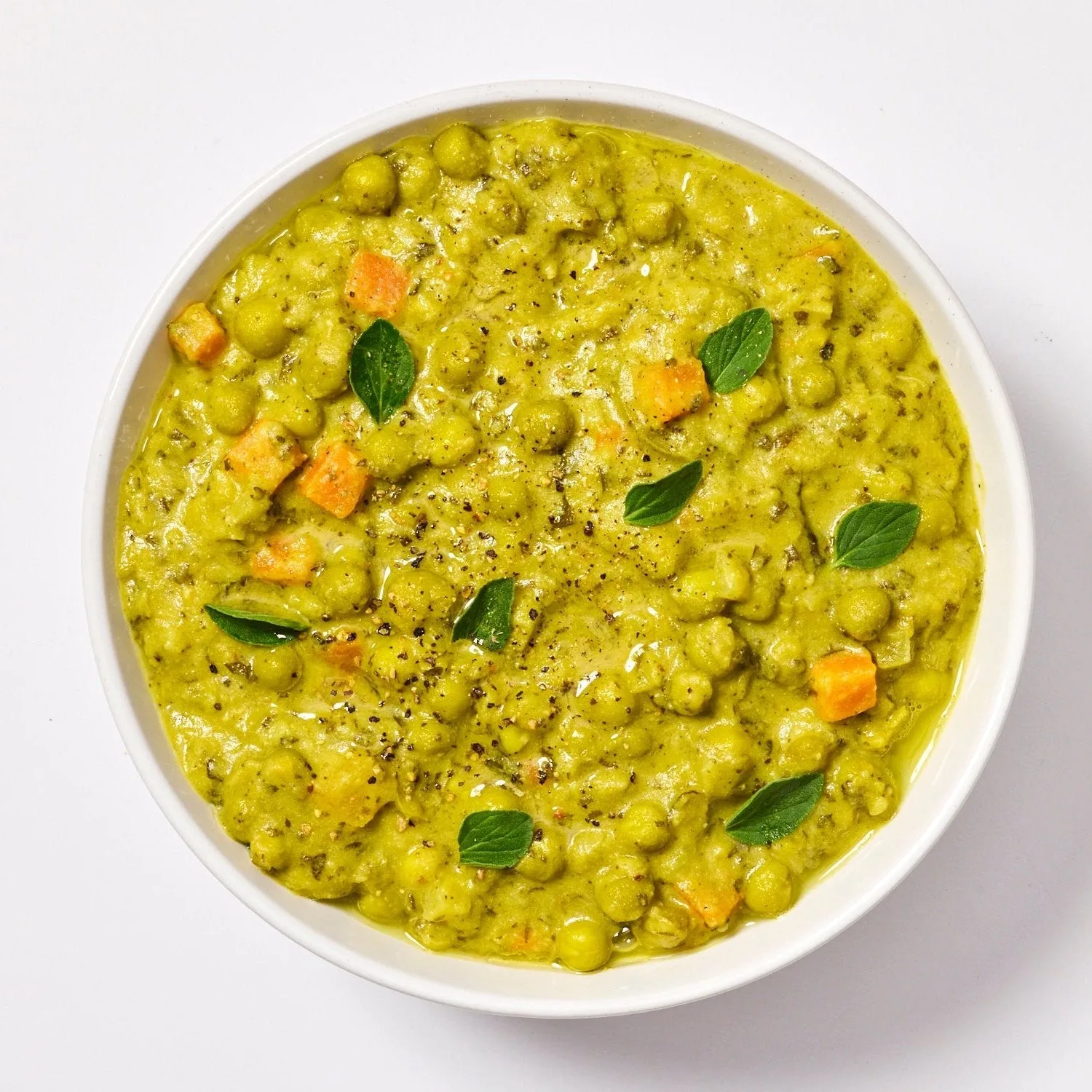
Green Split Pea Soup
To reduce carbs in a bowl like the Jerk Lentil & Plantain Bowl, scoop out about half of the plantains and replace them with extra steamed greens or zucchini noodles. You can also bulk up the volume with sautéed mushrooms or bell peppers, which add flavor and nutrients for very few net carbs. A drizzle of olive oil or a sprinkle of hemp seeds adds healthy fat to keep you satisfied.
- Low-carb swaps: replace starchy veggies with spinach, kale, or riced cauliflower.
Ensuring Gluten-Free Frozen Meals Stay Safe
Most frozen veggie bowls are naturally gluten-free because they're built around vegetables, legumes, and gluten-free grains like rice or quinoa. However, cross-contamination can happen during manufacturing, so it's important to check the label for certified gluten-free markings. At A Dozen Cousins, the veggie bowls and soups are made without gluten-containing ingredients, but always verify the packaging if you have celiac disease or a severe sensitivity.
To keep your meal fully gluten-free, avoid adding common gluten-containing toppings like soy sauce (use tamari instead), croutons, or certain spice blends that may use wheat as a filler. Instead, season with pure spices, fresh herbs, or a squeeze of lime. If you're adding a grain, choose certified gluten-free oats or rice. The Spinach Artichoke Pizza is another option, but for bowls, stick with the veggie-based varieties to minimize risk.
- Gluten-free add-ins: tamari, nutritional yeast, fresh cilantro, avocado, or pumpkin seeds.
Adapting for Vegan Meal Prep and Plant-Based Diets
Frozen veggie bowls are already plant-based by default, but you can easily customize them to fit a vegan meal prep routine that keeps lunches interesting all week. Since the bowls are fully cooked, you can portion them into containers and add fresh components like cherry tomatoes, cucumber slices, or a handful of arugula right before eating. This adds crunch and freshness without extra effort.
For extra staying power, stir in a tablespoon of nut butter or tahini thinned with water for a creamy dressing. A scoop of the Banana Flax Smoothie or Blue Majik Smoothie on the side can round out the meal with healthy fats and antioxidants. If you want a heartier lunch, crumble half a Plantain & 'Chorizo' Bake over a veggie bowl—it adds smoky, savory flavor and keeps the meal entirely plant-based.
- Vegan meal prep tip: batch-cook a simple grain (quinoa or brown rice) and add a scoop to each bowl for extra fiber and texture.
Quick Customization Cheat Sheet
Here's a quick-reference guide for customizing any frozen veggie bowl based on your dietary goal. Keep these ingredients in your pantry or fridge so you can adapt a bowl in under 5 minutes.
For high-protein: add canned lentils, edamame, or shredded chicken. For low-carb: swap starchy veggies for greens or zucchini. For gluten-free: use tamari instead of soy sauce and avoid pre-seasoned nuts. For vegan meal prep: add fresh veggies, tahini dressing, or a side smoothie. For extra fiber: stir in chia seeds or flax meal.
- Staples to keep on hand: canned beans, frozen spinach, avocado, nuts, seeds, and a bottle of tahini.
Customizing frozen veggie bowls doesn't require a full kitchen overhaul. By keeping a few versatile add-ins on hand, you can turn any bowl into a meal that supports your specific dietary needs—whether that's higher protein, lower carbs, gluten-free safety, or vegan meal prep. The next time you reach for a frozen bowl, think of it as a base, not a finished dish, and you'll never get bored.