Whether you're grinding through a heavy training block or just trying to hit your daily protein target, the question eventually pops up: should you grab a store-bought protein bar or spend an hour making your own? Both have loyal fans, and the best choice depends on your priorities — nutrition, budget, time, and taste. Let's break down the real differences so you can decide what works for your routine.
I'm comparing a specific, ready-made option — the Daily Bar with 20g of protein and 3g of creatine — against homemade protein bars you can whip up in your own kitchen. No fluff, just practical trade-offs.
Nutrition Breakdown: Consistency vs Customization
The Daily Bar delivers a precise 20 grams of protein and 3 grams of creatine per bar. That's a fixed macro and micronutrient profile you can count on every single time. If you're tracking macros or timing creatine intake around workouts, this consistency is a huge plus. The ingredients are clean — no artificial sweeteners or fillers — so you know exactly what's going in your body.
Homemade protein bars give you total control. You can swap the protein powder (whey, pea, collagen, etc.), adjust carbs and fats, and add extras like chia seeds, dried fruit, or nut butter. But that flexibility comes with a catch: your nutrition numbers will vary from batch to batch unless you weigh every ingredient. If you're not meticulous, one batch might be higher in sugar or lower in protein than you planned.
- Daily Bar: fixed 20g protein + 3g creatine, no guesswork
- Homemade: adjustable macros but requires careful measuring for consistency
Convenience and Portability: Which One Fits Your Day?
Nothing beats the grab-and-go simplicity of a Daily Bar. It's shelf-stable, individually wrapped, and fits in a gym bag, car console, or desk drawer. No prep, no cleanup, no thinking. For anyone with a packed schedule — early workouts, back-to-back meetings, travel — that convenience is a game-changer.
Homemade bars demand active time: mixing, pressing, chilling, cutting, and wrapping. You can batch-prep a week's worth in about 30 minutes, but you still need to store them properly. A glass container like the Kreature Kontainer keeps homemade bars fresh and prevents them from absorbing fridge odors. Even so, they're bulkier to carry and may need refrigeration depending on ingredients.
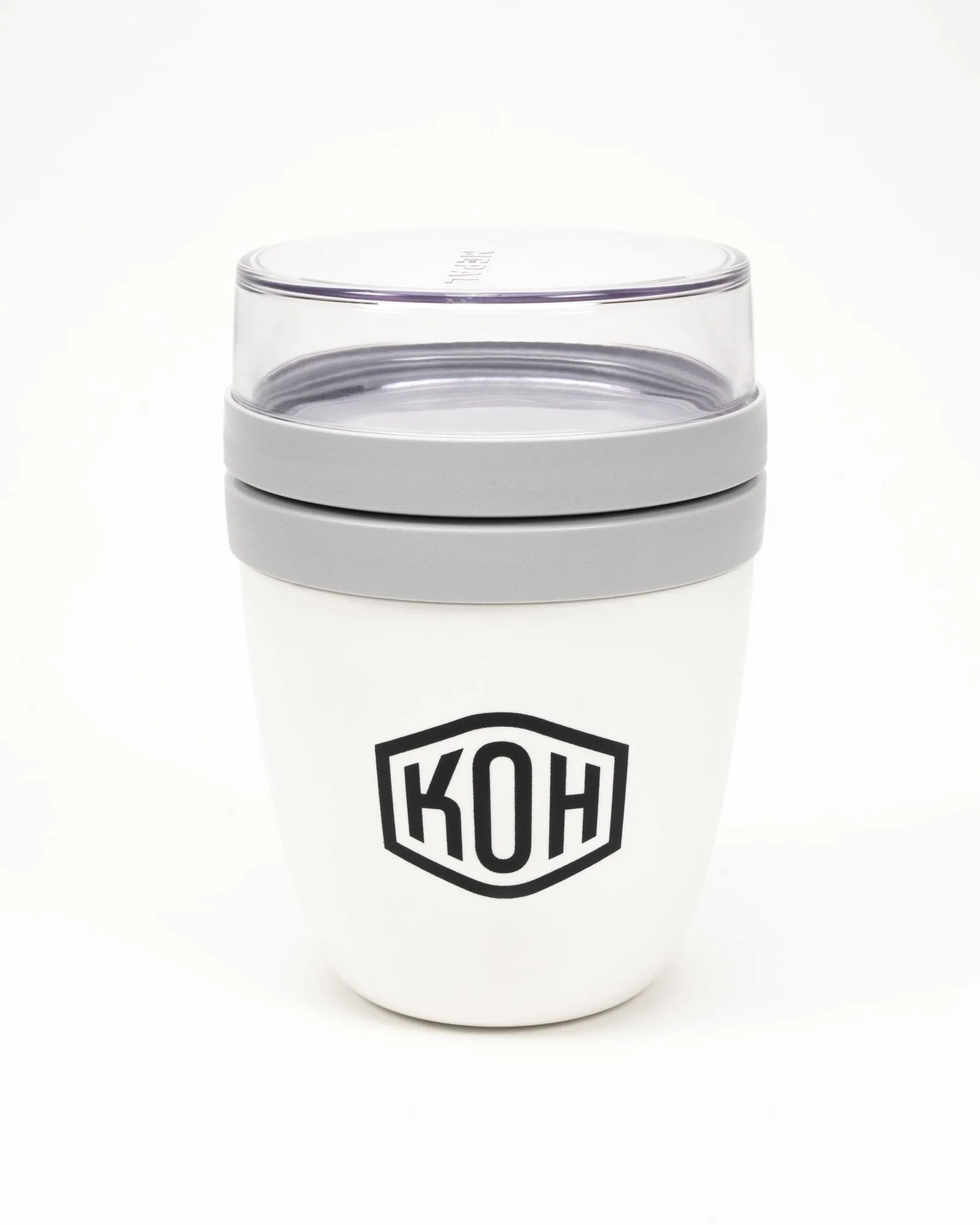
Kreature Kontainer
- Daily Bar: ready now, no prep or cleanup, ideal for on-the-go
- Homemade: batch prep required, needs proper storage (try a Kreature Kontainer for best freshness)
Cost per Bar: What You Actually Pay
At first glance, homemade bars win on price. A typical recipe using protein powder, oats, nut butter, and honey can cost around $1.00–$1.50 per bar, depending on ingredient quality and bulk buying. The Daily Bar costs more upfront (check the subscription pricing for better value), but you're paying for precision and zero prep time.
The hidden cost of homemade is your time and potential waste. If you buy specialty ingredients you only use for bars (like collagen peptides or specific protein powders), the per-bar price can climb. Also, homemade bars have a shorter shelf life — you'll likely toss them if you don't finish the batch within a week or two. The Daily Bar stays fresh for months, so there's less risk of waste.
- Homemade: ~$1.00–$1.50 per bar (time + ingredient variables)
- Daily Bar: higher per-bar cost, but eliminates prep time and waste
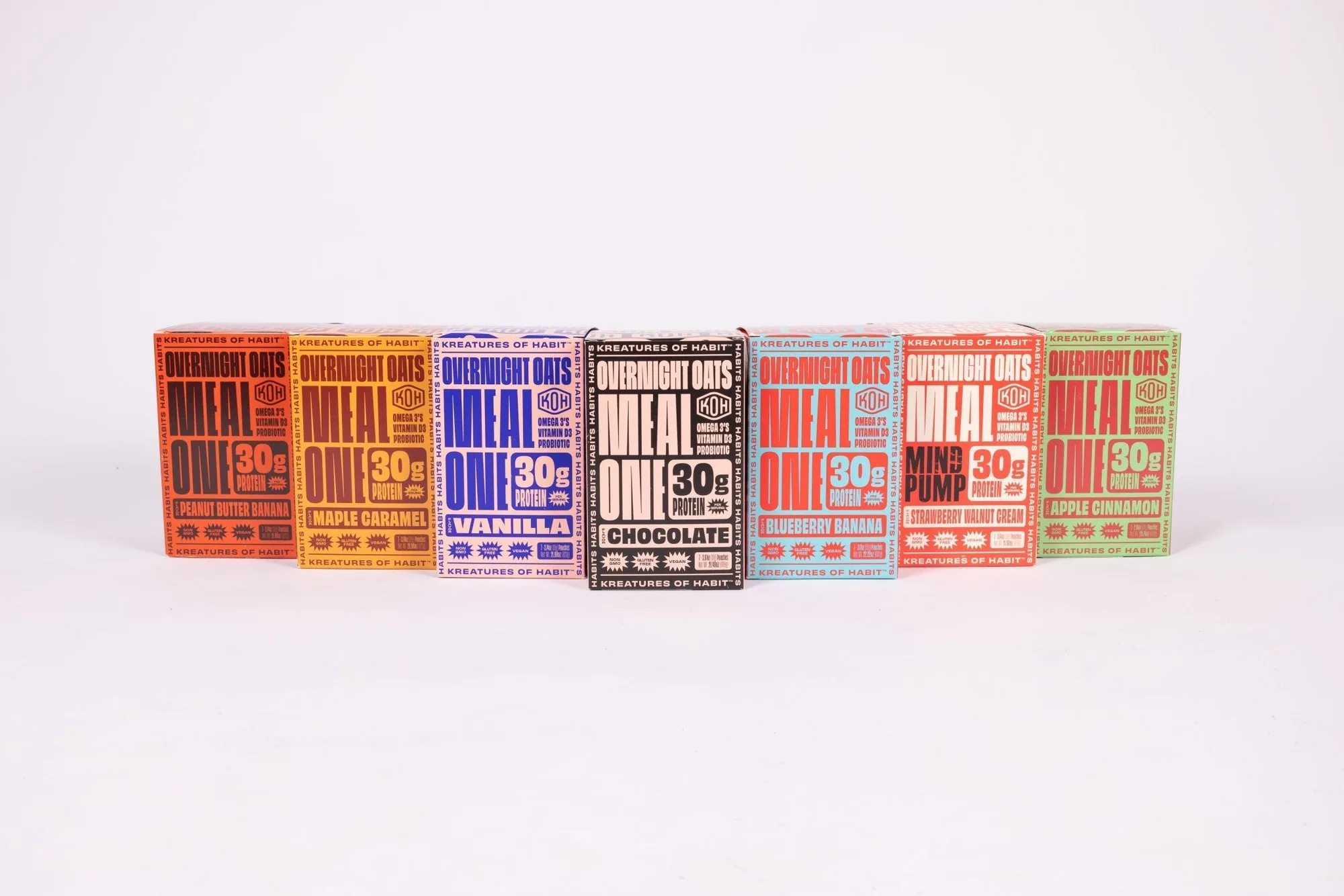
- Consider a subscription like Meal One: 2-Box Subscription if you want consistent convenience and variety
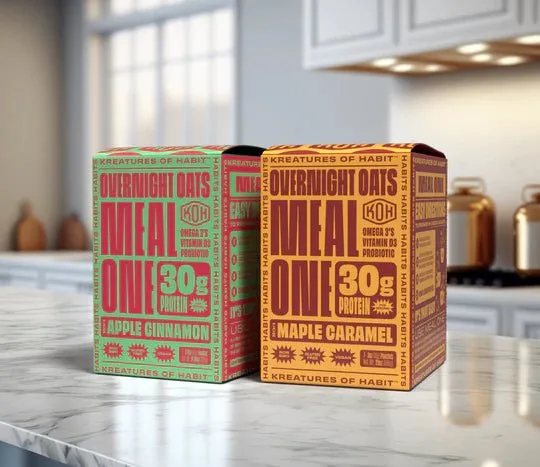
Meal One: 2-Box Subscription
Taste and Ingredient Quality: What Matters Most to You
Taste is subjective, but the Daily Bar is made with real ingredients and avoids artificial flavours. Many people find it satisfying — not overly sweet, with a chewy texture that doesn't crumble. The 3g of creatine is a neat bonus for recovery-focused athletes. You know the quality is consistent batch after batch.
Homemade bars let you tweak flavours endlessly: chocolate peanut butter, coconut almond, or even savoury-spiced versions. You control the sweetness level and can avoid common allergens. On the downside, homemade can turn out overly sticky, dry, or dense if the ratios are off. And unless you're using a high-quality protein powder, the texture may suffer.
- Daily Bar: clean, consistent taste with added creatine for recovery
- Homemade: endless customization but requires recipe testing and quality ingredients
Neither option is universally better. If your top priorities are time, consistent macros, and portability, the Daily Bar is a reliable choice. If you love cooking, want full control over ingredients, and don't mind a weekly batch session, homemade bars can be more economical and tailored. Many athletes actually use both — Daily Bars for travel or hectic days, and homemade bars for home-based snacking. Pick what keeps you consistent and on track.