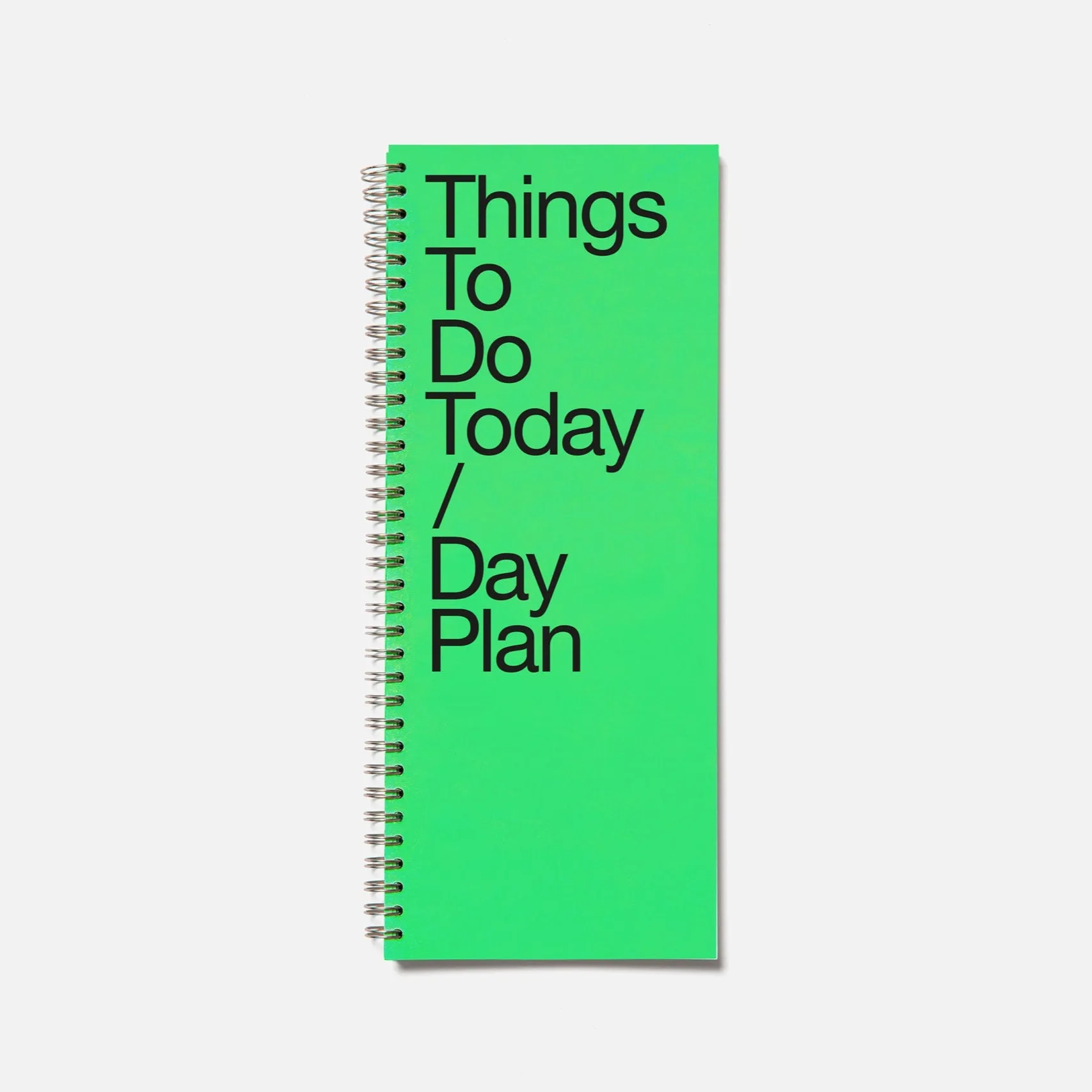
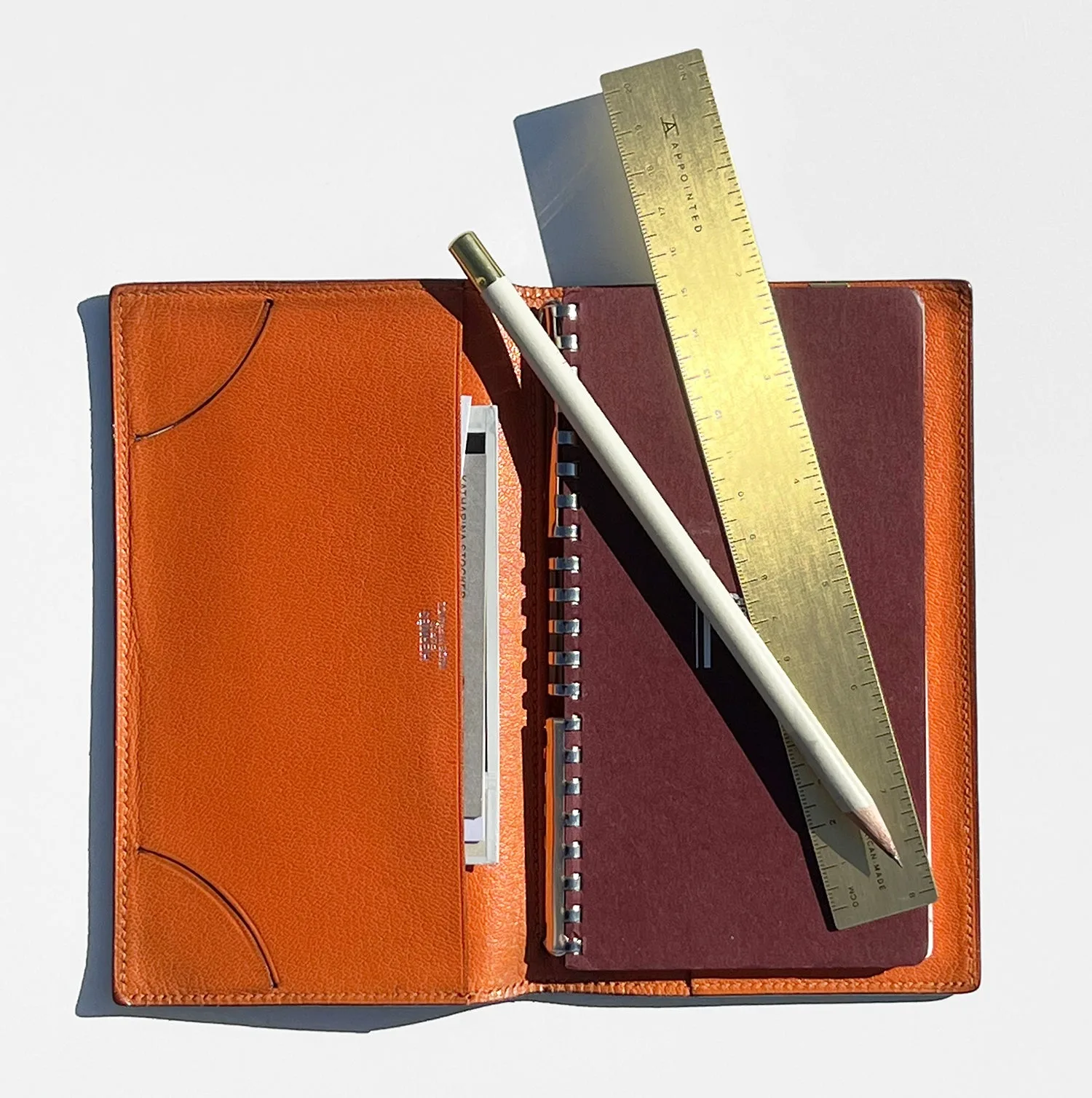
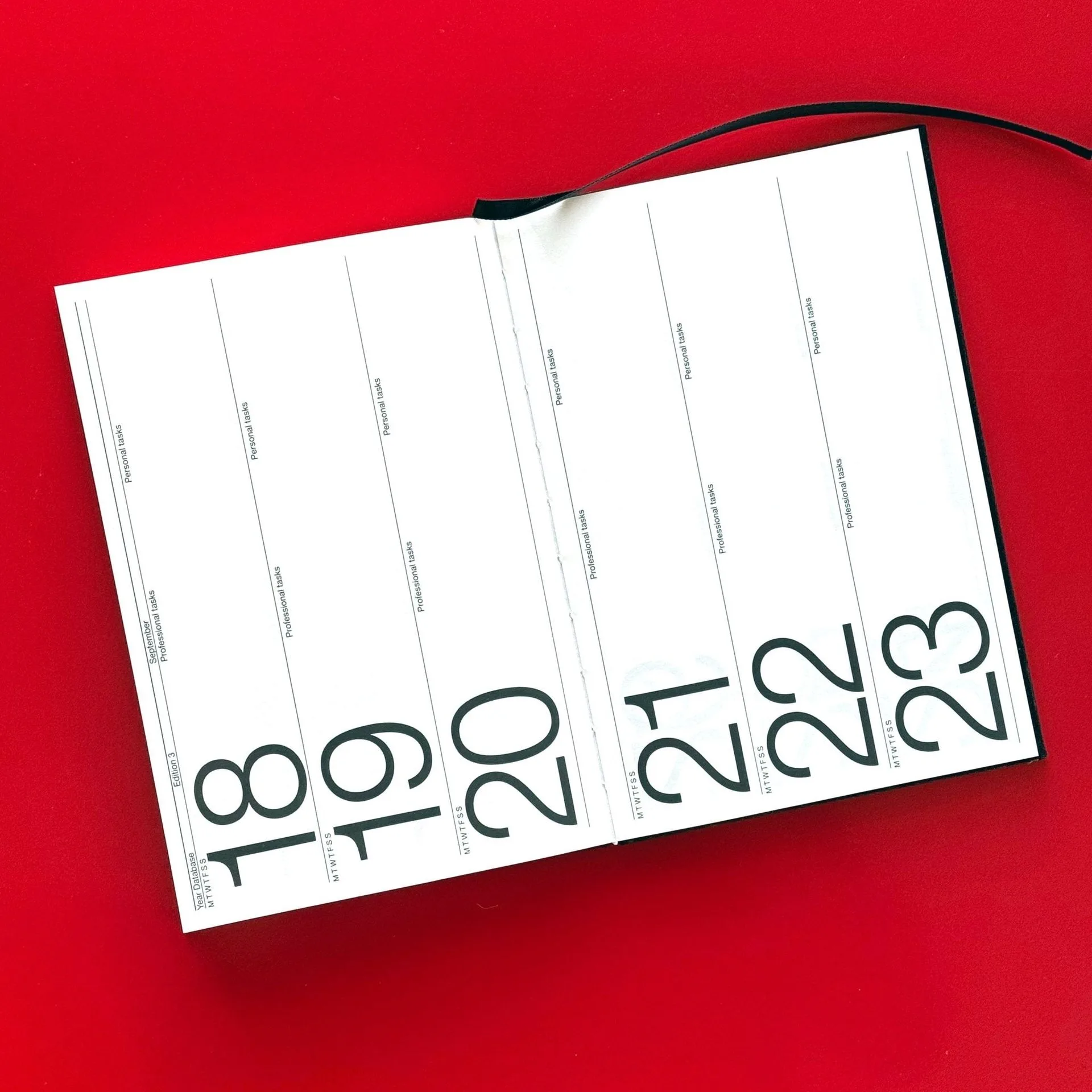
A daily planner is more than a scheduling tool—it's a companion that holds your goals, appointments, and creative ideas. But without proper care, even the most beautiful planner can show wear and tear: bent corners, scuffed covers, or coffee stains. That's where a slipcase comes in. A well-designed slipcase not only protects your planner but also adds a touch of elegance to your desk. In this guide, we'll explore how to use a daily planner with a slipcase effectively, along with tips to keep your planner looking pristine all year.
Whether you use an undated daily planner or a dated version, a slipcase is a simple investment that prolongs the life of your planner. We'll cover everything from choosing the right slipcase to daily handling habits and occasional maintenance. By the end, you'll know exactly how to keep your planner in top condition—so it can keep you organized for years to come.
Why a Slipcase Is Essential for Your Daily Planner
A slipcase is a protective sleeve that your planner slides into when not in use. It shields the cover from scratches, dust, and accidental spills. For those who carry their planner in a bag, a slipcase prevents damage from keys, pens, or other items. It also keeps the pages from bending or getting dog-eared. Many planners, especially leather or fabric-bound ones, benefit greatly from this extra layer of protection.
Beyond protection, a slipcase can elevate the aesthetic of your desk. A beautifully crafted slipcase in a neutral tone or a pop of color can complement your workspace. For example, a slipcase in a soft pastel or warm wood tone can match your desk accessories. If you're using a planner like the Rest Book Stand: Smoked Oak, a slipcase in a similar finish creates a cohesive look.
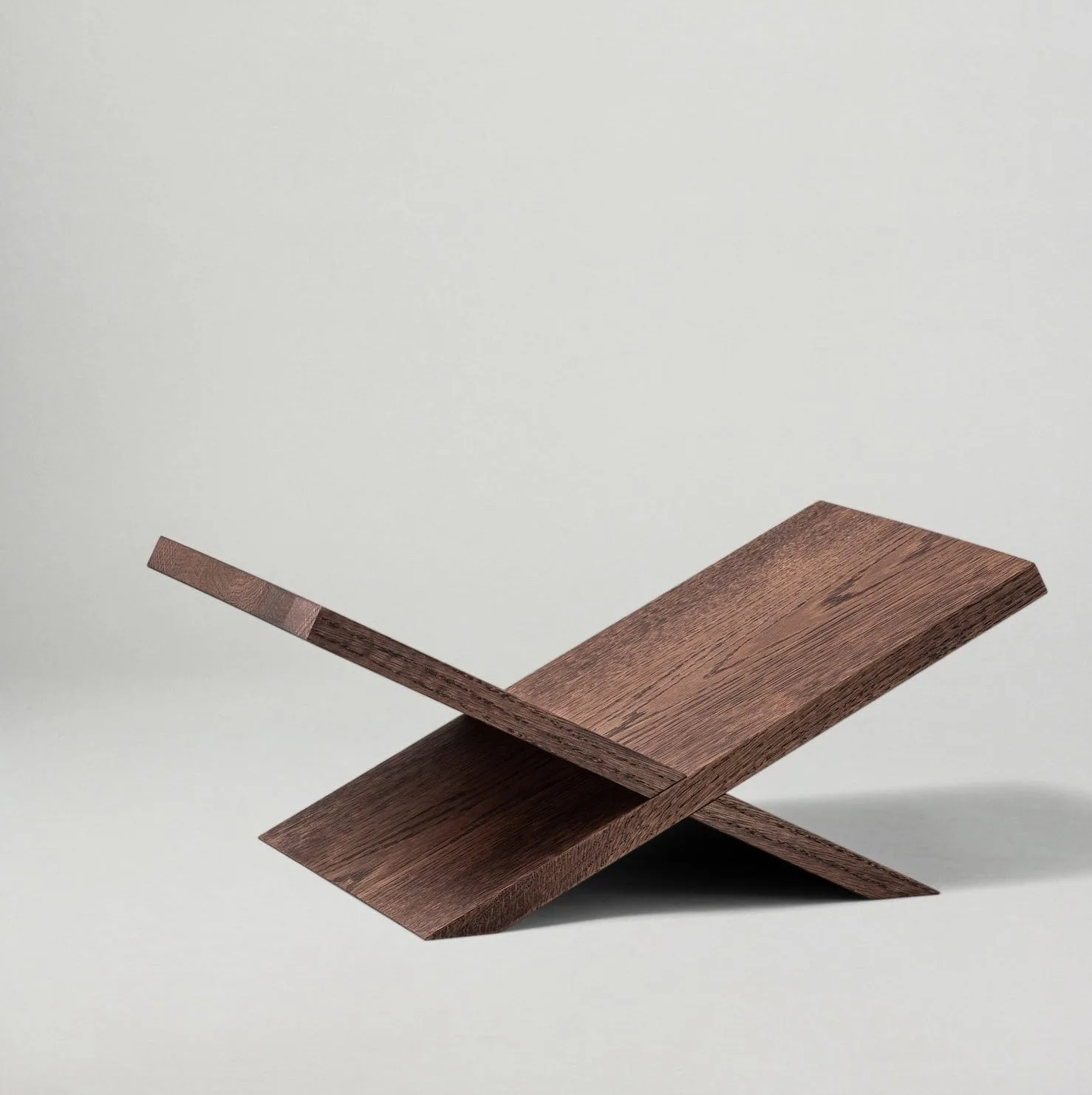
Rest Book Stand: Smoked Oak
- Prevents cover scuffs and scratches
- Keeps pages flat and unbent
- Adds a stylish element to your desk
How to Choose the Right Slipcase for Your Planner
When selecting a slipcase, size is the most important factor. Your planner should fit snugly but not too tightly—you want to slide it in and out easily. Measure the height, width, and thickness of your planner before buying. Many slipcases are designed for standard sizes like A5 or B6, but custom options exist for unique dimensions.
Material matters too. Leather slipcases offer durability and a classic look, while fabric or paperboard options are lighter and more affordable. Consider how you'll use the planner: if it travels with you daily, a sturdier material like leather or thick cardstock is best. For desk-only use, a softer fabric slipcase may suffice. The Karst Desk Trays: Stone could inspire a stone-textured slipcase that blends with natural materials.
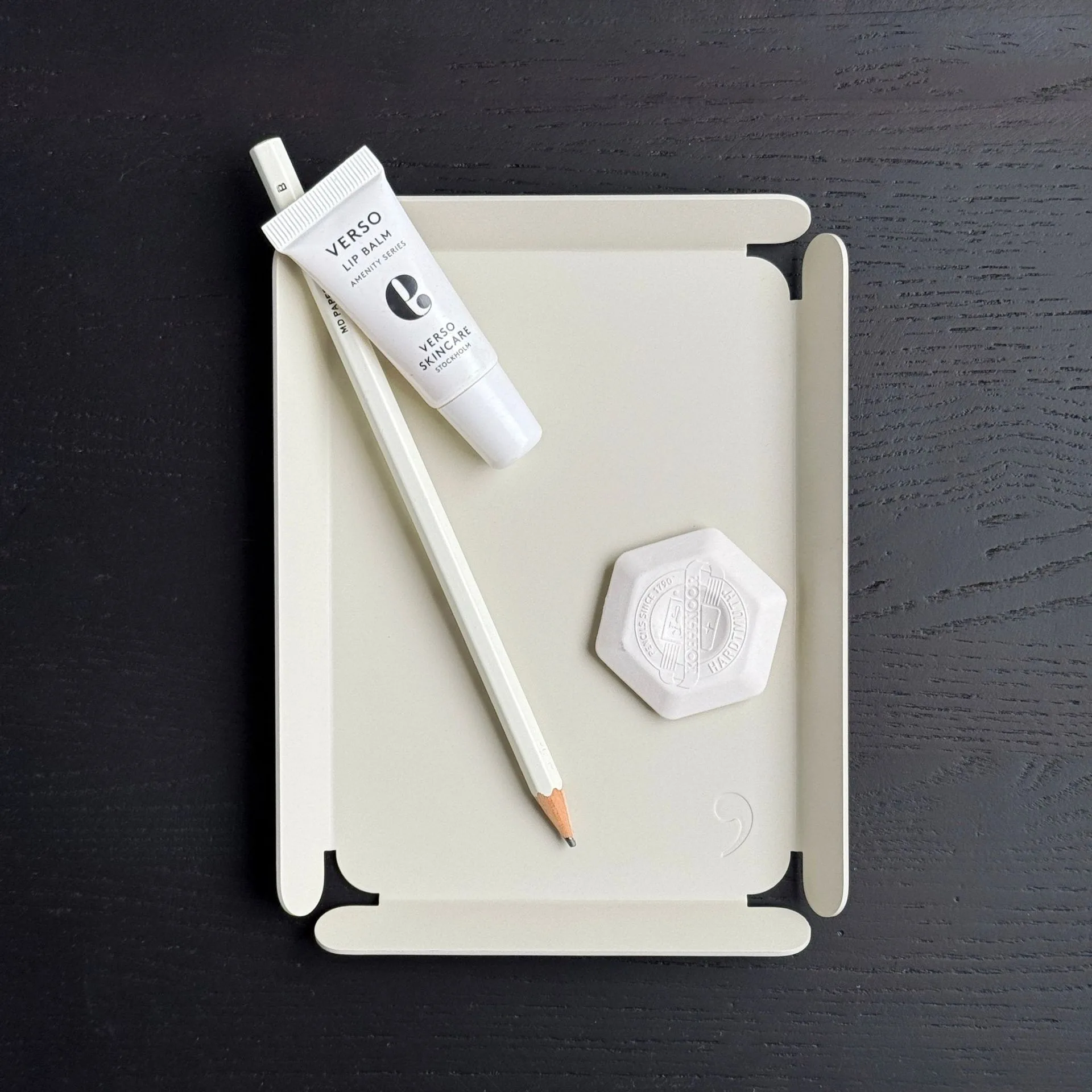
Karst Desk Trays: Stone
- Measure your planner's exact dimensions
- Choose material based on portability
- Look for a slipcase with a secure closure if you carry it in a bag
Daily Habits to Keep Your Planner Pristine
Your daily habits play a big role in preserving your planner. Always slide it into the slipcase when you're not using it—even if you're just stepping away for a few minutes. This prevents accidental spills or bumps. When writing, use a pen with quick-drying ink to avoid smudges. If you use sticky notes or inserts, keep them flat inside the planner to avoid bulging.
Avoid eating or drinking near your open planner. If you must have a beverage on your desk, place it on the opposite side from your planner. A simple coaster can save you from ring stains. For inspiration, consider pairing your planner with a stylish coaster or a small tray like the Shape Pad: Brick to create a designated writing zone.
- Always close the planner and return it to the slipcase after use
- Use a pen with fast-drying ink
- Keep drinks away from your writing area
Cleaning and Maintenance Tips for Your Planner and Slipcase
Over time, your slipcase may accumulate dust or minor stains. For leather slipcases, wipe gently with a damp cloth and use a leather conditioner occasionally. For fabric or paper slipcases, a soft brush or lint roller can remove dust. Avoid using water on paper slipcases—instead, use a dry eraser to clean marks.
Your planner's pages can be kept fresh by storing it in a cool, dry place away from direct sunlight. If you use an undated daily planner, you can remove old pages to reduce bulk. Some planners, like those with lay-flat binding, benefit from being stored flat rather than upright. This prevents spine stress.
- Clean the slipcase monthly with appropriate materials
- Store the planner flat or upright in a dry environment
- Remove outdated pages to keep the planner slim
Extending the Life of Your Planner with Simple Upgrades
If your planner doesn't come with a slipcase, you can easily make one or buy a universal size. Another upgrade is adding a bookmark ribbon or a pen loop to keep essentials together. Using a page marker can prevent you from dog-earing corners. For a touch of personalization, consider adding a monogram or a sticker to the slipcase.
You can also rotate between two planners: one for home and one for work, each with its own slipcase. This reduces wear on a single planner. If you're a fan of minimalism, a simple slipcase in a neutral color like white or gray can be paired with any planner. The White / 100 Whites book could inspire a clean, all-white aesthetic.
- Add a ribbon bookmark to avoid bending pages
- Use a pen loop to keep your favorite pen with the planner
- Consider a second slipcase for travel
A daily planner is a valuable tool for staying organized, and a slipcase is the simplest way to protect it. By choosing the right slipcase, adopting daily care habits, and performing occasional maintenance, you can keep your planner looking pristine all year. Explore our collection of desk accessories and planner companions to find the perfect match for your workflow. For a stylish and functional addition to your desk, check out the Rest Book Stand: Smoked Oak, which can hold your planner open while you work.