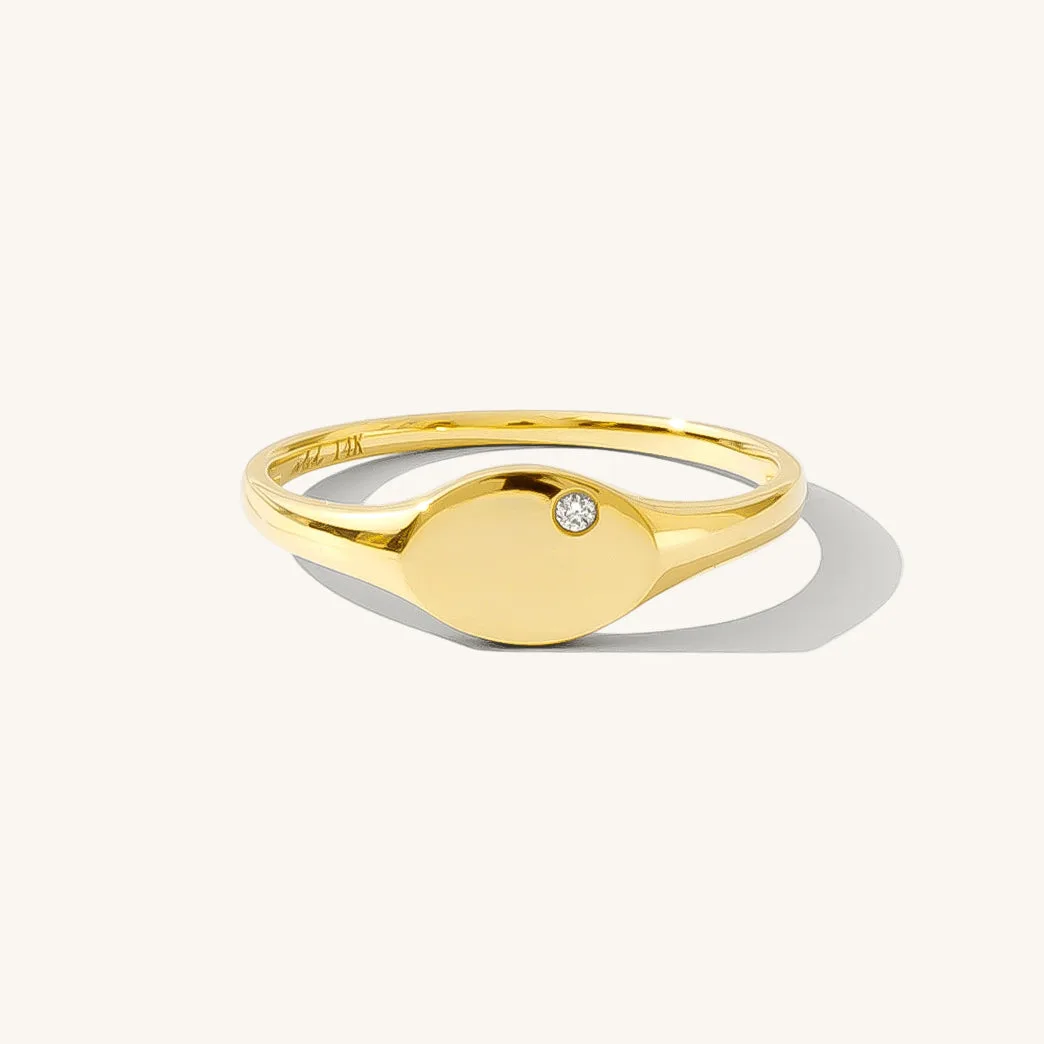
Ribbed rings have carved out a quiet but loyal spot in minimalist jewelry collections. Their subtle texture—often described as a gentle ridge or stacked-line effect—adds visual interest without shouting for attention. Whether you wear one alone or layer several across your fingers, a dainty ribbed ring can feel like a natural extension of your hand.
But buying a ribbed ring isn't as simple as picking a pretty design. Sizing matters more than with smooth bands because the texture can make the ring feel tighter. Stacking requires a bit of forethought so the rings sit comfortably and don't twist. And the metal choice affects both the look and how long the ring stays shiny. This guide walks you through each consideration so you can find rings you'll actually want to wear every day.
Why Choose a Dainty Ribbed Ring?
A dainty ribbed ring offers the best of both worlds: it's simple enough for daily wear but textured enough to stand out in a stack. The ridges catch light differently than a flat band, giving your hand a subtle, almost architectural detail. Many people find that the texture also helps the ring stay in place—less spinning around the finger compared to a completely smooth band.
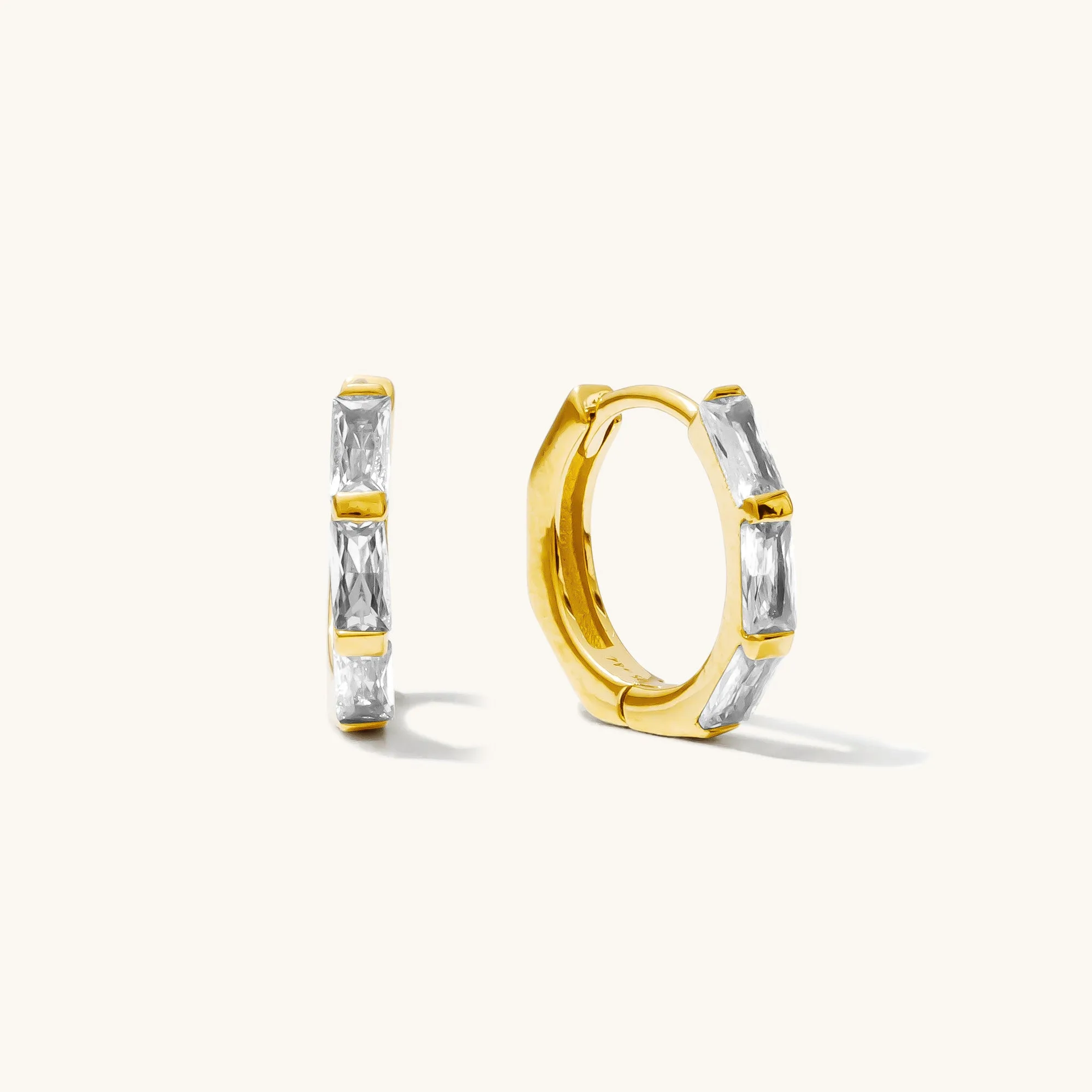
Because ribbed rings are typically low-profile, they don't snag on clothing or get in the way during typing, cooking, or other hands-on activities. That makes them a practical choice for anyone who wants a ring they can forget they're wearing. They also pair naturally with other minimalist pieces, like a Dainty Shimmer Chain Necklace or a simple pair of Classic CZ Huggie Hoop Earrings.
- Texture adds visual interest without bulk
- Less likely to spin on the finger than smooth bands
- Low profile reduces snagging on clothes and bags
Sizing Your Ribbed Ring: What to Know
Ribbed rings fit differently than flat bands because the interior surface isn't perfectly smooth. The ridges can create a slightly tighter feel, especially if your fingers tend to swell during warm weather or after exercise. If you're between sizes, many wearers recommend going up half a size for a ribbed ring to ensure comfortable all-day wear.
To get the most accurate measurement, measure your finger at the end of the day when it's at its largest. Use a ring sizer or a piece of string and a ruler, and repeat the measurement a few times. If you're buying a stacking ring set, consider that multiple rings on the same finger will feel snugger than a single ring, so you might want to size up slightly for the bottom ring in the stack.
- Measure at the end of the day for the most accurate size
- If between sizes, choose the larger size for ribbed rings
- Account for stacking: multiple rings on one finger need a bit more room
How to Stack Ribbed Rings Like a Pro
Stacking ribbed rings is where the real fun begins. Because the texture is consistent, you can mix metals, widths, and even add a smooth band or two for contrast. A common approach is to wear three rings on one finger: a ribbed band in the middle, flanked by two smooth bands. This creates a balanced look that highlights the texture without overwhelming your hand.
Another popular style is to stack ribbed rings across multiple fingers. For example, wear a single dainty ribbed ring on your index finger, a stack of two on your middle finger, and a simple band on your ring finger. The key is to keep the overall weight and width similar so the stack feels cohesive. If you're using a gemstone piece like a Moonstone Signet Ring, let it be the focal point and use ribbed rings as accent pieces.
- Mix metals (yellow gold, rose gold, white gold) for a modern look
- Use ribbed rings as spacers between wider bands
- Keep the total width per finger under 6mm for comfort
Metal Options: Why 14k Gold Works Best for Ribbed Rings
Ribbed rings rely on their texture to stand out, so the metal needs to hold that detail well. 14k gold is an excellent choice because it's durable enough for daily wear but still soft enough to allow crisp, clean ridges. Unlike gold-plated options, solid 14k gold won't wear away over time, so the texture stays sharp even after years of use.
If you're building a minimalist ring collection, a 14k gold ribbed ring is a smart foundation piece. It pairs effortlessly with other 14k gold jewelry, from a Dainty CZ Tennis Necklace to simple stud earrings. While sterling silver and platinum are also options, gold's warmth tends to complement the organic feel of ribbed texture better, especially for everyday wear.
- 14k gold holds fine texture better than softer metals
- Solid gold ensures the ridges won't fade with wear
- Gold's warm tone enhances the visual depth of ribbed designs
Styling Ribbed Rings for Different Occasions
One of the best things about a dainty ribbed ring is its versatility. For a casual weekend look, wear a single ribbed band on your middle finger with no other rings. The texture adds just enough interest to feel intentional without being flashy. Pair it with a simple bracelet like the Ribbed Stretch Bead Bracelet for a coordinated but effortless vibe.
For the office or a dinner out, stack two or three ribbed rings on adjacent fingers. This creates a polished, put-together look that still feels minimal. You can also mix in a birthstone ring, such as the February Birthstone Stud Earrings or a Ruby Charm, to add a personal touch. Just keep the rest of your jewelry dainty—think small hoops or a fine chain necklace—so the rings remain the focus.
- Single ring on middle finger: perfect for casual days
- Stack on adjacent fingers: great for work or evenings out
- Mix with a birthstone piece for a personalized stack
A dainty ribbed ring is one of those rare pieces that looks good on every hand and works with almost any style. By paying attention to sizing, choosing 14k gold for longevity, and experimenting with stacking combinations, you can build a ring collection that feels both personal and timeless. Start with one or two rings, see how they feel in your daily routine, and add from there.