Itchy, flaky scalp? You're not alone. Millions of people experience scalp discomfort, but not all flakes are created equal. One of the most common mix-ups in scalp care is confusing dandruff with a dry scalp. While both can cause visible flakes and irritation, they have different root causes, symptoms, and treatments. Using the wrong remedy can actually make the condition worse, so getting the diagnosis right is the first step toward relief.
In this article, we'll break down the differences between dandruff and dry scalp, help you identify which one you're dealing with, and guide you toward the most effective treatments—including gentle, targeted products that work with your scalp's unique needs.
What Is Dandruff?
Dandruff is a common scalp condition caused by an overgrowth of a yeast-like fungus called Malassezia. This fungus naturally lives on most adult scalps, but when it multiplies too quickly, it triggers an inflammatory response. The result? Oily, yellowish flakes that tend to stick to the scalp and hair. Dandruff is often accompanied by redness, itching, and a greasy feel, especially in areas where sebaceous glands are active.
Dandruff is not caused by poor hygiene—it's a biological reaction. Factors like hormonal changes, stress, cold weather, and even certain hair products can worsen the condition. Because it's linked to oil production, dandruff is more common in people with oily skin or those who don't wash their hair frequently enough.
- Flakes are yellowish, oily, and larger
- Scalp feels greasy or sticky
- Itching is often moderate to intense
- Can spread to eyebrows, ears, or chest in severe cases
What Is Dry Scalp?
Dry scalp, on the other hand, is simply a lack of moisture in the skin on your head. It can be caused by cold, dry air, over-washing with harsh shampoos, using hot water, or even dehydration. Unlike dandruff, dry scalp is not related to fungus or oil overproduction. The flakes are small, white, and dry—similar to the dry skin you might see on your arms or legs in winter.
Dry scalp often feels tight, itchy, or irritated, but the flakes are powdery and fall off easily. It's also common to have dry skin elsewhere on your body, such as your elbows or knees. Dry scalp can occur in people with naturally dry skin, or as a reaction to environmental factors like indoor heating or sun exposure.
- Flakes are small, white, and dry
- Scalp feels tight or dry
- Itching is usually mild
- Often accompanied by dry skin on other parts of the body
Dandruff vs Dry Scalp: Key Differences at a Glance
To help you quickly tell them apart, here's a side-by-side comparison of the most common symptoms and characteristics of dandruff vs dry scalp. Use this as a reference when examining your own scalp.
- Flake color: Dandruff = yellowish; Dry scalp = white
- Flake texture: Dandruff = oily, clumpy; Dry scalp = dry, powdery
- Scalp feel: Dandruff = greasy; Dry scalp = tight, dry
- Itch intensity: Dandruff = moderate to severe; Dry scalp = mild to moderate
- Common triggers: Dandruff = fungus, hormones, stress; Dry scalp = cold air, harsh products, dehydration
- Seasonal pattern: Dandruff often worsens in winter; Dry scalp also peaks in dry, cold months
How to Treat Dandruff Effectively
Treating dandruff requires controlling the Malassezia fungus and reducing scalp inflammation. Look for shampoos or treatments containing ingredients like zinc pyrithione, salicylic acid, selenium sulfide, or ketoconazole. These help slow fungal growth and shed excess skin cells. Consistency is key—most dandruff treatments need to be used 2-3 times per week for several weeks to see results.
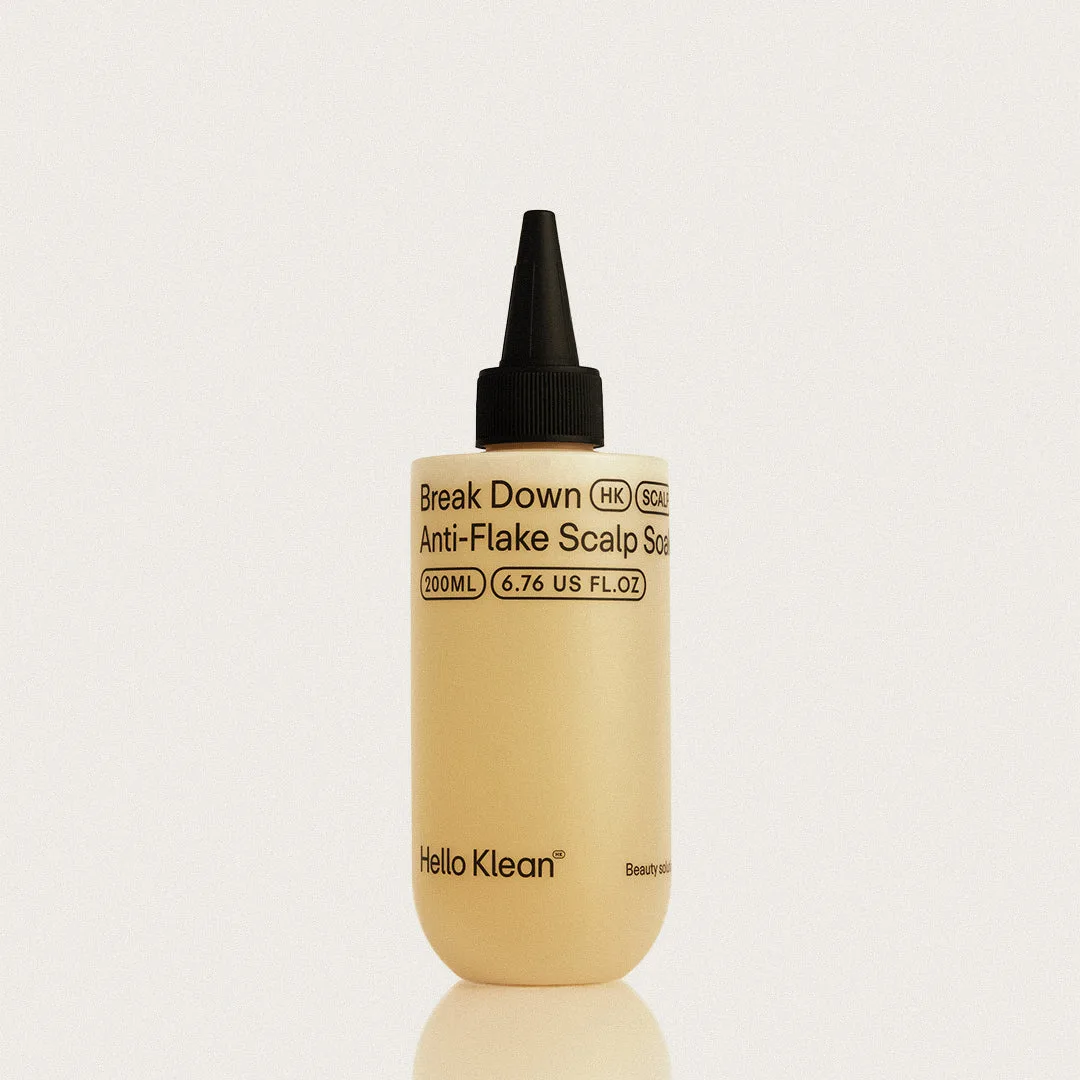
For a gentle yet effective approach, consider incorporating targeted scalp care into your routine. Products like a dedicated scalp soak can help break down buildup and calm irritation without stripping natural oils. If you're traveling or need a portable solution, look for a kit that includes a scalp treatment alongside other essentials to maintain healthy hair and skin on the go.
- Use a medicated shampoo as directed—don't overuse
- Avoid heavy styling products that can feed fungus
- Wash hair regularly to remove excess oil and flakes
- Consider a scalp soak to deeply cleanse and soothe
How to Treat Dry Scalp Naturally
Dry scalp treatment focuses on hydration and gentle care. Switch to a moisturizing, sulfate-free shampoo and avoid washing with hot water. Apply a lightweight, non-greasy scalp oil or moisturizer after washing to lock in hydration. You can also use a humidifier in dry environments and drink plenty of water to support skin health from the inside out.
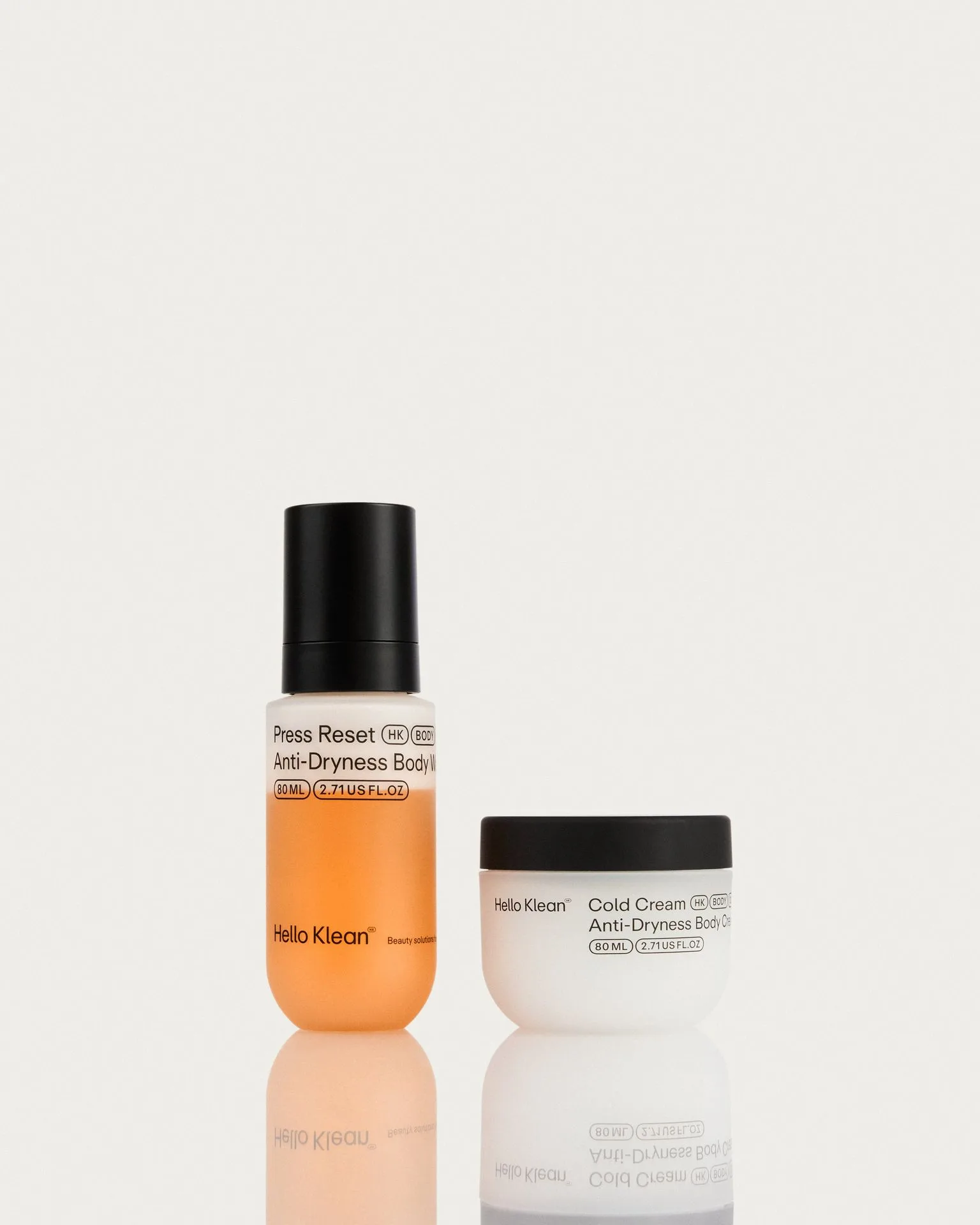
For ongoing dryness, a rich body cream can double as a scalp-soothing treatment if applied sparingly to the scalp line. Look for formulas with ingredients like shea butter, ceramides, or glycerin. If your dry scalp is accompanied by dry skin elsewhere, a full-body moisturizing routine can help restore balance.
- Wash with lukewarm water instead of hot
- Use a gentle, hydrating shampoo
- Apply a moisturizing cream or oil to the scalp
- Avoid over-washing—2-3 times per week is often enough
When to See a Dermatologist
If you've tried over-the-counter treatments for several weeks with no improvement, or if your scalp becomes red, swollen, or painful, it's time to consult a dermatologist. Conditions like psoriasis, seborrheic dermatitis, or eczema can mimic dandruff or dry scalp and require prescription-strength treatments. A professional diagnosis ensures you're treating the right condition and not wasting time on ineffective products.
Also seek medical advice if you notice hair loss, significant scaling, or if the itching interferes with your sleep or daily life. Early intervention can prevent complications and help you maintain a healthy, comfortable scalp.
- Persistent symptoms despite treatment
- Redness, swelling, or pain
- Hair loss or severe scaling
- Symptoms spreading beyond the scalp
Scalp Care Tips for Both Conditions
Whether you have dandruff or dry scalp, some universal habits can improve scalp health. Avoid scratching, as it can damage the skin barrier and lead to infection. Use a soft-bristle brush to gently exfoliate before washing. Choose products free of sulfates, parabens, and artificial fragrances to minimize irritation.
If you live in an area with hard water, consider installing a shower filter to remove chlorine and minerals that can dry out your scalp and hair. Hard water is a known culprit for both dandruff and dry scalp, as it disrupts the natural pH balance of the skin. A filtered shower can make a noticeable difference in how your scalp feels and looks.
- Don't scratch—use a gentle scalp massager instead
- Keep your scalp clean but not stripped
- Protect your scalp from extreme weather
- Consider a shower filter to reduce hard water effects
Understanding whether you're dealing with dandruff vs dry scalp is the first step toward effective relief. Once you know your scalp type, you can choose the right products and habits to restore comfort and confidence. For a complete scalp care routine that addresses both flaking and dryness, explore the Hello Klean Shower Head to start with cleaner, gentler water—and pair it with targeted treatments for lasting results.
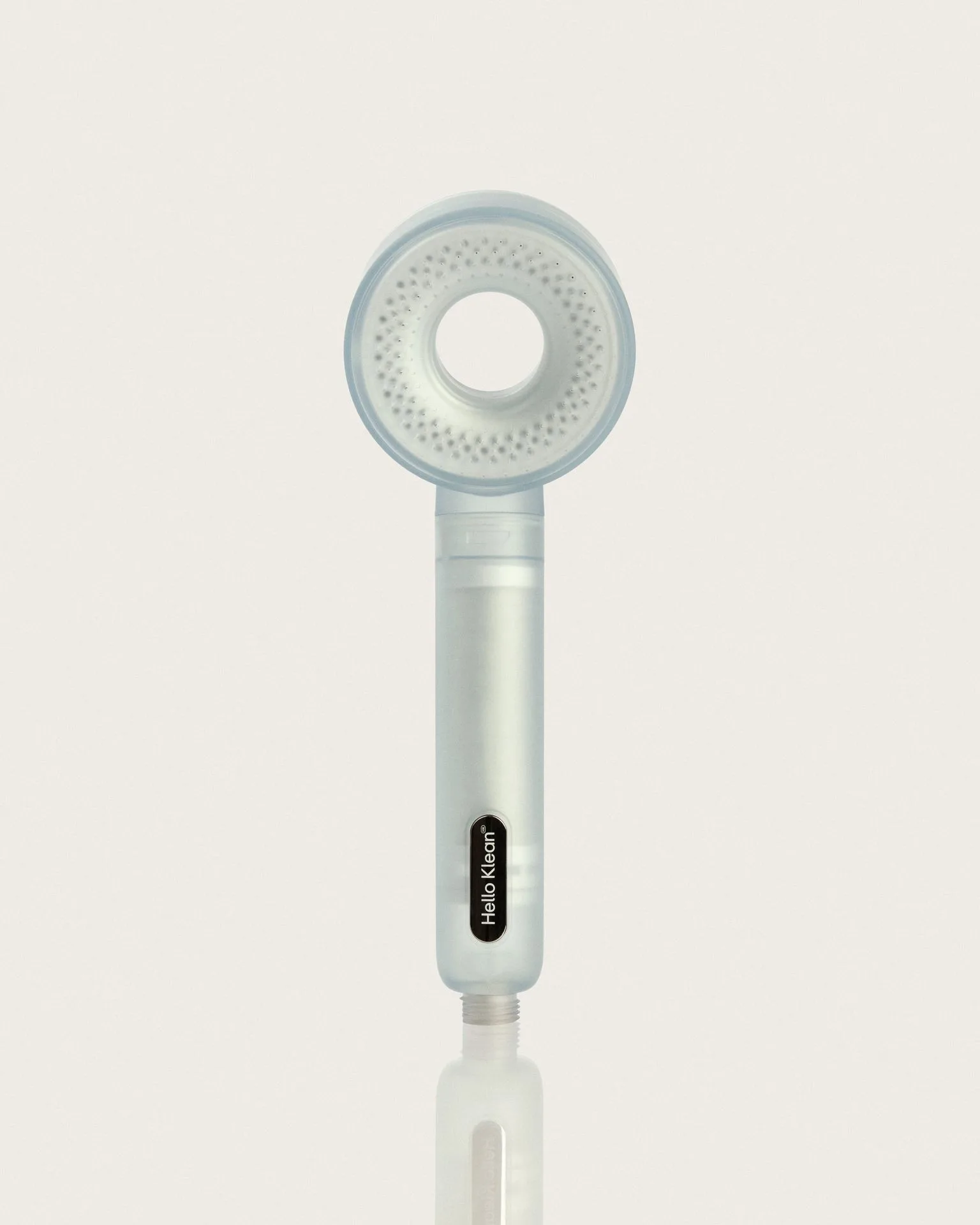
Hello Klean Shower Head