Quick answer
Choose the Dane-Elec 2GB Standard SD for older cameras and devices that require standard SD media under 4GB; choose the Lexar 128GB Professional 2000x SDXC for modern DSLRs, camcorders, and 4K workflows that support SDXC and UHS-II.
Why capacity and format decide compatibility first
The Dane-Elec card is standard SD, designed for devices that cannot read SDHC or SDXC cards. The Lexar card is SDXC, which requires a host device that explicitly supports the SDXC format. Many cameras made before SDHC became common will not recognize SDXC cards at all, even if the card physically fits.
Check your camera or device manual for the supported card types before buying. If it lists only SD, the Dane-Elec is the safe choice. If it lists SDXC or UHS-II, the Lexar card can unlock higher capacity and speed.
Speed differences that change how you shoot
The Lexar 2000x card uses UHS-II technology with a read transfer speed up to 300MB/s and includes a UHS-II reader, which speeds up file transfers to your computer. It is rated U3 for video, so it supports high-quality 1080p, 3D, and 4K recording on compatible cameras.
The Dane-Elec 2GB card does not list a speed rating in the supplied specs. For older cameras that shoot small files or MP3 players, that is usually fine, but it is not the card to choose for continuous burst shooting or high-bitrate video.
The real trade-off: legacy compatibility vs modern headroom
The Dane-Elec wins on compatibility with legacy devices and costs less upfront, but its 2GB capacity fills quickly with modern photo and video files. The Lexar offers far more storage and much faster transfers, but it costs more and will not work in devices limited to standard SD.
There is no single card that covers both ends of that spectrum well. Match the card to the device, not the other way around.
Trade-offs at a glance
- Device compatibility: The Dane-Elec works only in standard SD slots; the Lexar requires SDXC support. Check your manual before buying. If your device lists SDHC or SDXC support, the Lexar may work; if it lists only SD, choose the Dane-Elec.
- Capacity: 2GB versus 128GB. The Dane-Elec suits small files and legacy devices; the Lexar holds large photo and video libraries. Estimate your typical file sizes per shoot to see which capacity you actually need.
- Speed and workflow: The Lexar offers UHS-II speeds and a bundled reader for fast transfers; the Dane-Elec has no listed speed rating. If you shoot bursts or 4K video, the Lexar's speed rating matters; for basic older-camera use, it does not.
Product facts
-
Dane-Elec 2GB Standard SD Memory Card: Standard SD card designed for devices that require standard SD media under the 4GB threshold. It works in older cameras and MP3 players that cannot read SDHC or SDXC cards.
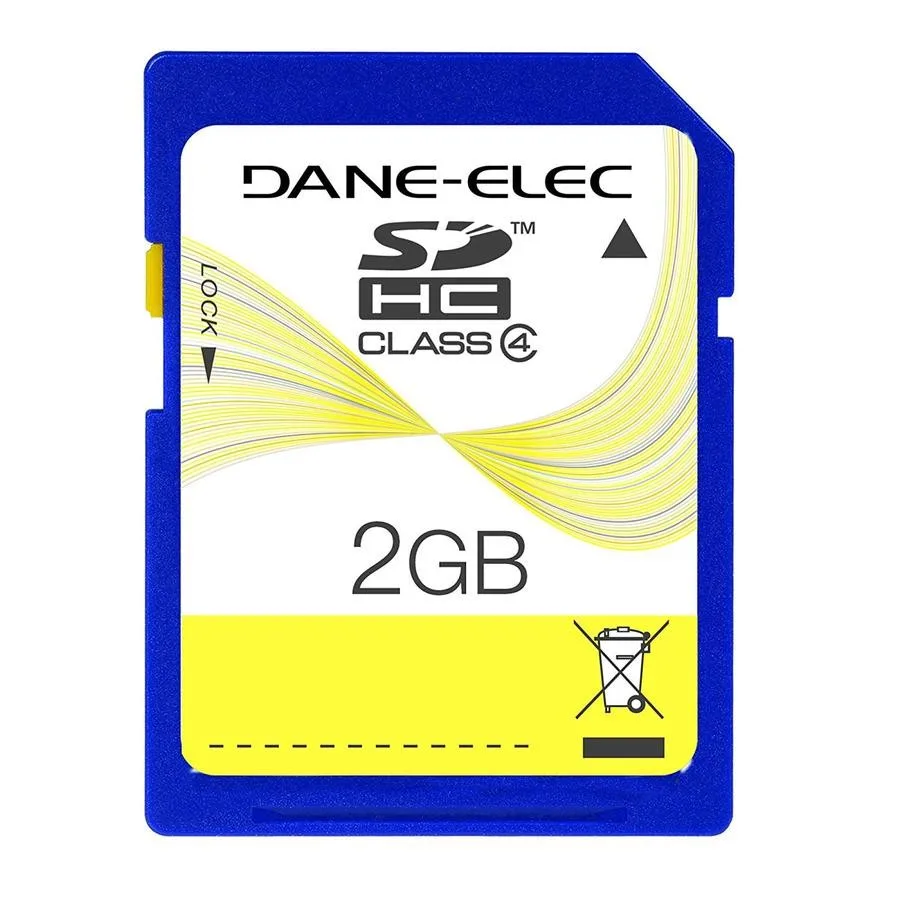
Dane-Elec 2GB Standard SD Memory Card
-
Lexar 128GB Professional 2000x UHS-II SDXC Memory Card Gold Series - Open box: UHS-II SDXC card with read transfer speed up to 2000x (300MB/s) and an included SD UHS-II reader. It speeds up file transfers and supports 4K video capture on compatible cameras.
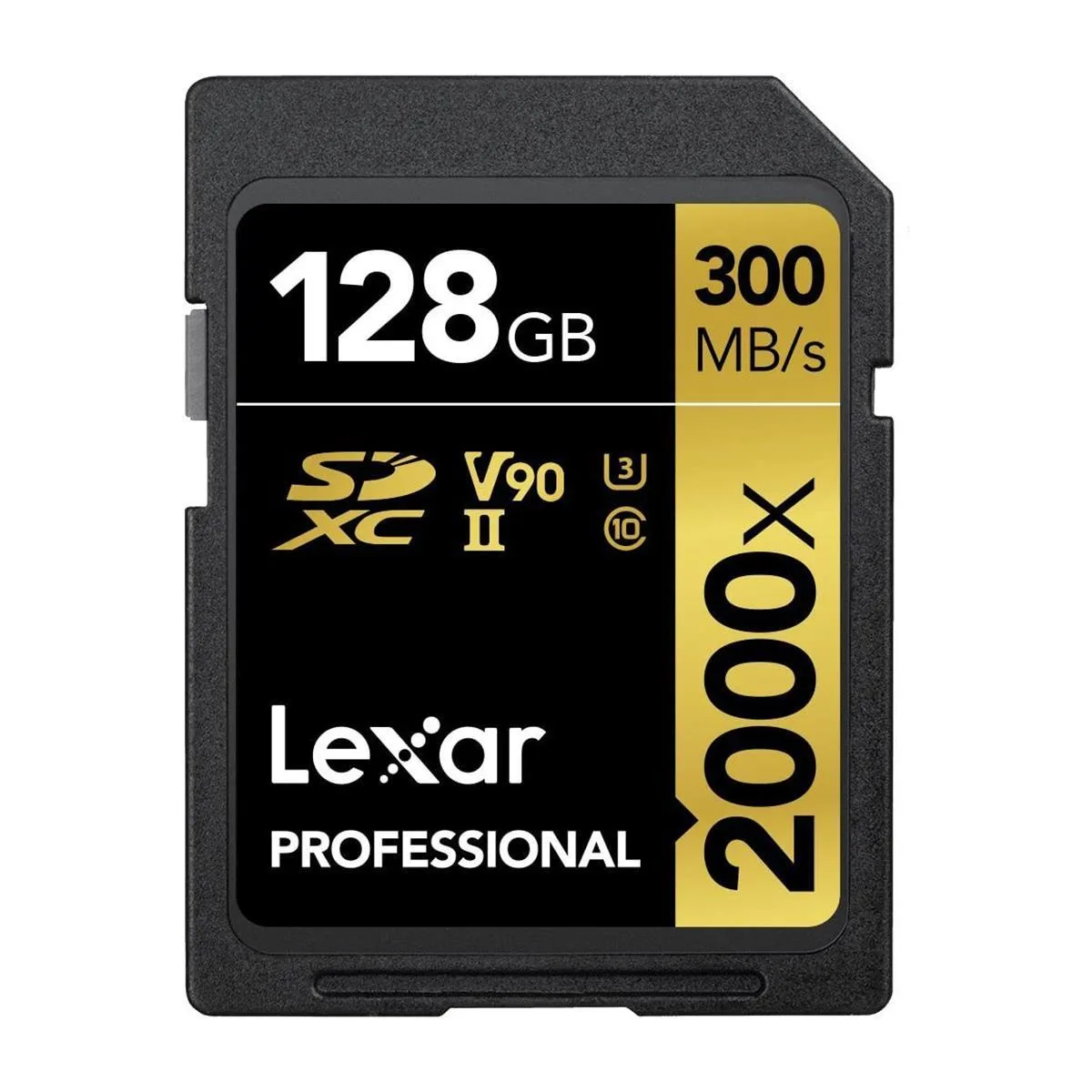
Lexar 128GB Professional 2000x UHS-II SDXC Memory Card Gold Series - Open box
Which card is right for you?
Best for
- Older digital cameras and MP3 players that require standard SD media under 4GB
- Users who need a low-cost card for legacy devices
Not for
- Modern cameras that support SDXC and need high-capacity or high-speed storage
- Shooting 4K video or continuous bursts