Darjeeling 2nd flush is often called the 'champagne of teas' for a reason. Harvested in late spring to early summer, these leaves develop a distinct muscatel flavor—a sweet, fruity note reminiscent of muscat grapes. But not all second flush Darjeelings are created equal. Whether you're new to Darjeeling black tea or a seasoned drinker, knowing what separates a premium cup from an average one can transform your tea experience.
This buying guide walks you through the key factors: harvest timing, leaf appearance, aroma, and how to identify genuine muscatel character. We'll also touch on reputable estates and why loose leaf Darjeeling is the gold standard for this tea.
What Is Darjeeling 2nd Flush?
Darjeeling tea is grown in the Darjeeling district of West Bengal, India, at high altitudes. The year is divided into flushes—first flush (spring), second flush (summer), monsoon flush, and autumn flush. The second flush, typically harvested from May to June, yields leaves that are more oxidized than first flush, resulting in a fuller body and the prized muscatel flavor. The weather during this period—warm days and cool nights—concentrates the essential oils in the leaf, creating that distinctive fruity-spicy note.
Second flush Darjeeling is often considered the pinnacle of Darjeeling black tea. Its amber liquor, complex aroma, and lingering finish make it a favorite among connoisseurs. However, the term '2nd flush' can be misused, so understanding what to look for is crucial.
Key Quality Indicators for Premium Darjeeling 2nd Flush
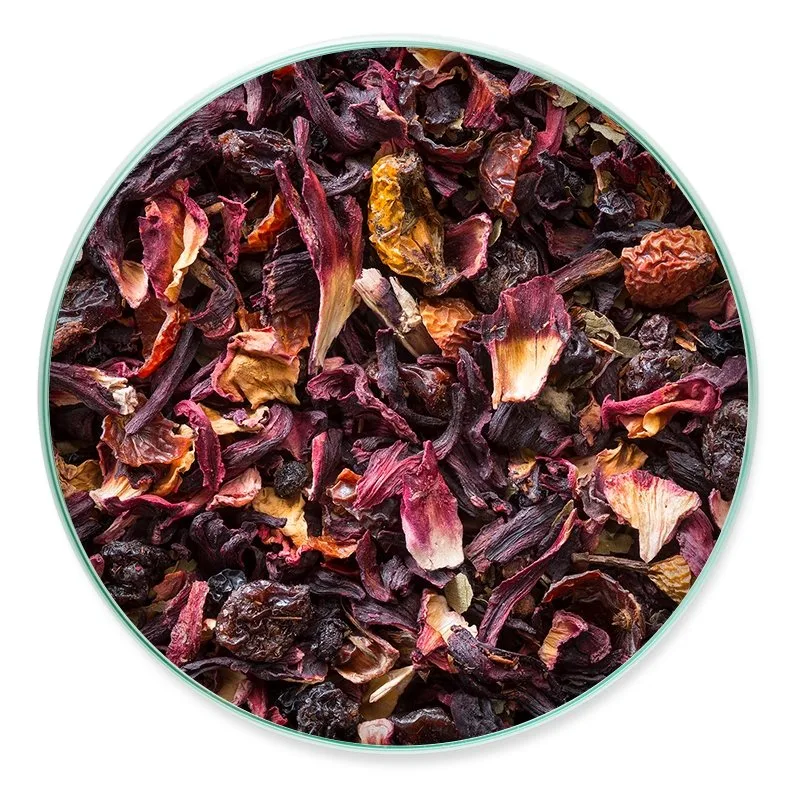
When shopping for Darjeeling 2nd flush, start with the leaf appearance. Look for whole leaves that are dark, twisted, and sometimes tipped with silver or gold. Broken leaves or dust indicate lower quality. Premium loose leaf Darjeeling should have a uniform size and shape, showing careful handling during processing.
Next, evaluate the aroma. Dry leaves should smell fruity and slightly spicy, with hints of honey or flowers. After steeping, the liquor should be bright amber to copper, not murky. The flavor should have a distinct muscatel character—sweet and grape-like—without bitterness. Astringency is normal but should be balanced by a smooth mouthfeel.
- Check the harvest date: genuine second flush is picked May–June.
- Prefer whole leaf grades like FTGFOP (Fine Tippy Golden Flowery Orange Pekoe).
- Avoid teas labeled only 'Darjeeling blend' without estate or flush details.
Muscatel Flavor: The Hallmark of Second Flush
The muscatel flavor is what sets second flush apart from other black teas. It's a natural result of the tea plant's response to insect bites during the growing season, which triggers the production of specific aromatic compounds. Not every second flush tea will have strong muscatel notes; the intensity depends on the estate, altitude, and weather that year. High-quality Darjeeling 2nd flush will have a pronounced muscatel character that lingers on the palate.
When tasting, look for a sweet, fruity, slightly spicy flavor that reminds you of muscat grapes or raisins. Some teas also have floral or nutty undertones. If the tea tastes flat, grassy, or overly astringent, it may be a lower grade or mislabeled flush. Always buy from reputable sources that provide estate and flush information.
How to Brew Darjeeling 2nd Flush for Best Flavor
To fully appreciate a premium Darjeeling 2nd flush, proper brewing is essential. Use fresh, filtered water heated to around 90–95°C (194–203°F). For loose leaf tea, use about 2–3 grams per 200 ml cup. Steep for 2–3 minutes for the first infusion. The leaves can be re-steeped 2–3 times, with slightly longer steeps for subsequent cups.
Avoid boiling water, which can scorch the delicate leaves and bring out bitterness. Use a teapot or a gaiwan to allow the leaves to unfurl. A glass or porcelain vessel is ideal to appreciate the liquor color. If you prefer convenience, tea bags can work, but the flavor is often less nuanced. For a truly premium experience, opt for loose leaf Darjeeling from a trusted purveyor.
- Water temperature: 90–95°C (just off the boil).
- Steep time: 2–3 minutes; adjust to taste.
- Use 1 teaspoon of loose leaf per cup.
Where to Buy Authentic Darjeeling 2nd Flush
Authenticity is key when buying Darjeeling tea. Look for sellers that specify the estate and flush on the packaging. Reputable estates include Makaibari, Castleton, and Jungpana, among others. Good & Proper Tea offers a curated selection of single-estate teas; for example, their GUEST TEA Kumari Gold - Loose Leaf is a fine Darjeeling with classic muscatel notes. Another option is the Signature Matcha, which, while not Darjeeling, shows the store's commitment to quality sourcing.
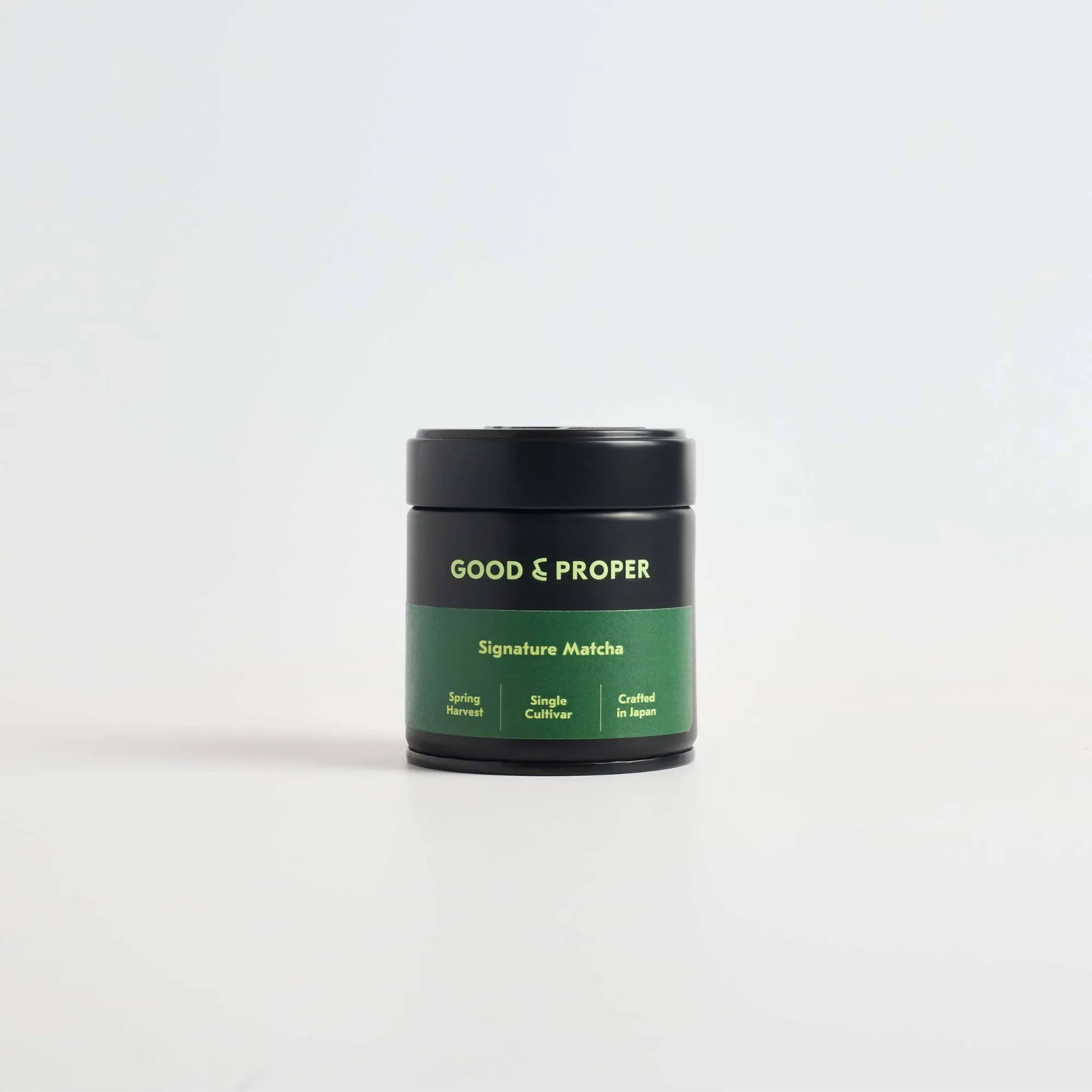
Signature Matcha
When buying online, read product descriptions carefully. They should mention the flush, harvest year, and tasting notes. Avoid vague terms like 'premium blend.' If possible, purchase small quantities first to sample before committing to a larger size. Proper storage in an airtight container, like a Glass Storage Jar, will keep your tea fresh for months.
Darjeeling 2nd flush is a world-class black tea with a unique muscatel flavor that rewards careful selection. By focusing on leaf appearance, aroma, and estate transparency, you can find a premium cup every time. Whether you're exploring single-estate offerings or sampling from a trusted retailer, this guide gives you the tools to buy with confidence and enjoy one of tea's great treasures.