Quick Answer
Pick Darjeeling second flush when you want a light, aromatic cup with muscatel and floral notes that rewards careful brewing. Pick Assam orthodox when you want a bold, malty, full-bodied cup that stands up to milk and a rushed morning. Both are whole-leaf orthodox black teas, so the real difference is flavor weight, not quality.
What 'Second Flush' and 'Orthodox' Actually Mean
Second flush refers to the harvest period: Darjeeling bushes are plucked again after the first spring picking, and those leaves typically carry the muscatel character the region is known for. Orthodox refers to processing, not season. Orthodox methods keep whole leaves intact and preserve natural oils, which is why both teas in this comparison taste layered rather than flat.
That distinction matters because a Darjeeling second flush and an Assam orthodox can be processed the same way and still land in completely different cups. One is a high-grown, slow-maturing leaf; the other comes from Assam gardens known for bold, malty character. Processing explains the texture. Origin explains the flavor.
Flavor and Body: Muscatel vs Malty
Darjeeling second flush leans delicate: muscat grape, honey, and a gentle floral aroma with a smooth, mellow finish. It reads almost like a light oolong in weight, so it is best drunk without milk. Assam orthodox is the opposite direction — bold and distinct, with a full body that holds its shape when you add milk or a plant-based alternative.
If you are coming from coffee, Assam is usually the easier landing. If you already drink green or white tea and want to step into black tea, Darjeeling second flush is the gentler bridge.
How to Brew Each One Without Wrecking It
Use about 2 grams of leaf per 200 ml of water. For Darjeeling second flush, pour water at roughly 85–90°C and steep 3 minutes, then taste. Going hotter or longer flattens the muscatel notes into generic bitterness. For Assam orthodox, use water just off the boil, about 95°C, and steep 3–4 minutes; it can take a longer steep without turning harsh.
Both teas are whole-leaf, so give them room. A basket infuser or a small teapot beats a narrow ball infuser, which packs the leaves and slows extraction. If you drink chai-style tea with milk and spices, skip both of these and start from a CTC-based blend instead — whole-leaf orthodox teas are wasted under heavy milk and sugar.
Caffeine, Cost, and Daily Practicality
Neither catalog listing states an exact caffeine figure, so treat any precise number you see elsewhere as an estimate. What you can rely on is leaf style: whole-leaf orthodox teas generally extract more gradually than broken CTC, so the lift tends to feel steadier rather than sharp.
On price, the Darjeeling second flush sits well above the Assam orthodox in this store's catalog, and both are listed with a comparison price. If you drink three or four cups a day, the Assam is the more economical daily driver. If you drink one considered cup in the afternoon, the Darjeeling earns its place.
Trade-Offs to Accept Before You Buy
- Flavor intensity vs nuance: Assam orthodox gives you a bold, malty cup that is unmistakable even if your brewing is sloppy. Darjeeling second flush gives you muscatel and floral nuance that disappears if you over-steep or use boiling water. Choose based on how much attention you will actually pay at 7 a.m.
- Milk compatibility vs purity: Assam orthodox holds up to milk and a longer steep. Darjeeling second flush is at its best plain — milk covers the exact muscatel character you paid for. If you always add milk, the Assam is the lower-risk buy.
- Price per cup vs occasion: The Darjeeling second flush is listed at a higher catalog price than the Assam orthodox, and both are shown with a comparison price. The gap only makes sense if you drink it as an occasional cup rather than a daily habit. Buy the Darjeeling for a specific ritual; buy the Assam for volume.
The Two Teas Side by Side
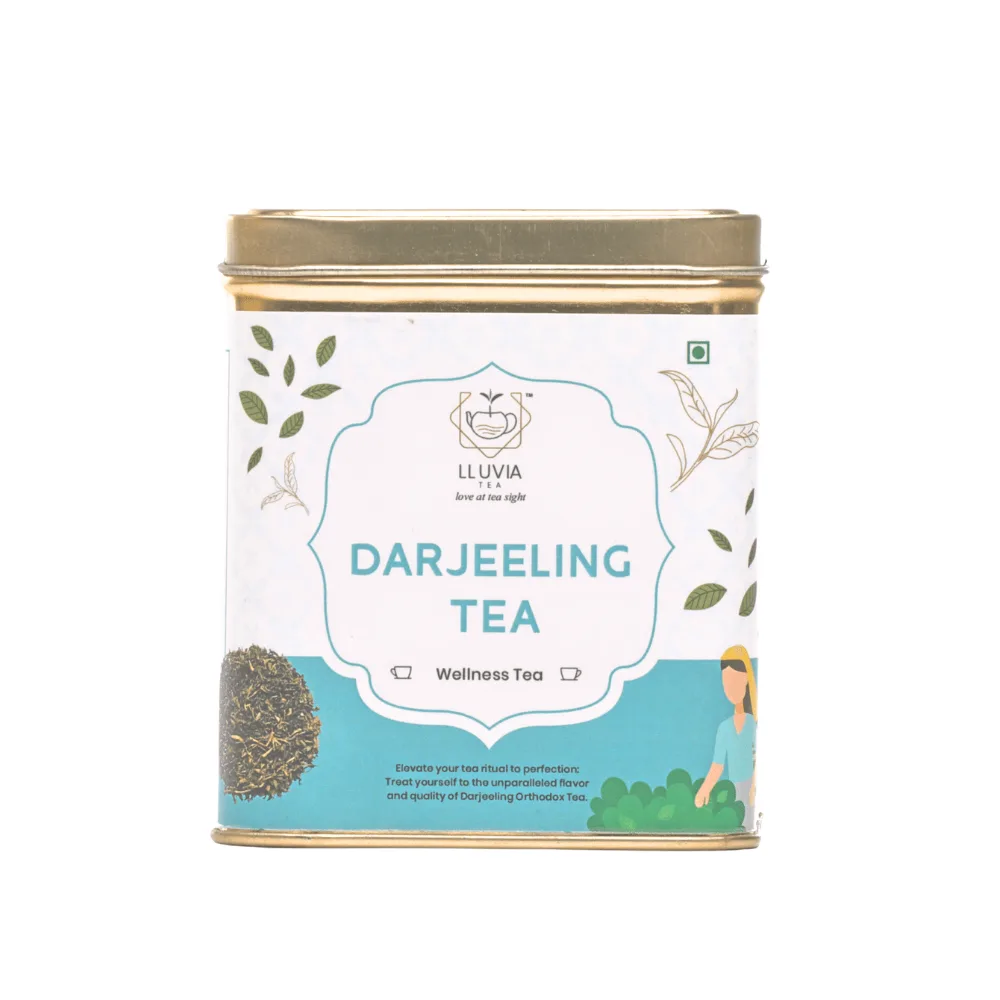
- Darjeeling Tea - Stress Relief | Skin Health | Rich in Antioxidants Second flush(50gm): Hand-plucked Darjeeling orthodox whole-leaf tea from the highlands of Darjeeling, India, described as having a delicate muscatel flavor with sweet floral aroma and a smooth, mellow finish. The muscatel-and-floral profile is what separates second flush from every other black tea on the shelf, so brew it plain and at a lower temperature to keep those notes intact.
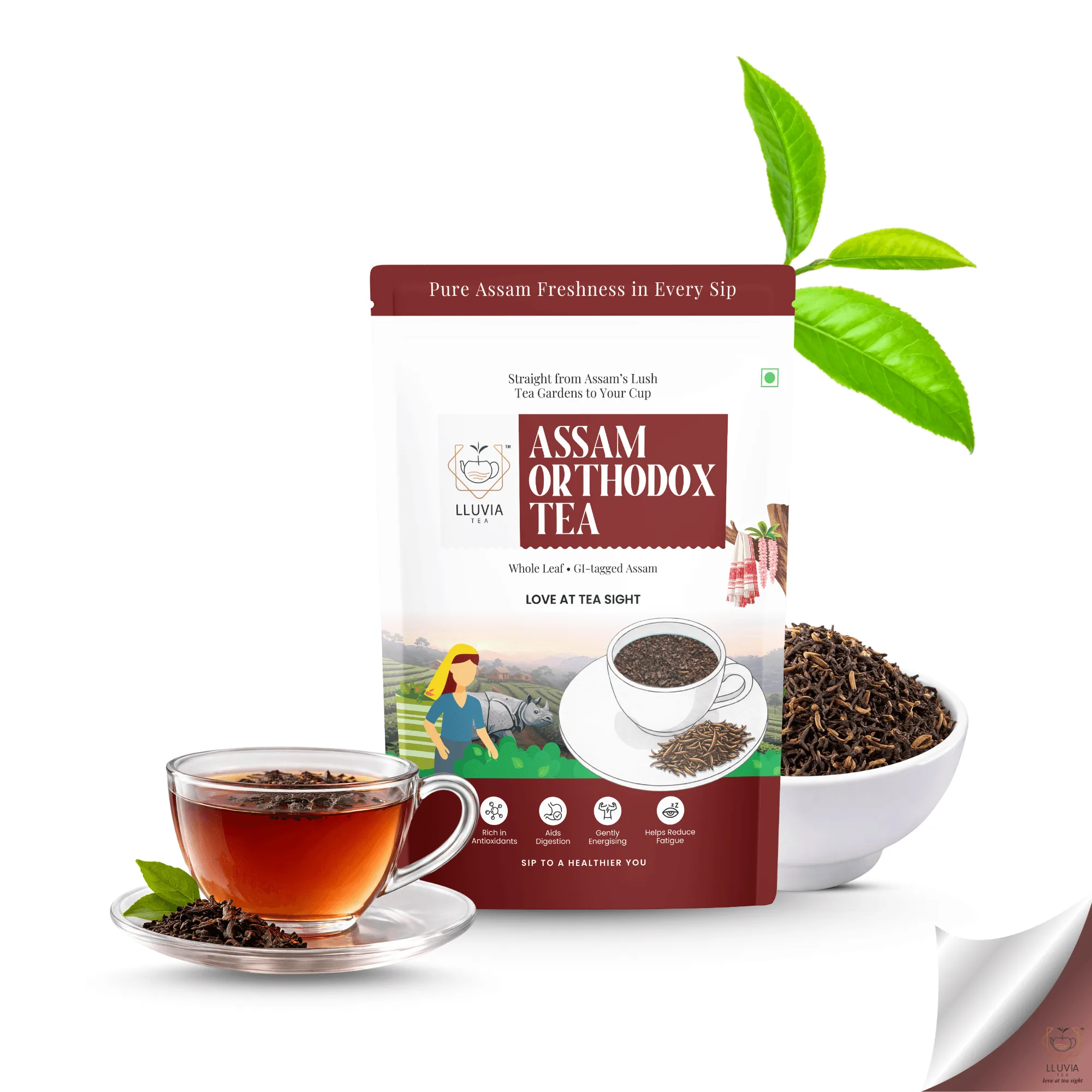
- Assam Classic Orthodox Tea (100gm) | Premium Loose Leaf with Antioxidants for Health & Wellness: Assam Classic Orthodox blend sourced from Assam gardens, handpicked and processed with traditional orthodox methods to preserve the leaf, with a bold flavor and distinct character. Because the leaf is whole rather than broken, you get Assam's malty depth without the astringent edge that cheap CTC versions often have — it works as a daily cup and still handles a splash of milk.
Which One Should You Buy?
Best for
- Drinkers who want a light, aromatic, milk-free afternoon cup with muscatel and floral notes
- Anyone stepping up from green or white tea into black tea
- Gifting or serving a tea that tastes noticeably different from a standard breakfast blend
Not for
- People who want a strong, malty cup they can drink with milk every morning
- Anyone who wants a spiced or masala-style chai — a CTC blend is the right base for that
- Drinkers who will not adjust water temperature or steep time