Two Chocolate Gems, Two Distinct Experiences
If you're choosing between dark chocolate peanut gems and milk chocolate gems, the real difference isn't just the chocolate type—it's the combination of flavor, texture, and ingredients that changes the whole snacking experience. Both are crunchy, candy-coated treats with a peanut center, but the chocolate coating and sweetness level set them apart.
Dark chocolate peanut gems use a dark chocolate coating made from chocolate liquor, cane sugar, cocoa butter, and vanilla, with a touch of organic cane sugar and natural colors from beet juice and spirulina. Milk chocolate gems typically use a sweeter, creamier milk chocolate coating. The result: dark chocolate gems offer a richer, less sweet bite with a slight bitterness, while milk chocolate gems are milder and more candy-like.
Flavor and Sweetness: Dark vs. Milk Chocolate Gems
- Dark Chocolate Peanut Gems: The dark chocolate coating is less sweet, with a deeper cocoa flavor from chocolate liquor and cocoa butter. The organic cane sugar adds a subtle sweetness, but the overall profile is more sophisticated and less sugary. The natural colors (beet juice, spirulina) give a slightly earthy note.
- Milk Chocolate Gems: Milk chocolate gems use milk solids and more sugar, creating a sweeter, creamier taste that many associate with classic candy. The flavor is milder and more familiar, making them a crowd-pleaser for kids and those who prefer a sweeter snack.
What the Label Tells You About Dark Chocolate Peanut Gems
-
Dark chocolate peanut gems - everyday 5 oz: Ingredients: Dark chocolate (chocolate liquor, cane sugar, cocoa butter, vanilla), roasted peanuts (peanuts, peanut oil), organic cane sugar, gum acacia, colored with (beet juice, spirulina extract), organic tapioca syrup, carnauba wax. This ingredient list shows that dark chocolate gems use real cocoa butter and chocolate liquor, not just cocoa powder, which contributes to the richer, less sweet flavor. The absence of milk solids makes them a different texture and taste compared to milk chocolate.
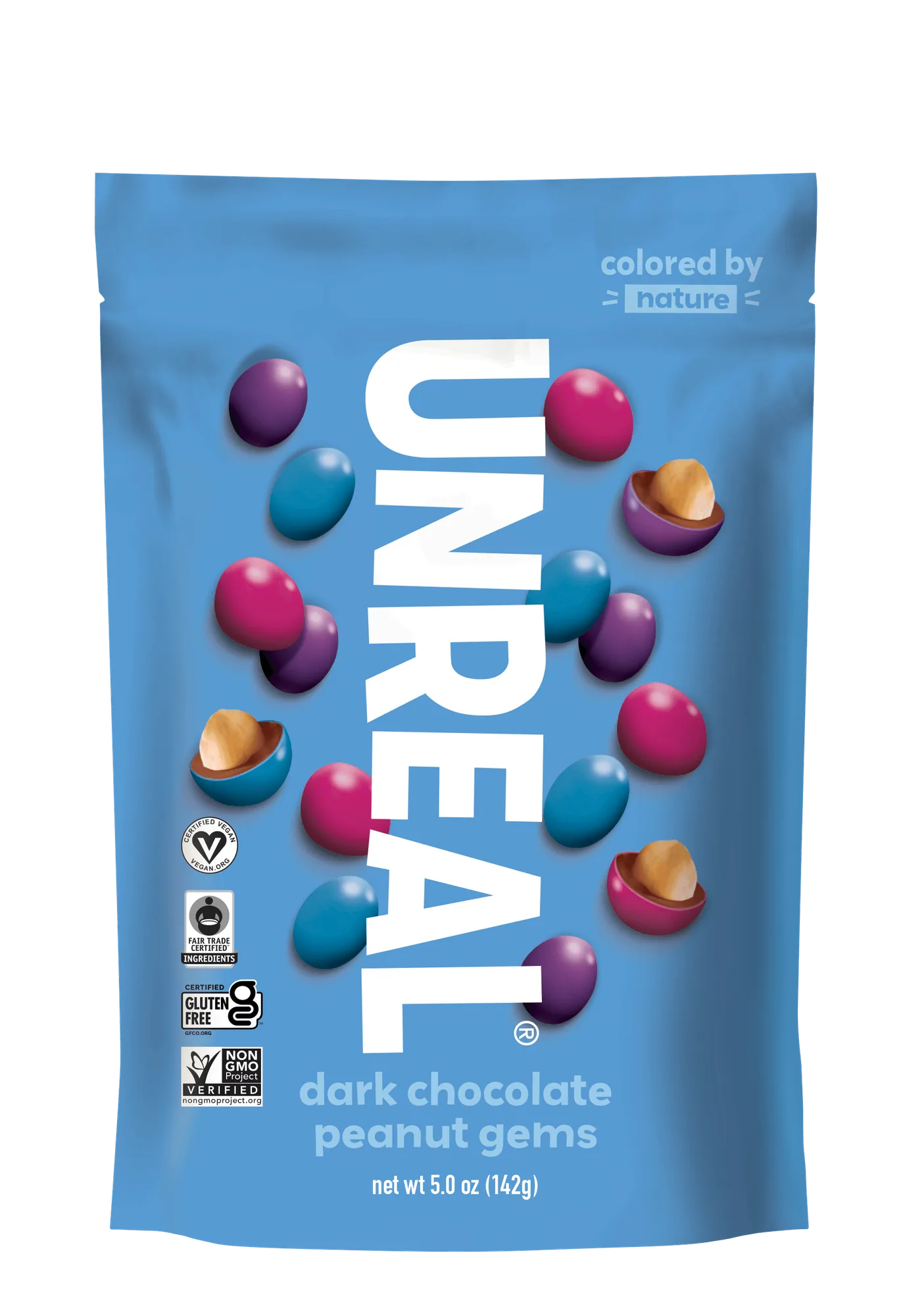
Dark chocolate peanut gems - everyday 5 oz
-
Dark chocolate peanut gems - everyday 5 oz: Allergen Information: Contains peanuts. Made in a facility that handles tree nuts, soy, wheat and milk. If you have milk allergies, dark chocolate gems are made on equipment that processes milk chocolate, so they may still carry trace milk. Milk chocolate gems obviously contain milk. Both share peanut and tree nut cross-contact risks.
Texture and Coating Differences
Both gem types have a crunchy candy shell from organic cane sugar, tapioca syrup, and carnauba wax. The shell is similar, but the chocolate underneath differs. Dark chocolate gems have a firmer, slightly more brittle chocolate layer because dark chocolate has a higher cocoa butter content and no milk solids. Milk chocolate gems have a softer, creamier chocolate that melts faster at room temperature.
If you eat them by the handful, the firmer dark chocolate holds up better against melting, especially in warmer conditions. Milk chocolate gems may soften more quickly, making them messier in a lunchbox or on the go.
Nutritional Snapshot (per serving)
For dark chocolate peanut gems, one serving (13 pieces, 30g) contains 150 calories, 10g total fat (4g saturated), 16g total carbohydrates (13g sugars, 2g fiber), and 3g protein. Milk chocolate gems will have similar calorie and fat counts, but likely slightly more sugar and less fiber, since dark chocolate often has a touch more fiber from cocoa solids. The biggest practical difference: dark chocolate gems have 0mg sodium and 0mg cholesterol, which may matter for dietary restrictions.
Who Should Choose Which?
Choose dark chocolate peanut gems if you prefer a less sweet, more intense chocolate flavor and want to avoid milk ingredients (though cross-contact is possible). They're a good fit for adults who enjoy dark chocolate's bitterness and want a snack that feels less like candy.
Choose milk chocolate gems if you want the classic, sweet, creamy chocolate taste that most kids and casual snackers love. They're more approachable for a mixed-age group or for pairing with other sweets.
The Bottom Line
Both are excellent peanut gems with a crunchy shell and roasted peanut center. The decision comes down to your chocolate preference: dark for a richer, less sweet bite; milk for a familiar, sweeter treat. There's no wrong choice—just the right one for your taste.