Coffee lovers often face a delightful dilemma: dark roast or light roast? While both come from the same humble coffee bean, the roasting process transforms them into entirely different experiences. Whether you crave a bold, smoky cup or a bright, fruity brew, understanding the nuances of each roast level can elevate your daily ritual.
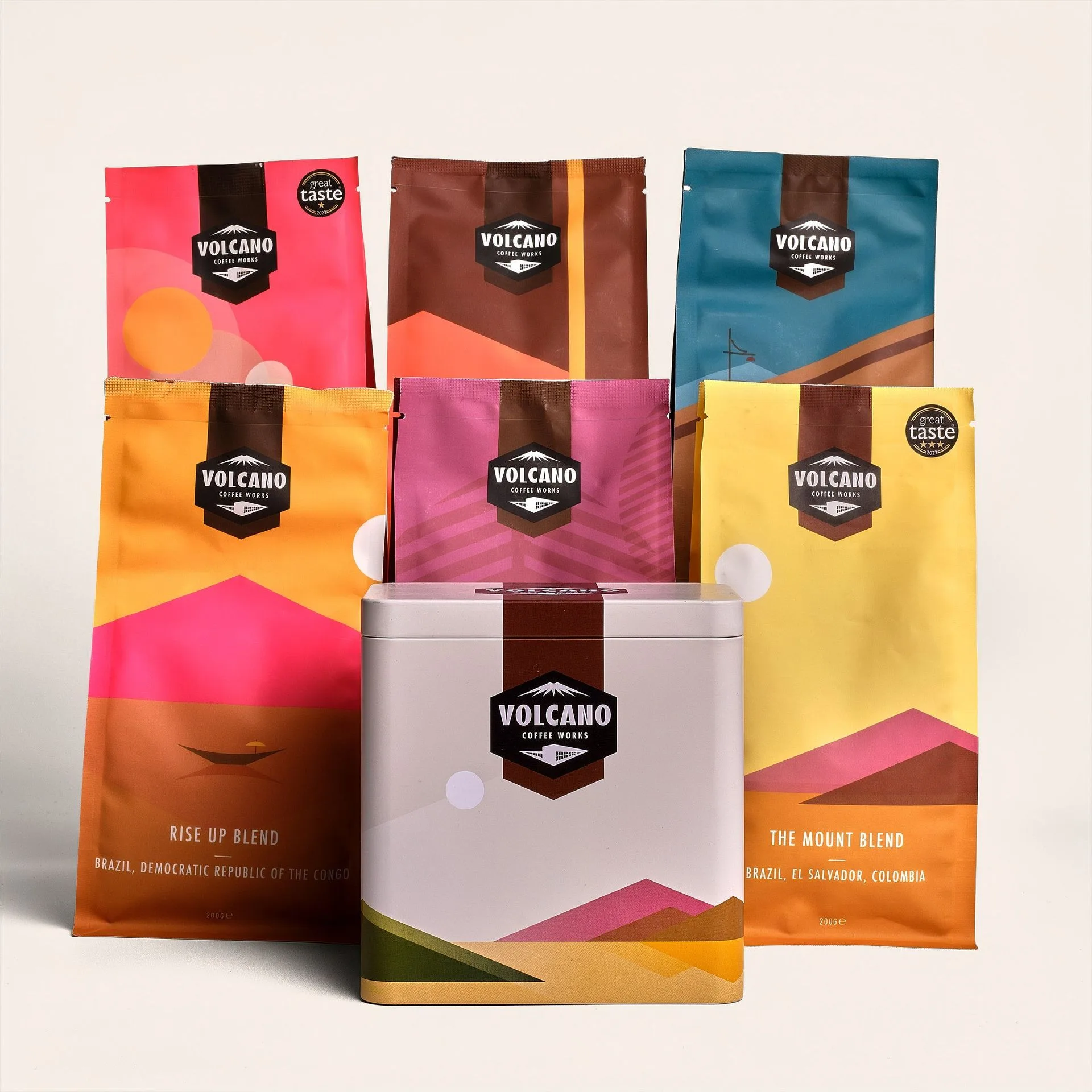
In this guide, we’ll break down the science and art behind dark and light roasts, compare their flavor profiles, caffeine content, and best brewing methods, and help you decide which one deserves a spot in your pantry. We’ll also highlight some of our favorite offerings from Volcano Coffee Works to help you get started.
What Defines a Dark Roast vs a Light Roast?
The primary difference between dark roast and light roast coffee lies in the roasting time and temperature. Light roasts are roasted for a shorter duration, typically reaching an internal temperature of around 196°C to 205°C. This preserves the bean’s original characteristics, resulting in a bright, acidic, and complex flavor profile with floral and fruity notes.
Dark roasts, on the other hand, are roasted longer, often exceeding 220°C. This extended exposure breaks down the bean’s cellular structure, producing oils on the surface and creating a rich, bold, and smoky taste. The original origin flavors are largely replaced by roasty notes, making dark roasts more uniform in taste across different origins.
- Light roasts are often labeled as 'Cinnamon Roast' or 'New England Roast', while dark roasts go by 'French Roast' or 'Italian Roast'.
Flavor Profile: Bright & Fruity vs Bold & Smoky
If you enjoy a cup that dances on your tongue with hints of berry, citrus, or jasmine, a light roast is your best bet. These coffees retain the bean’s innate acidity and complexity, offering a vibrant, tea-like body. They are perfect for pour-over methods or Aeropress, where the delicate notes can shine.
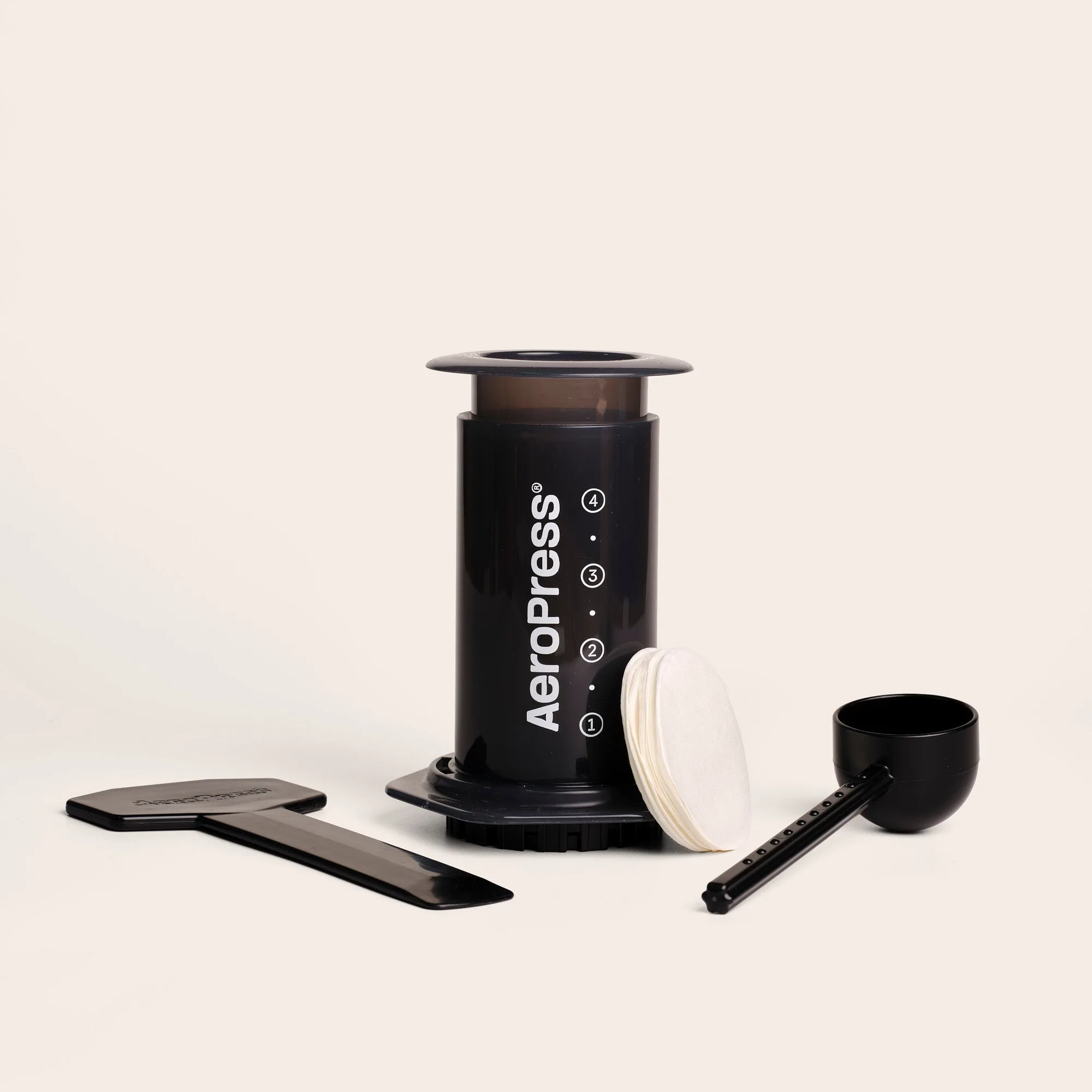
Aeropress
Dark roasts deliver a full-bodied, velvety mouthfeel with notes of chocolate, caramel, and toasted nuts. The bitterness is more pronounced, but when done right, it’s a pleasant, bittersweet finish. This roast excels in espresso-based drinks, where its intensity cuts through milk and creates a robust foundation for lattes and cappuccinos.
Caffeine Content: Does Roast Level Matter?
A common myth is that dark roast contains more caffeine because it tastes stronger. In reality, caffeine content is nearly identical by weight before roasting. However, dark roasts lose more moisture and become less dense, so a scoop of dark roast beans will contain slightly more caffeine than the same scoop of light roast. Conversely, light roasts are denser, so by volume they may have less caffeine per bean.
For most home brewers, the difference is negligible. What matters more is your brewing method and coffee-to-water ratio. If you’re looking for a consistent, high-caffeine kick, our Fullsteam Espresso Subscription delivers a bold dark roast blend that’s perfect for espresso shots or strong drip coffee.
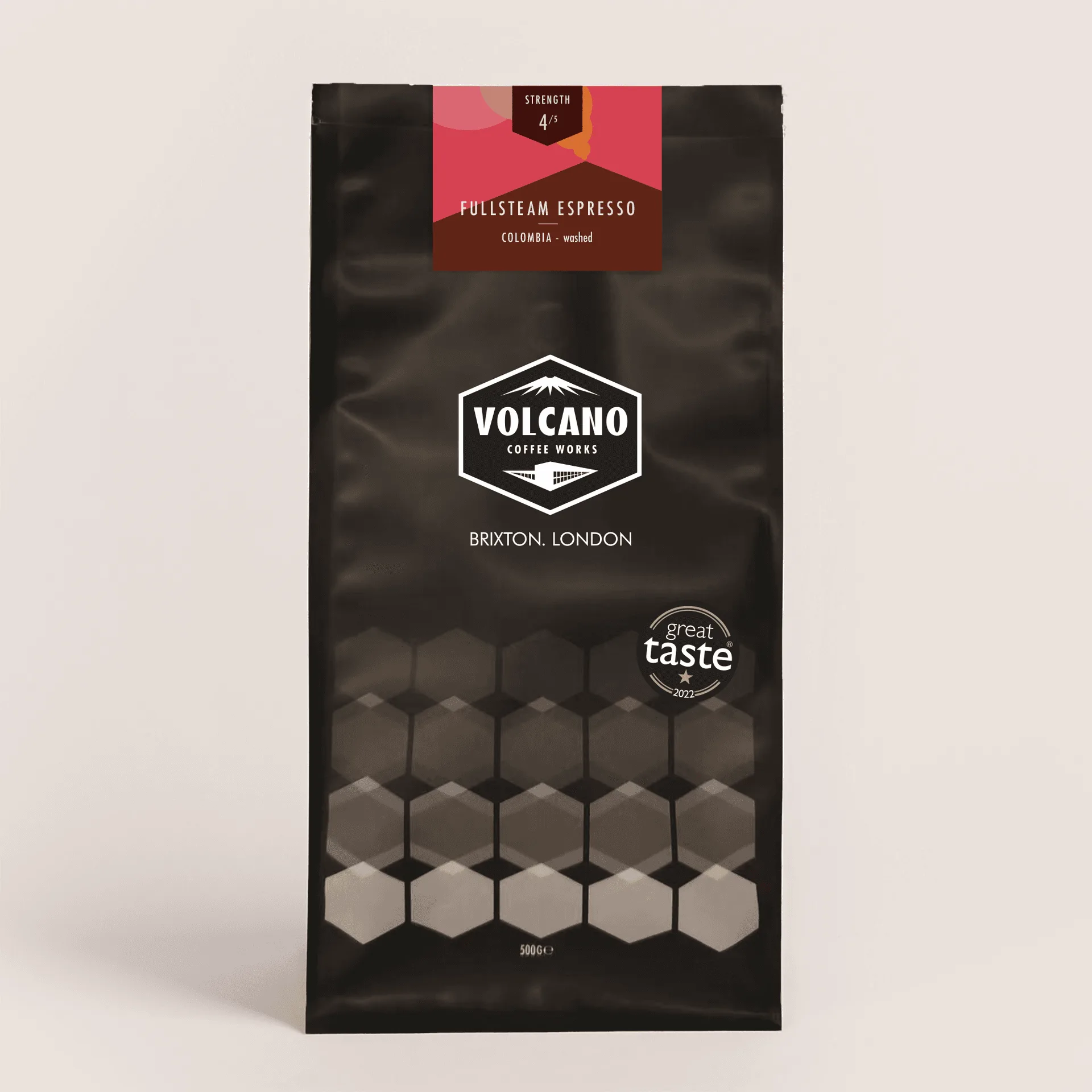
Fullsteam Espresso Subscription
- Tip: Use a scale to measure coffee by weight rather than volume for consistent caffeine and flavor.
Best Brewing Methods for Each Roast
Light roasts thrive with brewing methods that highlight clarity and acidity. Pour-over (like Hario V60), Chemex, and Aeropress are ideal, as they allow you to control water temperature and extraction time. Use water just off the boil (around 93°C) and a medium-fine grind to avoid over-extraction.
Dark roasts are more forgiving and pair beautifully with immersion methods like French press, espresso machines, or moka pots. The higher temperature and longer contact time help extract the rich oils and deep flavors. For a convenient option, our Decaf Coffee Pods Subscription offers a smooth dark roast decaf that works perfectly in pod machines.
- For espresso lovers, a dark roast like our Fullsteam Espresso Subscription provides a classic, chocolatey shot with thick crema.
Which Roast is Healthier?
Both roasts contain antioxidants, but light roasts retain more chlorogenic acid, which is linked to anti-inflammatory benefits. Dark roasts have lower acidity, making them gentler on the stomach for those with acid sensitivity. Ultimately, the healthiest coffee is the one you enjoy drinking without excessive sugar or cream.
How to Choose the Right Roast for You
Your personal taste preference is the ultimate guide. If you love bright, complex flavors and enjoy tasting the origin’s unique terroir, start with a light roast single origin like our House Brazil Coffee. If you prefer a bold, comforting cup that stands up to milk or sugar, a dark roast blend is your match.
Don’t be afraid to experiment! Many coffee enthusiasts rotate between roasts depending on the time of day or brewing method. A light roast pour-over in the morning and a dark roast espresso after dinner can keep your palate excited.
- Try a subscription to explore different roasts without commitment. Our Sombra Subscription offers a rotating selection of single origins and blends.
Whether you lean toward the bright, fruity notes of a light roast or the deep, smoky richness of a dark roast, the best coffee is the one that brings you joy. At Volcano Coffee Works, we roast both styles with care to highlight their unique qualities. Explore our Fullsteam Espresso Subscription for a bold dark roast experience, or try our Sombra Subscription to journey through rotating specialty coffees. Your perfect cup is just a roast away.