Vinegar, or suka, is a cornerstone of Filipino cooking. From the tangy adobo to the sour sinigang, the right vinegar can make or break a dish. Two of the most popular options in Filipino kitchens are Datu Puti Vinegar (Sukang Maasim) and cane vinegar. But what sets them apart, and which one should you reach for?
In this comparison, we'll explore the differences in taste, acidity, origin, and best uses for Datu Puti Vinegar and cane vinegar. Whether you're a seasoned cook or new to Filipino cuisine, this guide will help you choose the perfect suka for your next meal.
What Is Datu Puti Vinegar (Sukang Maasim)?
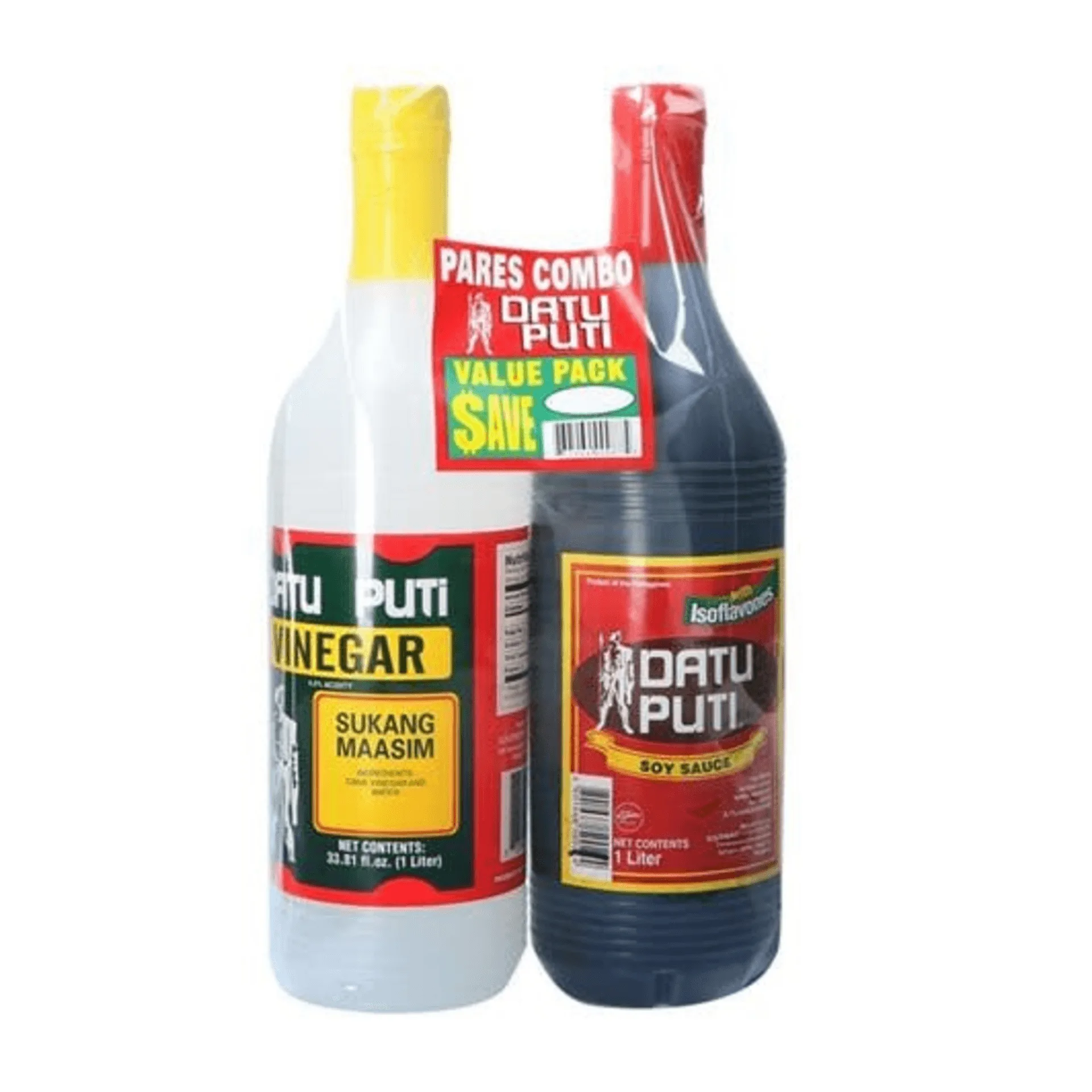
Datu Puti Vinegar is a brand of Filipino vinegar made from fermented sugarcane. It is often labeled as Sukang Maasim, which translates to sour vinegar. This vinegar is known for its clear, light color and sharp, clean acidity. It is a staple in many Filipino households and is widely used for dipping sauces, marinades, and cooking.
Datu Puti Vinegar has a distinct sourness that is not too harsh, making it versatile for various recipes. It is commonly used in adobo, where its acidity helps tenderize meat and balance the soy sauce. It also works well in dipping sauces for fried dishes like lumpia and fried fish.
- Made from sugarcane
- Clear and light in color
- Sharp but balanced acidity
- Great for adobo and dipping sauces
What Is Cane Vinegar?
Cane vinegar is a general term for vinegar made from sugarcane juice. While Datu Puti is a specific brand of cane vinegar, there are many other cane vinegar brands and artisanal varieties. Cane vinegar can range from light to dark in color, depending on aging and processing. It typically has a milder, slightly sweet flavor compared to distilled white vinegar.
In Filipino cooking, cane vinegar is often used for pickling (atchara), sinigang, and kinilaw (Filipino ceviche). Its mild acidity allows the other flavors in the dish to shine without overpowering them. Many home cooks prefer cane vinegar for recipes that require a gentler sourness.
- Made from sugarcane juice
- Mild, slightly sweet flavor
- Available in light or dark varieties
- Ideal for pickling, sinigang, and kinilaw
Key Differences Between Datu Puti and Cane Vinegar
While Datu Puti is a type of cane vinegar, it has its own unique characteristics. Datu Puti is specifically formulated to have a consistent acidity level (around 4-5%) and a clean, sharp taste. Other cane vinegars may vary in acidity and flavor due to differences in fermentation and aging. Datu Puti is also widely available in Filipino stores, making it a convenient choice.
In terms of taste, Datu Puti is more assertive, while generic cane vinegar tends to be milder. For dishes that need a strong vinegar punch, like adobo or pork stews, Datu Puti is often preferred. For delicate dishes like sinigang or ensalada, a milder cane vinegar might be better.
- Datu Puti: consistent acidity, sharp flavor
- Generic cane vinegar: variable acidity, milder taste
- Datu Puti: best for adobo and dipping
- Cane vinegar: best for sinigang and pickling
Best Uses for Datu Puti Vinegar
Datu Puti Vinegar excels in recipes that require a bold sourness. It is the classic choice for Filipino adobo, where it helps create the signature tangy-savory sauce. It is also perfect for making dipping sauces (sawsawan) with soy sauce, calamansi, and chili. Many cooks use it for pork or chicken stews that need a bright acidity.
You can also use Datu Puti Vinegar in marinades for grilled meats, as its acidity helps tenderize and infuse flavor. For a quick pickle, mix it with salt, sugar, and spices to pickle vegetables like carrots and papaya. Datu Puti is also excellent for cleaning and removing odors from fish and seafood.
- Adobo: the essential vinegar for authentic flavor
- Dipping sauces: combine with soy sauce and calamansi
- Marinades: tenderize meat for grilling
- Quick pickles: vegetables or fruits
Best Uses for Cane Vinegar
Cane vinegar's mildness makes it ideal for dishes where you want sourness without overwhelming other flavors. It is the traditional choice for sinigang, a sour soup typically made with tamarind but sometimes enhanced with vinegar. Cane vinegar is also used in kinilaw, where raw fish is cured in vinegar; a milder vinegar prevents the fish from becoming too tough.
For pickling, cane vinegar provides a gentle tang that lets the natural flavors of the vegetables shine. It is also used in some versions of paksiw (fish or pork stewed in vinegar) and in salad dressings. If you're making atchara (pickled papaya), cane vinegar is the preferred choice for a balanced sweet-sour taste.
- Sinigang: add a splash for extra sourness
- Kinilaw: cure fish gently
- Pickling: atchara and other pickled vegetables
- Paksiw: stewed fish or pork
Which One Should You Choose?
The choice between Datu Puti Vinegar and cane vinegar depends on your cooking needs. If you frequently cook adobo, make dipping sauces, or want a reliable, sharp vinegar, Datu Puti is your best bet. It is a versatile pantry staple that delivers consistent results. For dishes that require a subtle sourness, such as sinigang or kinilaw, opt for a milder cane vinegar.
Many Filipino households keep both types on hand. Datu Puti for daily cooking and dipping, and cane vinegar for special dishes that need a lighter touch. You can also experiment with other vinegar varieties like coconut vinegar or palm vinegar for unique flavors. Ultimately, the best vinegar is the one that suits your taste and recipe.
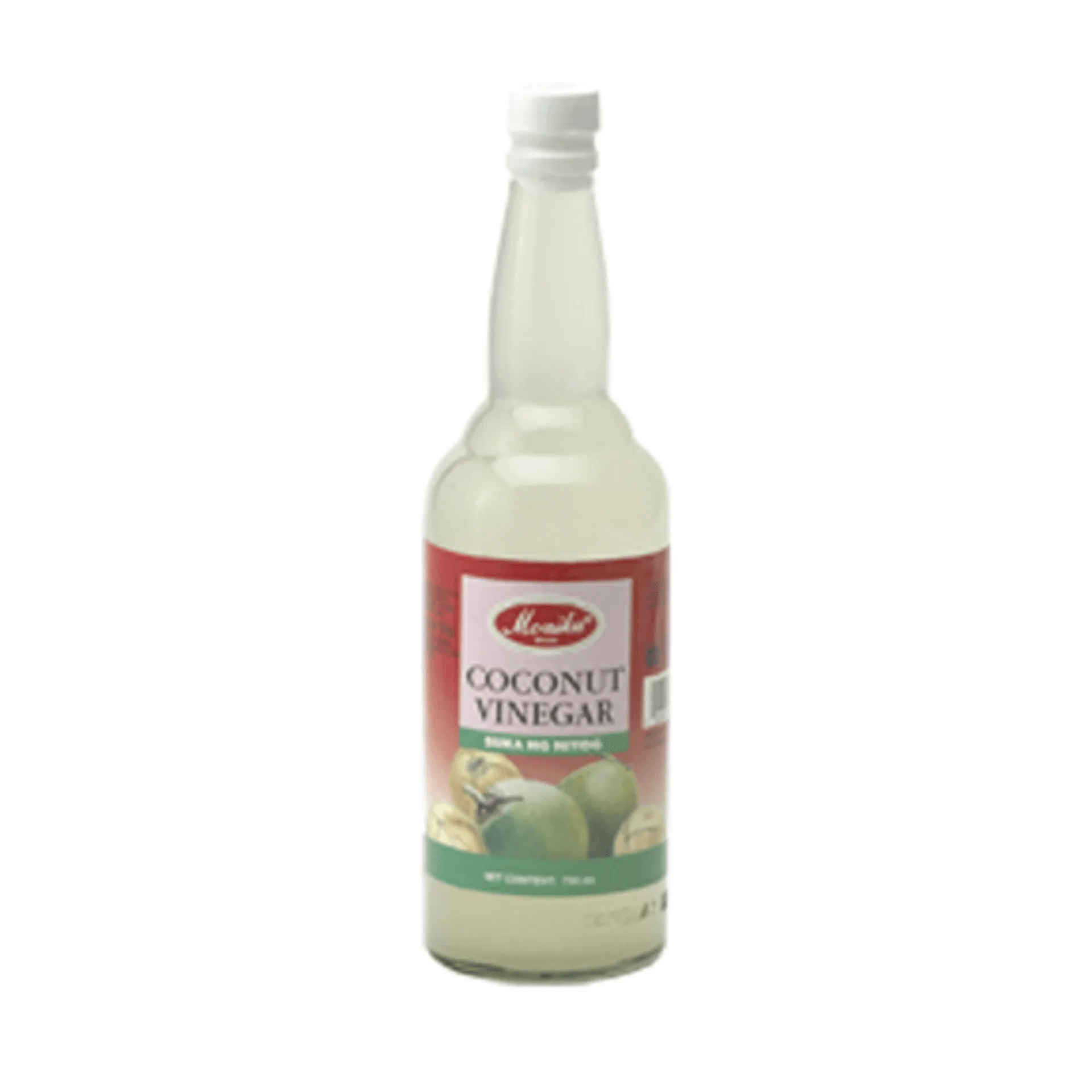
coconut vinegar
- Choose Datu Puti for bold, sharp acidity
- Choose cane vinegar for mild, gentle sourness
- Keep both for versatility in Filipino cooking
Whether you prefer the bold kick of Datu Puti Vinegar or the subtle tang of cane vinegar, both are essential in a Filipino kitchen. For your next adobo or dipping sauce, grab a bottle of Datu Puti Vinegar (Sukang Maasim) from Kuya Cris Filipino Store. Explore our selection of Filipino vinegars and other essentials to elevate your cooking.