Choosing the right day bag can transform your daily commute or weekend hike from a hassle into a pleasure. Whether you're navigating city streets or exploring mountain trails, the bag you carry needs to match your specific demands. Urban commuting and outdoor hiking place different stresses on a bag—from weight distribution and weather resistance to organization and style.
In this comparison, we break down the essential features of day bags for both settings. We'll look at what makes a bag ideal for the office-train-coffee shop routine versus what you need for a trail run or summit push. By the end, you'll know exactly which type of bag fits your lifestyle best.
Urban Day Bags: Style Meets Function for the Commute
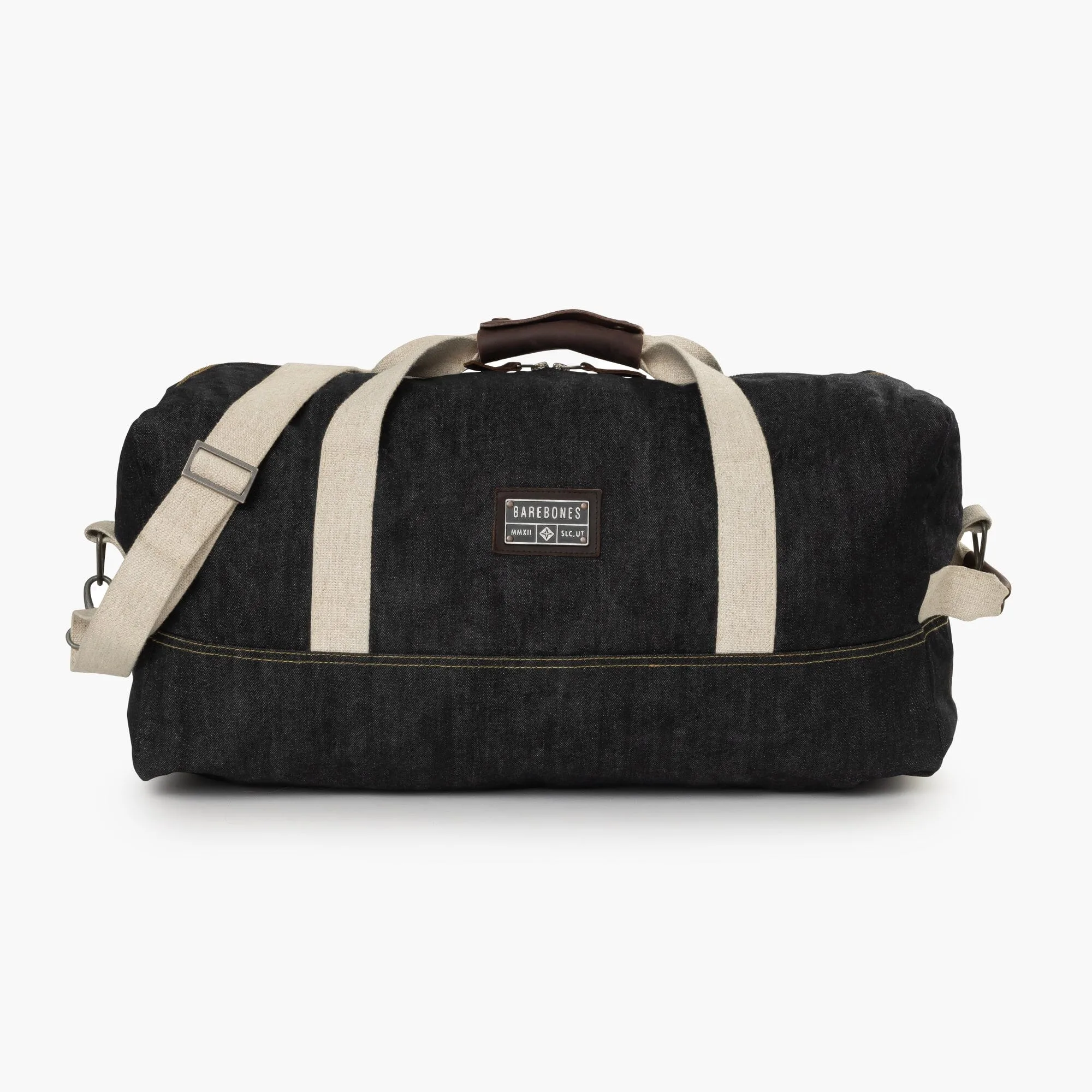
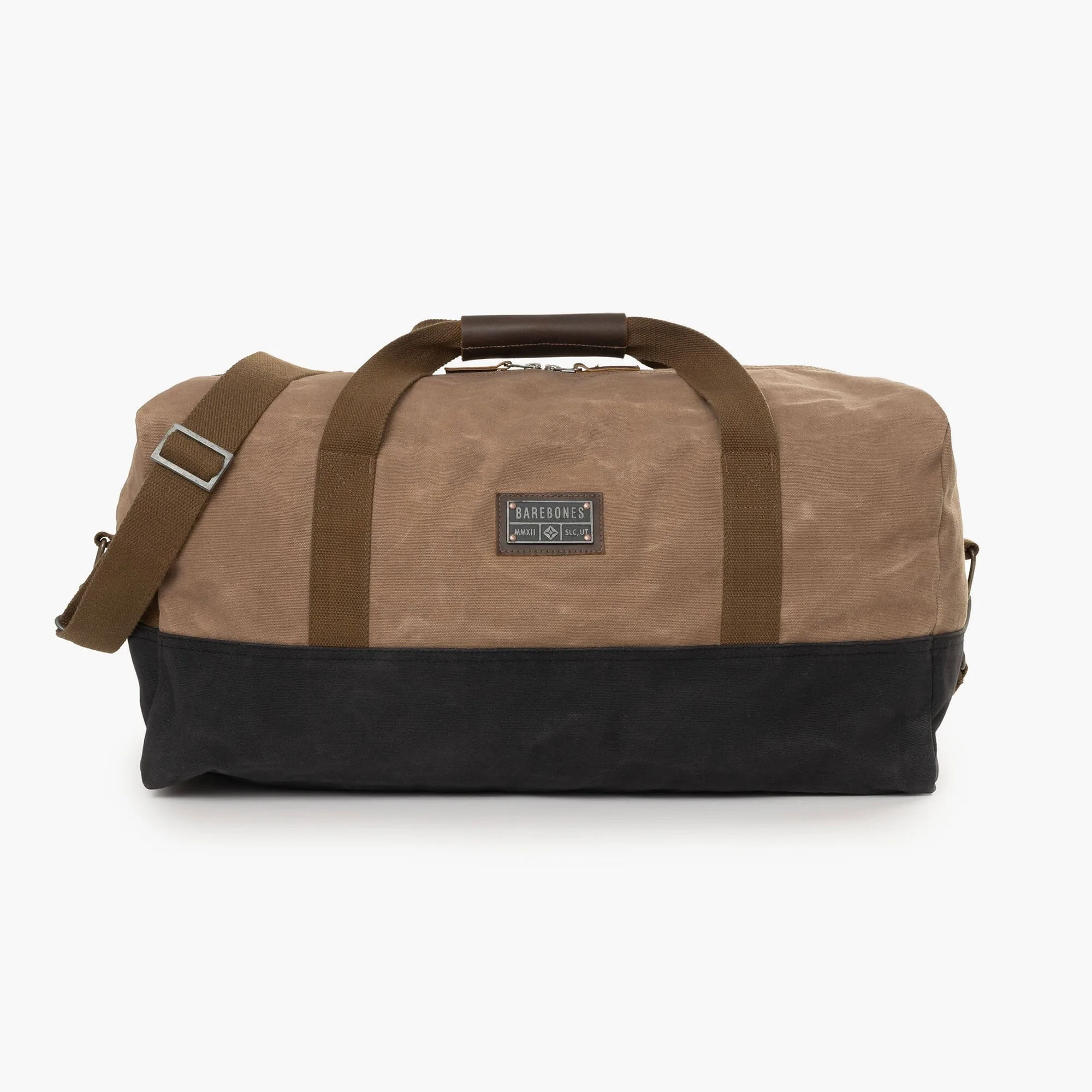
An urban day bag must balance professional appearance with everyday practicality. Commuters often need quick access to a laptop, tablet, water bottle, and maybe a change of clothes. Look for padded laptop sleeves, multiple internal pockets, and a sleek silhouette that doesn't look out of place in a meeting or on public transit. Materials like waxed canvas or recycled nylon offer durability without sacrificing style.
Comfort is also key for city walking. A bag with padded shoulder straps and a breathable back panel reduces fatigue during long walks from the train to the office. Some urban bags include a luggage passthrough for slipping over a suitcase handle—a small but thoughtful detail for business travelers. The best urban day bags are those you can wear all day without noticing.
- Choose a bag with a dedicated padded laptop compartment (15-inch or larger) for safe transport.
- Look for water-resistant materials to handle unexpected rain showers during your commute.
Hiking Day Bags: Built for the Trail and the Elements
Hiking day bags prioritize weight distribution, ventilation, and weather resistance. A good hiking pack includes a hip belt to transfer load from shoulders to hips, reducing strain on long ascents. Mesh back panels and padded shoulder straps with sternum straps keep the pack stable and cool. Hydration reservoir sleeves and external attachment points for trekking poles or ice axes are essential for serious hikers.
Durability matters on rocky trails. Look for ripstop nylon or polyester with reinforced stitching. Many hiking packs come with a built-in rain cover or are made from waterproof fabrics. Compression straps help cinch down the load, keeping contents from shifting. A hiking day bag should feel like an extension of your body, not a burden.
- Ensure the pack has a hydration sleeve and tube port for hands-free drinking on the move.
- Test the hip belt fit—it should sit comfortably on your hips, not your waist, for proper weight transfer.
Key Differences: Urban vs Hiking Day Bags
The main difference lies in purpose and design. Urban bags focus on organization, style, and quick access. They often have multiple zippered pockets, key clips, and pen holders. Hiking bags emphasize load carriage, stability, and weather protection. They may sacrifice internal organization for a single large compartment that can hold gear like a puffy jacket, first aid kit, and snacks.
Another difference is weight. Urban bags can be heavier due to padding and structured shapes, while hiking bags aim for minimal weight without compromising strength. Ventilation also differs: hiking packs use mesh back panels to reduce sweat, while urban bags often have padded but less breathable backs. Consider your primary use case before buying.
- For mixed use, look for a bag with a removable hip belt and a clean exterior that works in both settings.
How to Choose the Right Day Bag for Your Needs
Start by listing your daily carry items. If you need a laptop, charger, notebook, and lunch, an urban bag with a padded sleeve and multiple compartments is ideal. If you're heading to the trail, prioritize a pack with a hydration system, hip belt, and enough volume for layers, food, and water. Volume matters: 15-25 liters works for most commutes, while 20-30 liters suits day hikes.
Don't overlook material. For urban use, a waxed canvas or Cordura nylon bag offers style and durability. For hiking, lightweight ripstop nylon with a DWR coating keeps weight down and weather out. Check for reinforced stitching and quality zippers—these are the first points of failure. A well-made day bag can last years, so invest in quality.
- Measure your laptop before buying—some bags only fit 13-inch devices, while others accommodate 15-16 inch models.
Top Features to Look for in a Commuter Day Bag
A great commuter bag should have a padded laptop sleeve that is suspended to protect against drops. Look for a quick-access front pocket for your phone, wallet, and transit pass. A side water bottle pocket is essential for staying hydrated. Some bags include a hidden security pocket for valuables like a passport or backup credit card.
Comfort features include padded shoulder straps with breathable mesh, a padded back panel, and a sternum strap for stability. If you bike to work, a bag with a helmet loop or reflective elements adds safety. The best commuter bags are those that transition seamlessly from the bike lane to the boardroom.
- Choose a bag with a luggage passthrough if you travel frequently—it slides over your suitcase handle for easy airport navigation.
Top Features to Look for in a Hiking Day Bag
Hiking packs should have a well-designed suspension system. Look for a frame sheet or internal frame that transfers weight to your hips. A padded hip belt with pockets is a bonus—it keeps snacks, phone, and map within easy reach. Adjustable sternum straps and load-lifter straps fine-tune the fit.
Weather protection is critical. A built-in rain cover or a waterproof fabric like Dyneema or eVent keeps gear dry. External attachment points let you carry trekking poles, ice axes, or a sleeping pad. A hydration sleeve and tube port are standard on most hiking packs. Some models include a removable daypack or summit pack for short side trips.
- Test the pack with weight before buying—load it with 10-15 pounds and walk around the store to check comfort.
Versatile Options: Bags That Work for Both Worlds
If you split your time between city streets and mountain trails, consider a hybrid day bag. Look for a pack with a clean, understated design that doesn't scream 'outdoor gear' but still offers a hip belt (often removable) and hydration compatibility. Some brands offer convertible packs that zip off the hip belt for a sleeker profile.
Material choice matters for versatility. A bag made from recycled nylon with a DWR coating works in rain and looks professional. Internal organization should include a padded laptop sleeve and a few mesh pockets, but avoid over-compartimentalization that adds weight. A 20-25 liter pack is a sweet spot for both commutes and day hikes.
- Consider a bag with a front-loading panel (clam-shell opening) for easy access to gear, whether you're at a desk or on a trail.
Whether you're weaving through city crowds or climbing a ridgeline, the right day bag makes all the difference. For urban commuters, prioritize organization, style, and laptop protection. For hikers, focus on weight distribution, weather resistance, and hydration. If you need one bag for both, choose a versatile hybrid that balances these features. Explore our collection of durable, thoughtfully designed day bags to find the perfect companion for your daily journey.