What Makes This Book Different
How Plants Thrive is part of the Deadly Science series by Australian Geographic, created with Corey Tutt. It focuses on how Australian native plants survive extreme conditions—fire, drought, predators—using real adaptations like fire-activated seeds and carnivorous traps. The book blends modern science with Indigenous knowledge, giving young readers a deeper understanding of ecosystems.
What the Book Covers
-
Deadly Science: How Plants Thrive: Explores plant adaptations in Australia's driest outback and humid northern Queensland forests. Shows real-world examples of survival strategies, making abstract biology concepts concrete.
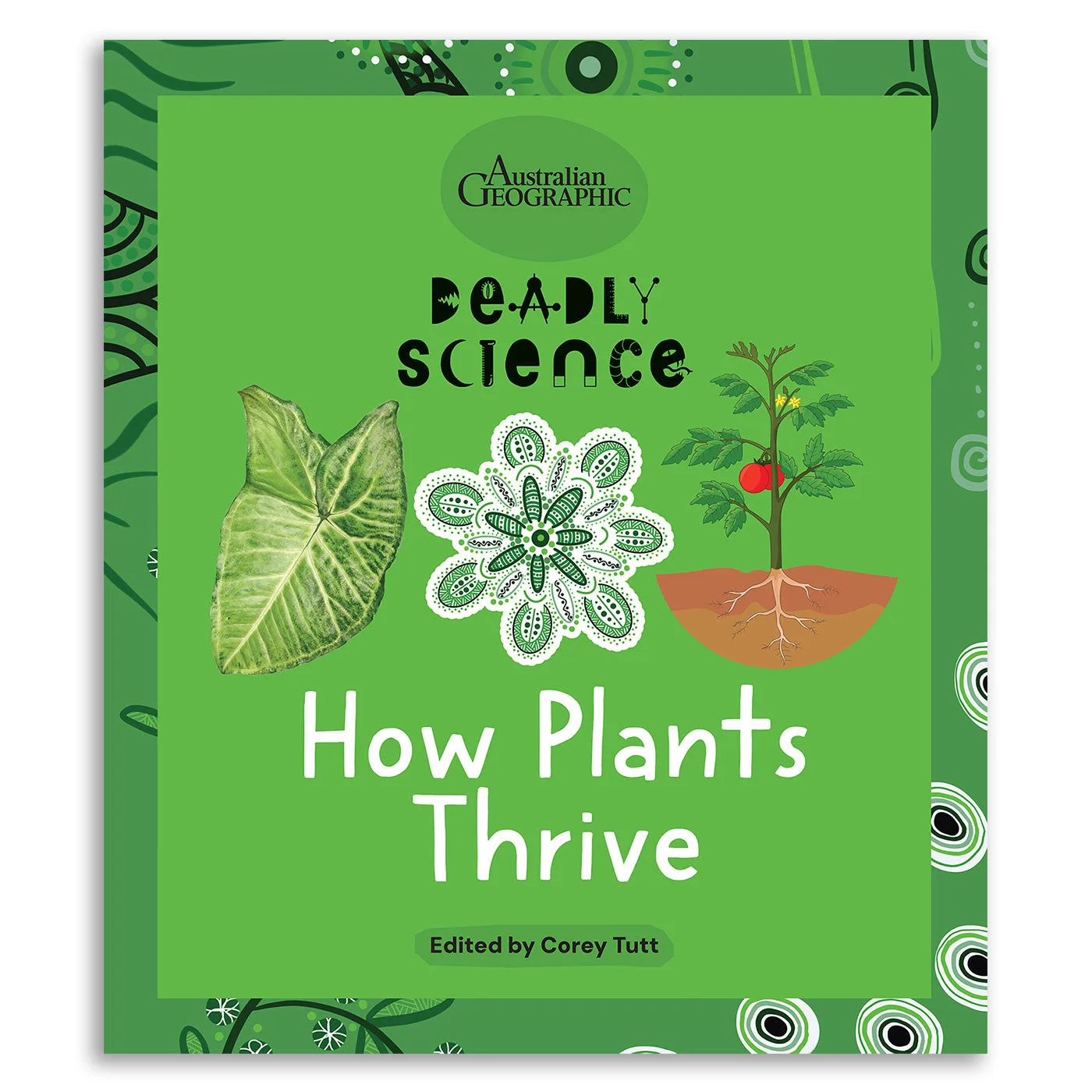
Deadly Science: How Plants Thrive
-
Deadly Science: How Plants Thrive: Includes seeds that rely on fire to open, carnivorous plants, and species used traditionally for healing. Offers a mix of surprising facts and cultural relevance that keeps kids engaged.
-
Deadly Science: How Plants Thrive: Blends modern science with Indigenous knowledge for a fuller understanding of plants and ecosystems. Teaches respect for traditional ecological knowledge alongside STEM content.
Who Is This Book For
The book is designed for young readers curious about nature and science. It works well as a classroom resource, a home library addition, or an educational gift. The reading level suits upper primary to lower secondary students, but the vivid examples and visuals can appeal to younger children when read with an adult. If your child enjoys the Deadly Science series, this volume continues the same engaging approach.
How It Compares to Other Kids Science Books
Many children's nonfiction books about plants cover general biology or common garden species. How Plants Thrive stands out by focusing specifically on Australian environments and Indigenous perspectives. It doesn't just list facts—it tells the story of how plants have adapted over time. This makes it a strong choice for families who want a STEM book with local relevance and cultural depth.
What the Supplied Information Doesn't Tell You
The catalog confirms the book's themes and content but doesn't specify page count, reading age, or whether it includes hands-on activities. If you need exact reading level or lesson ideas, check the full product page or look inside the book at a retailer. For most buyers, the thematic description is enough to decide if it fits your child's interests.