Quick answer
Start with a cohesive color palette, mix at least two patterns with a solid, and layer pillows in odd numbers for a balanced, inviting look. Choose sizes that complement your furniture, and don't be afraid to experiment with textures and shapes.
Decorative pillows are the easiest way to refresh a room without a full redesign. Whether you're styling a living room sofa or a bedroom bed, the right mix of pillows adds comfort, color, and personality. But with so many options, it's easy to feel overwhelmed. This guide walks you through the basics of mixing, matching, and arranging decorative pillows like a pro.
You don't need a designer's budget or a degree in interior design. With a few simple principles—like balancing scale, coordinating colors, and playing with texture—you can create a look that feels curated and cohesive. We'll cover everything from choosing the right sizes to arranging them on different furniture pieces, so you can confidently style any space.
Start with a Color Palette
Before you buy a single pillow, decide on a color scheme. Pull colors from your existing decor—like a rug, artwork, or curtains—to create a cohesive look. A good rule is to choose two to three main colors and one accent. For a calm, monochromatic vibe, stick to shades of the same hue. For more contrast, pair complementary colors.
If you're unsure, neutral bases with one or two bold accents work well. For example, a cream sofa can handle pillows in sage, rust, and a patterned option that ties them together. This approach keeps the space feeling balanced and intentional.
- Use the 60-30-10 rule: 60% dominant color, 30% secondary, 10% accent.
Mix Patterns and Textures
Mixing patterns adds visual interest, but it can go wrong fast. Start with one large-scale pattern (like a floral or geometric), one medium-scale (like stripes or a small print), and one solid. Vary the scale so they don't compete. For example, a bold stripe pairs well with a subtle dot and a solid texture.
Texture is just as important as pattern. Combine smooth cotton with chunky knits, velvet, or linen to add depth. A mix of materials makes the arrangement feel rich and inviting, even in a monochromatic palette.
- A general rule: mix at least three different textures in any pillow arrangement.
Choose the Right Sizes
Pillow sizes affect proportion. For a standard sofa, 18x18 and 20x20 inches are versatile. For a bed, layer king (20x36) behind standard (20x26) or square pillows. A lumbar pillow (12x20 or 14x24) adds support and breaks up the line. For chairs, smaller sizes like 16x16 work best.
Don't be afraid to mix shapes. A bolster pillow adds a classic touch to a bed, while a round pillow can soften a boxy sofa. Just ensure the sizes complement each other—avoid all pillows being the same size, which looks flat.
- For a bed, use three layers: sleeping pillows, decorative shams, and a lumbar or accent pillow.
Arrange with Intention
On a sofa, place pillows at each end, angled slightly inward. For a three-seater, two pillows per side works well. On a bed, lean pillows against the headboard, with smaller ones in front. For a chair, one lumbar pillow is enough—don't overcrowd.
Odd numbers are more visually appealing. For a sofa, try three pillows: two in one corner and one in the other. For a bed, five pillows (two shams, two standards, one lumbar) create a balanced, hotel-like look.
- Fluff pillows regularly to maintain their shape and keep the arrangement looking fresh.
Step-by-Step Pillow Styling Guide
- Step 1: Define your color palette: Choose 2-3 colors from your room's decor. Stick to a cohesive scheme to avoid a chaotic look. A clear palette makes every other decision easier.
- Step 2: Select a mix of patterns and textures: Pick one large-scale pattern, one medium-scale, and one solid. Incorporate different fabrics like cotton, linen, or knit. Varying scale and texture prevents visual monotony.
- Step 3: Choose sizes that fit your furniture: Use 18-20 inch pillows for sofas, 20x36 for bed shams, and lumbar pillows for support. Mix shapes for interest. Proper proportion keeps the arrangement from looking cluttered.
- Step 4: Arrange in odd numbers: Place pillows symmetrically or asymmetrically, but keep the total count odd. Angle them slightly for a relaxed feel. Odd numbers create visual balance and flow.
- Step 5: Evaluate and adjust: Step back and check the arrangement. Fluff pillows, adjust angles, and remove any that feel out of place. A quick review ensures a polished, intentional look.
Pillow Styles to Consider
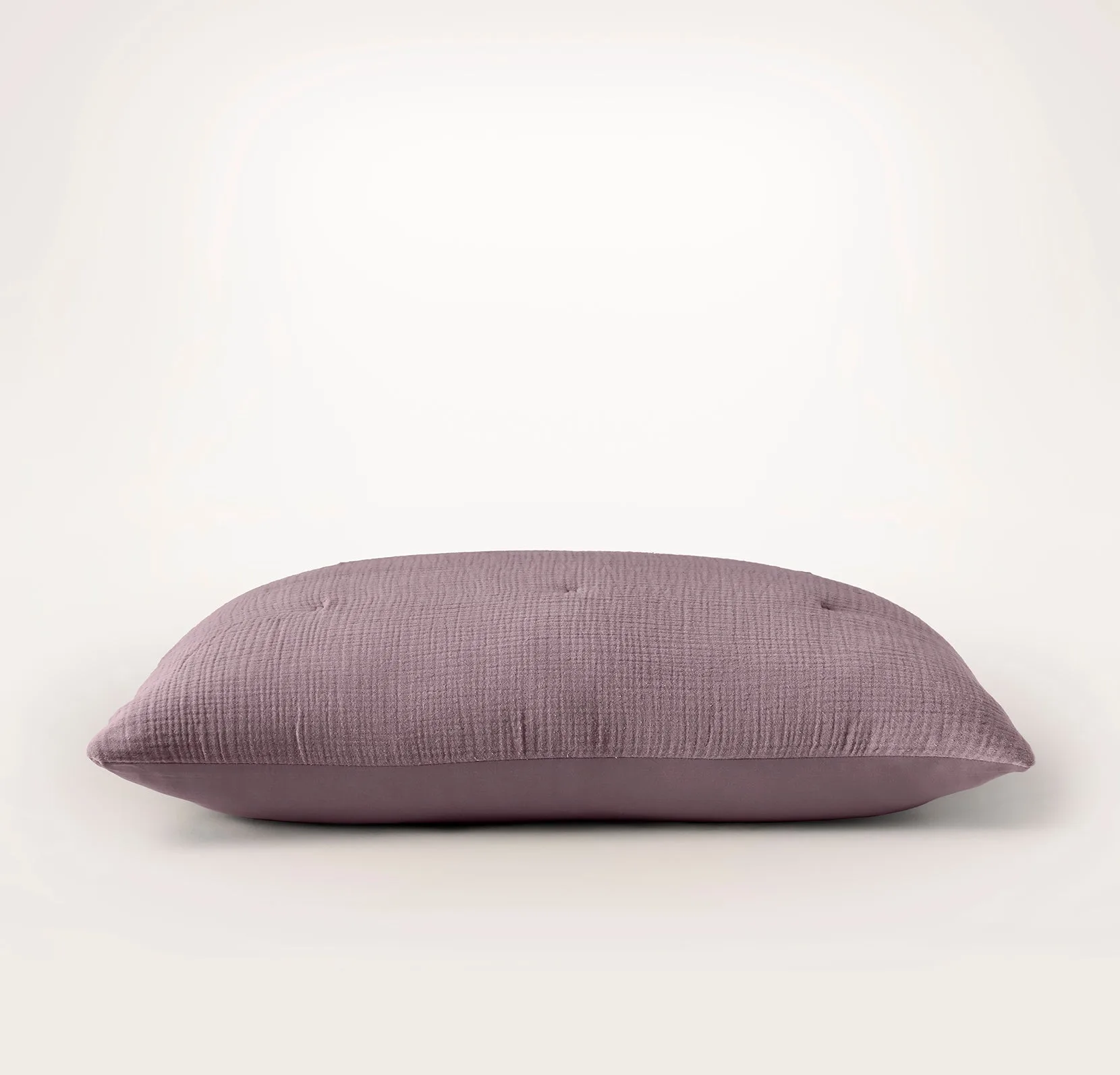
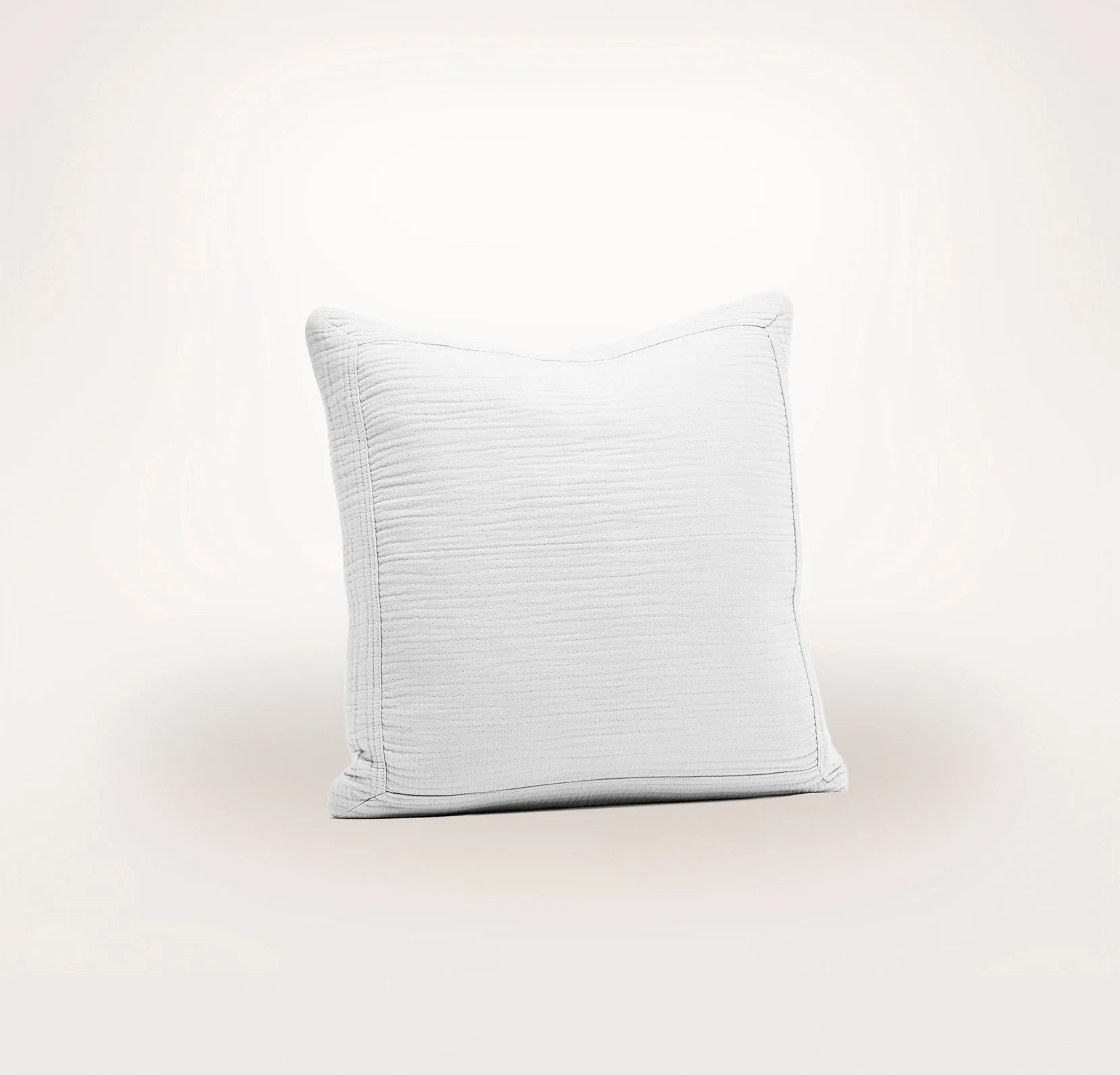
- Dream Decorative Pillow Cover (22x22) - Sageleaf: Made with 4 layers of ultra-fine organic cotton and a tonal gradient for a casual, cloud-like finish. The soft, layered texture adds depth and a relaxed vibe, perfect for a cozy living room or bedroom.
- Threadmark Pillow Cover (Bolster) - Soft White/Melange Natural: Crafted from 100% European flax linen with a dimensional basketweave and intricate kantha hand-stitching. The bolster shape provides back support and a classic, elegant accent that complements both modern and traditional decor.
Styling decorative pillows doesn't have to be intimidating. By starting with a color palette, mixing patterns and textures, choosing the right sizes, and arranging with intention, you can create a space that feels both comfortable and curated. Remember to have fun and let your personal style shine—there are no hard rules, just guidelines to help you along the way.