Quick answer
Choose Deep Blue for cool, crisp shadows on silver or blue-gray armor; choose Red Mauve for warm, muted shadows on bronze, gold, or dark red plates.
Why shadow color matters for armor
The shadow color you choose can make armor look metallic, flat, or muddy. Cool shadows (blue-based) work well for steel, silver, and icy tones. Warm shadows (red-violet) suit brass, copper, and dark crimson armor. Using the wrong undertone can break the illusion of depth.
Paint type differences affect technique
Deep Blue is a water-based acrylic that dries fast and layers easily. It's ideal for glazing and wet blending on miniatures. Red Mauve is an oil-based paint that stays workable longer, making it better for smooth gradients and airbrushing. The slower drying time of oil paint can be a trade-off if you need quick results.
Trade-offs at a glance
- Deep Blue (acrylic): Best for cool-toned armor like steel, silver, or ice-blue plates. Use for quick layering and glazing. Dries fast, so you need to work in small sections.
- Red Mauve (oil paint): Best for warm-toned armor like bronze, gold, or dark red. Use for smooth gradients and airbrush work. Requires odorless thinner for cleanup and longer drying time between layers. If you switch between paint types, clean your tools thoroughly to avoid mixing acrylic and oil residues.
- When neither fits perfectly: For pure black armor or extreme high-contrast shadows, consider mixing either color with a dark neutral (like Scale75 Black) to create a custom shadow tone.
Product details
-
DEEP BLUE: Deep Blue is a premium acrylic paint with consistent coverage and a smooth finish, designed for miniatures and models. Its fast-drying formula lets you build up shadow layers quickly, ideal for batch painting or speed-painting sessions.
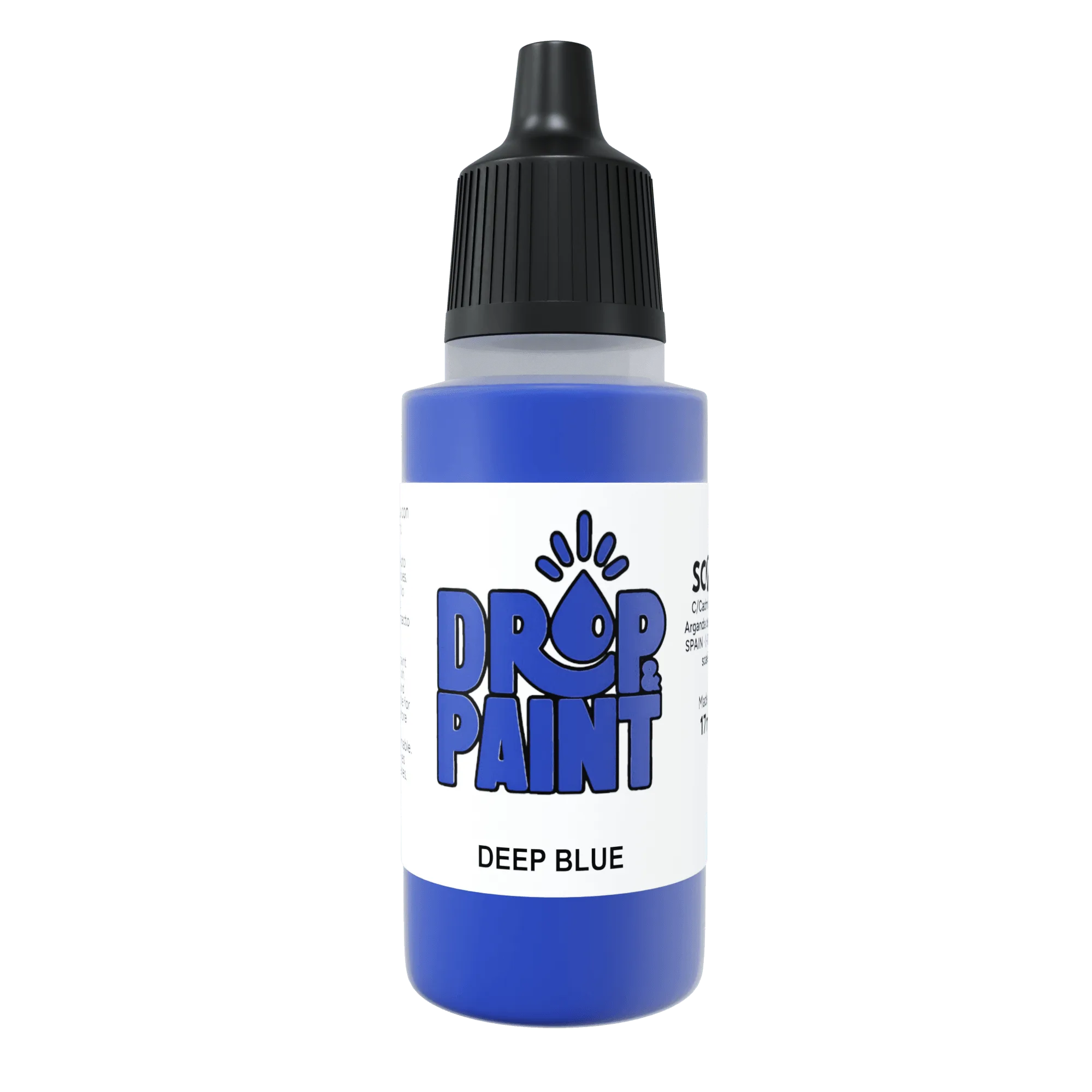
DEEP BLUE
-
RED MAUVE: Red Mauve is a high-quality oil paint with a matte finish, suitable for brush and airbrush work. The matte finish reduces glare on armor, and the extended working time helps you blend transitions between highlight and shadow.
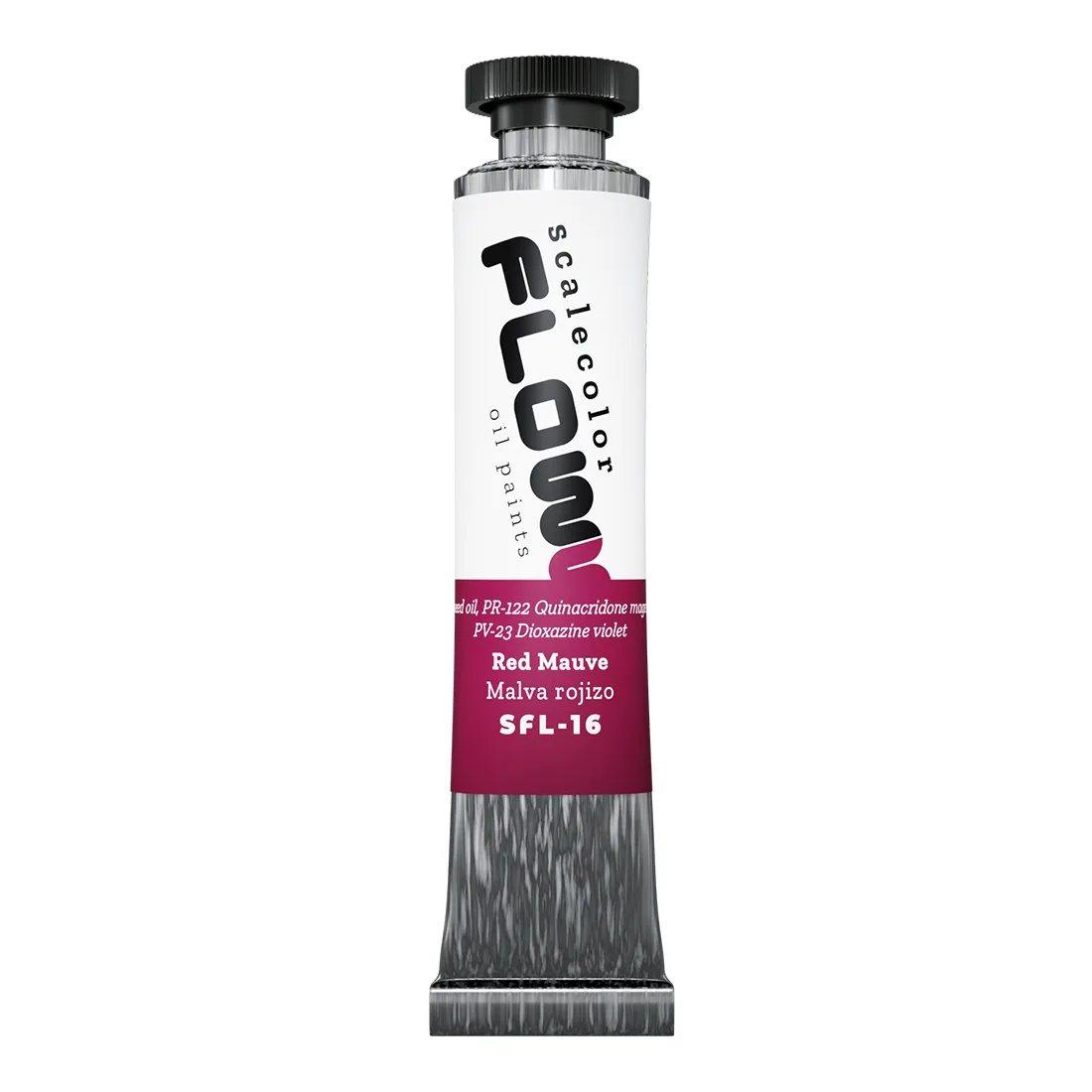
RED MAUVE
Which one should you choose?
Best for
- Painters using airbrush or seeking long blending time – choose Red Mauve
- Miniature painters who need fast results and cool shadow tones – choose Deep Blue
Not ideal for
- Pure black or neutral gray shadows without mixing – neither color is dark enough on its own