Quick answer
Use a dehumidifier for IEMs only after they have been exposed to noticeable moisture—like sweat during a long performance or rain—and before storing them for more than a few days. The goal is to remove trapped humidity, not to dry a soaked IEM.
When moisture becomes a problem
In-ear monitors sit inside your ear canal where sweat and humidity collect naturally. Over time, that moisture can seep into the tiny sound bores, the driver assembly, and the cable connectors. The most common early sign is a muffled or uneven sound, especially in one ear. If you catch it early, a dehumidifier can restore clarity. If ignored, corrosion or driver damage may require repair.
Not all moisture exposure is the same. A quick wipe after a short rehearsal is usually enough. But after a sweaty multi-set gig, a humid outdoor event, or if you live in a tropical climate, passive air drying alone may not remove all the trapped moisture inside the IEM shell. That is when a dedicated dehumidifier makes a difference.
When to skip the dehumidifier
If your IEMs are only slightly damp from a short listening session, simply wiping them with a soft, dry cloth and leaving them on a desk for a few hours is sufficient. A dehumidifier is unnecessary for everyday low-level humidity. Overusing it on already-dry IEMs will not add any benefit and could wear out the drying agent faster.
Also, do not use a dehumidifier on an IEM that is visibly wet or has been submerged. A dehumidifier pulls moisture from the air around the IEM, not from inside a flooded shell. In that case, remove the cable, gently blot excess moisture with a lint-free cloth, and let the IEM air dry for at least 24 hours before considering a dehumidifier.
The difference between a dehumidifier and a drying case
A dehumidifier for IEMs is typically a small container filled with silica gel or another desiccant that absorbs ambient moisture. You place the IEMs inside and seal the container. A drying case (sometimes called a dry box) is an active device that uses a fan or low heat to circulate air. Both remove moisture, but a passive dehumidifier is gentler on the IEMs because it does not introduce heat, which can damage certain plastics or adhesives over time.
For routine maintenance after sweaty use, a passive dehumidifier is the safer choice. Active drying cases are better suited for emergency drying after heavy sweat or rain exposure, but use them sparingly.
How to use a dehumidifier for your IEMs
- 1. Wipe off surface moisture: After removing the IEMs from your ears, use a soft, dry, lint-free cloth to wipe the shells, the cable connectors, and the sound bores. This removes the bulk of sweat or water before placing them in the dehumidifier. Common mistake: Putting wet IEMs directly into the dehumidifier—always wipe them first.
- 2. Remove the cable (if possible): Disconnect the cable from the IEMs. Moisture can get trapped in the connector pins and the cable itself. Separating them allows both parts to dry more evenly and prevents corrosion on the contacts. Checkpoint: Make sure the connector pins are dry before reconnecting.
- 3. Place IEMs in the dehumidifier: Open the dehumidifier container and place the IEMs inside with the sound bores facing upward so air can circulate. Close the lid tightly. Leave them inside for at least 2 hours, or overnight for heavy moisture exposure. Common mistake: Overcrowding the container—leave enough space for air to move around each IEM.
- 4. Store in a dry environment: Once the IEMs feel dry to the touch and sound clear, remove them from the dehumidifier. Store them in a hard case or a dry box, away from direct sunlight, bathrooms, or humid rooms. If you live in a humid climate, you can keep them in the dehumidifier for long-term storage. Checkpoint: Check the dehumidifier's desiccant indicator—if it changes color, it needs to be recharged or replaced.
Recommended product for IEM moisture protection
-
Large Dehumidifier: The Large Dehumidifier from 64 Audio is offered as a maintenance tool accessory. It is available in a Standard option and listed under the maintenance-tools tag. This purpose-built dehumidifier fits the IEM form factor and uses a passive drying method, so you can safely store your monitors after sweaty use without worrying about heat damage.
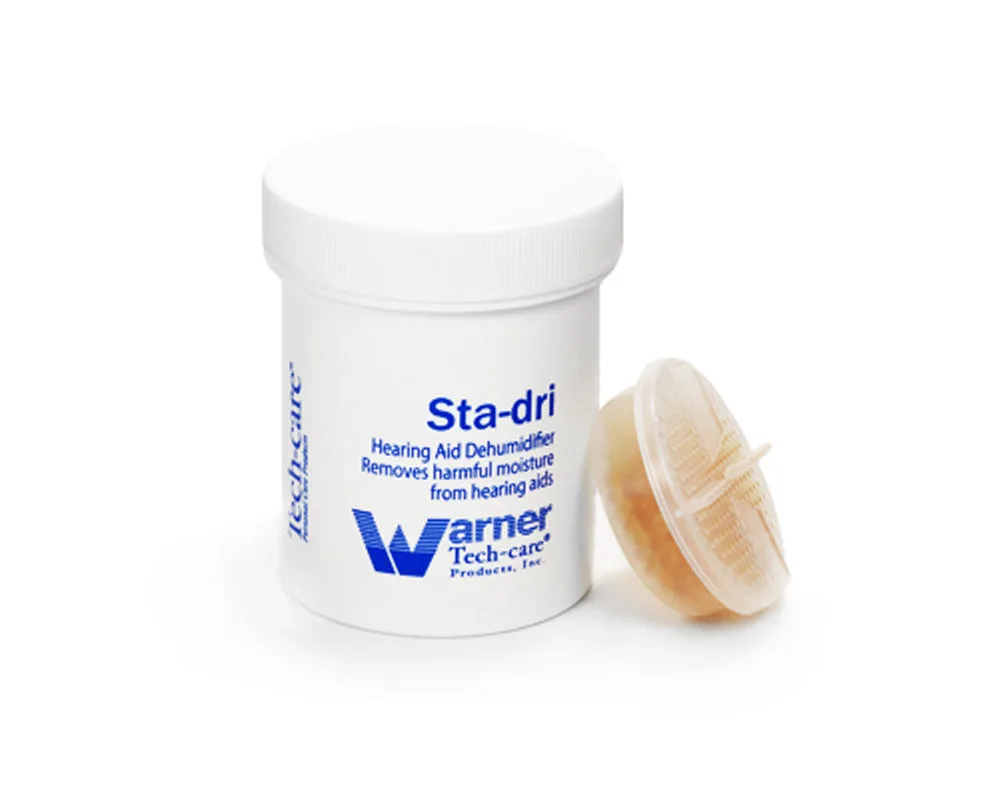
Large Dehumidifier