Quick answer
For most people in early to mid-stage dementia, a 13-piece puzzle with familiar, high-contrast images is the safest gift: it can be finished in one sitting, which protects confidence. If the person still completes 24- to 35-piece puzzles independently, size up. Skip anything above 50 pieces unless you know they already finish puzzles that size without help.
Piece count is the decision that matters most
A puzzle that is too hard does not just sit unfinished; it can make the person feel like they are failing, and they may refuse the next one. A puzzle that is too easy gets abandoned in boredom. The useful range for dementia-friendly puzzles is roughly 6 to 35 pieces, with 13 pieces sitting in the sweet spot for many people in the middle stages.
Watch for these signals to adjust: they finish a 13-piece puzzle in under five minutes without prompting (try 24 pieces next), or they need you to place the first few pieces and then continue alone (stay at 13). If they cannot start without a full demonstration, drop to 6- to 9-piece formats rather than pushing through a larger puzzle.
Themes that get picked up again
Familiar subjects do more work than abstract art. Birds, cats, and everyday animals are common favorites because they are recognizable at a glance and give the person something to talk about while they work. Bird and cat puzzles for elderly adults also tend to have clear color blocks, which makes matching easier than a busy landscape.
Avoid images with large areas of similar color, such as a blue sky or a field of grass, unless the piece count is very low. Those sections are the ones that stall a puzzle and turn a pleasant activity into a frustration.
Cardboard or wooden, chunky or flat
Cardboard puzzles are lighter, cheaper, and easier to store, which matters if you are buying several to rotate. Wooden puzzles cost more but hold up better to repeated handling and are easier to grip if the person has arthritis or a weak pinch. Chunky wooden pieces are designed for small hands, but they also work well for adults who struggle to pick up flat pieces.
If the person has limited hand strength or vision, prioritize thicker pieces and high-contrast printing over a larger piece count. A 13-piece puzzle they can actually handle beats a 35-piece puzzle they cannot.
How to test a gift before you give it
Buy one puzzle, not a set of five, until you know the right difficulty. Give it during a calm part of the day, sit nearby without taking over, and let them set the pace. If they finish it twice in a row with ease, that is your cue to buy the next size up.
Keep the box and a photo of the finished image accessible. A reference picture reduces guesswork and lets the person self-correct, which keeps the activity independent for longer.
Decision rules for buying a dementia puzzle gift
- If they finish a 13-piece puzzle alone in under five minutes: Move up to 24 or 35 pieces. Staying at 13 will bore them and the puzzle will be shelved. Size up one step at a time, not two.
- If they need help starting but continue on their own: Stay at 13 pieces and choose a familiar theme like birds or cats. The goal is a completed puzzle, not a harder one. Keep the reference image visible.
- If they have arthritis or a weak grip: Choose thicker pieces, whether chunky wood or a larger-format cardboard puzzle, and accept a lower piece count as the tradeoff. Grip comfort beats piece count.
- If you are unsure of their current stage: Buy a single 13-piece puzzle first. A multi-pack or a 70-piece puzzle is a wasted purchase if the difficulty is wrong. Test with one, then expand.
Products that fit these rules
- 13 Pcs Dementia Puzzles for Elderly | 3 Alzheimers with Birds, Cats: Set of 3 QUOKKA cognitive jigsaw puzzles for the elderly, each with 13 pieces, themed with birds and cats. The 13-piece size matches the middle-stage sweet spot, and three separate puzzles let you rotate themes without buying more than one product.
- 70 Piece Jigsaw Puzzles 50 Cards For Kids | USA: QUOKKA USA jigsaw puzzle for kids ages 4-6 with 70 pieces and 50 double-sided educational cards; each puzzle is shaped like a USA state. A higher piece count and geography theme make this a better fit for a person who still completes larger puzzles independently, not for mid-stage dementia.
- 6 Chunky Puzzles for Toddlers - Animals, Numbers, Alphabet: Pack of 6 chunky wooden puzzles for toddlers with themes including Animals, Shapes, Numbers, and Alphabet; pieces are safe for ages 12 months and up. The chunky pieces are easier to grip, which helps adults with hand weakness, but the toddler themes may feel childish to some seniors.
Who this advice fits
Best for
- People in early to mid-stage dementia who can still complete a simple puzzle with or without a prompt
- Gifts for elderly parents where you want an activity you can do together
- Shoppers who need a low-risk first purchase before committing to a larger set
Not for
- People with advanced dementia who no longer engage with tabletop activities
- Confident puzzlers who already finish 100-piece puzzles without help
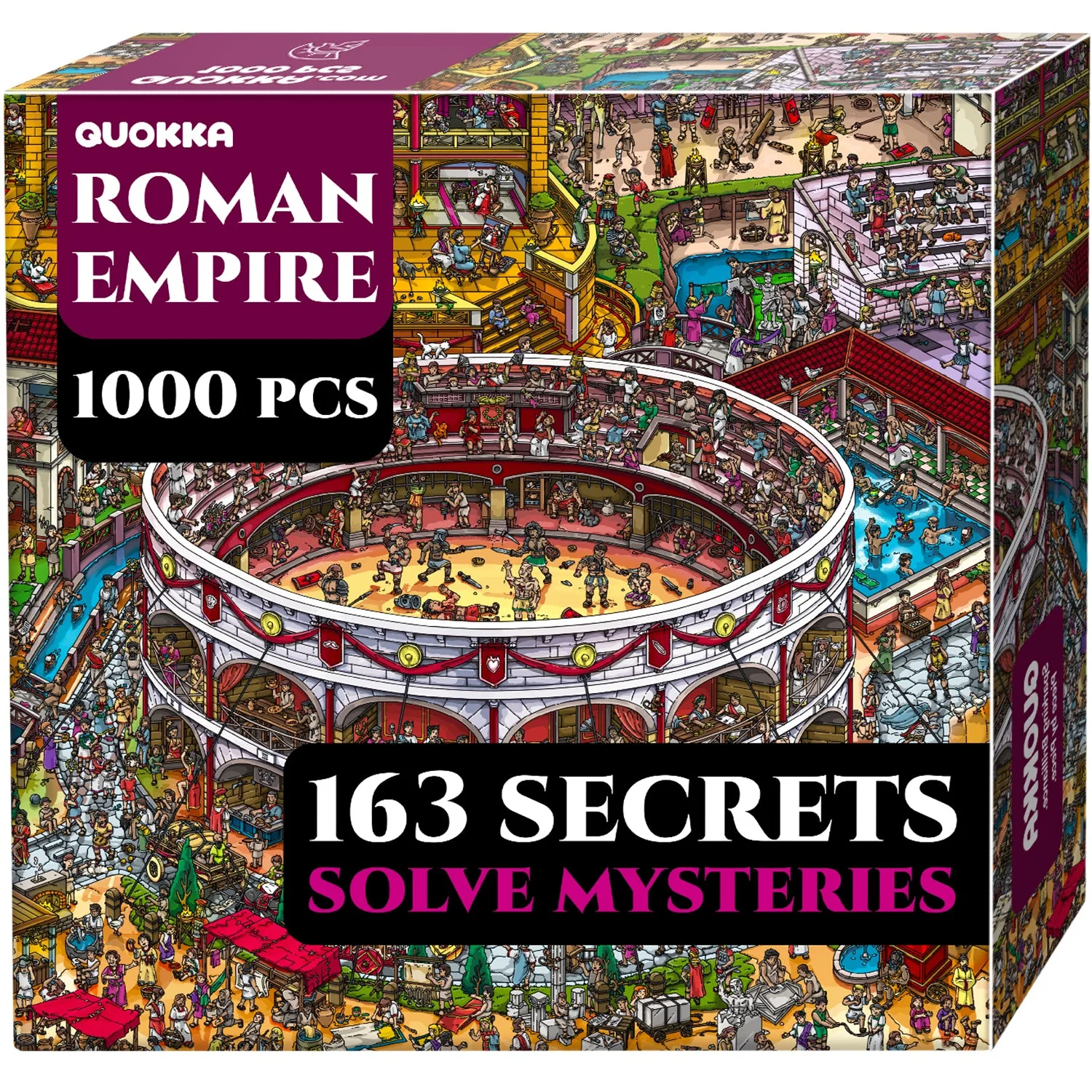
- Shoppers looking for a large-piece floor puzzle or a search-and-find format