Quick answer
Choose a demi bra if you want a low, balcony-style neckline, gentle lift rather than full coverage, and cups that sit flush against your ribcage. If you need fuller coverage, deep centering cleavage, or serious volume, a plunge or padded style will serve you better. Fit matters more than the label: the band should stay level and snug, the underwire should sit on your ribcage, and the top edge should lie flat.
A demi bra is defined by its cut, not its fabric. The cups are lower and more open across the top than a full-coverage bra, which is why it pairs so well with scoop necks, square necklines, and dresses that show a little more skin. The trade-off is that a demi gives you less coverage above the apex, so it rewards a good fit.
This guide walks through the decisions that actually change how a demi bra looks and feels: lace versus mesh versus light padding, demi versus plunge, and the three fit checks worth doing before you keep a bra. Timpa's demi range gives us concrete examples to work with.
What demi coverage actually means
Demi means half-cup in shape, not in literal measurement. The cup is cut lower across the top so it frames the upper bust instead of covering it. That lower edge line is what makes a demi bra disappear under wider necklines and look intentional under lower ones. It also means the top edge of the cup has to sit flat, because there is less fabric to hide a gap.
Because the cup is open at the top, a demi bra relies on the band and underwire for support rather than on coverage. That is why band fit matters more here than in a full-coverage style. If the band rides up, the cups tip forward and the top edge lifts away from your body.
- Demi equals a lower, more open top edge, not a smaller cup size.
- Support comes from the band and wire, so check those first.
- A flat top edge is the single best sign the demi fits.
How to choose a demi bra for your shape and wardrobe
Start with the necklines you actually wear. If your tops are scoop, square, or wide V, a demi sits in the right place. If your wardrobe is mostly deep V and wrap dresses, a plunge bra is engineered to center the bust and stay hidden under a deeper cut. The two are not interchangeable, and owning one of each covers most outfits.
Next, decide how much surface texture you want. Lace reads as lingerie and adds a floral finish; smooth mesh or double-layered fabric reads as everyday and stays invisible under knits. If you want a rounded shape with a little volume, light foam padding in a half-cup does that without changing the low silhouette.
- Match the cup height to your most-worn neckline, not to a trend.
- Smooth fabrics for thin knits, lace when the bra is meant to be seen.
- If you want volume, look for light padding in a demi cut rather than sizing up.
Demi bra fit: three checks that matter
First, the band. Fasten on the loosest hook and check that the band sits level all the way around and stays put when you raise your arms. A band that climbs your back is too loose, and no amount of strap tightening fixes it. Second, the wire. The underwire should follow your natural fold and rest against your ribcage, not on breast tissue.
Third, the top edge. With the bra on and adjusted, the upper edge of the cup should lie flat against your skin with no gap and no digging. If it gapes, the cup is likely too large or too tall for your shape; if it cuts in, the cup is too small or the band is too tight. Always start on the loosest hook so the bra has room to loosen over time.
- Band level and snug on the loosest hook.
- Wire on the ribcage, never on breast tissue.
- Top edge flat, with no gap and no digging.
Demi versus plunge: pick by neckline, not by preference
A classic demi focuses on a balcony-style shelf lift, which flatters wider necklines and gives a naturally rounded upper bust. A plunge is engineered to center the bust and create smooth, natural cleavage under deep V and wrap styles. If you are deciding between the two for a specific dress, hold the dress up and look at where the fabric line falls.
There is a practical difference too. A plunge often works harder to stay hidden under a low cut, while a demi is more forgiving under a scoop or square neck. If you wear both necklines regularly, treat them as two tools rather than choosing a favorite.
- Scoop, square, and wide necklines: demi.
- Deep V and wrap: plunge.
- If the neckline sits below your bra's top edge, you have the wrong cut.
Common demi bra mistakes to avoid
The most common mistake is buying a demi in the hope that it will behave like a full-coverage bra. It will not, and that is the point. The second is sizing up in the band to fix a cup that gapes, which usually makes the gap worse because the cups tip forward. Fix the cup and band separately.
The third is ignoring fabric. A single-panel lace cup with no middle seam feels smoother against the body, while double-layered mesh can look delicate and still hold its shape. Neither is better in the abstract; they solve different problems, and the right answer depends on what you wear over them.
- Do not expect full coverage from a demi cut.
- Do not fix a gaping cup by loosening the band.
- Choose fabric based on what you wear over the bra.
Decision rules: pick your demi in under a minute
- If you want a natural shape with no padding: Start with a lace or mesh demi with no foam, such as https://timpalingeriecn.com/products/alice-demi-bra-classic-455b5fee92a8684fa62536f1-1422753Alice Demi Bra - Classic or Natacha Demi bra. Both lift without adding volume. Best for everyday wear under scoop and square necklines.
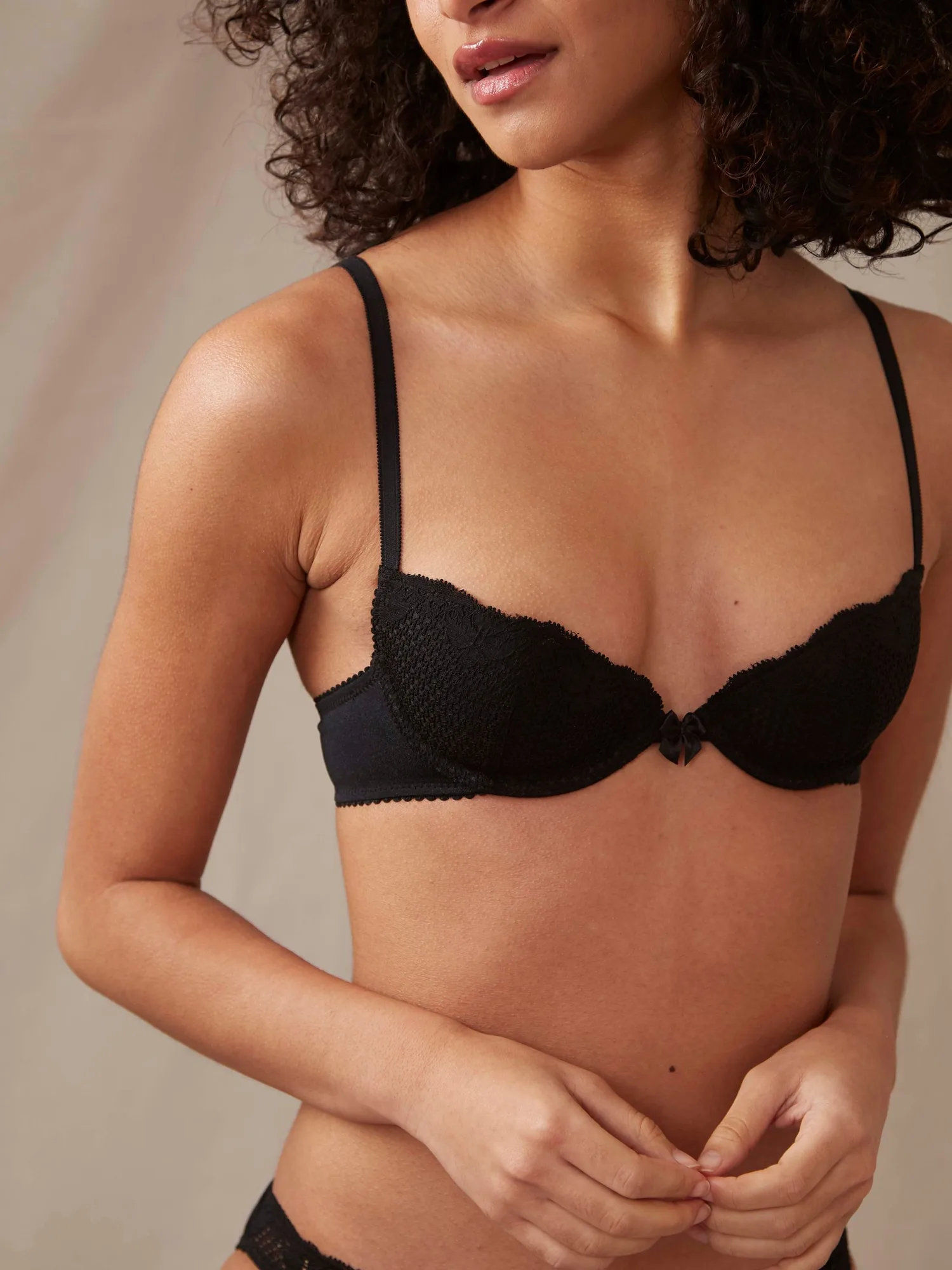
- If you want a little more volume: Choose a lightly padded half-cup in the same low silhouette, like Alice Padded Bra, which is designed for smaller busts in A-C cups. Keeps the demi neckline while smoothing the upper cup.
- If your neckline is a deep V: A demi is the wrong tool here. A plunge is engineered to center the bust and stay hidden under a deeper cut. Match the cut to the neckline before you buy.
- If the top edge gaps: The cup is likely too large or too tall for your shape. Try a smaller cup before changing the band. Fix the cup first, then recheck the band.
Timpa demi styles, in plain terms
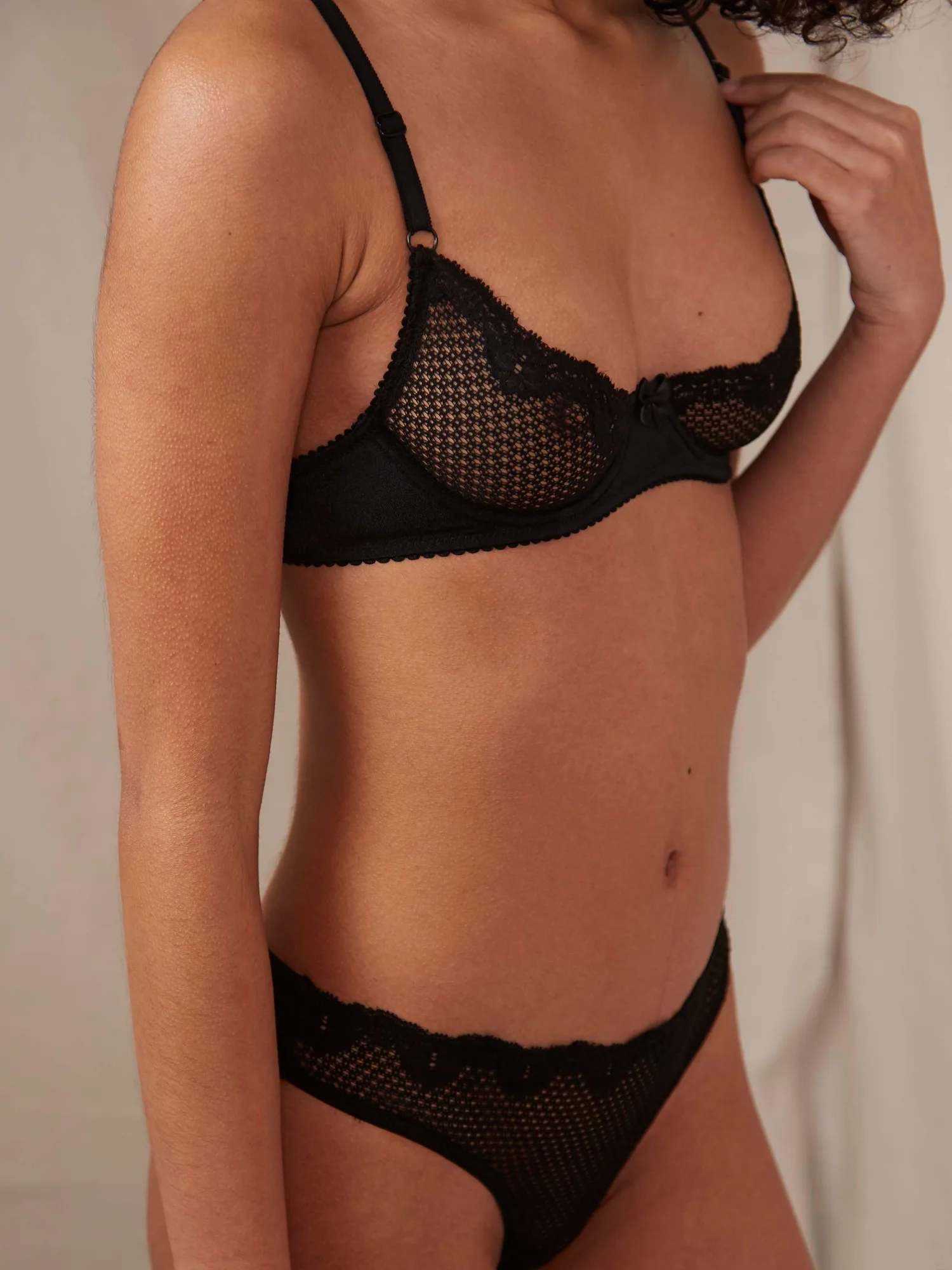
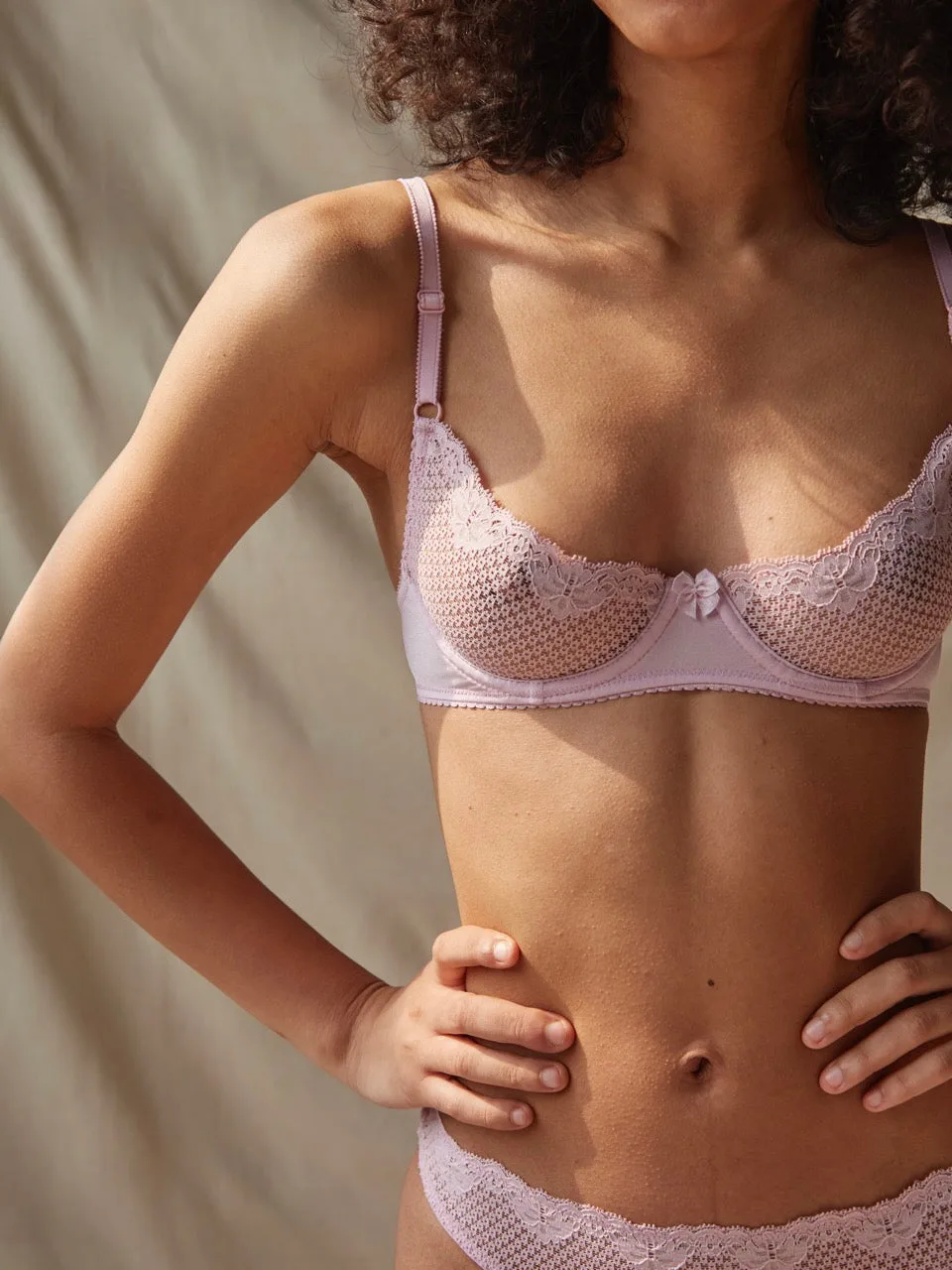
- Alice Demi Bra - Classic: A bestselling demi with a soft underwire and delicate lace with a little stretch, cut from a single panel of lace so there is no middle seam, finished with floral lace along the top edge. The single-panel, seamless cup is the smoother choice under thinner tops, and the stretch lace is forgiving if your size fluctuates slightly.
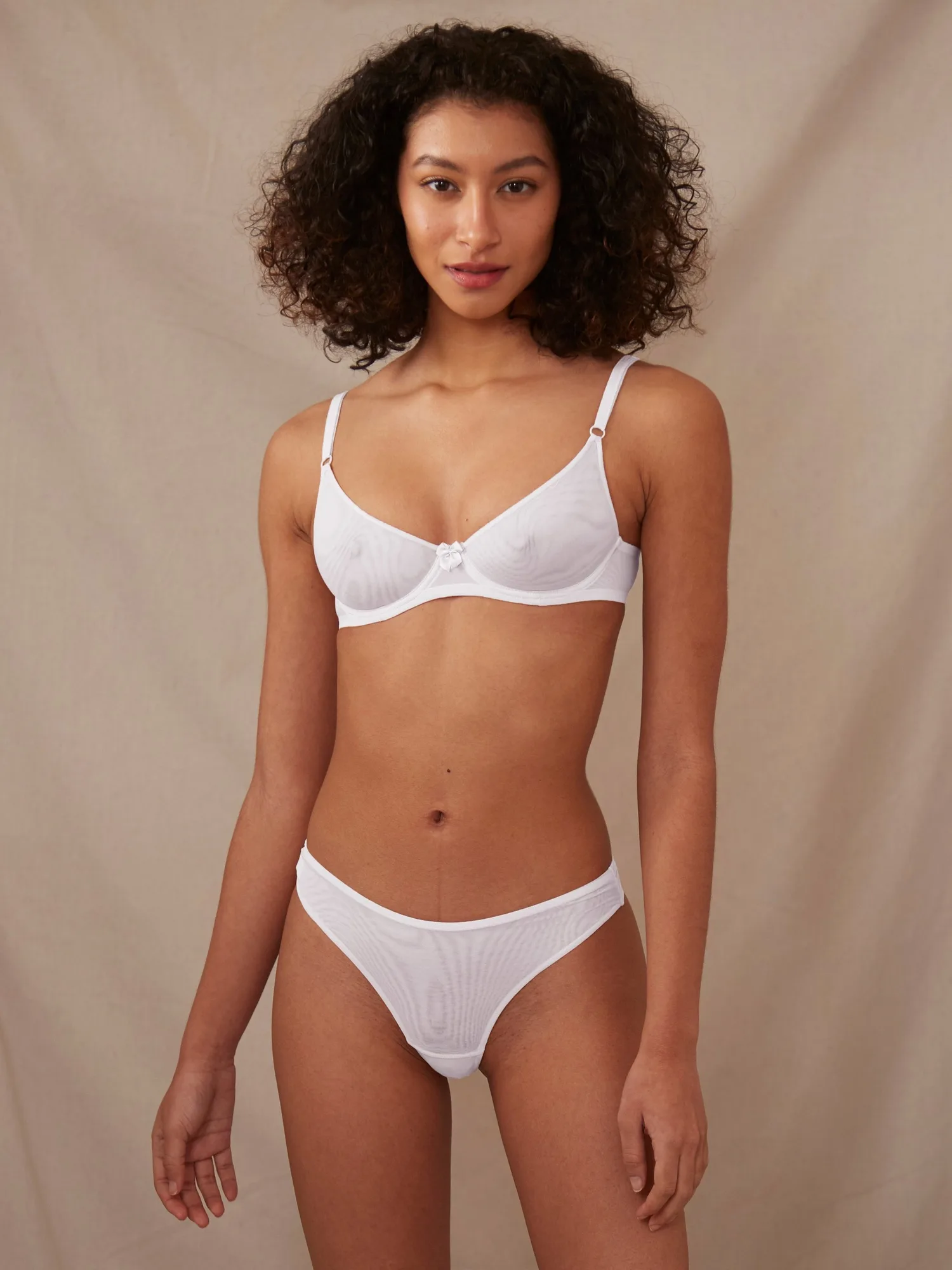
- Natacha Demi bra: Double-layered, lightweight mesh instead of lace, creating a moire visual effect, with no foam padding and the same swoop-and-lift shape. A good pick if you want the demi silhouette in a smooth fabric rather than lace, and you prefer zero padding.
- Alice Padded Bra: Built for smaller busts (A-C cups) with light foam padding in a half-cup, low-cut silhouette and a crochet lace overlay. Choose this if you like the demi shape but want a rounder, smoother line without a gap.
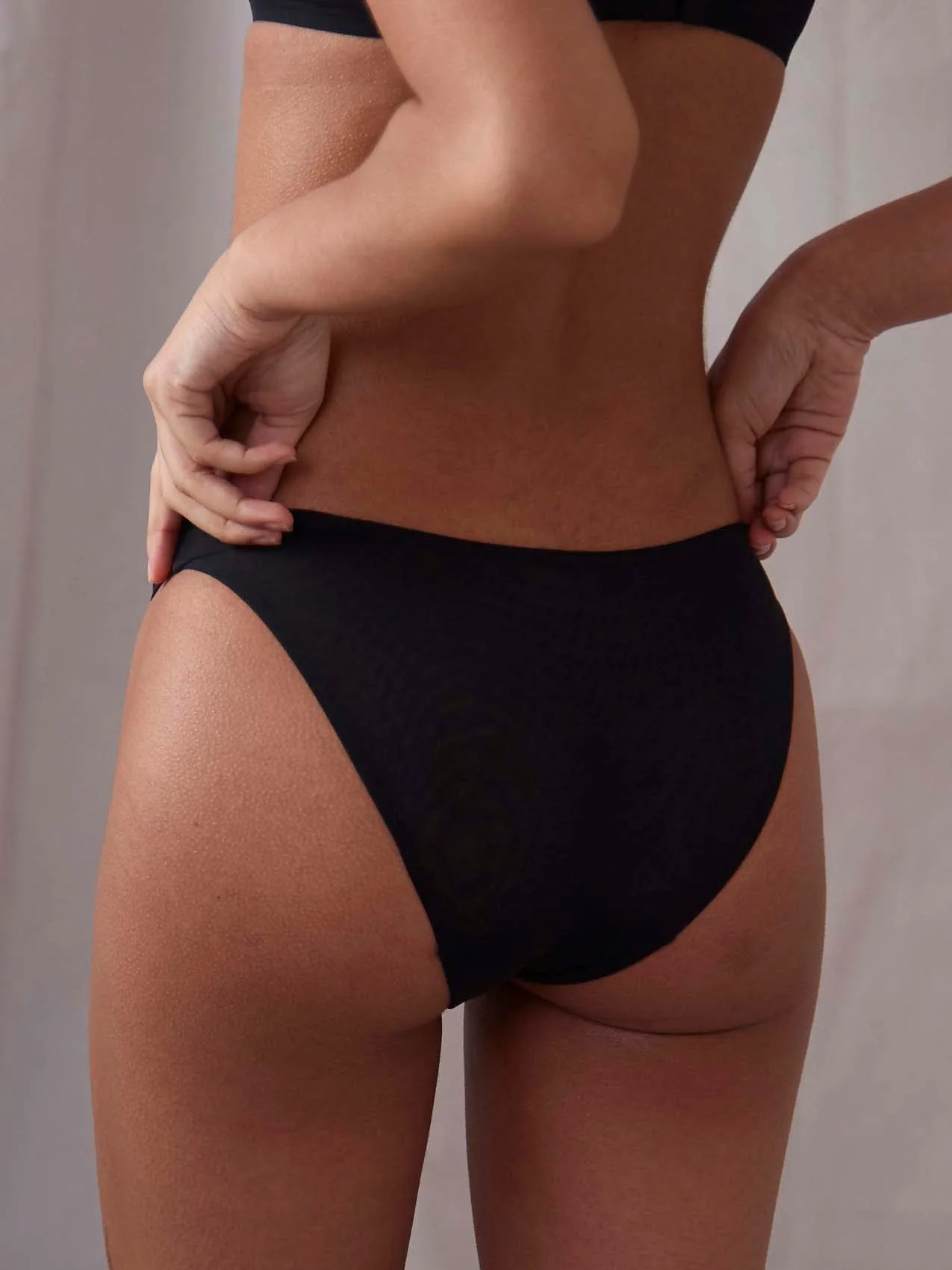
- Natacha Brief - Sale: Made in a soft, lightweight double-paneled mesh and designed as a match to the Natacha demi bra. A straightforward way to build a matching set in the same fabric family.
Who a demi bra is for
Best for
- Scoop, square, and wide necklines that sit above the bra's top edge
- Shoppers who want gentle lift and a natural shape rather than full coverage
- Smaller busts, including A-C cups, especially in a lightly padded half-cup
Not for
- Deep V and wrap necklines, where a plunge bra stays hidden more reliably
- Anyone who wants full coverage across the upper bust
- Shoppers looking for significant volume or push-up effect
A demi bra is a neckline tool, not a universal bra. Decide by the tops you actually wear, check the band, wire, and top edge in that order, and pick lace or mesh based on what goes over it. Get those three things right and the demi will do exactly what it is designed to do.