Quick answer
Choose traditional dental floss if you have very tight contacts, braces, or need to wrap around each tooth for a customized clean. Choose eco-friendly flossers if you want a faster, more portable option that is easier to use consistently, especially for kids or people with limited dexterity. For a balance of sustainability and convenience, look for flossers made with plant-based or recycled materials, such as those from Change.Toothpaste Inc.
Material and waste trade-offs
Traditional dental floss is often made from nylon or PTFE, which are not biodegradable and come in plastic dispensers. Eco-friendly flossers aim to reduce waste by using materials like cornstarch, recycled polypropylene, or silk. For example, the Wholesale 50 Eco-Friendly Flossers - Boxed are made with 50% cornstarch and 50% recycled polypropylene, and the floss thread is 98% silk and 2% bamboo powder. These choices lower virgin plastic use, but they may not be accepted in all municipal composting systems. Always check local guidelines.
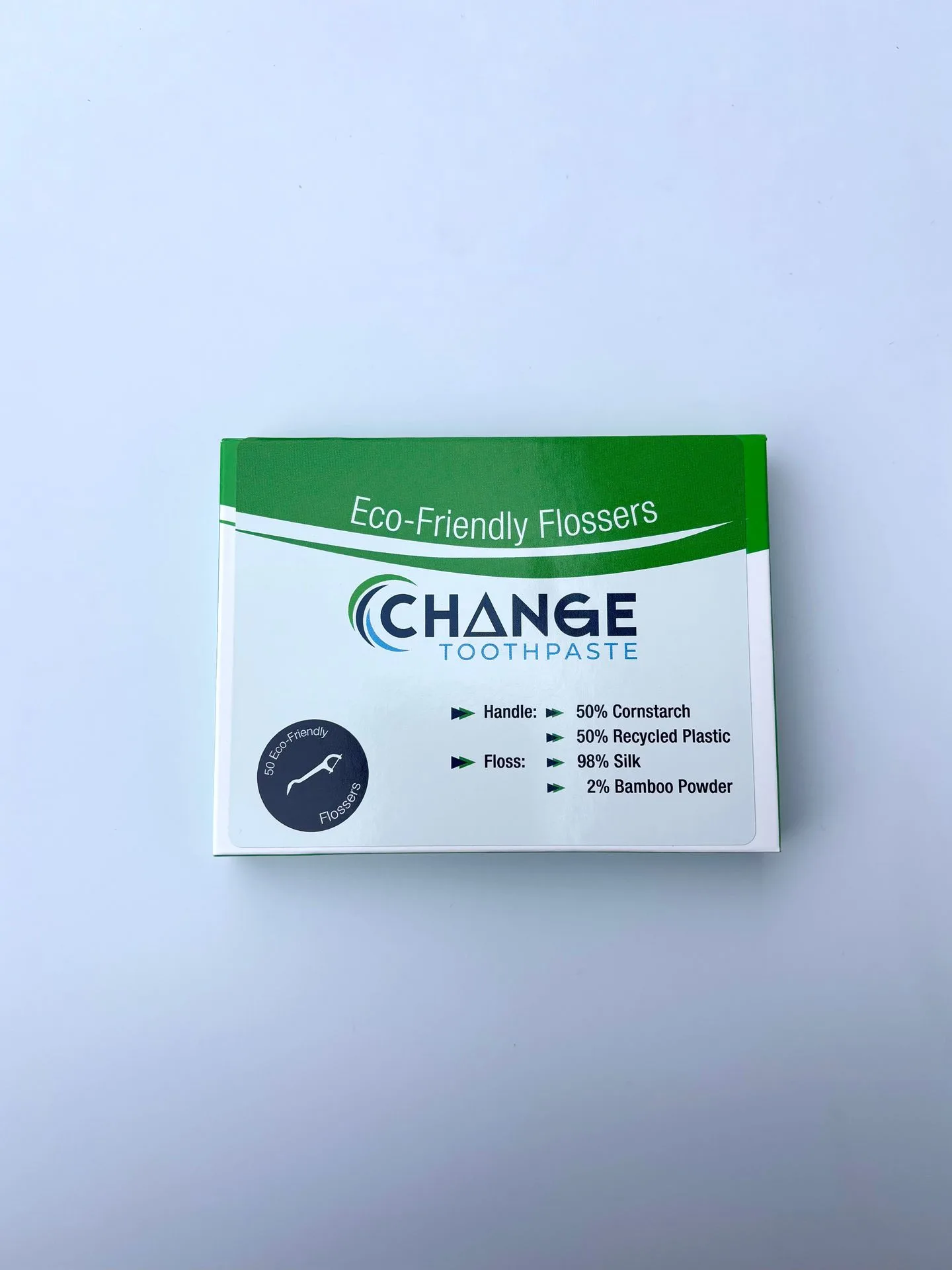
50 Eco-Friendly Flossers - Boxed
Cleaning performance for tight teeth and sensitive gums
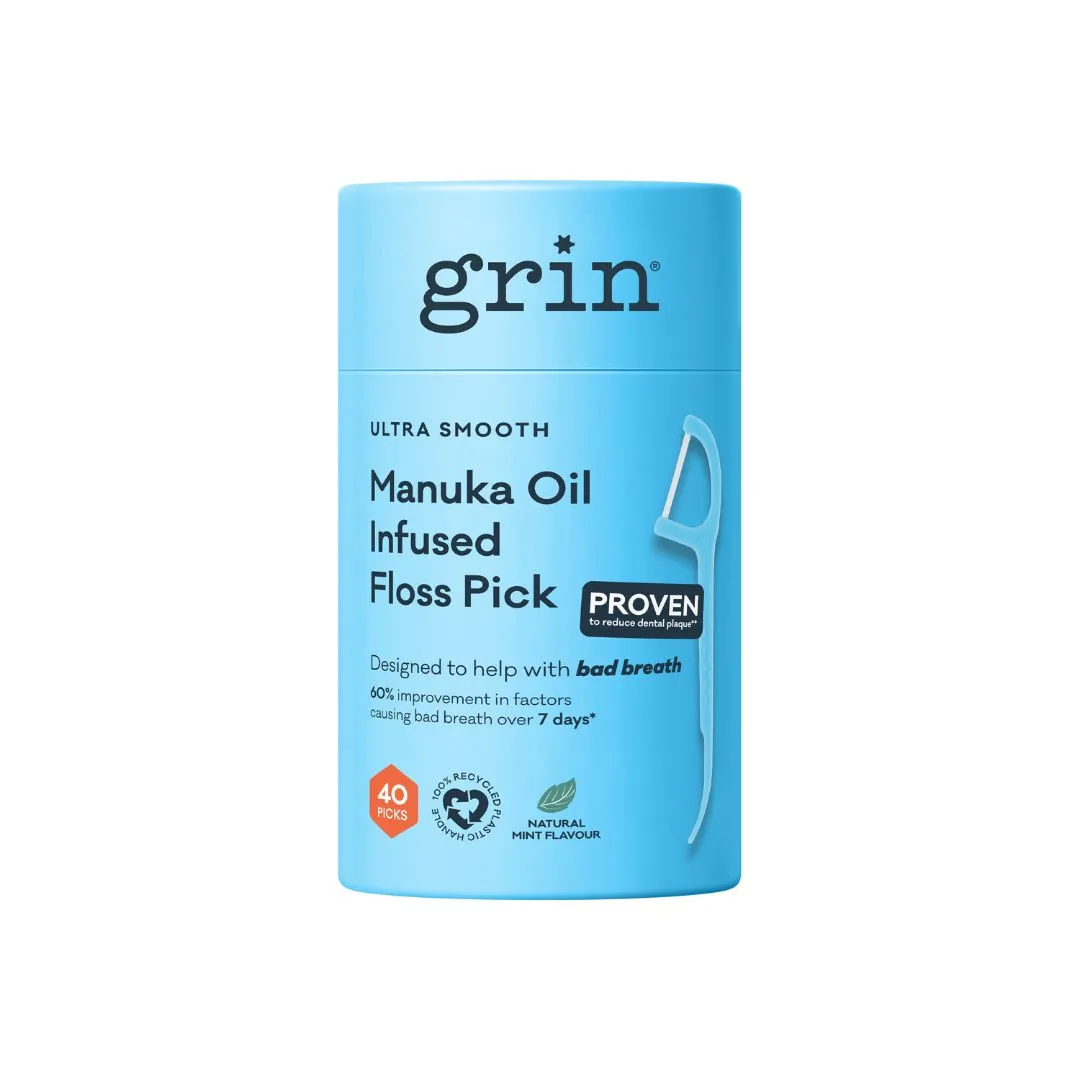
Floss picks excel at reaching the back teeth quickly, but the floss thread is often thinner and less adaptable than a long strand of traditional floss. For tight teeth, traditional floss can be angled and slid between contacts with more control. For sensitive gums, a wider, softer thread like the microfibre floss on the Ultra Smooth 100% Recycled Adults Floss Picks 40pk may be more comfortable. That product is infused with Manuka oil, which the catalog states is proven to improve bad breath by up to 60% in just 7 days of use. If your gums bleed easily, start gently and consult a dental professional.
How often to floss and habit factors
Dentists generally recommend flossing once a day, but the best frequency is the one you can maintain. Flossers make it easier to floss on the go or in a hurry, which can help you stick to a daily habit. Traditional floss requires more time and technique but gives you more control for a thorough clean. If you struggle with consistency, try keeping eco-friendly flossers next to your toothbrush as a visual reminder. For kids, flossers with a comfortable grip can make flossing less intimidating.
Cost and convenience
Eco-friendly flossers often cost more per use than a roll of traditional floss, but they can be more convenient and may encourage better compliance. Buying in bulk, such as the Wholesale 50 Eco-Friendly Flossers - Boxed at a catalog price of USD 2.44, can reduce the per-unit cost. Traditional floss typically has a lower upfront cost and less packaging, but you need to replace the dispenser less often. Consider your budget and how often you floss away from home.
Trade-offs at a glance
- Traditional dental floss: Better for tight contacts, braces, and customized wrapping; lower upfront cost; but typically not biodegradable and requires more technique. Choose if you need maximum control and don't mind the learning curve.
- Eco-friendly flossers: Faster, easier for kids and limited dexterity; reduced plastic use; but may not fit very tight teeth and cost more per use. Choose if convenience and sustainability matter most.
- Hybrid approach: Use traditional floss when you have time for a thorough clean, and eco-friendly flossers for on-the-go or lazy days. Best of both worlds: consistency without sacrificing quality.
Product facts
- Wholesale 50 Eco-Friendly Flossers - Boxed: Made with 50% cornstarch and 50% recycled polypropylene; floss thread is 98% silk and 2% bamboo powder, shred-resistant and gentle. Reduces virgin plastic and provides a gentle clean, but check local composting for the handle.
- Ultra Smooth 100% Recycled Adults Floss Picks 40pk: Ultra Smooth Adults Floss Picks infused with Manuka oil; wider microfibre floss thread; proven to improve bad breath by up to 60% in 7 days. Good for sensitive gums and bad breath, but the wider thread may be harder to insert in very tight teeth.
Which should you choose?
Best for
- People with tight teeth or braces who need precise control
- Those who prefer a low-waste option and don't mind a slightly higher cost
- Kids or adults who need a quick, easy flossing habit
Not for
- Anyone with very tight contacts who finds floss picks too thick
- People who want the absolute lowest cost per clean
- Those who require compostable certification for the entire product