Walk down any personal care aisle, and you’re faced with a wall of options: sticks, sprays, creams, gels, and “natural” formulas. Two terms dominate the labels: deodorant and antiperspirant. While many people use them interchangeably, they work in fundamentally different ways. Understanding the deodorant vs. antiperspirant debate isn’t just a matter of semantics—it can directly impact your skin health, comfort, and even your long-term well-being.
In this guide, we’ll break down the science behind each product, explore the rise of aluminum-free deodorant, and help you decide which sweat management strategy fits your lifestyle. Whether you’re looking to switch to a natural option or simply want to optimize your current routine, you’ll leave with clear, actionable knowledge.
What Is Antiperspirant? How It Stops Sweat
Antiperspirants are technically classified as over-the-counter drugs by the FDA because they alter a physiological function: sweating. They work by using aluminum-based compounds (like aluminum chlorohydrate or aluminum zirconium) that temporarily plug the sweat ducts. When you apply an antiperspirant, the aluminum salts dissolve into the sweat on your skin, forming a gel-like plug that physically blocks the pore. This reduces the amount of sweat that reaches the skin’s surface.
Most conventional antiperspirants are also deodorants—they include antimicrobial agents or fragrances to neutralize odor. But the primary mechanism is sweat reduction. For people who experience excessive sweating (hyperhidrosis), antiperspirants can be a game-changer. However, the aluminum content has sparked ongoing debate about potential health risks, including links to breast cancer and Alzheimer’s disease. While major health organizations (like the American Cancer Society and the National Cancer Institute) have found no conclusive evidence linking aluminum in antiperspirants to these conditions, many consumers prefer to avoid the ingredient altogether. This has fueled the demand for aluminum-free deodorant alternatives.
What Is Deodorant? How It Controls Odor
Deodorants, by contrast, do not prevent sweating. Instead, they target the bacteria that cause odor. Your sweat itself is mostly odorless—it’s when bacteria on your skin break down the proteins and fats in sweat that the unpleasant smell develops. Deodorants use antimicrobial ingredients (such as baking soda, alcohol, or essential oils) to kill or inhibit those bacteria, while fragrances mask any remaining odor.
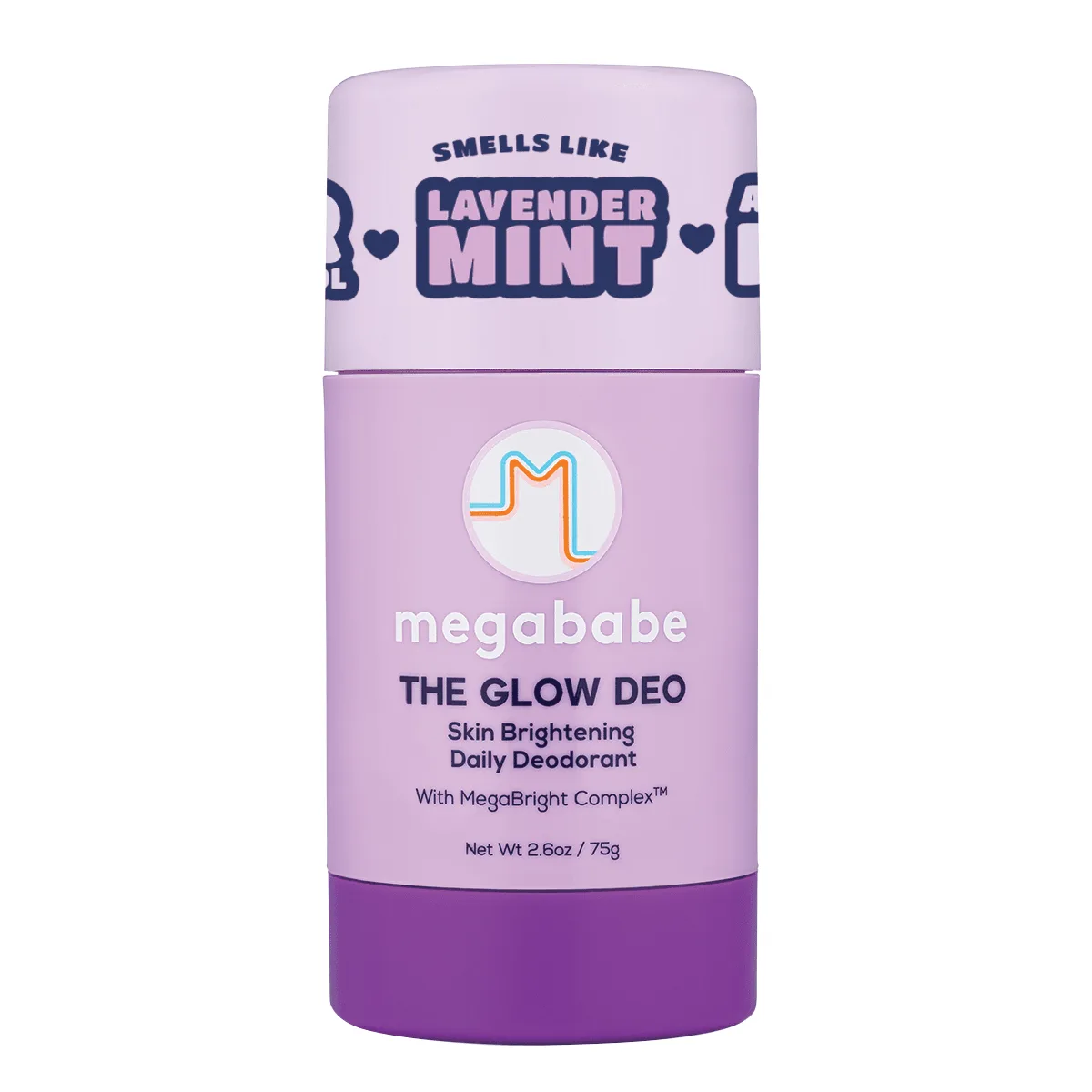
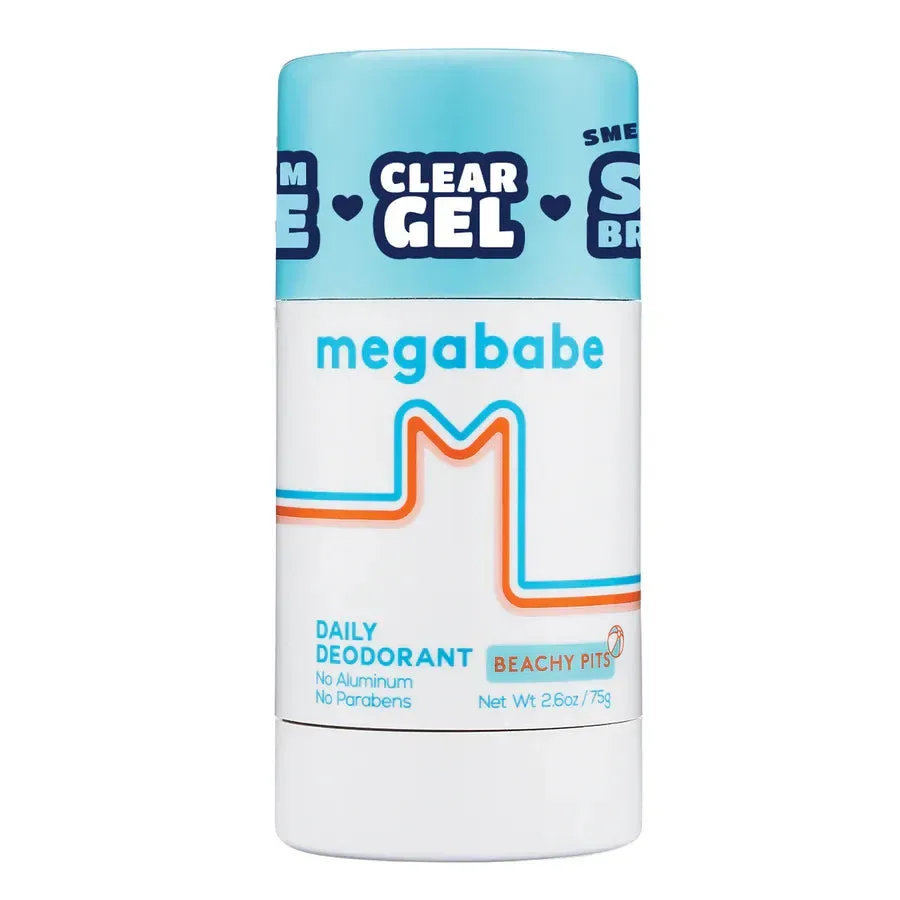
Natural deodorants take this concept a step further by relying on plant-based ingredients like arrowroot powder, coconut oil, shea butter, and essential oils. They avoid synthetic chemicals like parabens, phthalates, and artificial fragrances. For example, The Peachy Deo from Megababe Beauty uses clean ingredients to neutralize odor without blocking pores. Many users find that after a short adjustment period (often called the “detox phase”), their bodies produce less odor and feel healthier overall.
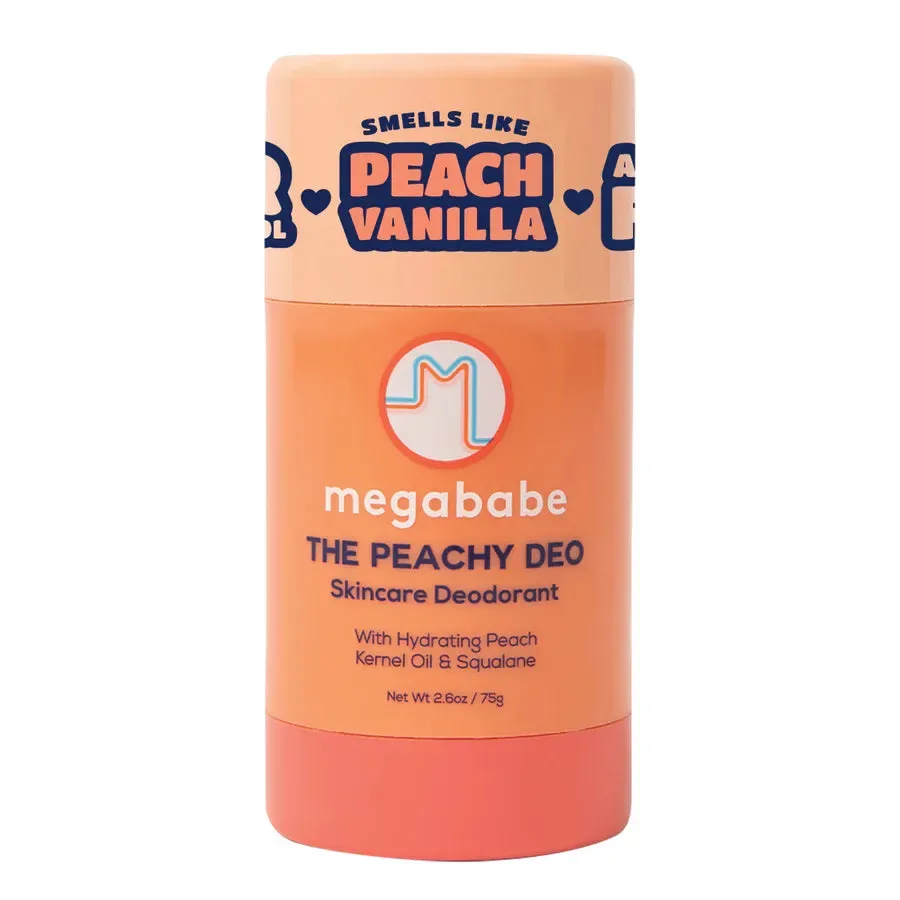
The Peachy Deo
Deodorant vs. Antiperspirant: Key Differences at a Glance
Aspect
Antiperspirant
Deodorant
Primary function
Reduces sweat by plugging pores
Neutralizes odor without stopping sweat
Active ingredients
Aluminum-based compounds
Antimicrobials, baking soda, essential oils
How it works
Blocks sweat ducts temporarily
Kills odor-causing bacteria
FDA classification
Over-the-counter drug
Cosmetic (in most cases)
Skin impact
May irritate sensitive skin; can cause yellow stains on clothes
Gentler; natural formulas often soothe skin
Long-term health concerns
Aluminum absorption studied but no confirmed risk
Generally considered safe; no major concerns
Best for
Heavy sweaters, formal events, hyperhidrosis
Everyday use, sensitive skin, eco-conscious users
Natural Deodorant Benefits: Why More People Are Switching
The shift toward natural deodorant is one of the biggest trends in personal care. Here are the most compelling natural deodorant benefits that drive the switch:
- No aluminum – Avoids the controversy and allows your body to sweat naturally, which is a vital cooling mechanism.
- Gentler on sensitive skin – Many conventional antiperspirants contain alcohol and synthetic fragrances that can cause rashes, redness, or itching. Natural options often use soothing ingredients like coconut oil and aloe vera.
- Fewer chemicals – No parabens, phthalates, or artificial dyes. This aligns with a cleaner beauty philosophy.
- Better for clothes – Aluminum-based antiperspirants are notorious for leaving yellow stains on white shirts. Natural deodorants typically don’t cause this issue.
- Eco-friendly – Many natural deodorant brands use biodegradable packaging or refillable containers, reducing plastic waste.
One of the most popular natural options is The Coco Deo, which harnesses the antibacterial power of coconut oil and essential oils to keep you fresh all day. It’s a perfect example of how natural ingredients can rival conventional formulas in effectiveness.
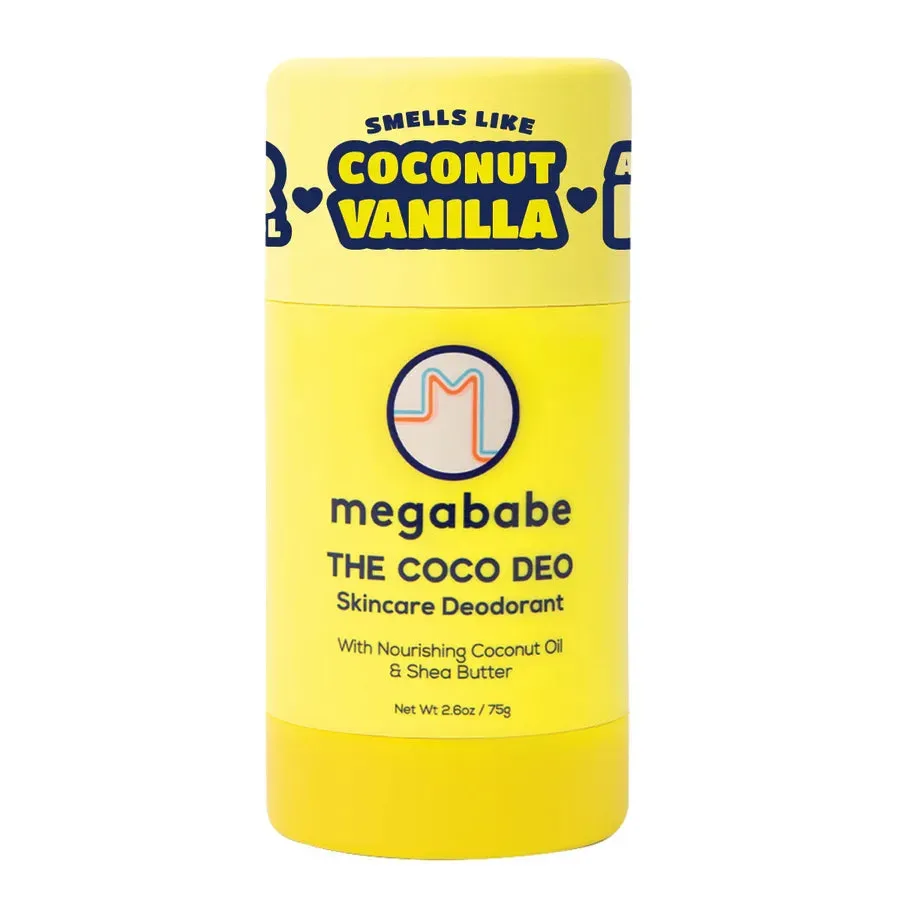
The Coco Deo
Sweat Management Tips for Every Lifestyle
Choosing between deodorant and antiperspirant isn’t always an either/or decision. Many people use both: an antiperspirant on heavy sweat days (like during a workout or a stressful presentation) and a natural deodorant for everyday wear. Here’s how to tailor your sweat management routine:
For Active Lifestyles
If you exercise regularly or live in a humid climate, you may want a dedicated sweat-control product. Consider layering: apply a natural deodorant after your morning shower, then reapply after your workout. For chafing-prone areas, products like the Megaman Friction Fighter can help prevent irritation during long runs or bike rides.
For Sensitive Skin
If antiperspirants cause stinging or rashes, switch exclusively to an aluminum-free deodorant. Look for formulas with calming ingredients like chamomile, calendula, or shea butter. Avoid baking soda—a common irritant for some people—and opt for brands that offer sensitive-skin versions.
For Odor Concerns
If you’re less worried about wetness but want to smell fresh, a high-quality deodorant is your best bet. Many natural deodorants now offer long-lasting protection. Apply to clean, dry underarm skin for best results. You can also use a body powder like Magic Powder to absorb excess moisture in the underarm area and elsewhere—a two-in-one approach to freshness.
How to Transition from Antiperspirant to Natural Deodorant
Switching to aluminum-free deodorant isn’t always seamless. Many people experience a “detox period” where odor and wetness seem worse for 1–4 weeks. This happens because your body is readjusting to sweating freely, and the bacterial balance on your skin is shifting. Here’s how to make the transition smoother:
- Go cold turkey or taper off – Some people prefer to stop using antiperspirant entirely; others gradually reduce frequency (e.g., every other day).
- Exfoliate weekly – Use a gentle scrub or a soft washcloth to remove dead skin cells and product buildup from the underarm area.
- Apply at night – Natural deodorant is most effective when applied to clean, dry skin before bed, allowing the ingredients to absorb overnight.
- Use a charcoal mask – A weekly clay or charcoal mask can help draw out impurities and reset the skin’s microbiome.
- Be patient – Your body will adapt. Once it does, many users report less odor and healthier underarm skin than ever before.
Frequently Asked Questions
Is it safe to use antiperspirant every day?
For most people, yes. Health authorities have not found definitive evidence that aluminum in antiperspirants causes cancer or Alzheimer’s. However, if you have kidney disease, you should avoid aluminum-based products because your body may have difficulty excreting the metal. Always consult your doctor if you have concerns.
Can deodorant stop sweating?
No. Deodorant does not contain ingredients that block sweat ducts. If you want to reduce wetness, you need an antiperspirant or a combination product. Alternatively, you can use a body powder like Bust Dust to absorb moisture and keep skin dry throughout the day.
Does natural deodorant expire?
Yes. Most natural deodorants have a shelf life of 6–12 months because they lack synthetic preservatives. Check the packaging for a “period after opening” symbol. If the texture changes or the scent turns rancid, it’s time to replace it.
Can I use deodorant and antiperspirant together?
Yes, but apply the antiperspirant first (usually at night) and allow it to dry completely before applying deodorant in the morning. This layered approach gives you the sweat-blocking power of antiperspirant plus the odor-fighting benefits of deodorant.
Final Thoughts: Choosing What Works for You
The deodorant vs. antiperspirant debate ultimately comes down to personal preference, skin sensitivity, and lifestyle needs. If you sweat heavily and dislike wetness, an antiperspirant might be your best option. If you prioritize clean ingredients and want to let your body do what it’s designed to do, a natural deodorant is an excellent choice. And remember, you don’t have to commit to one forever—many people rotate between the two depending on the season, their activity level, or their mood.
Are you ready to make the switch to a gentler, more natural approach? Explore Megababe Beauty’s collection of aluminum-free deodorants and body care essentials. Start with The Peachy Deo—a fan-favorite that combines effective odor protection with a delightful peach scent. Your underarms will thank you.