When you walk down the personal care aisle, the terms deodorant and antiperspirant are often used interchangeably, but they are actually quite different. Understanding the distinction can help you make an informed choice that aligns with your body's needs, your lifestyle, and your preferences for natural ingredients.
In this article, we'll break down how deodorants and antiperspirants work, their key differences, and the pros and cons of each. We'll also explore natural deodorant options, including what to look for in a deodorant without aluminum, so you can decide which is better for you.
What Is Deodorant?
Deodorant is designed to neutralize or mask body odor. It does not stop you from sweating; instead, it targets the bacteria that thrive in warm, moist environments and produce odor when they break down sweat. Most deodorants contain antimicrobial agents that reduce bacteria on the skin, along with fragrances to keep you smelling fresh.
Deodorants come in various forms, including sticks, sprays, creams, and even crystals. They are typically alcohol-based, which helps kill bacteria, but they can also be formulated with natural ingredients like tea tree oil, which has antibacterial properties. For those who prefer a more natural approach, deodorants without aluminum are widely available.
- Deodorant allows you to sweat naturally, which is a normal bodily function.
- It focuses on odor, not wetness.
- Natural deodorants often use plant-based ingredients and essential oils.
What Is Antiperspirant?
Antiperspirants, on the other hand, are formulated to reduce or stop sweating. They work by temporarily blocking the sweat ducts with aluminum-based compounds, which form a gel-like plug that prevents sweat from reaching the skin's surface. This reduces both wetness and the odor that comes with it, since bacteria have less moisture to feed on.
Antiperspirants are often recommended for people who experience excessive sweating, known as hyperhidrosis, or for those who want to stay dry during intense physical activity or stressful situations. However, the use of aluminum in antiperspirants has raised concerns among some consumers, leading many to seek alternatives.
- Antiperspirants reduce sweat production by blocking sweat glands.
- They are more effective for controlling wetness.
- Aluminum compounds are the active ingredient in most antiperspirants.
Key Differences Between Deodorant and Antiperspirant
The main difference between deodorant and antiperspirant lies in their primary function. Deodorant tackles odor, while antiperspirant tackles sweat. If you sweat a lot and want to stay dry, an antiperspirant might be your go-to. If you're concerned about aluminum exposure or prefer to let your body sweat naturally, a deodorant could be the better choice.
Another difference is their mechanism of action. Deodorants work on the skin's surface to neutralize odor, while antiperspirants physically block sweat ducts. This means antiperspirants can interfere with your body's natural cooling process, which is something to consider if you exercise regularly or live in a hot climate.
- Deodorant: targets odor, allows sweating, usually aluminum-free.
- Antiperspirant: targets sweat, blocks sweat glands, contains aluminum.
- Choosing between them depends on your priorities: odor control vs. wetness control, and natural ingredients vs. strong effectiveness.
Which Is Better: Deodorant or Antiperspirant?
There is no one-size-fits-all answer to the question of which is better deodorant or antiperspirant. It depends on your body chemistry, lifestyle, and personal preferences. If you are prone to sweating heavily and find it embarrassing, an antiperspirant may provide the confidence you need. On the other hand, if you're looking for a more natural option and don't mind a little moisture, a natural deodorant could be a great fit.
For those who are concerned about the potential health risks associated with aluminum, antiperspirant vs deodorant for sweating becomes a matter of weighing effectiveness against ingredient safety. Many people are switching to deodorants without aluminum, and the market now offers a wide range of natural deodorants that are both effective and gentle on the skin.
- Consider your activity level and climate.
- Think about any skin sensitivities or allergies.
- Evaluate your comfort with aluminum-based ingredients.
Natural Deodorant Options: What to Look For
If you're leaning toward a natural deodorant, look for products that contain ingredients like baking soda, arrowroot powder, or essential oils known for their antibacterial properties. For example, tea tree oil is a popular natural deodorant ingredient because it helps fight odor-causing bacteria. Desert Essence offers a range of natural body care products that can complement your deodorant routine, such as the Tea Tree Oil Liquid Castile Soap Refill, which can be used as a gentle body wash to keep your skin clean and fresh.
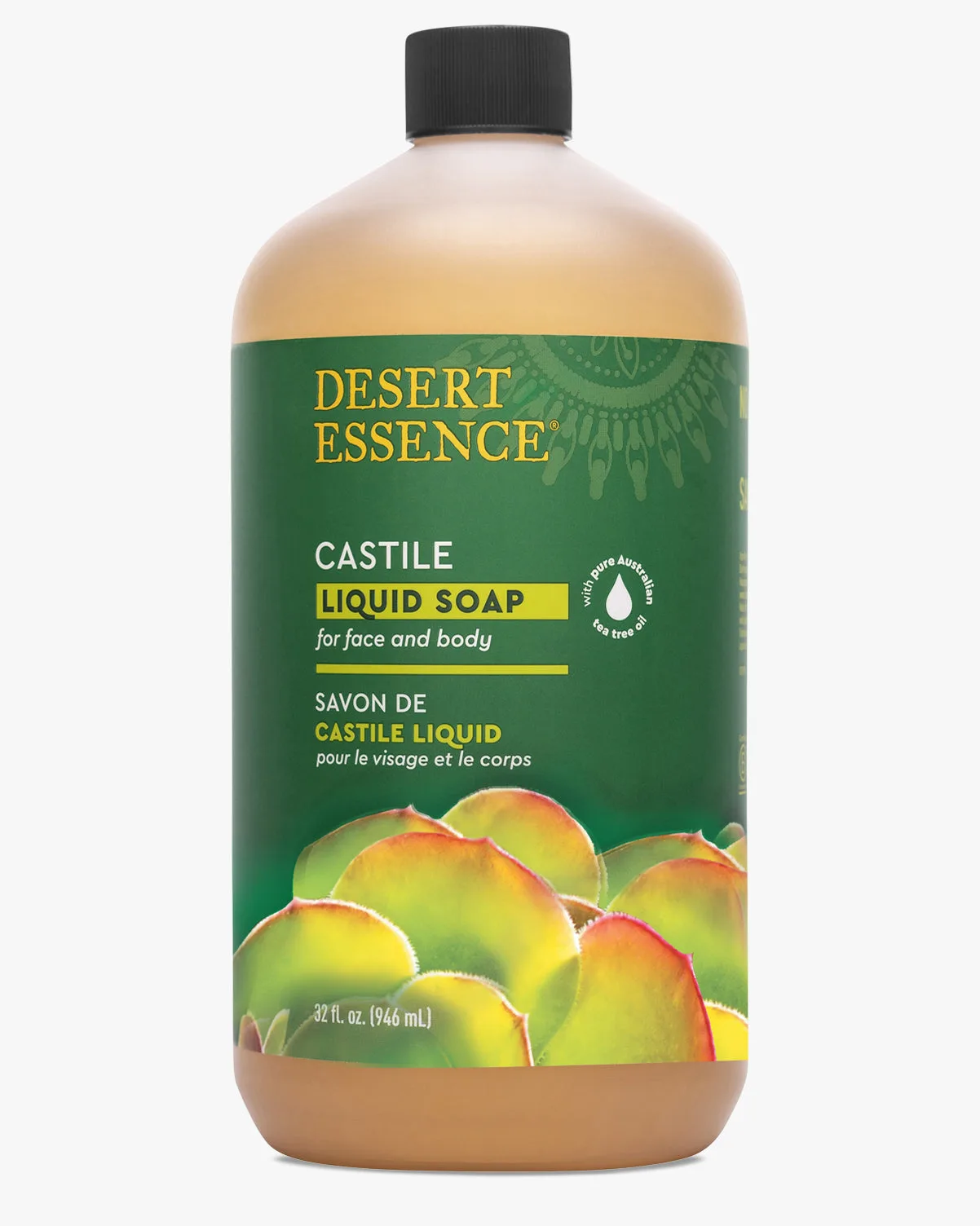
Tea Tree Oil Liquid Castile Soap Refill
Another great option is to use a body oil spray like the Jojoba, Coconut & Chamomile Body Oil Spray to keep your underarm skin moisturized and healthy, which can support your natural deodorant's effectiveness. Remember that natural deodorants may require a transition period as your body adjusts, so be patient and give it time.
- Look for deodorants labeled 'aluminum-free' or 'natural'.
- Check for ingredients like tea tree oil, coconut oil, or shea butter.
- Consider your skin type: some natural deodorants may cause irritation if you have sensitive skin.
How to Make the Switch to Natural Deodorant
Switching from an antiperspirant to a natural deodorant can be a process. Your body is used to having its sweat glands blocked, so it may take a few weeks to regulate. During this time, you might notice increased sweating and odor. To ease the transition, start by using natural deodorant on days when you're not as active, and gradually increase usage.
You can also support your body's detoxification by staying hydrated and eating a balanced diet. Incorporating a gentle body wash like the Tea Tree Oil Liquid Castile Soap Refill into your daily shower routine can help keep bacteria at bay, making your natural deodorant more effective.
- Start slowly: use natural deodorant on weekends or less stressful days.
- Keep your underarms clean and dry before applying.
- Be consistent: give your body time to adjust.
Ultimately, the choice between deodorant and antiperspirant comes down to your personal needs and values. If you prioritize natural ingredients and are comfortable with sweating, a deodorant without aluminum is a great choice. If you need maximum wetness control, an antiperspirant might be necessary. Listen to your body, and don't be afraid to experiment with different products to find what works best for you.