Quick answer
Choose Desert Red for a warm, earthy red accent wall that reads brick or clay; choose Warm Night for a dark, moody near-black with a warm brown undertone. Both are natural limewash paints with soft tonal variation, so the right pick depends on whether you want visible red warmth or a grounded dark backdrop.
Why these two shades get compared
Desert Red and Warm Night sit at opposite ends of the warm spectrum: one is a rich blend of orange and brown, the other a refined warm black. They overlap in mood—both feel earthy and grounded—but they solve different design problems. Desert Red brings color and energy to a wall, while Warm Night recedes and creates depth. Because both are limewash, their soft tonal variation matters as much as the base color.
The tradeoff: color impact vs. quiet backdrop
A red accent wall paint like Desert Red makes a strong statement and can warm up a cool room quickly. Warm Night is more forgiving in open-plan spaces because it behaves like a dark neutral, but it can make small rooms feel enclosed if you paint every wall. If you want a focal point, Desert Red does more with one wall; if you want a cocooning effect, Warm Night is the safer dark moody paint color.
What limewash changes about the decision
Limewash is not a flat, uniform coating. Its soft tonal variations mean Desert Red will show subtle shifts between orange and brown across the wall, and Warm Night will reveal its warm brown undertone in raking light. That variation is the point, but it also means you should test both shades on your actual wall before committing. Natural ingredients can also cause slight batch-to-batch variation, so order enough for the full project in one go.
Desert Red and Warm Night: common questions
Is Desert Red a true red or more of a terracotta?
Desert Red is a blend of orange and brown, so it reads closer to brick or clay than to a clear primary red. In daylight it looks warm and earthy; in low light it can lean deeper brown. Sample it next to your flooring and trim before you buy a full-size can.
Can Warm Night work in a small room?
Yes, if you treat it as an accent rather than painting every surface. One Warm Night wall behind a bed or sofa adds depth without closing in the room; wrapping all four walls in a near-black limewash is a bolder move that suits larger, well-lit spaces. Use one wall first, live with it for a week, then decide whether to extend the color.
Which shade is better for a red accent wall?
Desert Red is the more direct choice for a red accent wall paint because it carries visible red warmth. Warm Night is better when you want a dark accent that supports other colors rather than competing with them. Pick Desert Red if the wall should be the focal point; pick Warm Night if the furniture or art should be.
Do I need a special primer for limewash?
Limewash behaves differently from standard latex, and the catalog does not list a required primer. Check the surface recommendations on the product page or contact the store before painting over glossy or previously painted walls. Confirm substrate prep before you open the can—it is the step most likely to affect the final finish.
How much paint should I order for one accent wall?
Measure the wall's square footage and check the coverage guidance for the size you select. Because natural ingredients can vary slightly between batches, order all the paint for the project at once rather than adding a second can later. Round up rather than down; leftover limewash is useful for touch-ups.
Product facts
-
Desert Red by Sarah Sherman Samuel: Desert Red is a rich blend of orange and brown tones found in brick and clay. That brick-and-clay base makes it a natural fit for warm red wall paint in living rooms, entryways, or anywhere you want an earthy focal point.
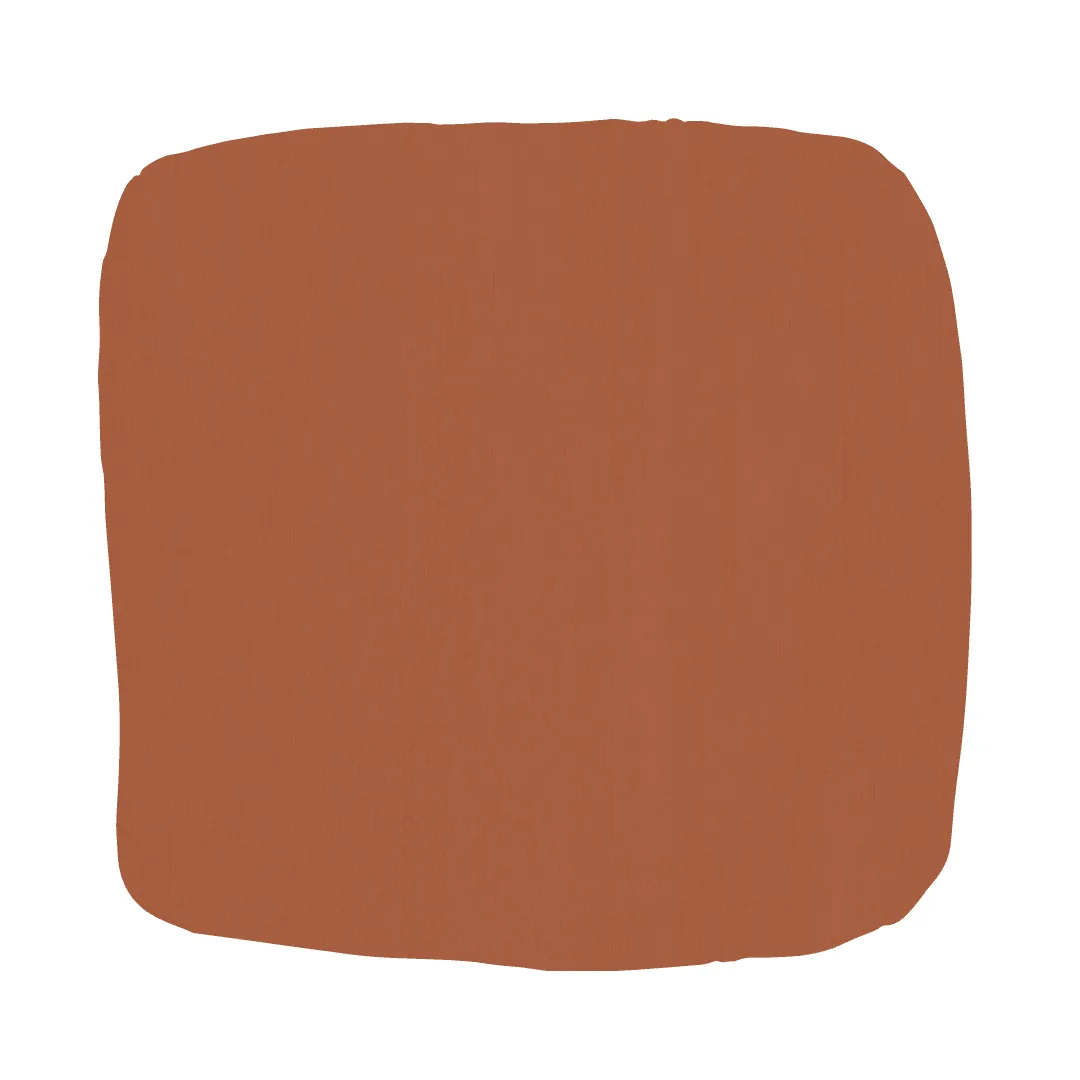
Desert Red by Sarah Sherman Samuel
-
Warm Night by Sarah Sherman Samuel: Warm Night is a refined warm black with a subtle warm brown undertone. The brown undertone keeps it from feeling cold or stark, which makes it easier to use as a dark moody paint color alongside wood and natural textures.
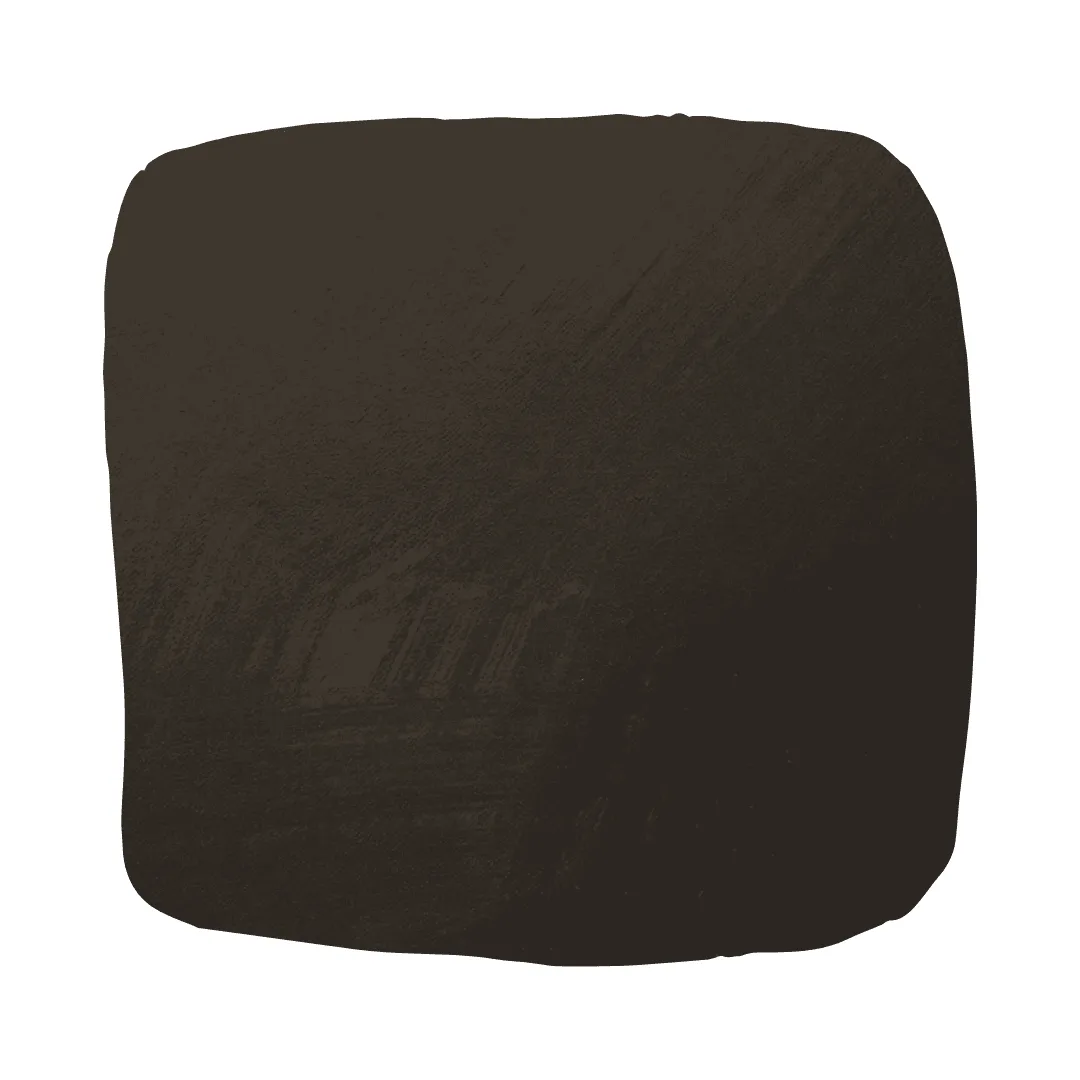
Warm Night by Sarah Sherman Samuel