As a collector, you've likely faced the dilemma: should you invest in designer toys or art prints? Both offer unique joys and potential financial returns, but they cater to different tastes and strategies. In this guide, we'll compare these two popular collectible categories to help you decide where to put your money and passion.
We'll examine factors like value appreciation, display appeal, community, and personal enjoyment. By the end, you'll have a clearer picture of which path aligns with your collecting goals.
Understanding Designer Toys and Art Prints
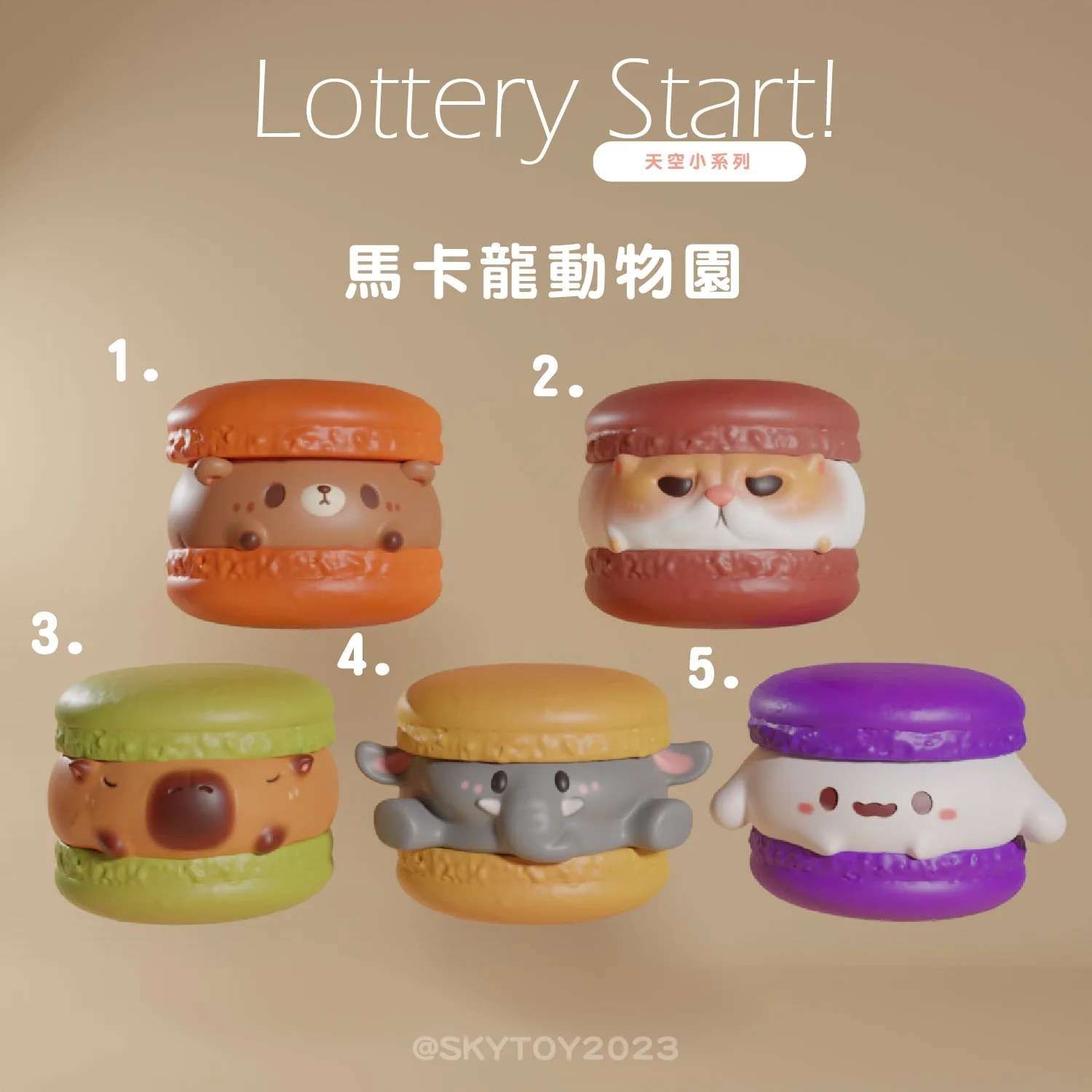
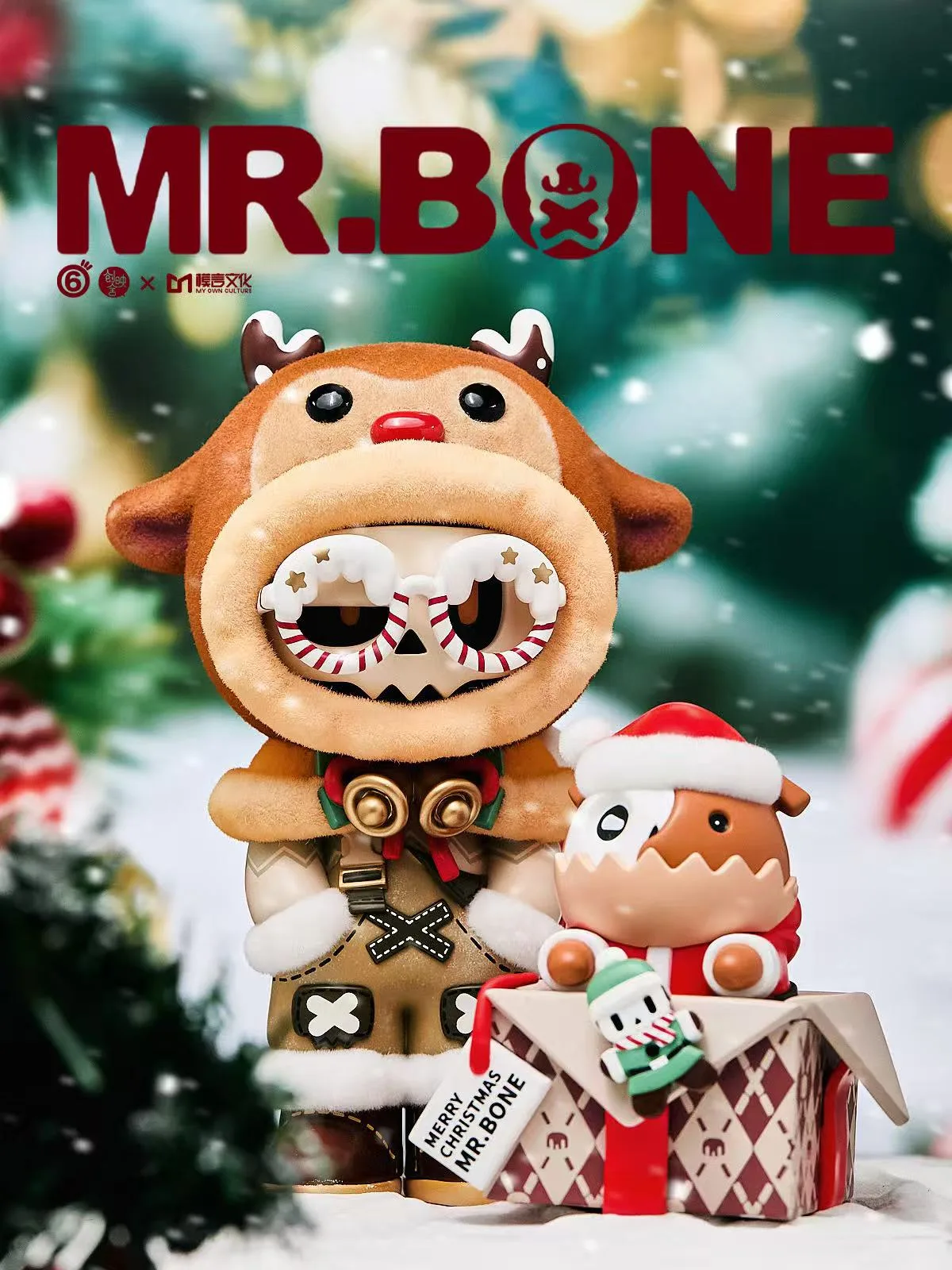
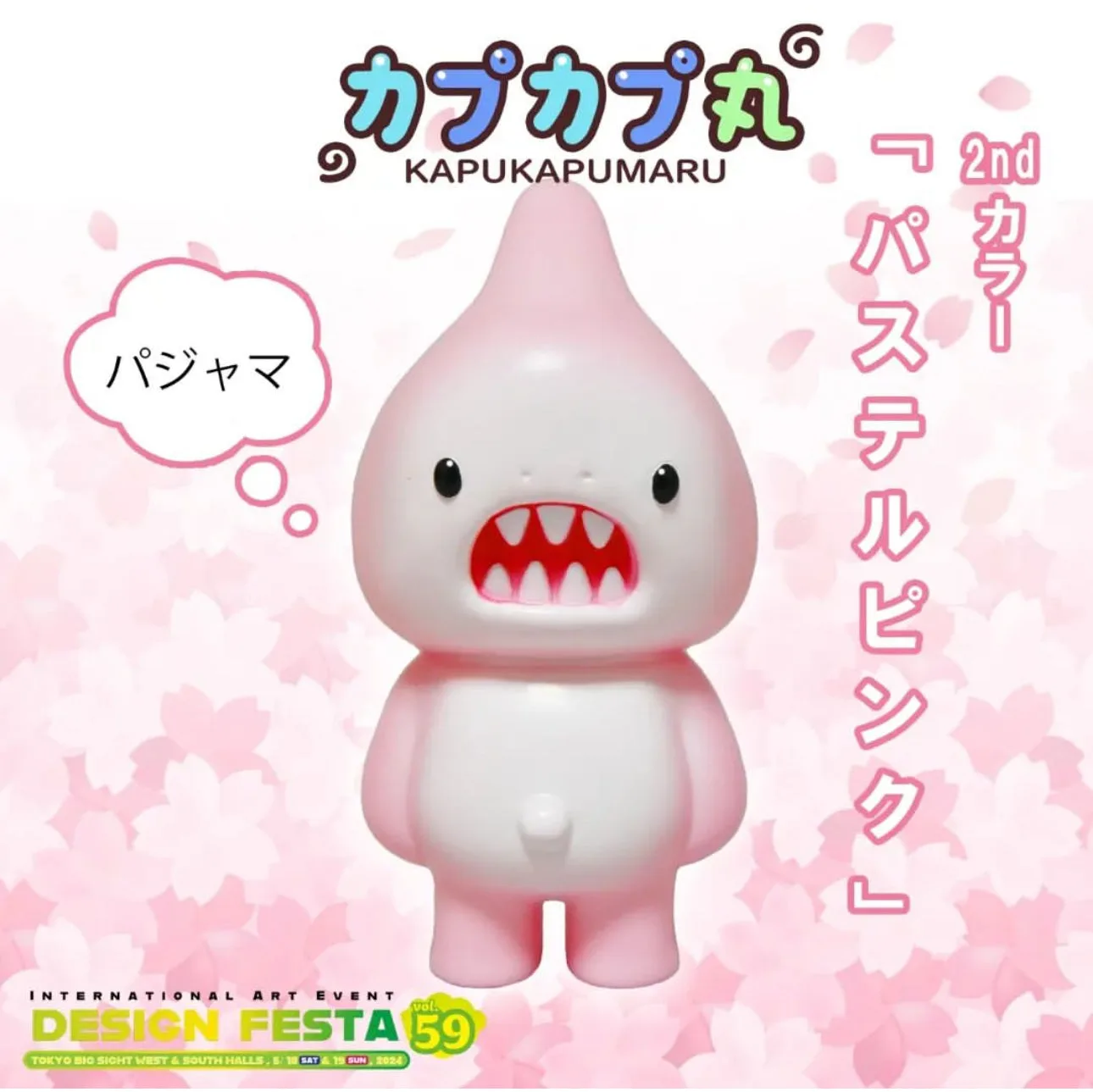
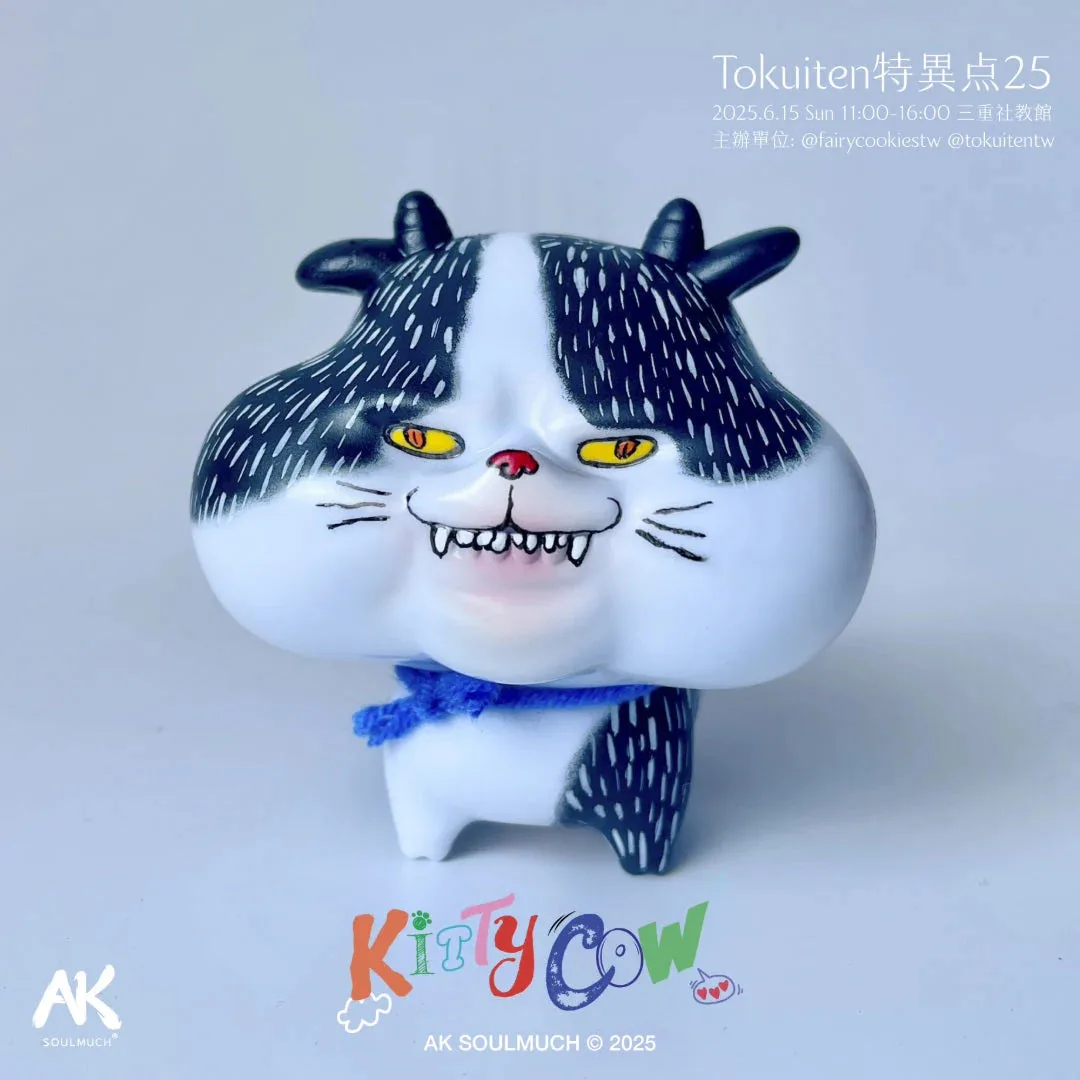
Designer toys, also known as art toys, are vinyl or resin figures created by artists and toy designers. They often come in limited editions, with intricate designs and unique aesthetics. Examples include figures like NANAHARA by JD Wang or the Super Macho "Luchador" Limited Edition. These toys can be displayed on shelves, desks, or in custom cases, adding a three-dimensional pop to any room.
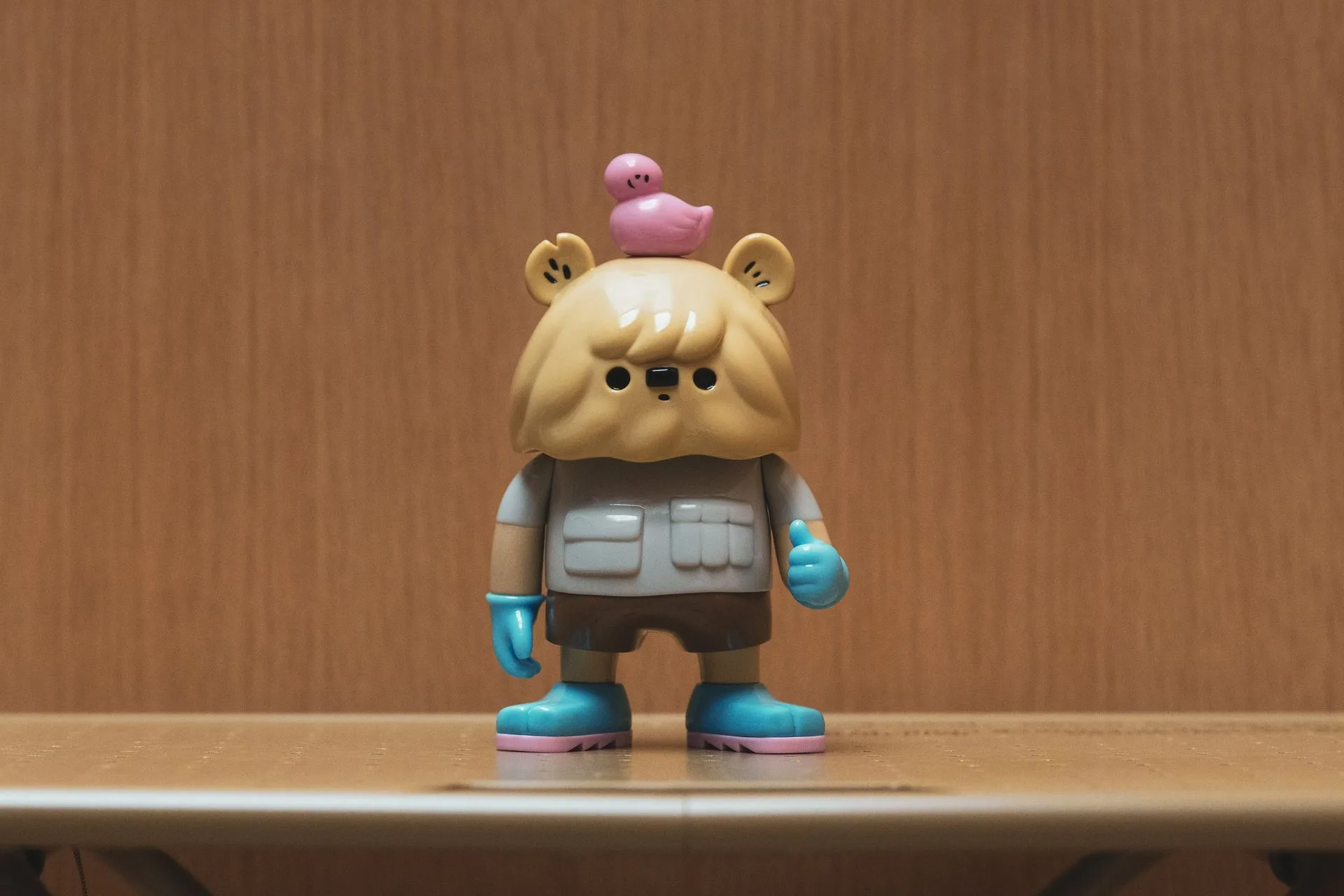
NANAHARA by JD Wang
Art prints, on the other hand, are two-dimensional reproductions of original artworks. They can be giclée prints, screen prints, or lithographs, often signed and numbered by the artist. Prints like those from the "Bobbi The Baphomet - The Exorcism of Bobbi by Zintears" series offer a more accessible entry point to owning art, and they can be framed and hung on walls, creating a gallery-like atmosphere.
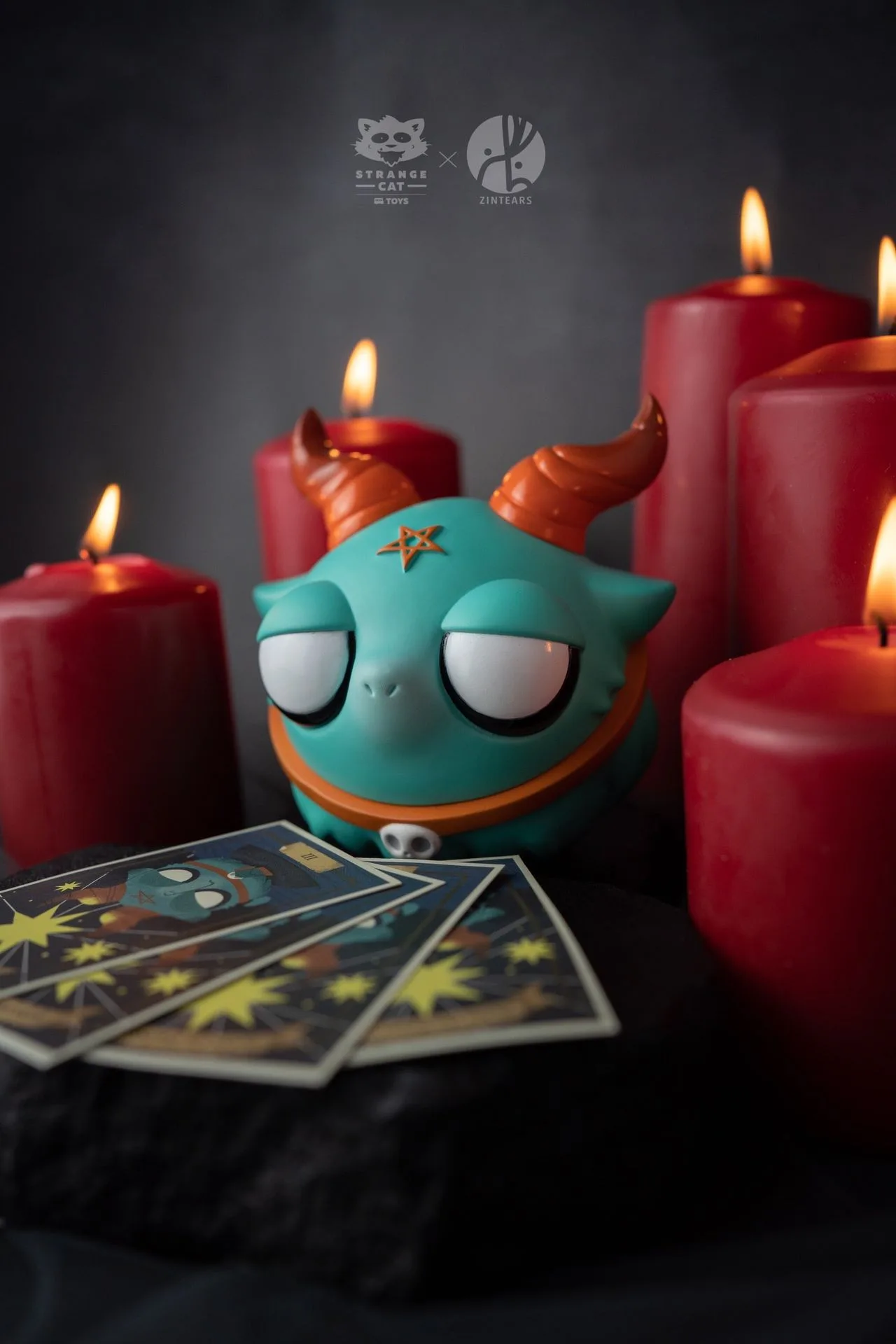
Bobbi The Baphomet - The Exorcism of Bobbi by Zintears
- Designer toys: 3D, tactile, often limited editions
- Art prints: 2D, easy to frame and display, often signed
Value and Investment Potential
When it comes to investment, both designer toys and art prints can appreciate in value, but the dynamics differ. Designer toys, especially limited editions from sought-after artists, can skyrocket in the secondary market. For instance, a rare NANAHARA piece might double or triple in value within a few years. However, the market can be volatile, and not all toys appreciate.
Art prints, particularly those from established artists, tend to have a more stable appreciation. Limited-run prints, like the "Babababa - Orangesicle by Chishima Konosuke" series, can become highly collectible. The key is to research the artist's career trajectory and the print's edition size. Prints also have a lower entry cost, allowing you to diversify your portfolio.
- Designer toys: higher risk, higher reward potential
- Art prints: more stable, lower entry cost
Display and Aesthetic Appeal
Displaying designer toys is a statement. They add a playful, artistic touch to your space and can be arranged in dynamic scenes. Many collectors enjoy the physical interaction—rotating, posing, and even customizing their figures. The tactile nature of toys makes them engaging conversation starters.
Art prints, however, offer a different kind of aesthetic. They can transform a room's ambiance, adding color and sophistication. Framing a print allows you to integrate it into your home decor seamlessly. For those who prefer a minimalist or gallery-style look, prints are the way to go. You can also rotate prints easily, changing the vibe of your space without much effort.
- Toys: interactive, 3D, playful
- Prints: elegant, 2D, versatile for decor
Community and Collecting Experience
The designer toy community is vibrant and passionate. Collectors often gather at conventions like DesignerCon, share unboxing videos, and trade on forums. The thrill of hunting for a rare figure or participating in blind box openings, like the "Wooly Bear and Friends Plush Keychain Blind Box" or the "Nanci's Sweet Time Blind Box Series," adds excitement to the hobby.
Art print collectors, meanwhile, enjoy a more cerebral experience. They follow artists, attend gallery shows, and appreciate the creative process behind each piece. The community is smaller but equally dedicated, with online groups dedicated to print releases and artist collaborations. Both communities offer camaraderie and knowledge-sharing, but the vibe is distinct.
- Toy community: event-driven, social, thrill of the hunt
- Print community: artist-focused, gallery-oriented, intellectual
Practical Considerations: Space, Care, and Budget
Space is a crucial factor. Designer toys, especially larger figures like the "Honkai: Star Rail Amphoreus Heroes Super Stacking Figure Vol.1," require shelf space and protection from dust and sunlight. Art prints, on the other hand, are flat and can be stored easily in portfolios if you run out of wall space. They are also lighter to ship and store.
Care routines differ: toys need occasional dusting and careful handling to avoid scratches, while prints require proper framing with UV-protective glass to prevent fading. Budget-wise, prints are often more affordable upfront, allowing you to start collecting without a huge investment. However, limited-edition toys can be a significant splurge, but they may offer higher returns.
- Toys: require display space, care against dust and sun
- Prints: easier to store, need framing for protection
Making the Choice: Which Is Right for You?
Ultimately, the decision between designer toys and art prints depends on your personal preferences and goals. If you love tactile, three-dimensional art and enjoy being part of a lively community, designer toys might be your calling. If you prefer the elegance of wall art and a more stable investment, art prints could be the better fit.
Many collectors, including those at Strangecat Toys, find joy in both. You can start with one and expand into the other as your collection grows. For example, you might collect the "Besties - Nacho & Rosie By The Bots" figures for their charm, while also framing a print from the same artist. The key is to collect what you love, as passion often leads to better long-term satisfaction.
- Consider your display space and budget
- Think about your long-term interest and community engagement
In the end, whether you choose designer toys or art prints, the best investment is one that brings you joy. Both have the potential to appreciate in value, but the true reward is the enjoyment they bring to your life. Explore our curated selection at Strangecat Toys to find pieces that speak to you, and start or grow your collection today.