If you love cracking codes, piecing together timelines, and outsmarting red herrings, you've probably wondered whether a dedicated puzzle book can deliver the same thrill as a full mystery box. Hunt A Killer, known for its immersive subscription games, also offers standalone puzzle books that challenge your logic and observation skills without the commitment of a multi-episode narrative.
In this review, we'll focus on two standout titles: Blood & Ink, a literary-themed logic puzzle collection, and Nancy Drew: Mystery at Magnolia Gardens, a classic whodunit in book form. We'll break down what each offers, who they're best for, and whether they live up to the Hunt A Killer reputation for clever, hands-on mystery solving.
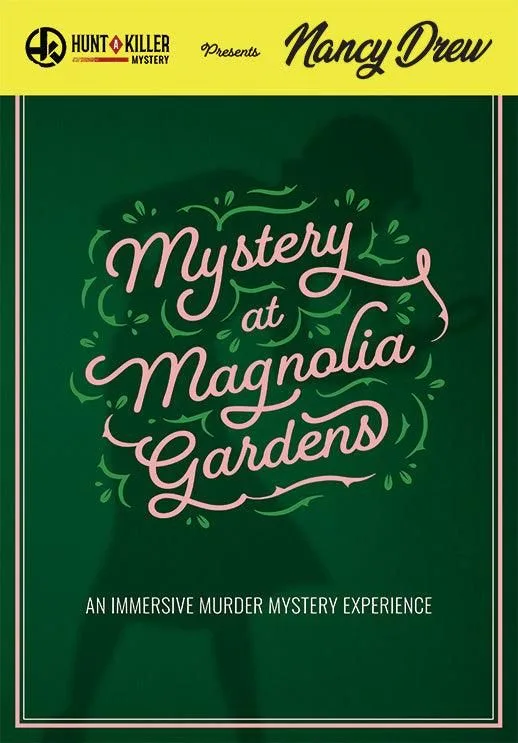
Nancy Drew: Mystery at Magnolia Gardens
What Makes a Detective's Puzzle Book Different from a Full Mystery Game?
A puzzle book strips away the physical props, evidence envelopes, and multi-week pacing of a box set. Instead, it presents all clues on the page—maps, ciphers, witness statements, and diagrams—challenging you to solve the case using only your brain and a pencil. This format is ideal for travel, quick sessions, or players who prefer pure deduction over tactile investigation.
Hunt A Killer's puzzle books retain the brand's signature attention to narrative detail. For example, Blood & Ink weaves a story around a rare book collection and a suspicious death, requiring you to decode hidden messages and cross-reference alibis. The puzzles are self-contained but interconnected, rewarding methodical thinking rather than speed.
- Tip: Keep a notebook and colored pens handy for marking patterns and eliminating suspects.
Blood & Ink: A Literary Mystery for Word Lovers
Blood & Ink is a 96-page puzzle book that casts you as a detective investigating a murder at a rare book fair. The puzzles range from anagrams and acrostics to logic grids and hidden messages within classic literature excerpts. It's a treat for readers who enjoy wordplay and literary references, but the difficulty leans moderate—suitable for both beginners and experienced solvers.
One strength is its compact design: you can solve it in a single evening or spread it over a weekend. However, because the puzzles are entirely paper-based, there's no physical evidence to handle, which may disappoint fans of Hunt A Killer's more tactile games like The Melancholy Killer Premium Game. The satisfaction comes from the 'aha' moments of cracking codes, not from unboxing props.

The Melancholy Killer Premium Game
- Tip: If you get stuck, revisit the opening narrative—important clues are often hidden in plain sight within the story.
Nancy Drew: Mystery at Magnolia Gardens – A Classic Whodunit with a Modern Twist
Nancy Drew: Mystery at Magnolia Gardens adapts the beloved sleuth's investigative style into a puzzle book format. You follow Nancy as she explores a Southern mansion, gathering clues from diary entries, floor plans, and botanical references. The puzzles incorporate observation, deduction, and some basic logic puzzles like sudoku-style grids.
This book is slightly easier than Blood & Ink, making it a great entry point for younger players or those new to puzzle books. The narrative is engaging, and the puzzles feel integrated into the story rather than tacked on. The trade-off is that experienced solvers might finish it in under two hours. It's a charming, low-stakes mystery perfect for a cozy afternoon.
- Tip: Pay close attention to the illustrations—they contain subtle visual clues that text alone won't reveal.
Comparing Puzzle Books to Hunt A Killer's Box Sets
If you're used to the immersive experience of a Hunt A Killer box set like https://widemark.shop/products/homicide-at-the-heist-special-edition-66861Homicide at the Heist (Special Edition) or Renfaire Regicide Box Set, a puzzle book may feel like a lighter meal. Box sets offer physical evidence, multiple episodes, and a deeper narrative arc. Puzzle books, by contrast, are single-session challenges that prioritize mental gymnastics over atmosphere.
That said, puzzle books have distinct advantages: they're portable, affordable, and replayable if you share with a friend. They also sharpen specific skills like code-breaking and logical elimination, which directly translate to better performance in larger mystery games. For example, solving Blood & Ink's ciphers will make you quicker at decoding clues in The Final Act: Murder at the Talent Show.
- Tip: Use a puzzle book as a warm-up before tackling a multi-episode box set to get your brain in detective mode.
Who Should Buy a Detective's Puzzle Book?
These puzzle books are ideal for solo players, couples, or small groups who want a quick, screen-free activity. They're also great for travel—tuck one in your bag for a plane ride or a rainy afternoon. If you're a fan of logic puzzles like crosswords or cryptograms, you'll find familiar mechanics wrapped in a mystery narrative.
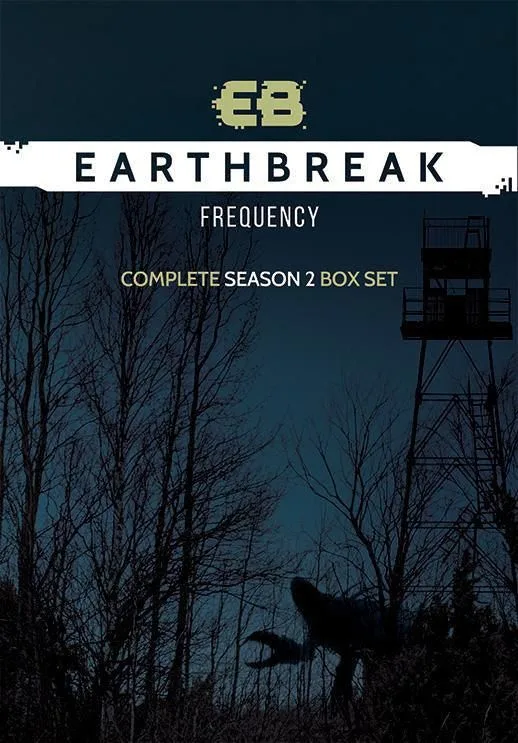
However, if you crave physical props, collaborative team play, or a multi-session story arc, you'll likely prefer a full game like Body On The Boardwalk or Earth Break: Frequency Box Set. The puzzle books are a supplement, not a replacement, for the full Hunt A Killer experience. They're best viewed as a way to train your detective skills between box sets.
- Tip: For a group activity, buy two copies and race to see who solves the case first—just don't peek at each other's answers.
Hunt A Killer's puzzle books, particularly Blood & Ink and Nancy Drew: Mystery at Magnolia Gardens, offer a satisfying, portable dose of logic and deduction. They won't replace the thrill of unboxing a full mystery kit, but they sharpen your mind and fill the gap between seasons. If you enjoy wordplay, classic whodunits, or simply want a brain teaser you can finish in one sitting, these books are a worthy addition to your detective library.