A lightweight hiker for fast trails, not alpine loads
The DEVERO MID GTX in Sand is built for hikers who move quickly on trails and want a mid-cut boot that feels light without giving up structure. Zamberlan describes it as a lightweight, supportive hiker that sits at the intersection of performance, comfort and eco-conscious design. That makes it a strong candidate for day hikes, fast-paced trail outings and three-season use where you want ankle coverage but not a heavy mountaineering boot.
The mid-cut shape—6 inches tall—adds taller, flexible collars for ankle support in rugged terrain. If you are choosing between a low shoe and a mid boot, this is the middle ground: more coverage than a low-cut hiker, less bulk than a full leather mountain boot. It is not intended for heavy pack loads or technical alpine conditions, but for moving fast with a light pack it fits the brief.
What the catalog confirms
-
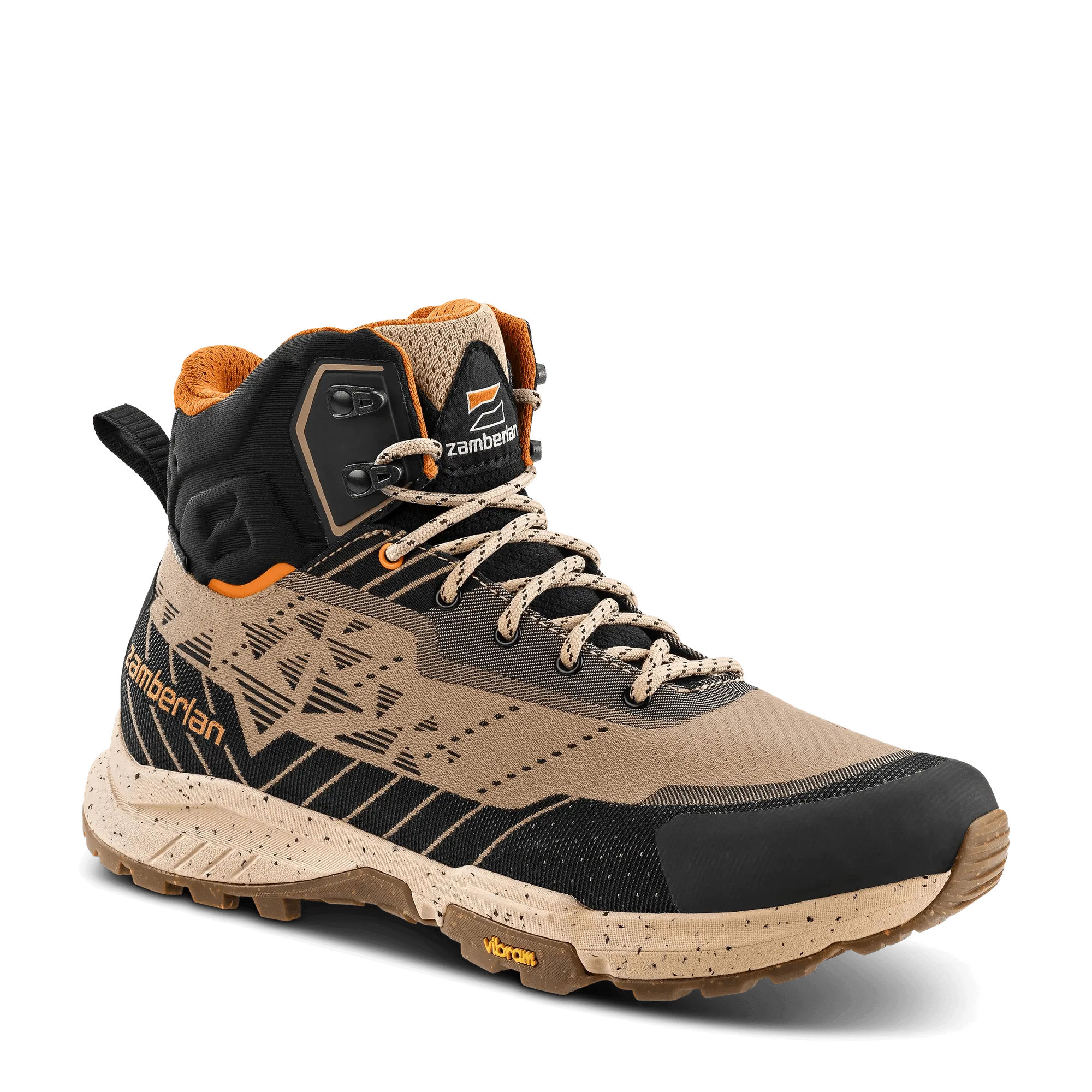
DEVERO MID GTX - Sand: The Devero's upper uses lightweight recycled fabric woven with abrasion-resistant inserts in different zones, reducing seams and shedding weight without compromising durability. A fabric upper with zoned reinforcement keeps the boot light and breathable while adding wear resistance where it counts—useful if you prioritize speed and low weight over the patina of full leather.
DEVERO MID GTX - Sand
-
DEVERO MID GTX - Sand: Up to 50% recycled EVA midsoles offer lightweight cushioning and energy return with every step. Cushioning and energy return matter on longer day hikes; this midsole construction supports a comfortable, efficient stride without the bulk of a stiffer mountaineering platform.
-
DEVERO MID GTX - Sand: The Devero Mid's GORE-TEX waterproof-breathable membrane keeps inclement weather out. If you hike in wet or changeable conditions, a GTX membrane adds weather protection. It also means the boot is less breathable than an unlined fabric shoe, so it suits wet-weather use better than hot, dry climates.
-
DEVERO MID GTX - Sand: The Vibram Junko Lite outsole features a recycled Ecostep compound that enhances traction in rocky, uneven terrain. Traction is a key buying factor for rocky trails; this outsole is designed for the uneven ground you meet on fast day hikes.
Sand color and fabric upper: what it means for care
The Sand colorway is a light, neutral tone that looks great on trail but shows dirt and scuffs more readily than darker leather. The upper is a lightweight recycled fabric with abrasion-resistant inserts, not full-grain leather. That means it will not develop the same patina as a leather boot, and it may require more frequent cleaning to keep it looking fresh. The catalog does not include specific care instructions for this model, so we recommend following general fabric-and-GORE-TEX boot care: brush off mud after each hike, rinse with lukewarm water, and air-dry away from direct heat. Avoid machine washing or harsh detergents. For waterproofing, use a product suitable for fabric-and-GTX uppers, but check the label first. Because the catalog does not list care steps, treat these as sensible defaults rather than manufacturer instructions.
Who the DEVERO MID GTX Sand suits
- Fast day hikers: If you cover miles quickly on established trails with a light pack, the lightweight build and energy-return midsole work in your favor.
- Hikers who want ankle coverage without weight: The 6-inch mid-cut collar adds support in rugged terrain while keeping the boot light enough for quick movement.
- Wet-weather walkers: The GORE-TEX membrane provides waterproof-breathable protection for changeable conditions.
- Eco-conscious buyers: Recycled fabric upper and up to 50% recycled EVA midsoles make this a more sustainable choice than many conventional boots.
- Anyone who prefers a lighter, fabric upper over leather: The fabric upper with zoned abrasion resistance is lighter and needs less break-in than full leather, though it may not match leather's long-term durability.
Who should look elsewhere
This is not a mountaineering boot. If you carry heavy loads, travel on snow or technical terrain, or need a stiff sole for crampons, look for a stiffer, leather or synthetic mountaineering model. Similarly, if you hike mostly in hot, dry climates, a non-waterproof, more breathable shoe may be more comfortable than a GTX-lined mid boot. And if you want a boot that ages into a patina and can be resoled for decades, a full leather boot is a better fit than this fabric model. The DEVERO MID GTX is designed for speed and light weight, not maximum durability or support.
Sizing and fit: what to check before you order
The DEVERO MID GTX is available in sizes 8 through 13, including half sizes up to 12. The catalog does not specify whether the sizing runs true to street shoe size, so we recommend measuring your foot and comparing to Zamberlan's size chart if available, or ordering from a retailer with easy exchanges. Fit is personal: a mid-cut boot should hold your heel securely without pinching across the instep. Because the upper is fabric, it may feel snug at first but should not require extensive break-in. If you are between sizes, consider whether you will wear thicker socks; a half size up can accommodate that. The catalog does not include width options, so this model likely suits standard-width feet. If you have wide feet, look for a model with explicit wide sizing.
Price and value
At USD 175.20 (compared to a catalog price of USD 240.00), the DEVERO MID GTX Sand sits in the mid-range for technical hiking boots. You are paying for the GORE-TEX membrane, Vibram outsole, and lightweight construction with recycled materials. If those features align with your needs, it represents solid value. If you mostly hike easy trails in dry weather, a simpler boot might save money. But for fast, wet-weather day hikes where weight matters, this boot is competitively priced.