Quick answer
Pack two full outfits, not one: a bodysuit or top plus a bottom, two pairs of socks, one extra layer, and a wet bag. Choose soft bamboo basics in your baby's current size plus one size up, because a too-small bodysuit is the main reason changes turn into a struggle. Keep the bag stocked by size, and restock it the same day you use something.
The core packing list, by quantity
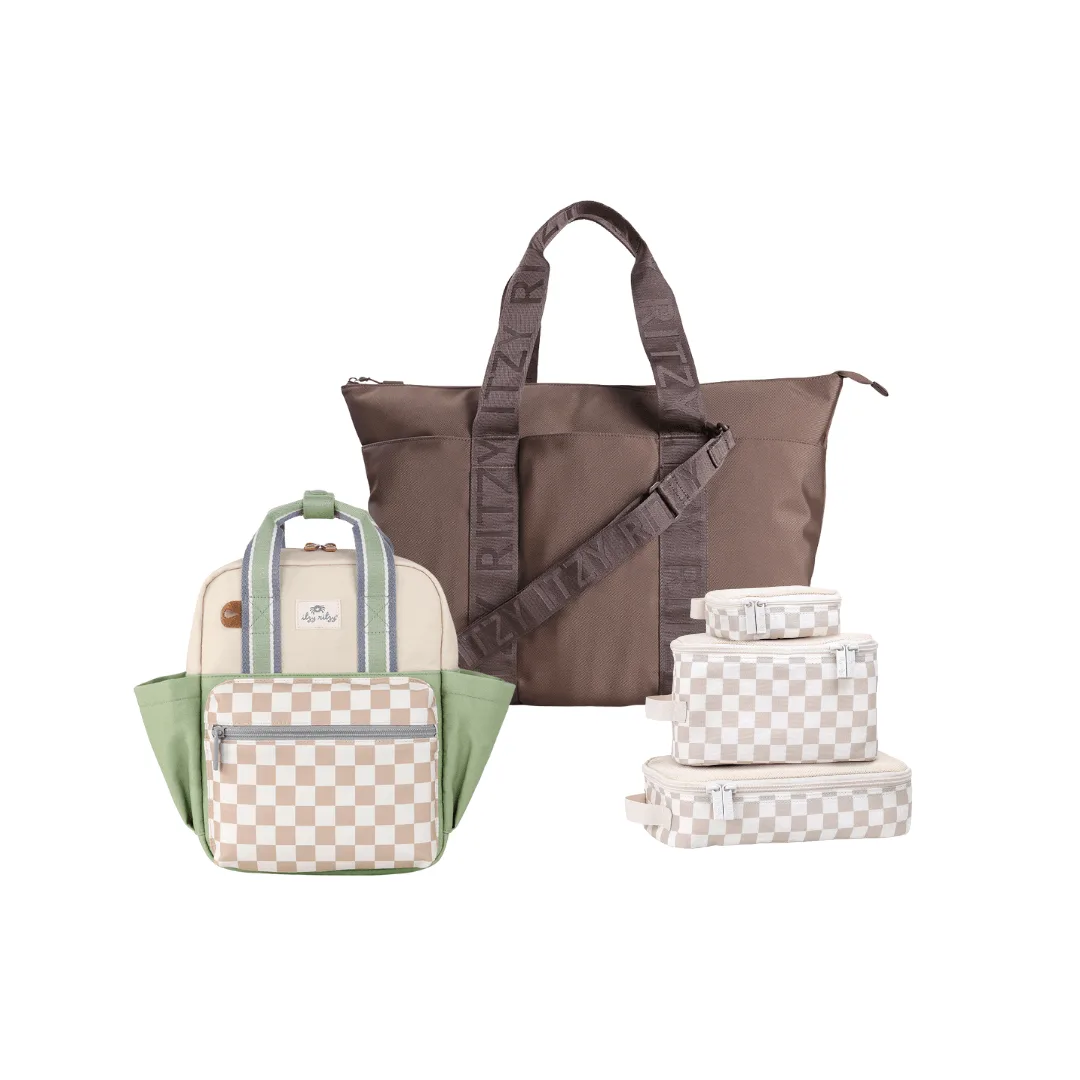
A workable diaper bag checklist covers three needs: a clean change, warmth, and containment of anything wet. For a half-day outing, that means two bodysuits or tops, one bottom, two pairs of socks, one light layer, three diapers, wipes, a wet bag, and a burp cloth. For a full day, double the clothing and diapers and add a spare layer.
Resist packing five outfits. Extra fabric takes space you need for diapers, and clothes that sit in the bag for weeks get compressed and forgotten. Two outfits plus one layer is enough for most outings, and it keeps the bag light enough to carry one-handed.
Why bamboo basics earn their space
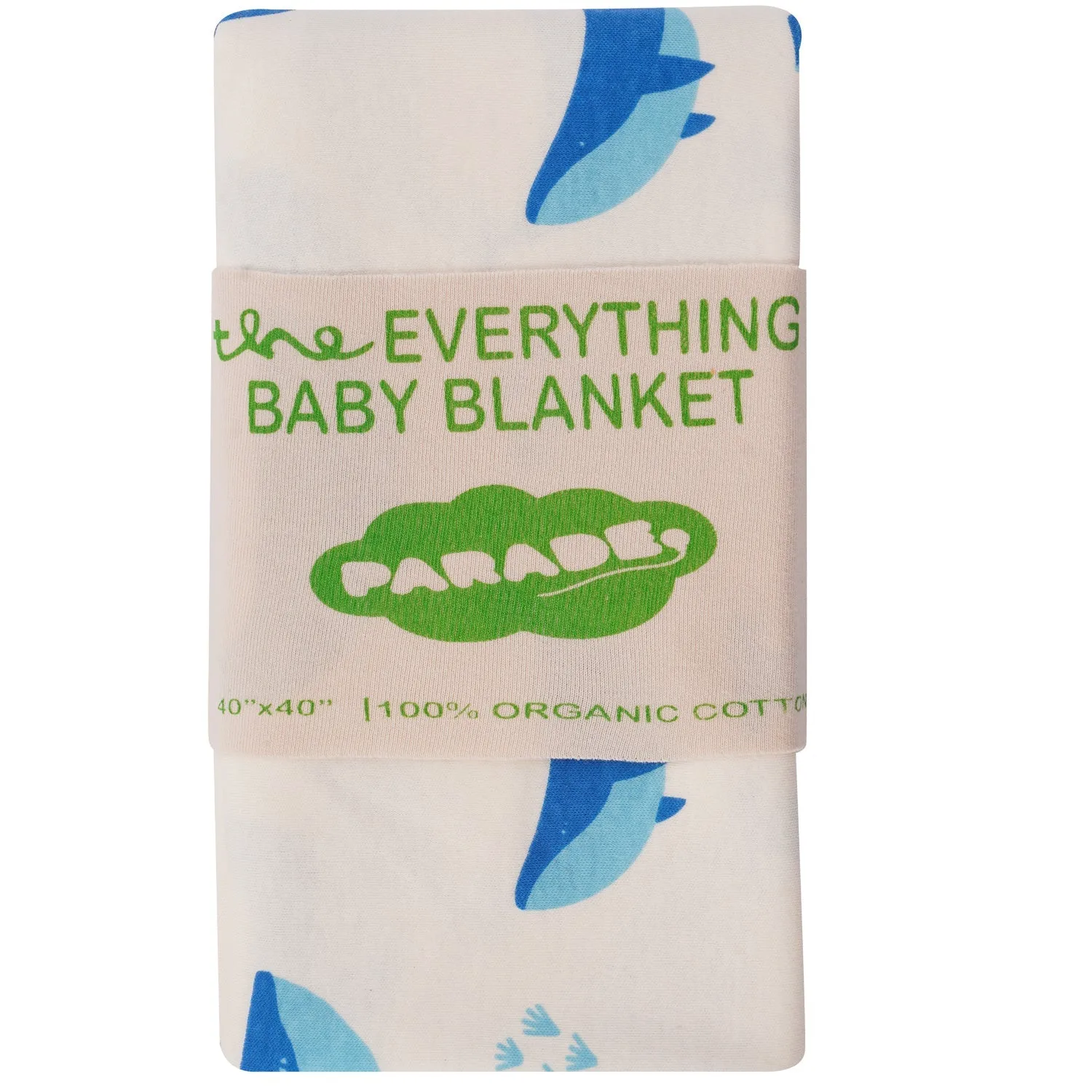
Bamboo viscose is soft and breathable, which matters when you are dressing a baby in a hurry on a changing table that is not your own. Soft fabric slides on without a fight, and breathable fabric is less likely to leave a baby clammy after a car seat nap. That is the practical case for building your bag around bamboo baby clothes essentials rather than whatever is closest to the door.
The tradeoff is honest: bamboo viscose needs gentler washing than plain cotton, so keep bag clothes in rotation instead of letting them sit compressed for months. Wash what you used, dry it fully, and put it back in the bag the same day.
Sizing rules that prevent mid-change surprises
Pack one outfit in the size your baby wears now and one in the next size up. Growth happens in weeks, and a bodysuit that fit last month can be tight at the neck or short in the body without looking obviously small on the hanger. If you are between sizes, the larger one is the safer bag choice because a little extra room is easier to manage than a neckline that will not clear the head.
Check the fit at the shoulders and crotch, not just the chest. A bodysuit should snap without pulling the fabric tight across the diaper, and sleeves should reach the wrist without covering the hands. If a garment only fits when you stretch it, it belongs in the outgrown pile, not the diaper bag.
Socks, layers, and the weather question
Baby socks for newborns disappear faster than anything else in a bag, so pack two pairs and accept that one may not come home. Look for a snug ankle fit and a smooth toe area, since a bulky seam is a common source of fussing. If your baby kicks socks off constantly, a footed layer or a bodysuit with covered feet solves it better than tighter socks.
For layers, think in terms of one removable piece rather than three. A light top over a bodysuit handles air-conditioned cars, breezy patios, and over-warm shops without a full change. In cold weather, add a hat and blanket rather than stacking multiple clothing layers, which makes diaper changes slower when you are outside.
How to keep the bag from becoming a laundry basket
Use one wet bag for soiled clothes and one small pouch for clean socks and bodysuits. When the clean pouch is empty, you know it is time to restock, which is faster than digging through the main compartment. Keep the bag by the door and refill it immediately after every outing, not the night before the next one.
Rotate bag clothes every few weeks even if they were never used. Fabric that has been folded and compressed loses its shape, and you want the first outfit you grab to be one you would actually put on your baby at home.
Decision rules for packing the bag
- If the outing is under three hours: Pack one outfit, one pair of socks, two diapers, and a wet bag. Anything more is weight you will carry without using. Short trips need a light bag, not a full wardrobe.
- If your baby is between sizes: Pack the larger size as the spare and keep the current size as the first change. A slightly roomy bodysuit is easier to manage than a tight neckline. Size up for the backup, not the first outfit.
- If your baby kicks socks off: Choose socks with a stay-put ankle tab or switch to a footed layer for the outing instead of tightening the sock. Fix the fit, not the tightness.
- If the bag has been untouched for a month: Unpack, wash, and refold the clothing before your next trip. Compressed fabric loses shape and you will not reach for it. Rotate bag clothes monthly.
Bamboo pieces that work in a diaper bag
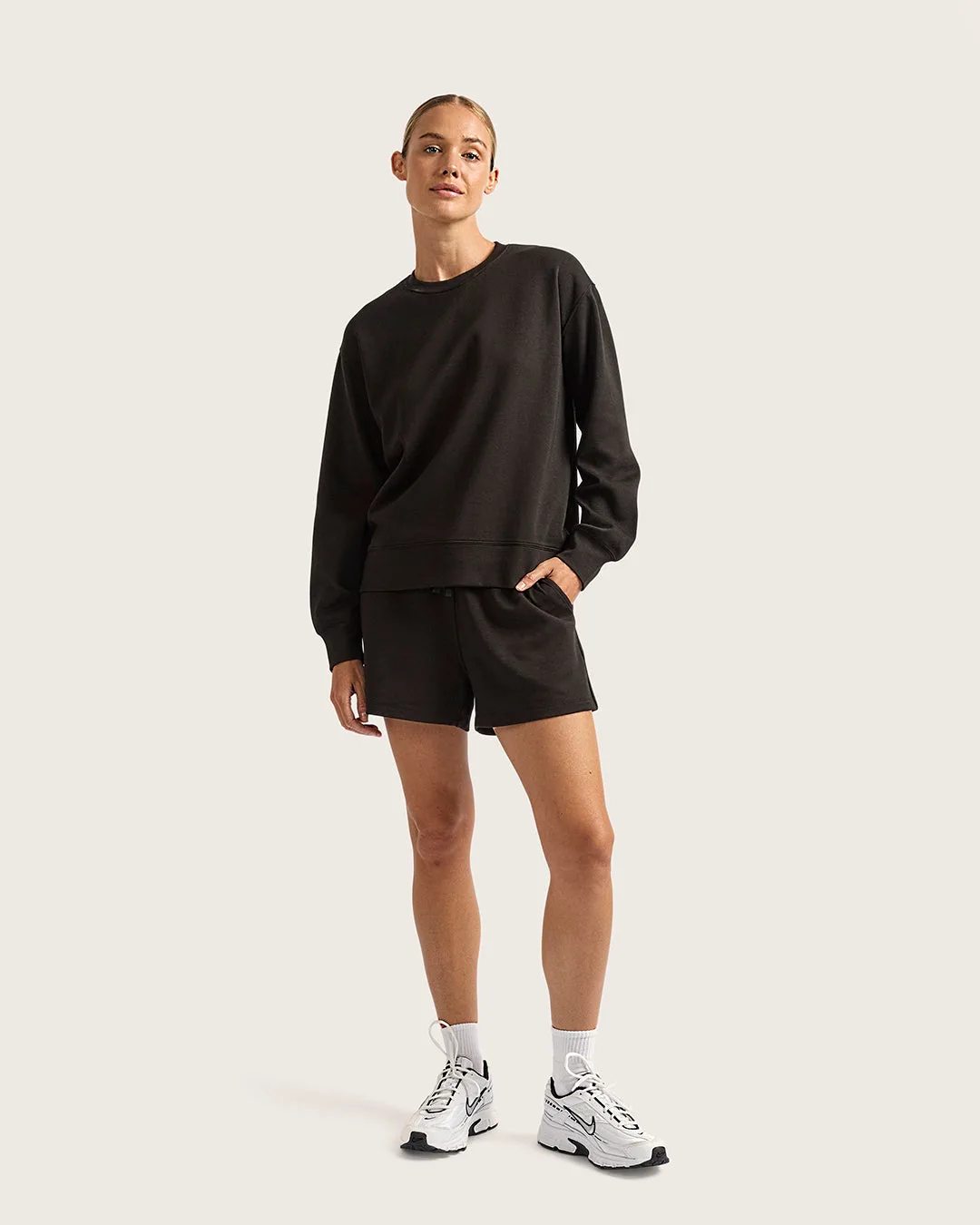
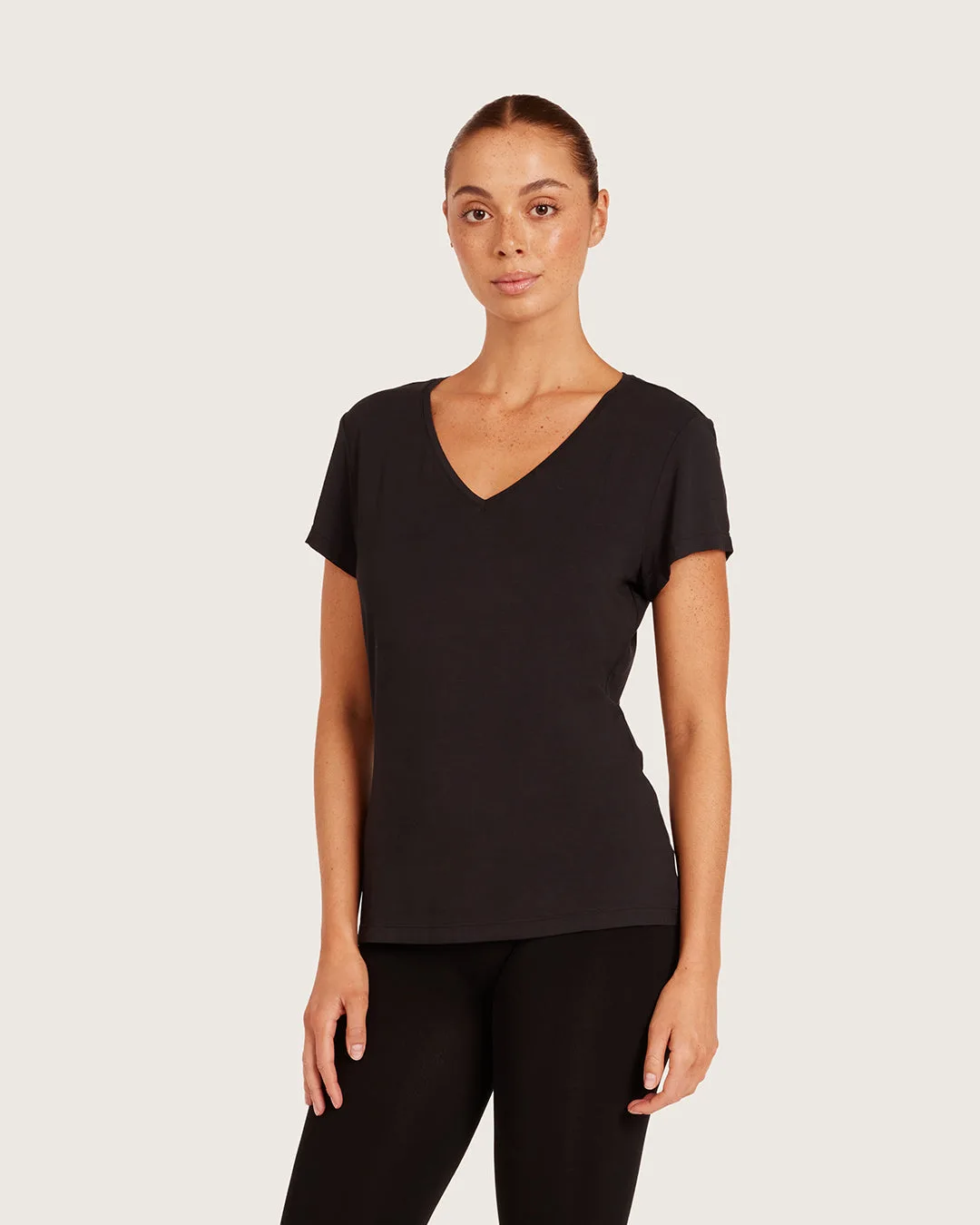
- Women's Classic Crew Neck T-Shirt: Premium weight, relaxed fit featuring a classic crewneck; comfy, soft, and versatile, with sizing advice to choose your usual size for a relaxed fit or size down for a slimmer fit. A relaxed crewneck top layers easily over a bodysuit in a chilly car or restaurant, and the size-down option helps parents who want a closer fit for smaller babies.
- Sport Ankle Socks: Sport Ankle Socks with arch compression, no irritating toe seam, a breathable mesh panel that wicks away moisture, and an ankle tab that keeps the sock up and creates a barrier against rubbing shoes. The smooth toe and stay-put ankle tab address the two most common reasons newborn socks end up lost or pulled off in a stroller.
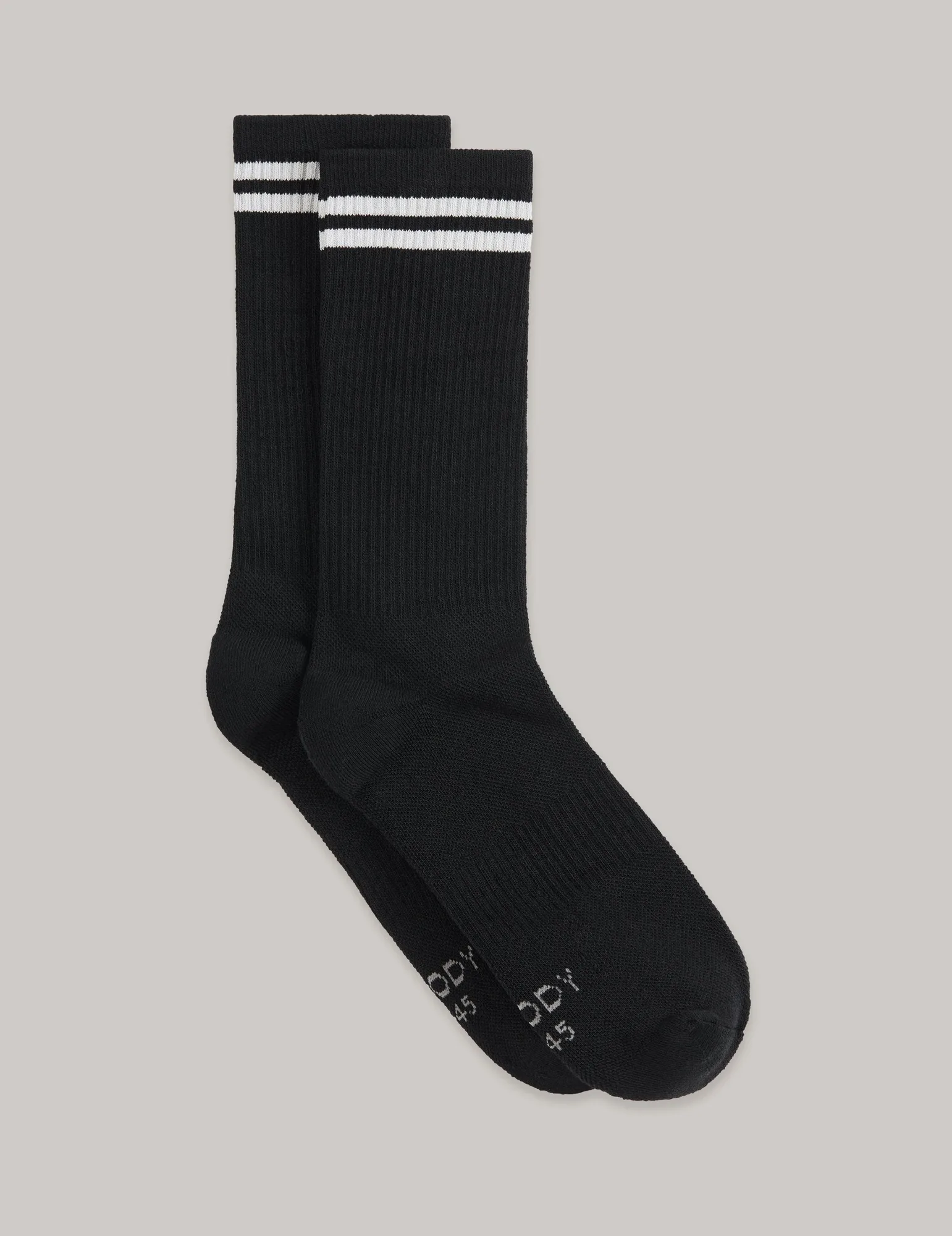
- Cushioned Crew Socks: Cushioned Crew Socks with targeted arch support, fine mesh knit technology, and seamless toe construction for a smooth, irritation-free feel. Crew height stays on better under footed layers and blankets, making these a sensible spare pair for colder outings.
Who this packing approach suits
Best for
- Parents packing a diaper bag for daily errands or half-day outings
- Caregivers who want soft, breathable bamboo basics in the bag
- Families building a newborn clothing checklist around a few reliable pieces
Not for
- Overnight travel, which needs a separate, larger clothing plan
- Parents who prefer a single heavy bag packed for every possible scenario
- Anyone looking for medical or feeding supplies, which this checklist does not cover