Quick answer
Choose a dice tray if you want portability, quieter rolls, and a flat surface that fits inside most game boxes. Choose a dice tower if you need consistent, contained rolls for large dice pools or players who tend to send dice flying. If you want both containment and portability, a magnetic dice tray is the simplest middle ground.
How each option handles the roll
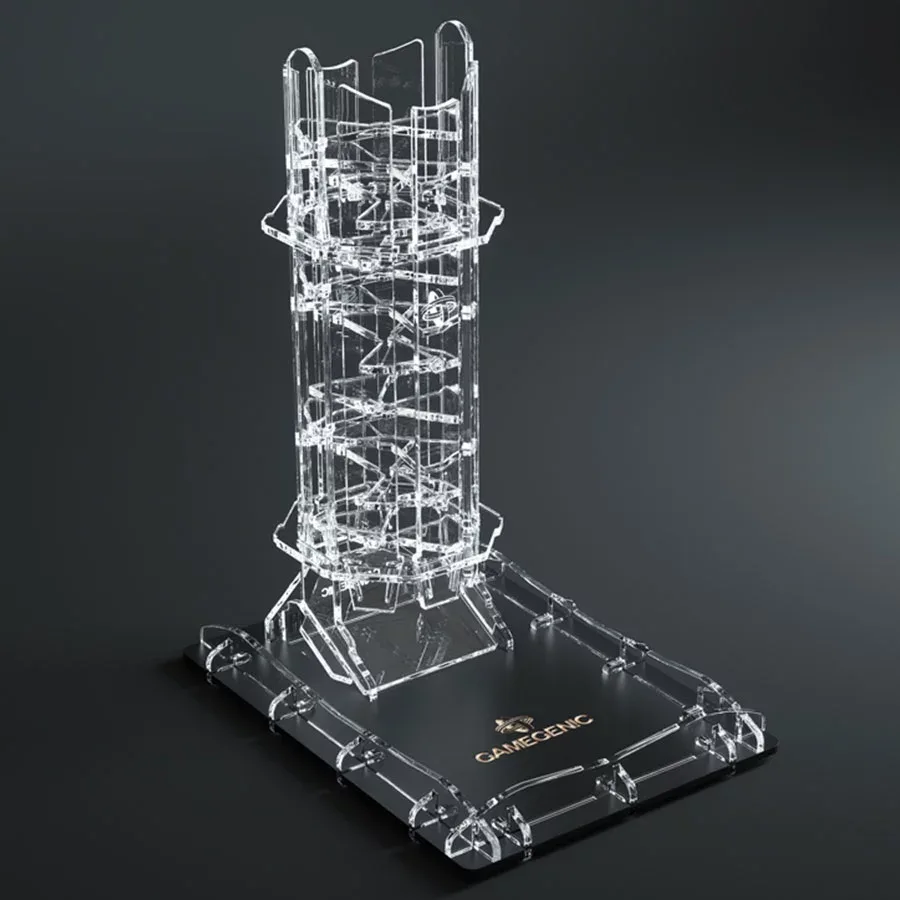
A dice tower drops dice through internal ramps before they exit into a tray, so the roll is contained and repeatable in feel. A dice tray gives dice an open, walled surface to tumble across, which keeps them on the table without forcing a specific path. The practical difference shows up in large dice pools: a tower can slow down rolling because dice must be fed one or a few at a time, while a tray lets you cast a handful at once.
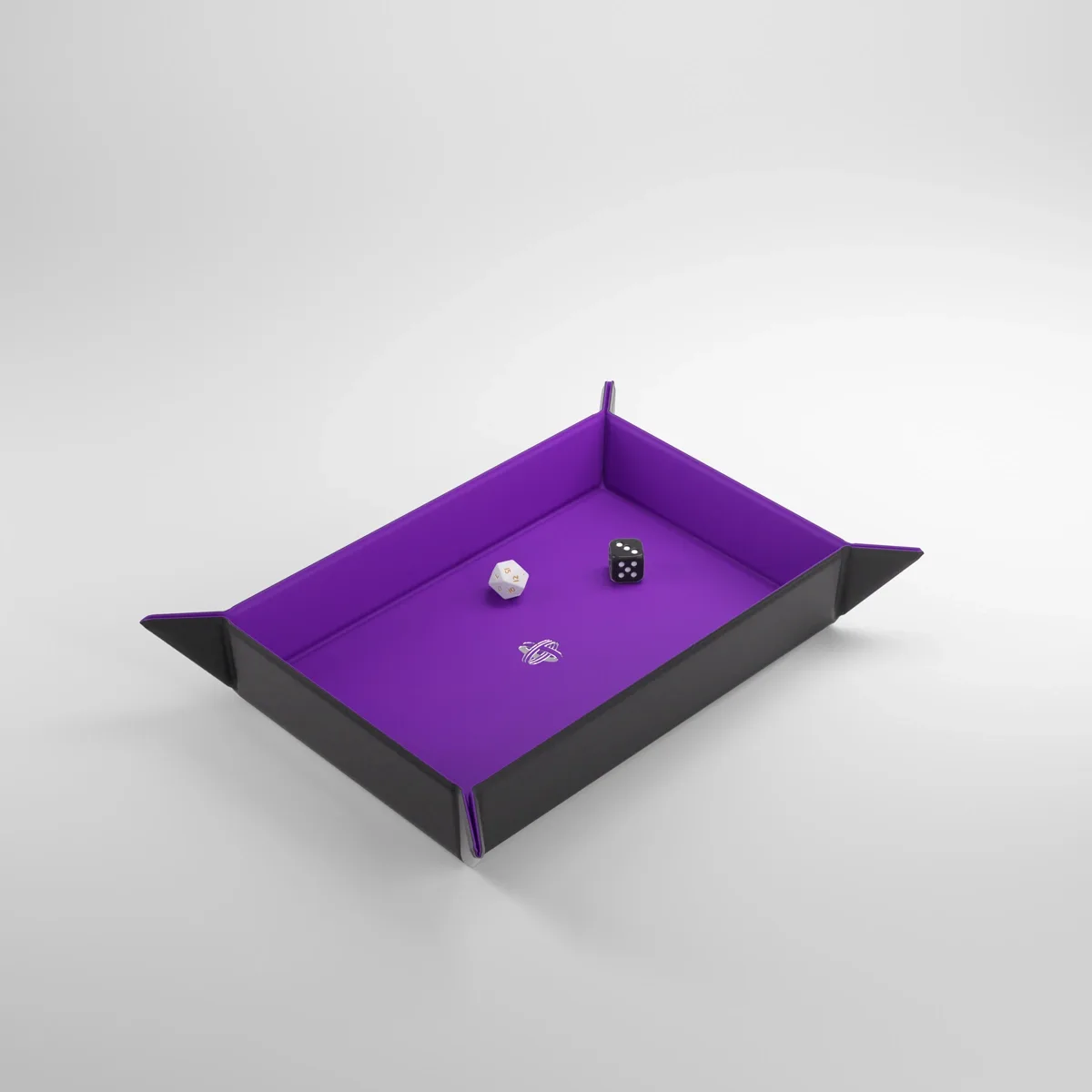
Noise and table footprint also split the two. Towers add a plastic or wooden clatter and take up vertical space, which matters at crowded tables. Trays sit low and quiet, but a shallow tray can still let dice bounce out if you roll hard. A reversible tray with a raised rim, like a magnetic dice tray, reduces that bounce while staying flat enough to store.
Portability and storage
Trays win on packing. A flat tray can slide into a game box or bag pocket, and a magnetic tray that lays completely flat fits in a vast variety of standard game boxes. Towers are bulkier and usually need their own space in a bag, which is a real cost if you travel to game nights or carry several games.
If your collection lives on a shelf, a tray doubles as a safe place to park dice between turns. A tower is more of a single-purpose object, so it earns its space only if you roll often enough to justify it.
Fairness and table habits
Towers are often chosen for perceived fairness because every roll follows the same path, which can reduce arguments about how dice were thrown. Trays rely on the player rolling openly and not palming dice, so they suit groups that already trust each other. If your table has had disputes about dropped or hidden rolls, a tower removes some of that friction.
Neither option changes the odds of a fair die. What they change is whether the roll stays on the table and whether everyone can see it. Pick based on the habits you want to encourage, not on claims that one method rolls better numbers.
Trade-offs at a glance
- Containment vs. speed: A tower contains every roll but slows large dice pools because dice are fed in small batches. A tray rolls a handful at once but can let an aggressive throw escape. Choose a tower for control, a tray for pace.
- Portability vs. presence: A flat magnetic tray stores in a game box; a tower needs its own bag space and a stable table spot. Traveling players should start with a tray.
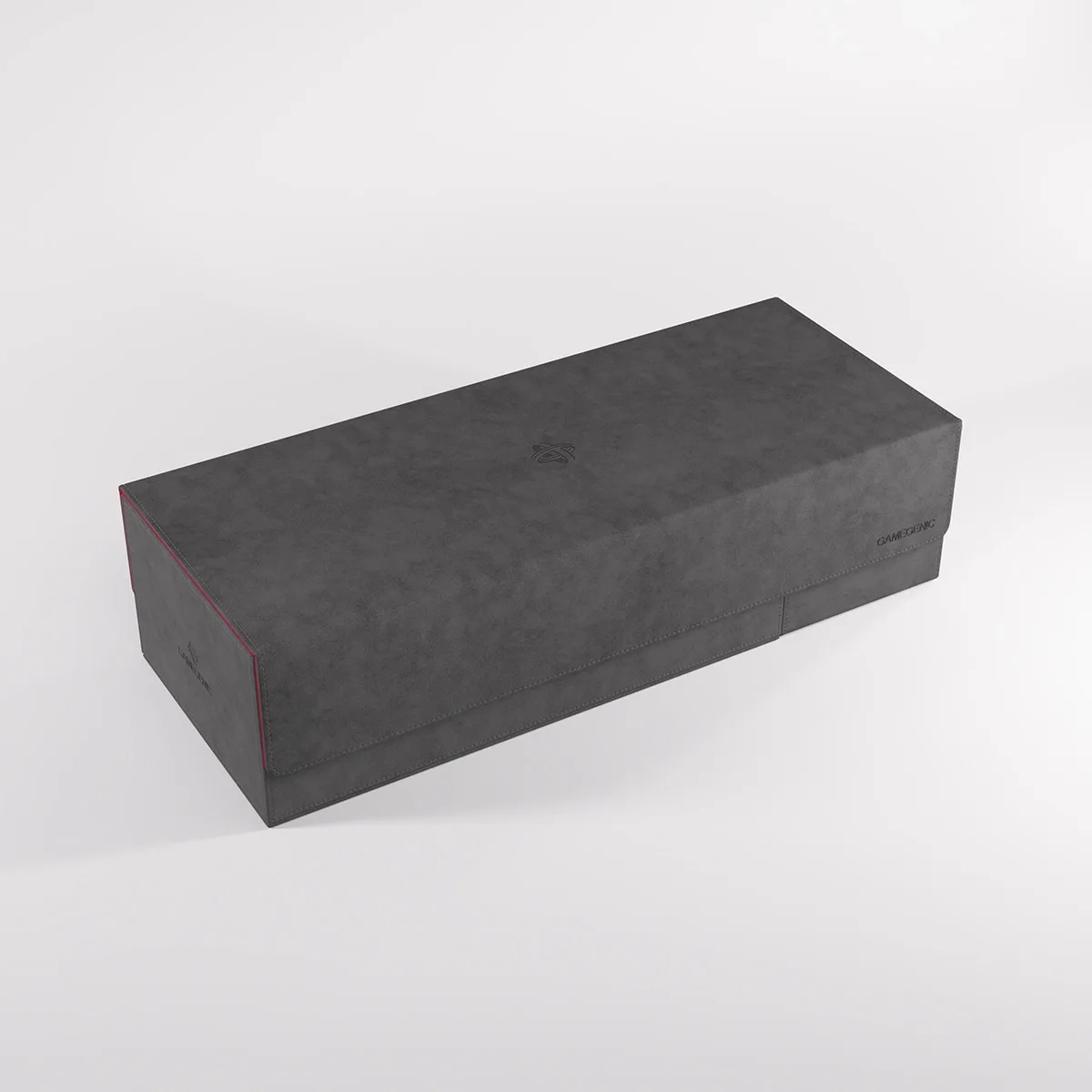
- One-purpose vs. multi-purpose: A tower only rolls dice. A convertible case such as the Games’ Lair 600+ Convertible stores cards and converts its cover into a tray. If you carry a large collection, a convertible case can replace two items.
Product facts that affect the choice
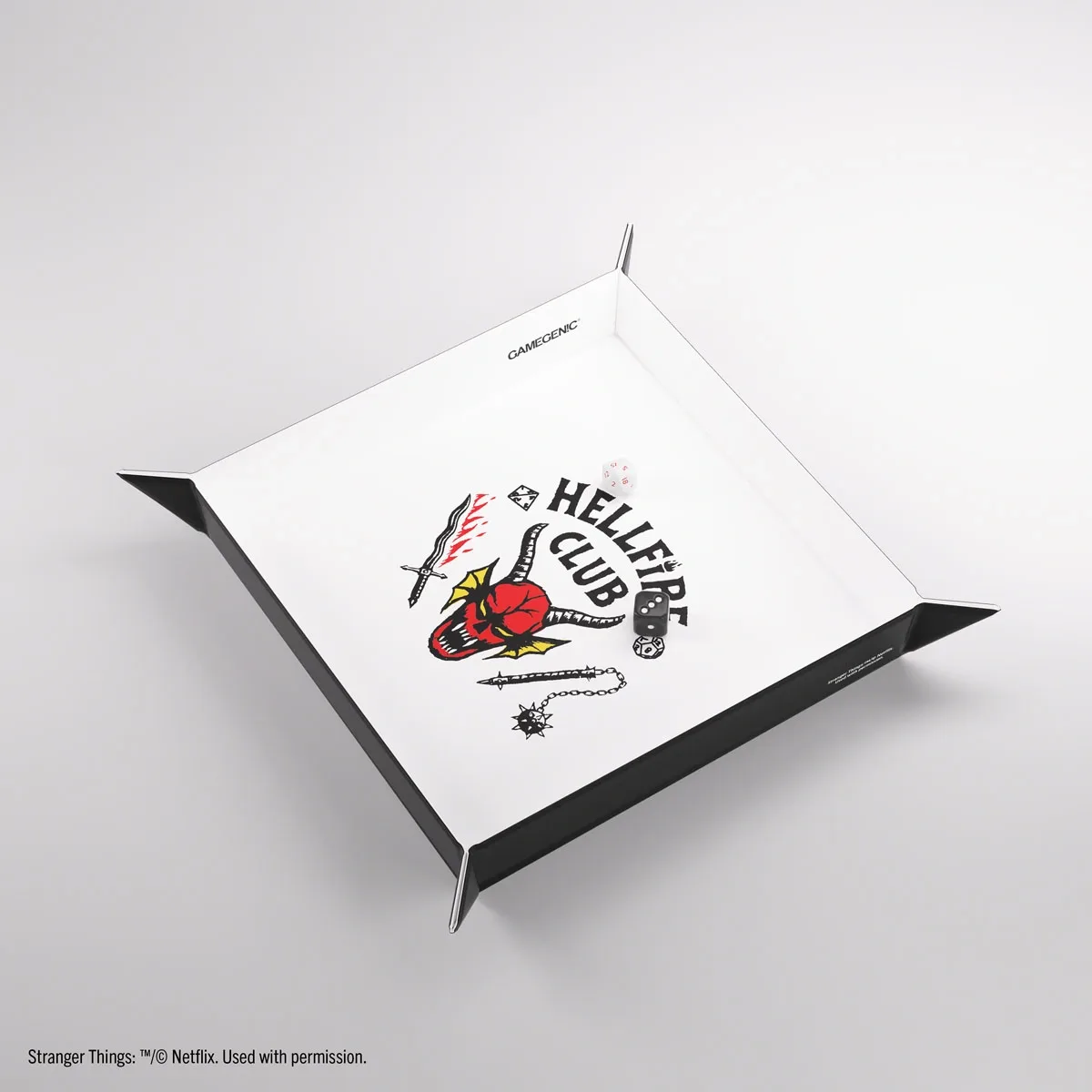
- MAGNETIC DICE TRAY SQUARE: The Magnetic Dice Tray Square is compact, lays completely flat, and is fully reversible, with strong embedded magnets. It fits inside many standard game boxes and converts quickly, so it works as a travel tray and a table tray without a separate case.
- GAMES’ LAIR600+ CONVERTIBLE: The Games’ Lair 600+ Convertible has a fully removable cover that easily converts into a magnetic dice tray and can hold 600 double-sleeved or 800 single-sleeved cards. It replaces a separate tray and storage box for players who bring a large collection and want one item to carry and roll on.
- TOKEN SILOCARDS ADD-ON: The Token Silo Cards Add-on is a 3-piece set that swaps trays into the Token Silo, and the big tray holds 40 single-sleeved cards. If you already use a Token Silo, this add-on expands card storage without adding another full container to your bag.
Which should you get?
Best for
- Players who want a portable, quiet tray that fits in most game boxes
- Groups that roll large dice pools and value speed over a fixed roll path
- Collectors who want one item to store cards and provide a rolling surface
Not for
- Tables that need every roll to follow an identical path to settle disputes
- Players who prefer a dedicated, permanent tower on the table