Quick Answer
Start with Digimon figures if you want a visible display piece that holds its presence without ongoing purchases; start with Digimon cards if you enjoy sorting, deck-building, or trading and want to keep entry costs low. The practical split is display versus play: figures are one-and-done shelf objects, while cards are a system you keep adding to. Pick based on whether you want something to look at or something to do.
The Real Difference: Display Object vs Ongoing System
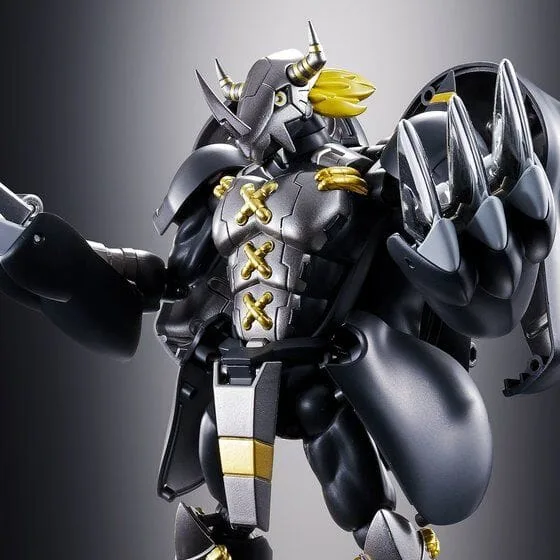
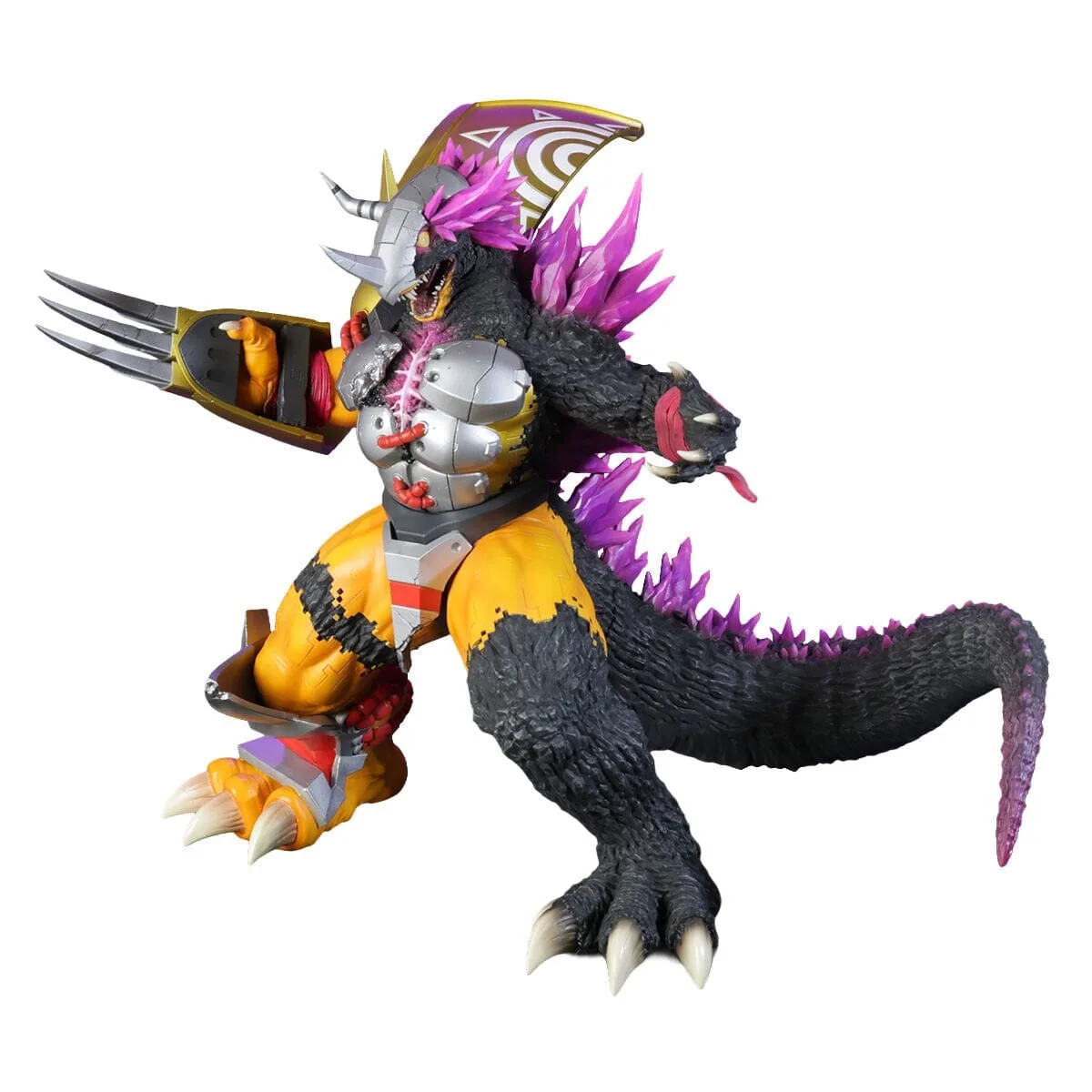
A Digimon figure is a finished object. You buy it, unbox it, and it occupies a shelf at a fixed size, like the WarGreymon Toho Daikaiju Series Figure at roughly H26cm. A Digimon card is a component. It only becomes useful inside a deck, a binder, or a trade, which means the hobby continues after the purchase.
That distinction drives everything else: how much space you need, how often you spend, and what you get back. Figures reward patience and shelf space. Cards reward attention and community. Neither is inherently better, but they suit different personalities.
Cost and Budget: What Each Hobby Actually Asks of You
Figure collecting is lumpy. A single display piece can cost more than an entire starter stack of cards, and once it is on the shelf the spending stops. Card collecting is granular. Singles, sleeves, and storage add up in small amounts, and the spending tends to continue as new sets release.
If you want a predictable one-time outlay, figures are easier to budget. If you want to spend small amounts over time and stay active in a scene, cards fit that rhythm better.
- Figures: fewer, larger purchases; cost is front-loaded.
- Cards: many small purchases; cost is spread out and open-ended.
- Both: storage and protection add a small ongoing cost you should plan for.
Space, Display, and Daily Enjoyment
Figures need visible real estate. A 21-26cm piece wants a shelf, a case, or a dedicated corner, and dust is a genuine maintenance task. Cards need almost no display space but a lot of organization: binders, boxes, and a system you actually maintain.
Ask yourself which you will enjoy more on a normal Tuesday. A figure you walk past and notice, or a binder you open and reorganize. The hobby you keep up with is the one worth starting.
Value, Rarity, and What You Are Actually Collecting
Figures carry value through sculpt, scale, and edition. Cards carry value through playability, print run, and condition. Those are different markets with different risks, and neither guarantees a return.
Treat both as hobbies first. If value matters to you, buy the piece or card you would still be happy with if the price never moved. That mindset keeps the hobby enjoyable and prevents regret purchases.
Trade-Offs at a Glance
- Figure collecting: presence vs space: You get a finished, visible object such as the WarGreymon Toho Daikaiju Series Figure at roughly H26cm, but you give up shelf space and take on dust care. Choose figures if you have room and want a permanent display.
- Card collecting: low entry vs ongoing cost: You can start small and stay active, but there is no natural stopping point and storage becomes part of the hobby. Choose cards if you enjoy maintenance and steady small spending.
- Accessory items: cheap vs conditional: The 25th Anniversary Dim Card BEMEMORY is a low-cost pickup, but it only functions with a Digimon vital bracelet. Check what you already own before buying accessories.
Two Concrete Starting Points
- WarGreymon Toho Daikaiju Series Figure -G Erosion Mode- Digimon x Godzilla 70th Edition Anniversary: WarGreymon Toho Daikaiju Series Figure -G Erosion Mode- Digimon x Godzilla 70th Edition Anniversary, approx. H26cm, includes main figure, tail wing, display base, and instruction manual. This is a large, complete display piece with a base, so it works as a centerpiece rather than a small accent. The 26cm height means you need real shelf depth and clearance.
- 25th Anniversary Dim Card BEMEMORY - Digimon: 25th Anniversary Dim Card BEMEMORY - Digimon requires a Digimon vital bracelet to use. It is an inexpensive entry into Digimon collecting, but only if you already own the bracelet. Without that device it is a display or collection item, not a playable one.
Which Should You Start With?
Best for
- Collectors who want a finished display piece without ongoing purchases
- Fans with shelf or case space and patience for dust care
- Buyers who prefer one larger, considered purchase over many small ones
Not for
- Collectors with no display space or who dislike maintaining objects
- Fans who want an active, social, or playable hobby
- Buyers who prefer low, spread-out spending and constant new releases