Quick answer
A dimmer that feels hot to the touch is often caused by mismatched load type or insufficient ventilation. Switching from a cross to a linear dimmer setup—or vice versa—can resolve the heat issue, depending on your LED fixture and wiring configuration.
Why cross and linear dimmers differ
Cross dimmers are designed for exhaust-style lighting where the switch interrupts both the live and switched live wires, creating a 'cross' connection. Linear dimmers, by contrast, handle a standard single-pole (one-way) circuit. Using a cross dimmer on a linear load—or a linear dimmer on a cross circuit—can cause the internal triac to overheat because the current path doesn't match the dimmer's design.
The 120W rating on many Buster + Punch dimmer modules is a maximum continuous load. If your LED fixture draws close to that limit and the dimmer is enclosed in a non-ventilated back box, heat builds up faster. The same 120W load may run cooler with a linear dimmer on a simple circuit than with a cross dimmer on a more complex wiring layout.
When a hot dimmer is normal vs a problem
All dimmers generate some heat—typically 1-2% of the load power is dissipated as heat. A dimmer that feels warm (up to about 40°C / 104°F) on the faceplate is usually fine. If it's too hot to keep your finger on for more than a few seconds, or if the dimmer clicks off and on repeatedly (thermal shutdown), then the setup needs attention.
Diagnosis and fix steps
- Symptom: Dimmer faceplate is hot to the touch after 10-15 minutes of use, or the light flickers and then turns off.
- Likely cause: Mismatch between dimmer type (cross vs linear) and the circuit wiring, or the LED load is too close to the 120W maximum with poor ventilation. Check your wiring: a cross dimmer has three terminals (L, SL, SL) while a linear dimmer has two (L, SL). If your switch has two wires, use a linear dimmer.
- Corrective action: Replace the dimmer module with the correct type. For a linear circuit, install a linear dimmer module and pair it with the Linear detail kit. For a cross circuit, use a cross dimmer module and the Exhaust Cross detail kit. Ensure the back box has at least 10mm clearance around the module for airflow.
- When to stop or choose another option: If the dimmer still overheats after correcting the type and load, reduce the connected LED wattage by 20% (e.g., use 96W instead of 120W) or upgrade to a higher-rated dimmer module. If the dimmer trips the circuit breaker, consult a licensed electrician immediately.
Products that can help
-
DETAIL KIT / DIMMER / LINEAR: Our NEW Linear knurl dimmer switch detail kit made from solid metal, complete with dimmer nut. To be teamed up with our dimmer modules and wall plates to complete your custom electricity product. If you're running a linear (one-way) circuit, the Linear kit provides the correct metal faceplate and nut for better heat dissipation compared to plastic alternatives.
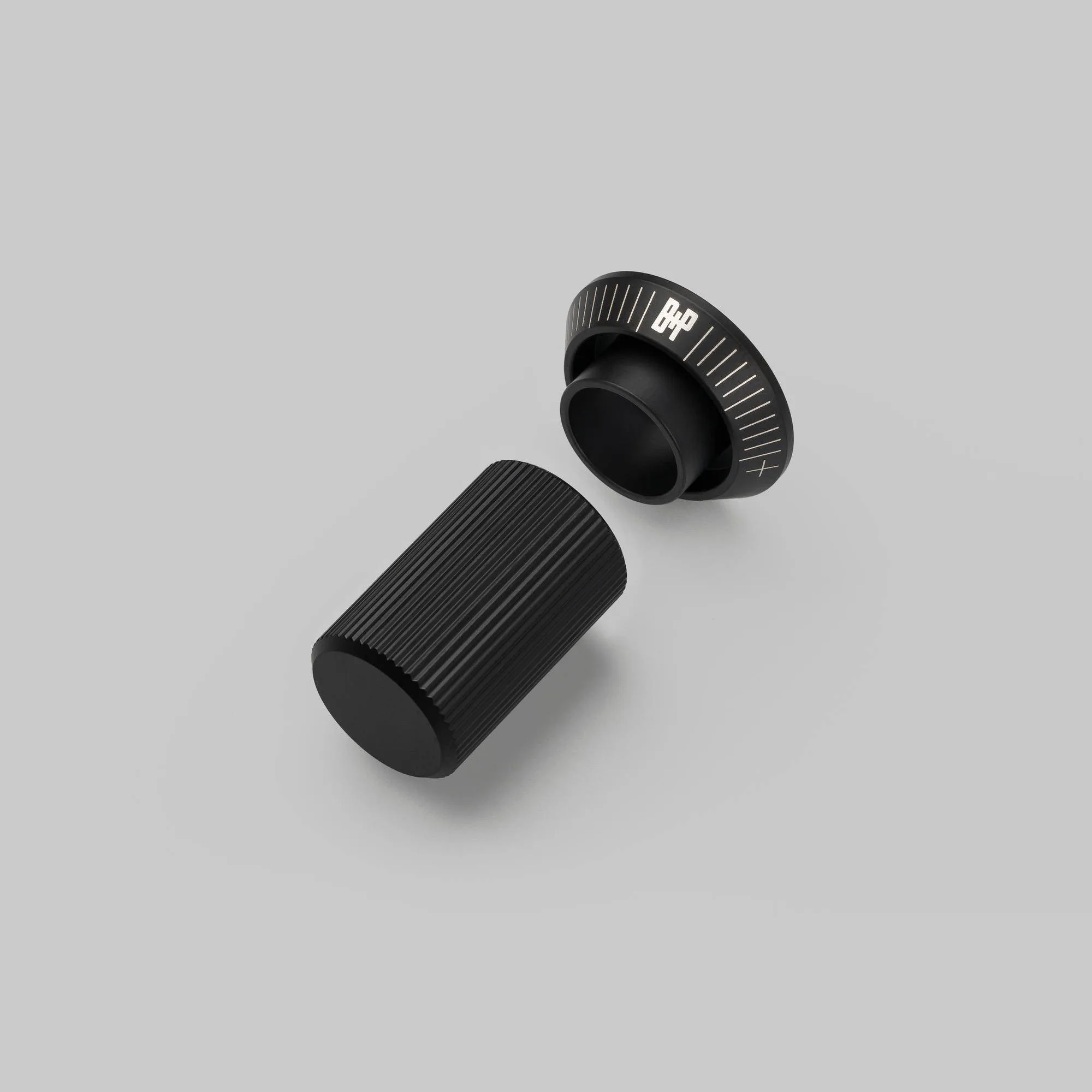
DETAIL KIT / DIMMER / LINEAR
-
DETAIL KIT / EXHAUST / CROSS: The DETAIL KIT / EXHAUST / CROSS is a solid‑metal baffle designed to customise your exhaust‑style lighting. It arrives with matching flat‑head screws for a seamless, secure fit. For exhaust-style fixtures on a cross circuit, this kit ensures the dimmer module is paired with the right baffle, reducing the risk of overheating from airflow obstruction.
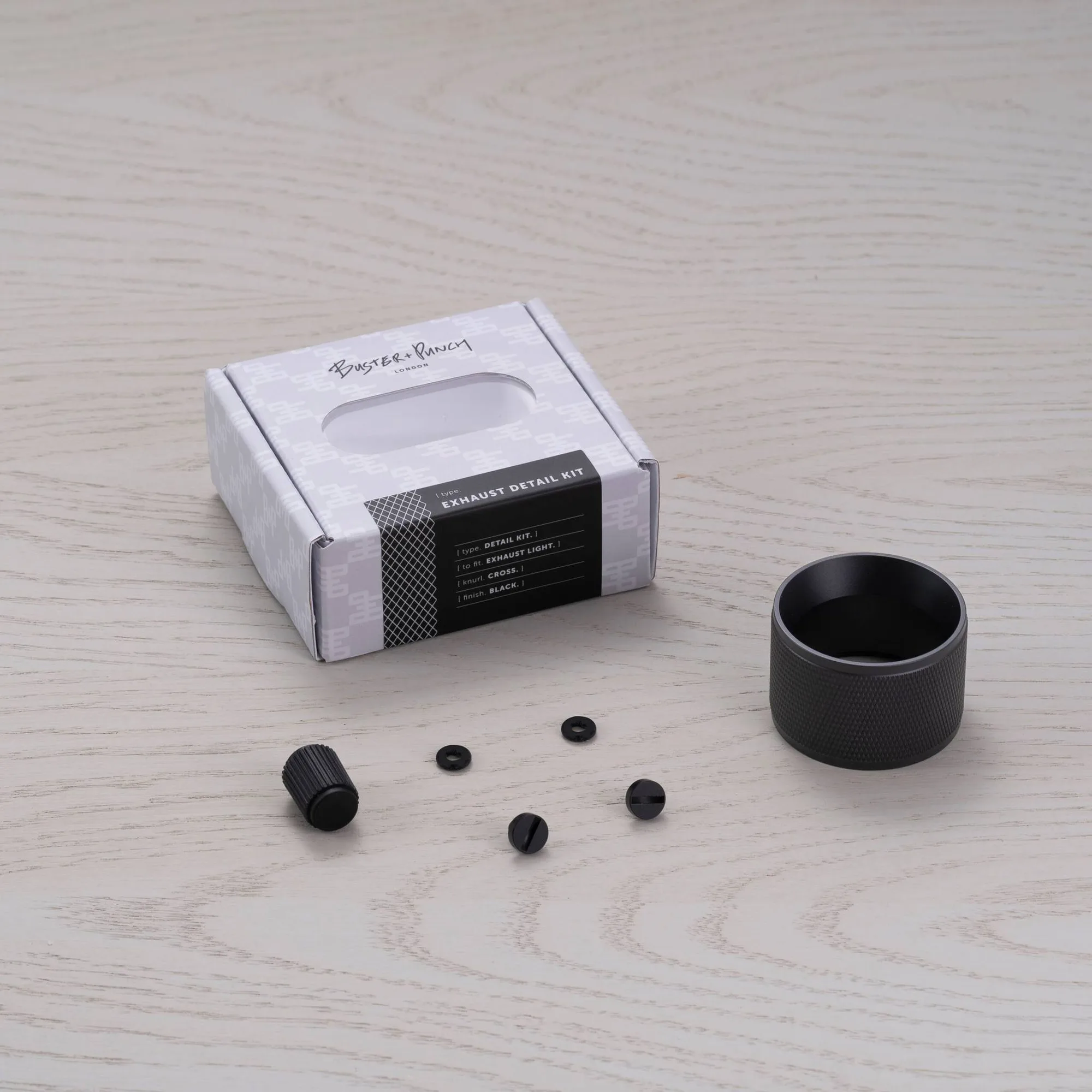
DETAIL KIT / EXHAUST / CROSS