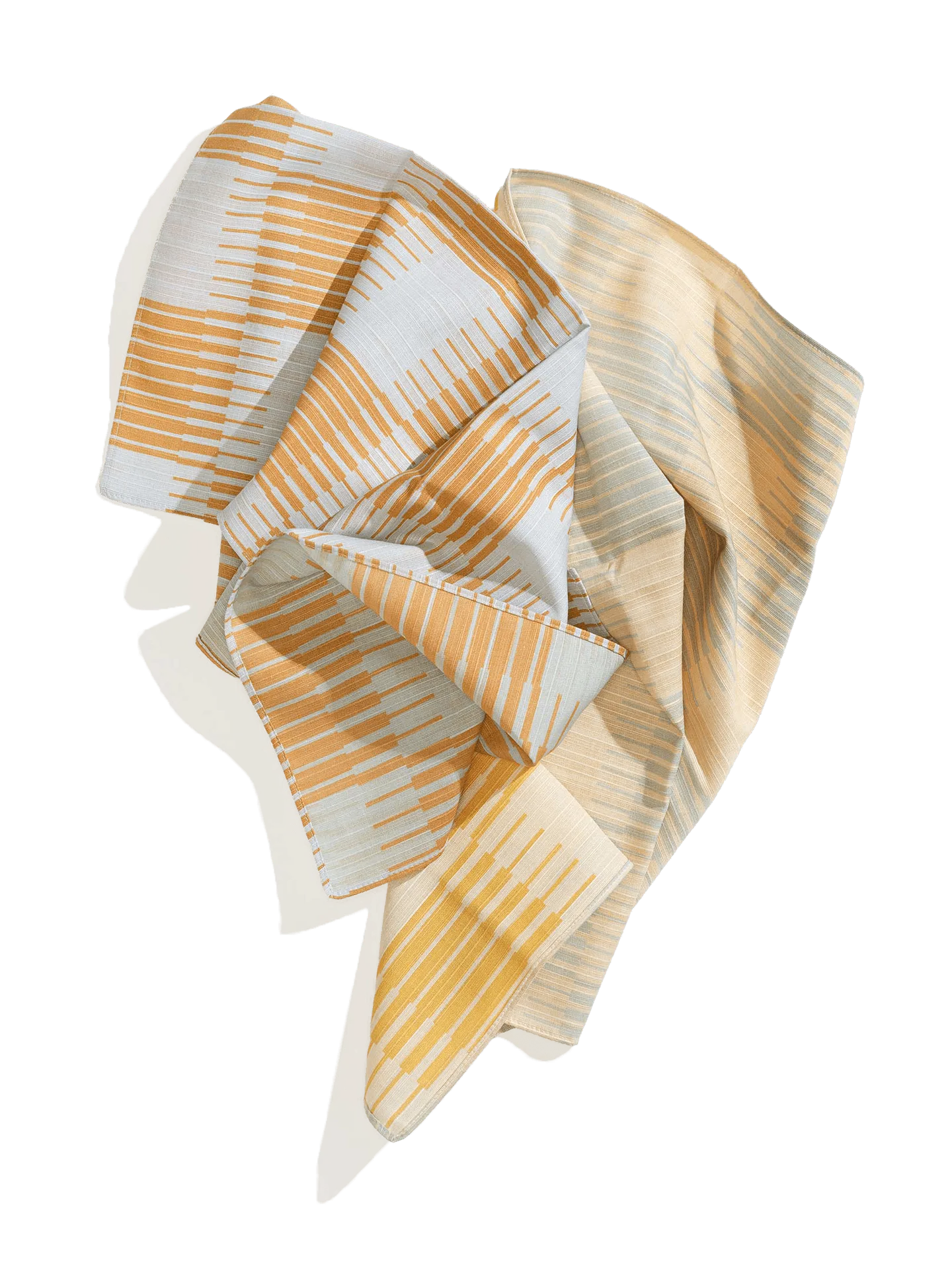
Double sided dinner napkins are a clever way to refresh your table without buying separate sets for every occasion. A single napkin flips between two patterns, so you can shift the mood from breakfast to dinner or from a casual lunch to a more polished gathering. The two most popular patterns for reversible napkins are checker and stripe, each bringing a different energy to the table.
In this comparison, we’ll look at how checker vs stripe napkins behave in real dining settings, which pattern is easier to coordinate with existing dinnerware, and how quiet season napkins (those with subtle, muted colors) can bridge the gap between the two. Whether you’re setting a minimalist table or layering bold prints, understanding the strengths of each pattern will help you choose the right double sided dinner napkins for your home.
How Double Sided Construction Works in Practice
Double sided dinner napkins are woven or printed so that one side shows a checker pattern and the other side shows a stripe pattern (or vice versa). The fabric is usually medium-weight linen or cotton blend, which holds both prints clearly without feeling stiff. When you fold the napkin, you can choose which pattern faces outward, giving you two looks from one piece.
Because the pattern goes all the way through the weave (not just a surface print), reversible napkins stay crisp after many washes. The edges are typically hemmed in a neutral color that works with both sides, so there’s no wrong way to place them. This construction makes them especially practical for daily use, where you might want a subtle stripe for weeknight dinners and a bolder checker for weekend brunches.
- Tip: When ironing double sided napkins, press from the stripe side first to avoid crushing the checker weave.
Checker vs Stripe: Pattern Personality and Table Vibe
Checker napkins bring a classic, almost nostalgic feel to the table. The grid pattern reads as casual and approachable, which makes it a natural fit for breakfast nooks, outdoor dining, or family-style meals. A small-scale checker (like a gingham weave) can also work in more formal settings if the colors are muted, such as a soft black-and-white or a quiet season palette of sage and cream.
Stripe napkins, on the other hand, tend to feel more structured and contemporary. Vertical stripes elongate the table visually, while horizontal stripes add width. Stripes pair well with solid-colored dinnerware because they provide visual rhythm without competing for attention. If your dinnerware has intricate patterns or hand-painted details, a stripe napkin often complements better than a checker, which can clash with busy ceramics.
- For a minimalist tablescape, choose stripe napkins in quiet season colors like dusty blue or warm gray. For a cozy, lived-in look, checker napkins in earth tones work beautifully.
Coordinating with Dinnerware: What Works Best
When you’re pairing double sided dinner napkins with plates and bowls, the key is contrast. If your dinnerware is mostly solid (like a white Dinner Plate Set of 4 or a matte stoneware bowl), both checker and stripe patterns will stand out clearly. However, if your plates have a rim pattern or a reactive glaze, a stripe napkin is usually the safer choice because it doesn’t form a competing grid.
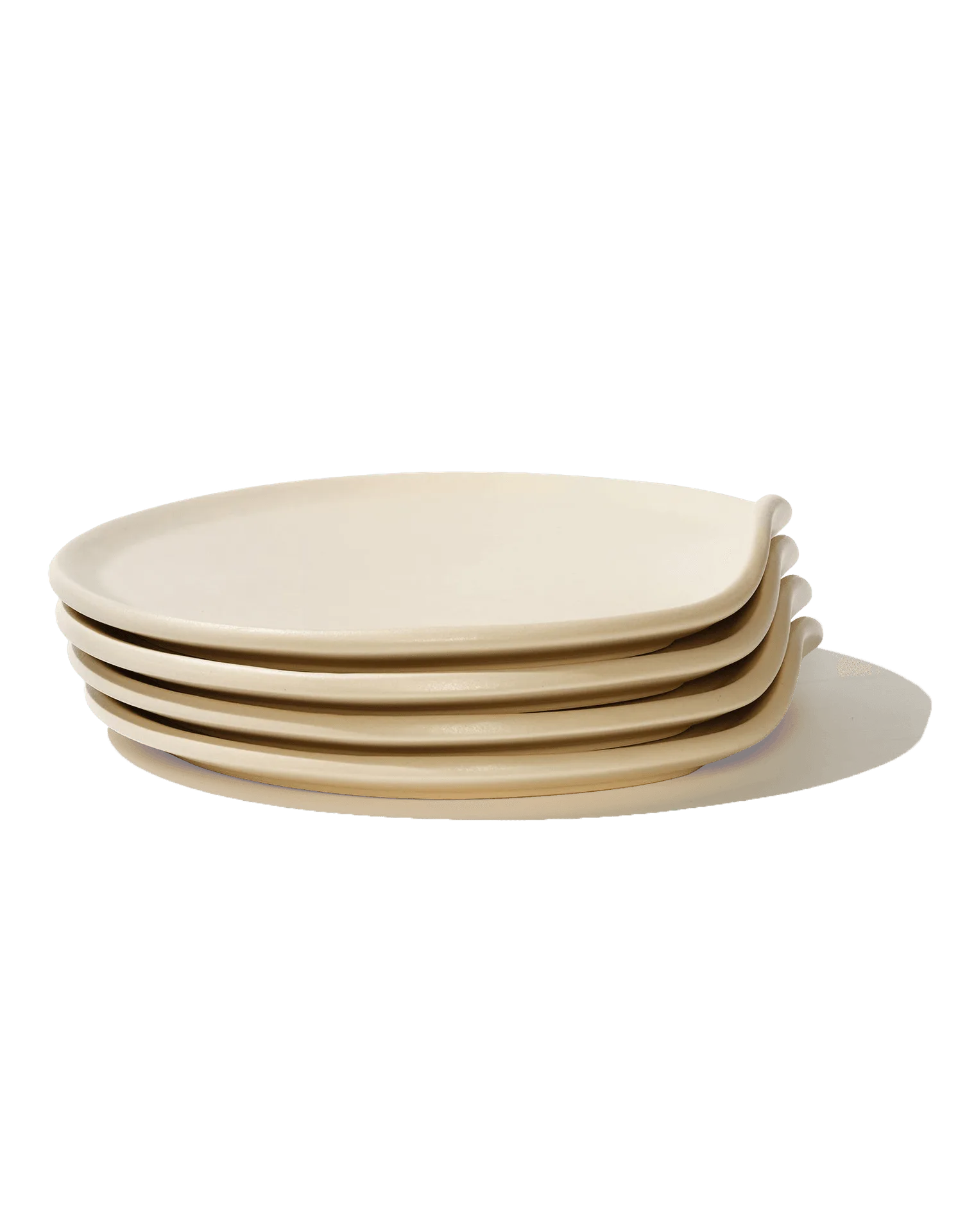
Dinner Plate Set of 4
For example, a Serve Platter with a natural wood or neutral ceramic finish looks great with a checker napkin because the pattern echoes the handcrafted feel. Meanwhile, a stripe napkin pairs elegantly with The Small Goun Plate’s organic shape, adding linear structure without overpowering the plate’s curves. If you’re using The Goun Noodle Bowl, which has a soft, rounded silhouette, a stripe napkin can help anchor the bowl visually on the table.
- If you’re unsure, start with a stripe napkin in a quiet season tone—it’s the most versatile across different dinnerware styles.
Care and Longevity of Reversible Patterned Napkins
Double sided dinner napkins require the same care as single-sided linen or cotton napkins, but there’s one extra consideration: the pattern on both sides means you should avoid harsh bleach or high heat, which can fade one side more than the other. Wash in cold water with a mild detergent, and tumble dry on low or line dry. Iron while slightly damp for the crispest fold lines.
Because the pattern is woven or printed on both sides, the fabric tends to be slightly heavier than a single-sided napkin. This weight helps the napkin stay in place on the table and drape nicely when folded. Over time, the colors may soften, but that’s part of the charm—especially with quiet season napkins, where a gentle fade adds to the relaxed, lived-in aesthetic.
- To keep patterns vibrant, avoid direct sunlight during storage. Fold napkins loosely rather than rolling to prevent crease lines from setting.
Which One Should You Choose?
Your choice between checker and stripe double sided dinner napkins ultimately comes down to the mood you want to set most often. If you entertain frequently and like to switch between casual brunches and semi-formal dinners, a reversible napkin that offers both patterns is the most practical option. You get two looks without storing twice as many napkins.
If you’re building a capsule tabletop collection, consider starting with a stripe pattern in a quiet season color. It will work with almost any dinnerware you own, and you can always add checker napkins later for contrast. For those who love pattern mixing, having both checker and stripe napkins in the same color family lets you layer them on the same table—using checker for the place setting and stripe for the bread basket or serving area.
- Pro tip: Buy a set of reversible napkins in a neutral quiet season palette, then add a few solid napkins in a matching tone for extra layering options.
Double sided dinner napkins give you the flexibility to change your table’s personality without buying multiple sets. Checker patterns bring warmth and a touch of tradition, while stripe patterns offer clean, modern lines. By choosing a reversible design in quiet season colors, you can cover both moods with one smart purchase. Consider your existing dinnerware and the vibe you want most often, and you’ll find the pattern that feels right for your table.