Choosing the right dinner plate for everyday use can transform your dining experience. Whether you're plating a weeknight pasta or hosting a casual dinner party, the size and material of your plates affect everything from portion control to cleanup. With so many options on the market, from classic ceramic to durable stoneware, it's easy to feel overwhelmed. This guide breaks down the key factors—size, material, weight, and maintenance—so you can confidently select dinnerware that suits your lifestyle and aesthetic.
The perfect everyday plate balances practicality with beauty. You want something that feels good in your hands, withstands daily use, and complements your kitchen's style. In this article, we'll explore standard dinner plate sizes, compare popular materials like ceramic and porcelain, and share tips for building a versatile dinnerware set. Whether you're a seasoned home cook or just starting to curate your kitchen, these insights will help you make a smart investment.
Standard Dinner Plate Sizes: What Works for Everyday Meals
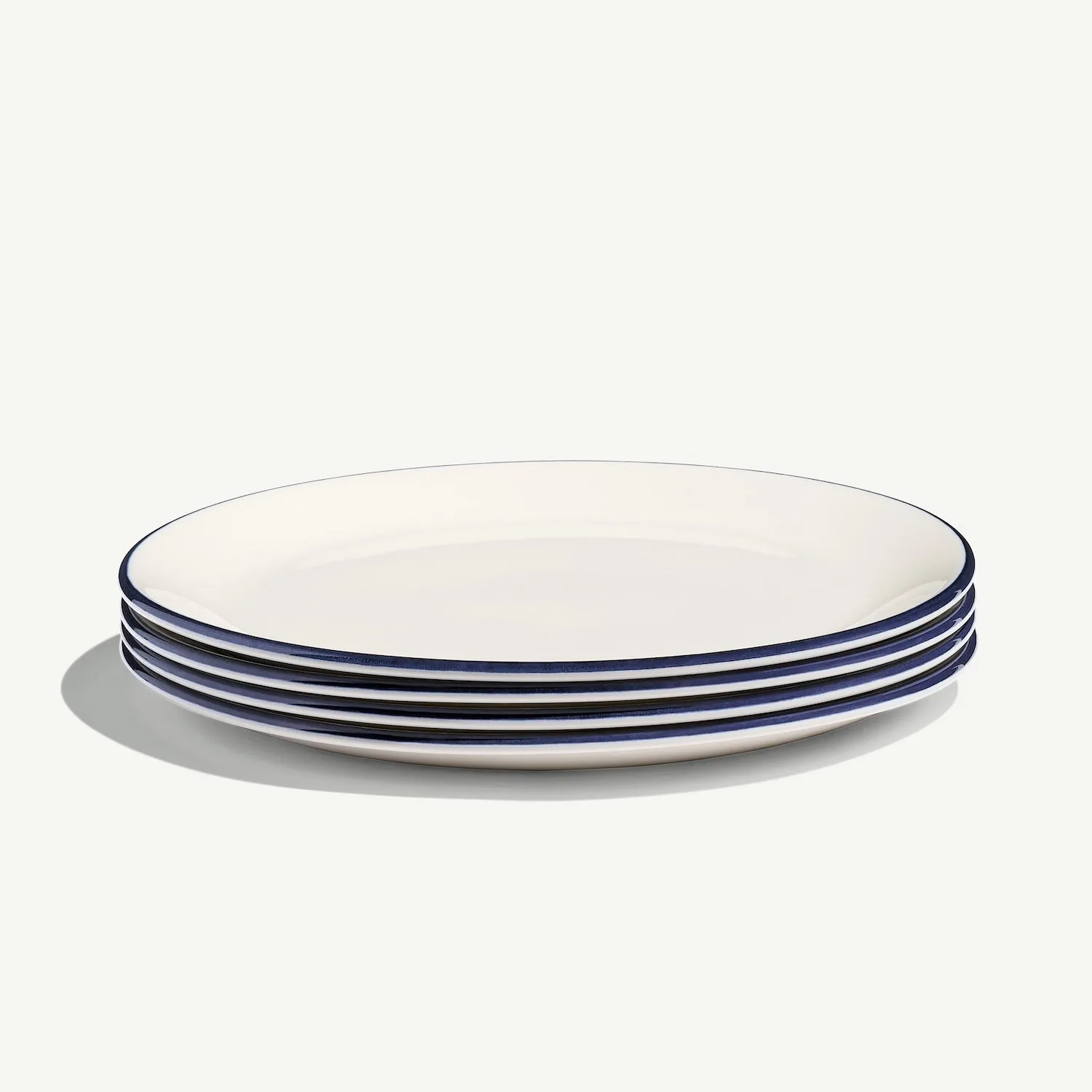
Dinner plates typically range from 8 to 12 inches in diameter. The most common everyday size is 10.5 inches, which offers enough room for a main course, a side, and a small salad without overcrowding. Smaller plates (8 to 9 inches) are ideal for appetizers, desserts, or children's portions, while larger plates (11 to 12 inches) are better for hearty meals or plated dinners. When choosing a size, consider your typical meal portions and the size of your dining table.
Dinner plates
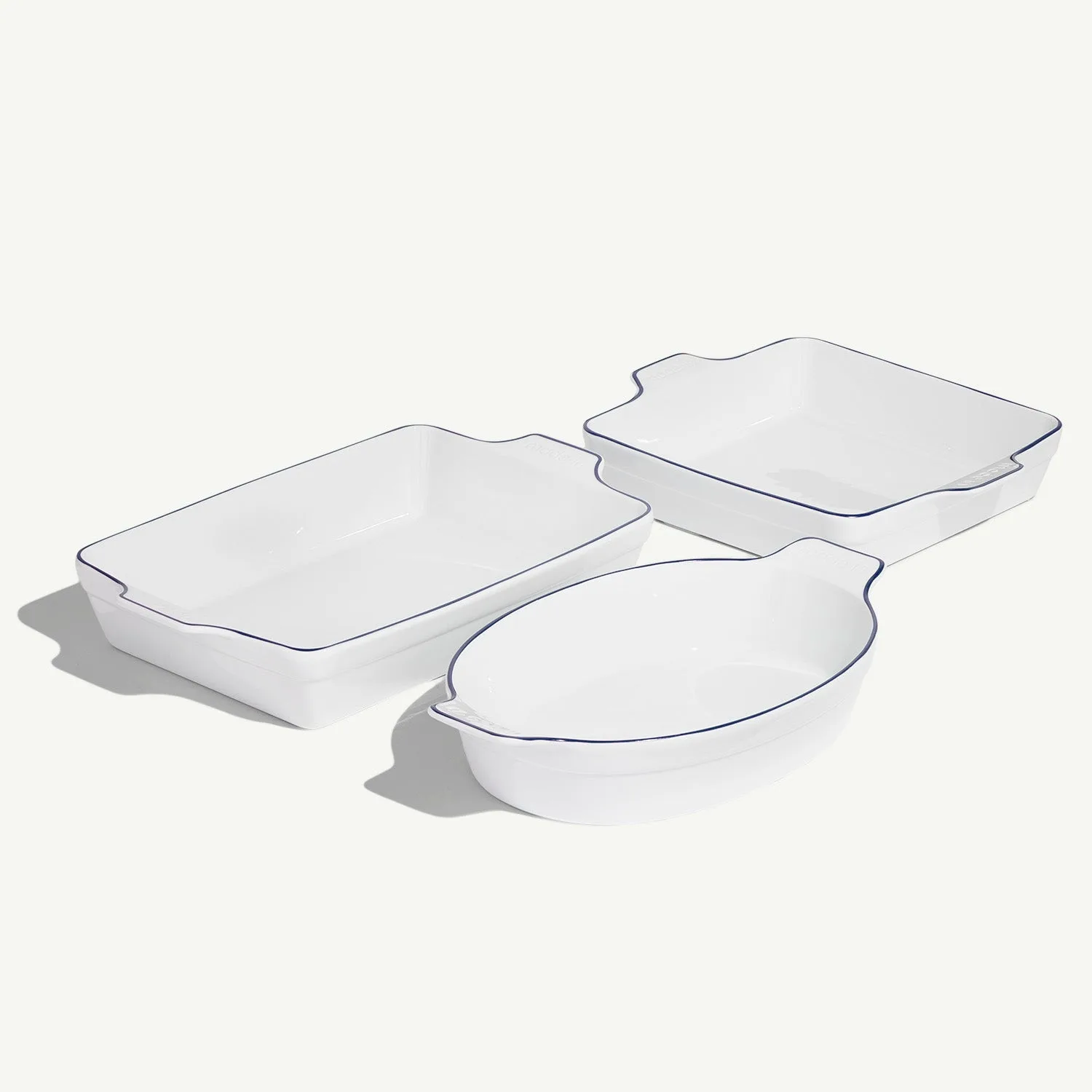
For everyday use, versatility is key. A 10.5-inch plate works well for most dishes, from grilled chicken to pasta. If you often serve family-style meals, consider a set of 10.5-inch plates paired with smaller salad plates. The https://kindaero.store/products/stainless-steel-gratin-dishes-97129Stainless Steel Gratin Dishes are also a great option for side dishes or individual casseroles, adding a touch of elegance to your table. Remember, larger plates can make portions look smaller, which may encourage overeating, so stick with a moderate size for balanced meals.
- 10.5-inch plates are the most versatile for everyday dining.
- 8-9 inch plates work well for appetizers, kids, or lighter meals.
- 11-12 inch plates are best for hearty dinners or special occasions.
Ceramic vs Porcelain: Which Dinner Plate Material Is Best for Daily Use?
When it comes to everyday dinnerware, ceramic and porcelain are two of the most popular choices. Ceramic plates are made from natural clay fired at high temperatures, resulting in a durable, slightly porous surface. They are often heavier and more affordable, making them a practical choice for daily use. Porcelain, a type of ceramic fired at even higher temperatures, is denser, more chip-resistant, and has a refined, translucent appearance. It tends to be lighter and more elegant, but also more expensive.
For everyday durability, porcelain edges out ceramic because of its superior strength and resistance to chipping. However, high-quality ceramic plates can last for years with proper care. Both materials are dishwasher-safe, but avoid sudden temperature changes to prevent cracking. If you prefer a rustic, handmade look, ceramic is a wonderful option. For a sleek, modern aesthetic that withstands daily wear, porcelain is the better investment. Pair your dinner plates with Crystal Wine Glasses for a complete, sophisticated table setting.
- Porcelain is denser and more chip-resistant than standard ceramic.
- Ceramic offers a rustic look and is often more affordable.
- Both materials are dishwasher-safe, but avoid thermal shock.
Other Dinner Plate Materials to Consider
Beyond ceramic and porcelain, several other materials are worth exploring for everyday dinnerware. Stoneware is a durable, heavy-duty option that resists chipping and retains heat well, making it ideal for hearty meals. Earthenware is softer and more porous, often glazed for protection, but it may chip more easily. Melamine plates are lightweight and virtually unbreakable, perfect for outdoor dining or families with young children. However, they are not microwave-safe and can scratch over time.
Bone china, made with bone ash, is incredibly lightweight and strong, with a delicate translucency. It's a premium choice that works well for both everyday and formal settings. For those who love to cook and serve directly from the stovetop, the Enameled Cast Iron Set offers exceptional heat retention and a beautiful presentation, though these pieces are heavier and better suited for serving rather than individual plates. When selecting a material, consider your lifestyle: if you have kids or entertain often, prioritize durability and ease of cleaning.
- Stoneware is heavy, durable, and great for heat retention.
- Melamine is lightweight and unbreakable, ideal for outdoor use.
- Bone china is lightweight, strong, and elegant for daily dining.
Key Features to Look for in Everyday Dinnerware
When shopping for dinner plates, pay attention to a few key features. First, check for a rolled or reinforced rim, which adds strength and reduces chipping. A slightly raised rim also helps contain sauces and prevents spills. Second, consider the weight—plates that are too heavy can be cumbersome, while very lightweight ones may feel fragile. Aim for a balanced weight that feels comfortable in your hand. Third, look for a smooth, non-porous glaze that resists staining and scratches.
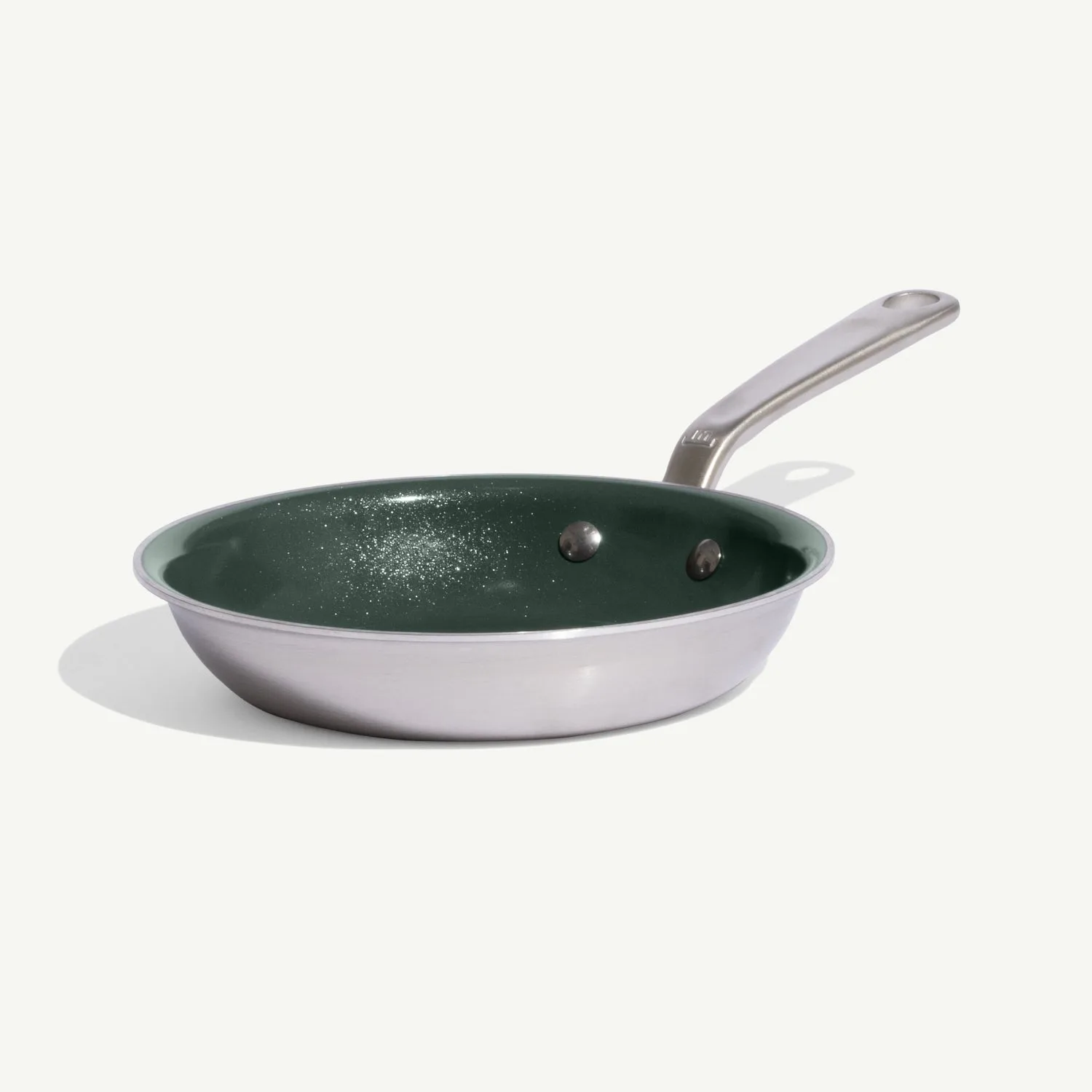
Another important factor is stackability. Plates with a uniform shape and size stack neatly, saving cabinet space. Some sets include a built-in foot or recessed bottom for stable stacking. Finally, consider the plate's finish: matte finishes can show scratches more easily, while glossy finishes are more forgiving. For everyday use, a glossy or semi-gloss finish is often the most practical. If you enjoy cooking, the Stainless Clad Frying Pan is a perfect companion for preparing meals that look beautiful on your new dinnerware.
- Reinforced rims reduce chipping and help contain sauces.
- Choose a balanced weight that feels comfortable in your hand.
- Glossy finishes are more scratch-resistant than matte finishes.
How to Build a Versatile Dinnerware Set for Everyday Use
Building a dinnerware set doesn't mean you have to buy a full 12-piece collection. Start with the essentials: four to six dinner plates, salad plates, and bowls. This gives you enough for a small family or a dinner party. Choose a neutral color like white, cream, or light gray, which pairs well with any table setting and food presentation. Then, add accent pieces like serving platters, mugs, and dessert plates to expand your collection over time.
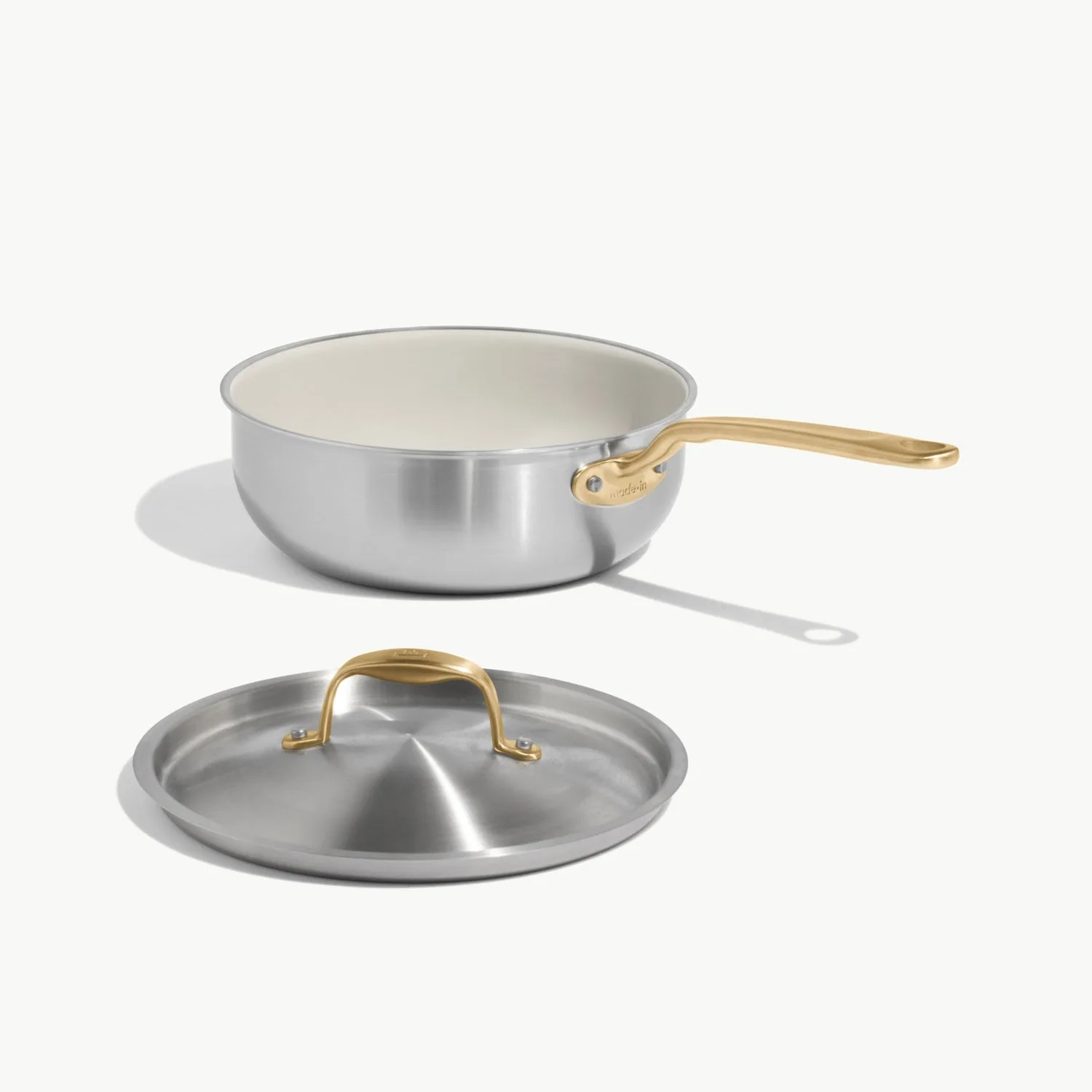
When selecting a set, consider mixing and matching materials for visual interest. For example, pair porcelain dinner plates with stoneware salad plates for texture contrast. If you love to entertain, invest in a set that includes matching serving pieces. The Stainless Clad Saucier is an excellent addition for preparing sauces and sides that complement your dinnerware. Remember, your dinnerware should reflect your personal style while being practical enough for daily use.
- Start with 4-6 dinner plates, salad plates, and bowls.
- Neutral colors offer maximum versatility and food presentation.
- Mix and match materials for a unique, layered table setting.
Choosing the right dinner plate size and material doesn't have to be complicated. By focusing on your everyday needs—whether that's durability, weight, or style—you can find plates that make every meal feel special. Start with a versatile 10.5-inch plate in porcelain or ceramic, and build your collection from there. For a complete dining experience, explore our selection of dinnerware and serving pieces, including the elegant Crystal Wine Glasses, to elevate your table. Happy plating!