Choosing the right dinner plate might seem like a simple decision, but the size and shape of your plates can dramatically affect both the presentation of your food and the overall aesthetic of your table. Whether you are setting a casual everyday table or planning a formal dinner party, understanding plate dimensions and forms is essential.
In this guide, we will walk you through standard dinner plate sizes, the pros and cons of round versus square or organic shapes, and how to build a cohesive collection that works for any occasion. By the end, you will feel confident selecting plates that are both functional and beautiful.
Standard Dinner Plate Sizes: What Diameter Should You Choose?
The most common dinner plate diameter is 10.5 inches. This size is considered standard for everyday use in most households. It provides ample space for a main course, side dishes, and a small salad without overwhelming the table setting. Plates that are 11 to 12 inches are often used for larger portions or for serving family-style meals. These larger plates are popular in restaurants and for special occasions.
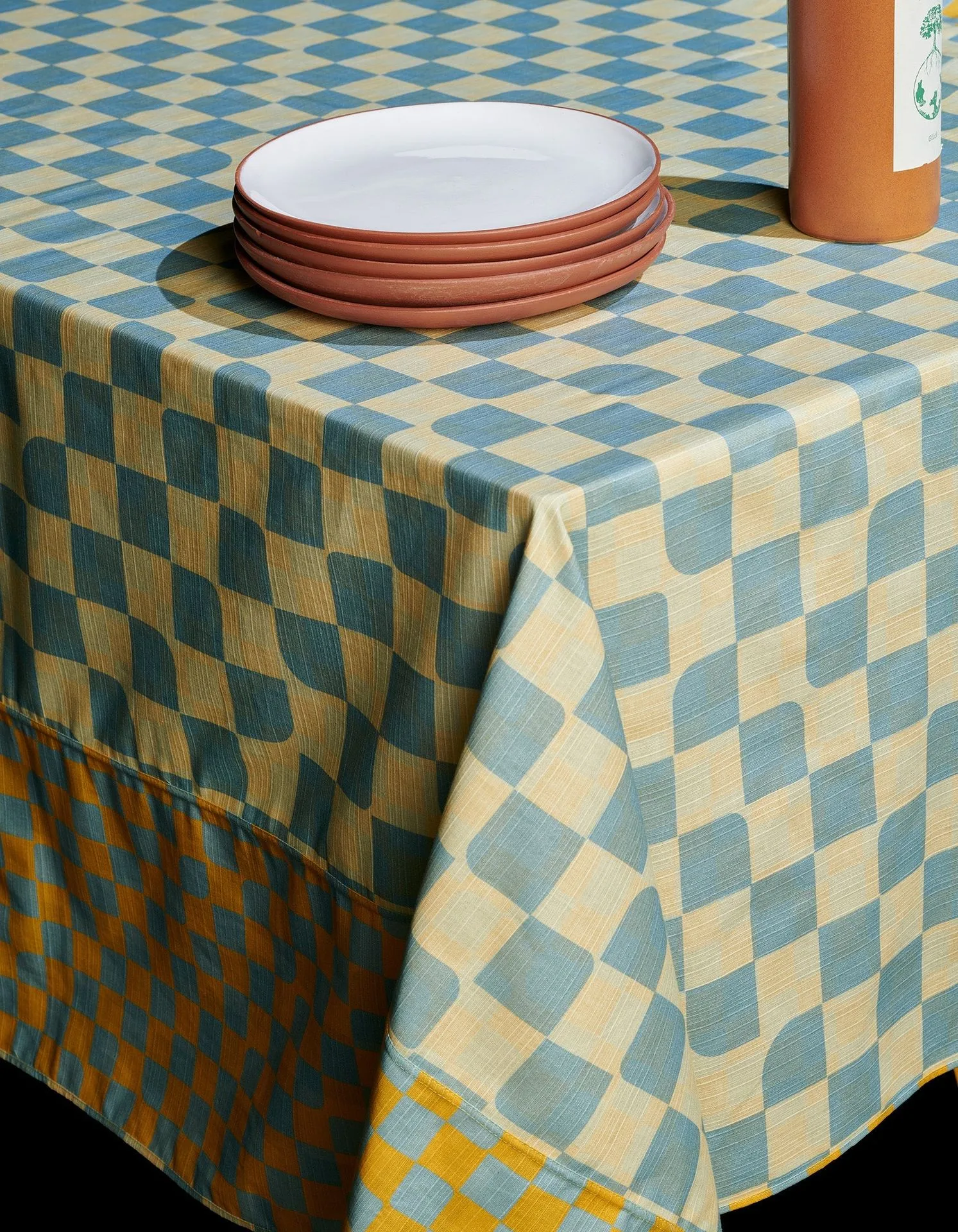
For appetizers, salads, or desserts, smaller plates in the 7 to 9 inch range are ideal. A bread plate, for example, typically measures around 6 to 7 inches. When building your collection, consider mixing sizes to accommodate different courses. A set of bread plates, like the Bread Plate Set of 4, can add versatility to your tabletop while keeping portions appropriate.
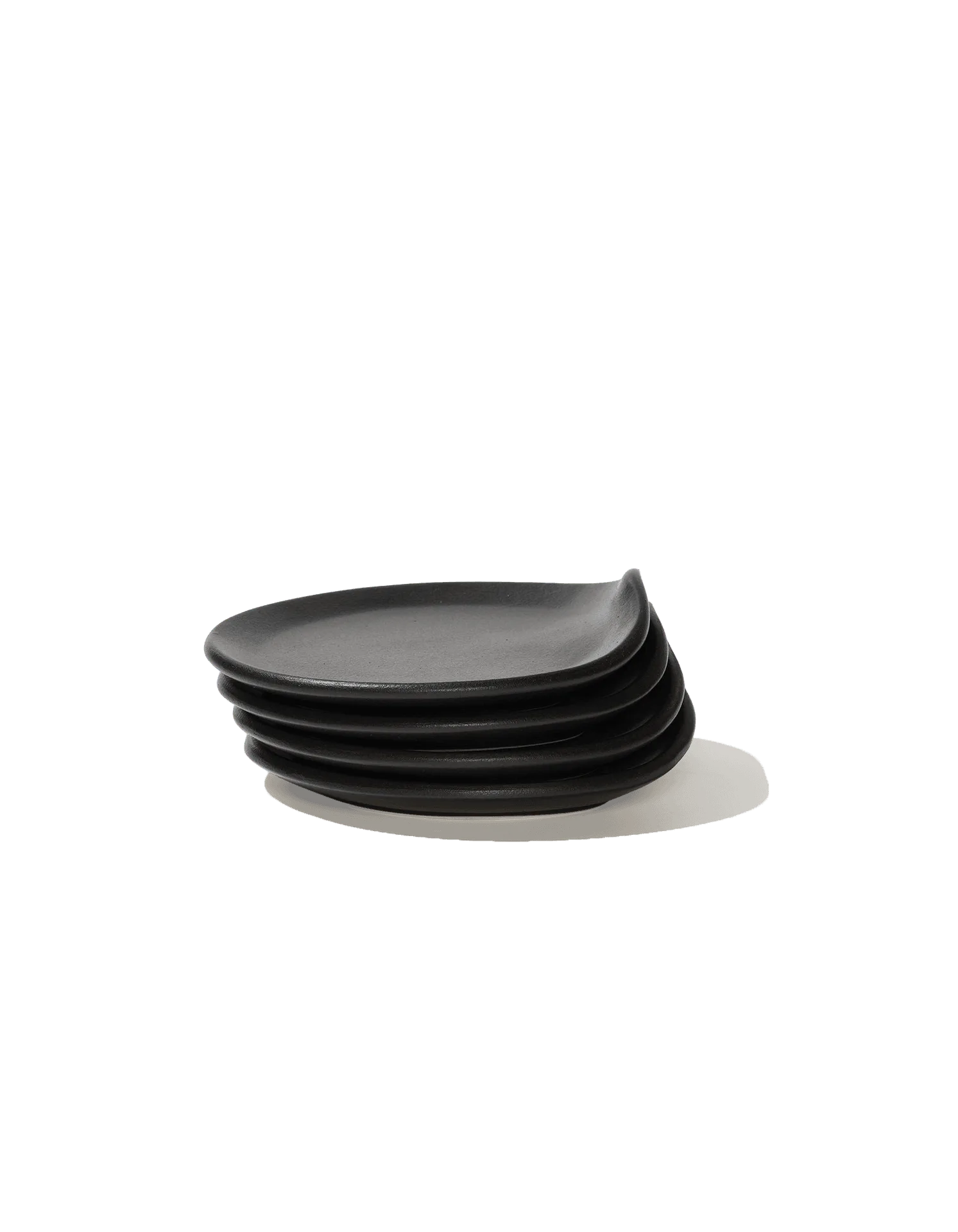
Bread Plate Set of 4
- Standard dinner plate: 10.5 inches – best for everyday meals.
- Large dinner plate: 11–12 inches – ideal for hearty portions or entertaining.
- Salad/dessert plate: 7–9 inches – perfect for starters or lighter fare.
- Bread plate: 6–7 inches – a dedicated plate for bread or small sides.
Round vs. Square vs. Organic Shapes: Which Plate Shape is Right for You?
Round plates are the classic choice for a reason. They are timeless, easy to stack, and fit neatly into most cabinets and dishwashers. Round plates also create a sense of balance on the table, making them a safe and versatile option for any style. If you are starting from scratch, a set of round dinner plates is a practical foundation.
Square plates offer a modern, geometric look that can make your table feel more contemporary. They work especially well with Asian-inspired cuisine or when you want to create a structured, minimalist tablescape. However, square plates can be more challenging to store and may not fit as neatly in round dishwashers. Organic, hand-thrown plates with irregular edges bring an artisanal, rustic feel to your table. They pair beautifully with natural materials like wood and linen. For example, The Small Goun Plate features an organic shape that adds character and a handmade touch to any meal.
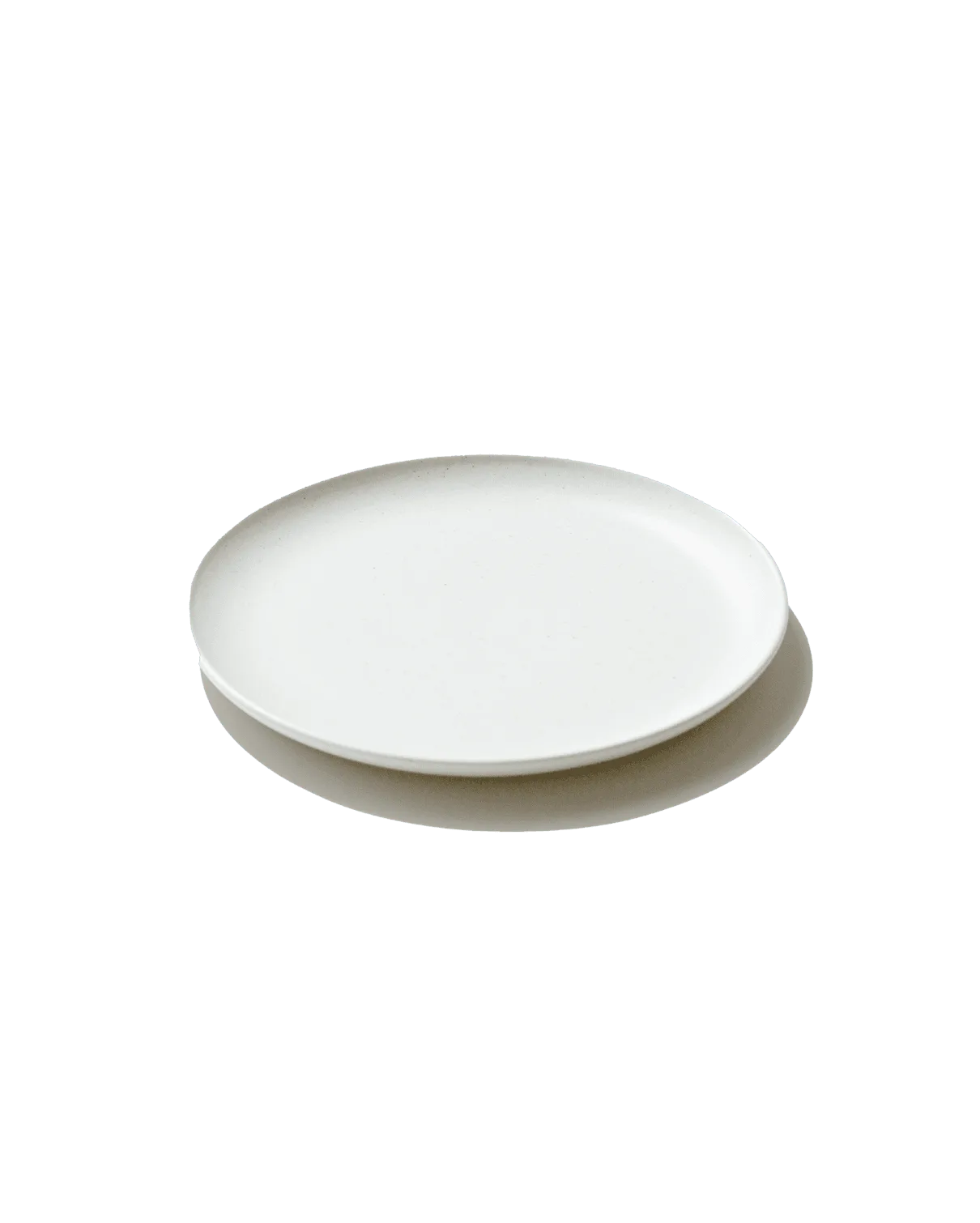
The Small Goun Plate
- Round: classic, stackable, dishwasher-friendly – best for everyday.
- Square: modern, geometric, but harder to store – best for contemporary tables.
- Organic/irregular: artisanal, unique, often handmade – best for rustic or eclectic styles.
How Plate Size Affects Food Presentation and Portion Control
The size of your plate directly influences how much food you serve and how it is perceived. A larger plate can make a moderate portion look small, encouraging over-serving, while a smaller plate can make the same portion look generous. This is a well-known principle in both culinary plating and nutrition. If you are mindful of portion sizes, using a 10-inch dinner plate instead of a 12-inch one can help you naturally serve less.
For presentation, a plate with a wide rim (often called a coupe or rimmed plate) frames the food beautifully and allows for garnishes or sauces. A rimless plate, on the other hand, gives a more modern, clean look and is often used in fine dining. When choosing plates for entertaining, consider having a mix of rimmed and rimless options to create visual interest. The Goun Plate offers a beautiful rimless design that highlights the food as the centerpiece.
- Smaller plates help with portion control.
- Rimmed plates frame food and add elegance.
- Rimless plates offer a modern, minimalist presentation.
Building a Versatile Dinner Plate Collection: Tips for Mixing and Matching
You do not need to buy a full set of matching plates to have a functional and stylish collection. In fact, mixing different sizes, shapes, and colors can create a curated, eclectic look that feels personal and inviting. Start with a core set of 4 to 6 dinner plates in a neutral color or classic shape. Then, add accent pieces like salad plates, bread plates, or charger plates in complementary tones.
When mixing, keep a common element to tie the collection together. This could be a similar color palette, a shared material like stoneware or porcelain, or a consistent rim detail. For example, you might pair round dinner plates with square salad plates for contrast, or use organic-shaped plates like The Small Goun Plate alongside more traditional ones. Don't forget to consider how your plates will coordinate with other tabletop items like napkins, flatware, and serveware. A cohesive look is more about balance than uniformity.
- Start with a neutral core set of 4–6 dinner plates.
- Add accent plates in different sizes or shapes for variety.
- Keep one common element (color, material, or rim style) for cohesion.
- Consider how plates will coordinate with napkins, flatware, and serveware.
Choosing the perfect dinner plate size and shape is about balancing function with style. Whether you prefer classic round plates, modern squares, or artisanal organic shapes, the key is to select pieces that fit your lifestyle and make every meal feel special. Explore our collection of thoughtfully designed plates, including the versatile Bread Plate Set of 4, to start building a tabletop that reflects your personal taste.