Dinner plates are the workhorses of your kitchen. You reach for them multiple times a day, so they need to be durable, easy to clean, and comfortable to hold. But with so many options—different materials, sizes, and finishes—how do you pick the right ones for your daily routine?
This dinner plate buying guide cuts through the noise. We'll focus on what actually matters for everyday use: material durability, size, weight, and maintenance. Whether you're replacing a chipped set or buying your first single dinner plate, these tips will help you choose plates that last.
Why Material Matters Most for Everyday Plates
The material of your dinner plate determines its durability, weight, and how it handles heat and scratches. For daily use, ceramic dinner plates are a top choice because they're strong, dishwasher-safe, and resist staining. Stoneware and porcelain are common types of ceramic. Stoneware is thicker and more chip-resistant, while porcelain is lighter and more refined. Both work well for everyday meals, but if you have kids or tend to stack plates roughly, stoneware's heft gives it an edge.
Avoid thin, delicate materials like fine bone china for daily use—they chip easily. Similarly, melamine plates are lightweight and unbreakable but can scratch and aren't microwave-safe. Stick with ceramic for the best balance of durability and practicality. For example, the Bread Plate Set of 4 uses a sturdy stoneware that holds up well to repeated washing and stacking.
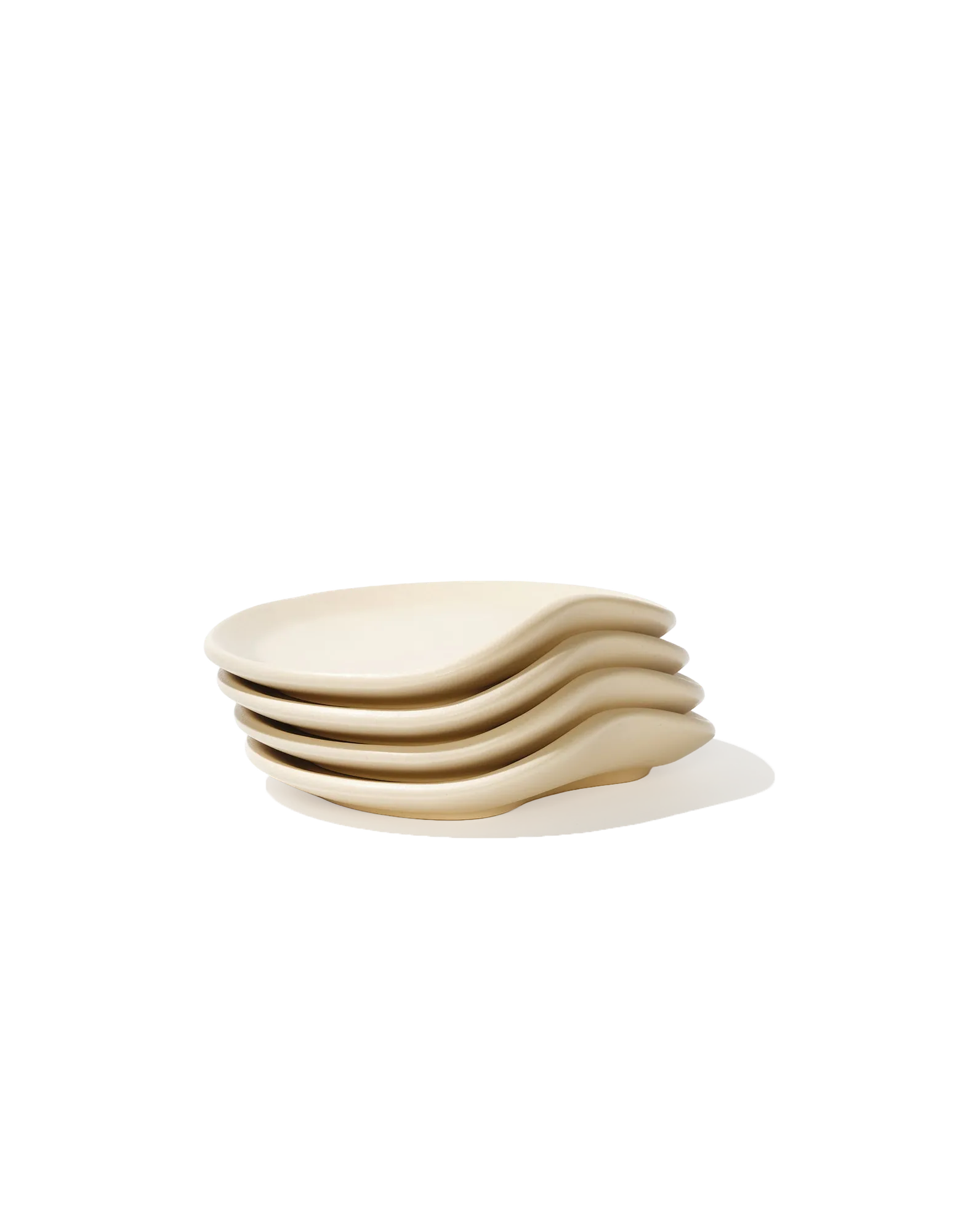
Bread Plate Set of 4
- Stoneware: thick, chip-resistant, retains heat well.
- Porcelain: lighter, more elegant, still durable.
- Avoid: thin bone china or plastic-based materials for daily use.
Size and Weight: What Feels Right for You
Standard dinner plates range from 10 to 12 inches in diameter. For everyday use, 10.5 to 11 inches is a sweet spot—large enough for a full meal but not so big that they're heavy or hard to store. Consider your cabinet space and how you load the dishwasher. Oversized plates may not fit well in standard racks or stack neatly.
Weight is equally important. A plate that's too heavy can be tiring to carry from counter to table, especially if you're serving multiple dishes. On the other hand, very light plates might feel flimsy. Pick up a plate and hold it in one hand before buying. If you're shopping online, check the product dimensions and weight. A single dinner plate should feel substantial but not cumbersome.
- 10.5–11 inches is ideal for most meals.
- Test weight by holding a plate in one hand.
- Check cabinet depth and dishwasher rack dimensions.
Finish, Glaze, and Maintenance Tips
The finish of your dinner plate affects both its look and its care. A glossy glaze is non-porous and resists stains, making it easier to clean tomato sauce or curry residue. Matte finishes are trendy but can show scratches and absorb oils over time. For everyday use, a smooth, glossy glaze is the most practical choice. It also helps the plate stack without sticking.
Check if the plate is microwave and dishwasher safe. Most ceramic dinner plates are, but some decorative metallic accents can't go in the microwave. Also, avoid plates with deep, intricate patterns or rough rims—they trap food and are harder to clean. The Serve Platter, for instance, has a clean glaze that wipes easily, a feature you'll appreciate after a busy weeknight dinner.
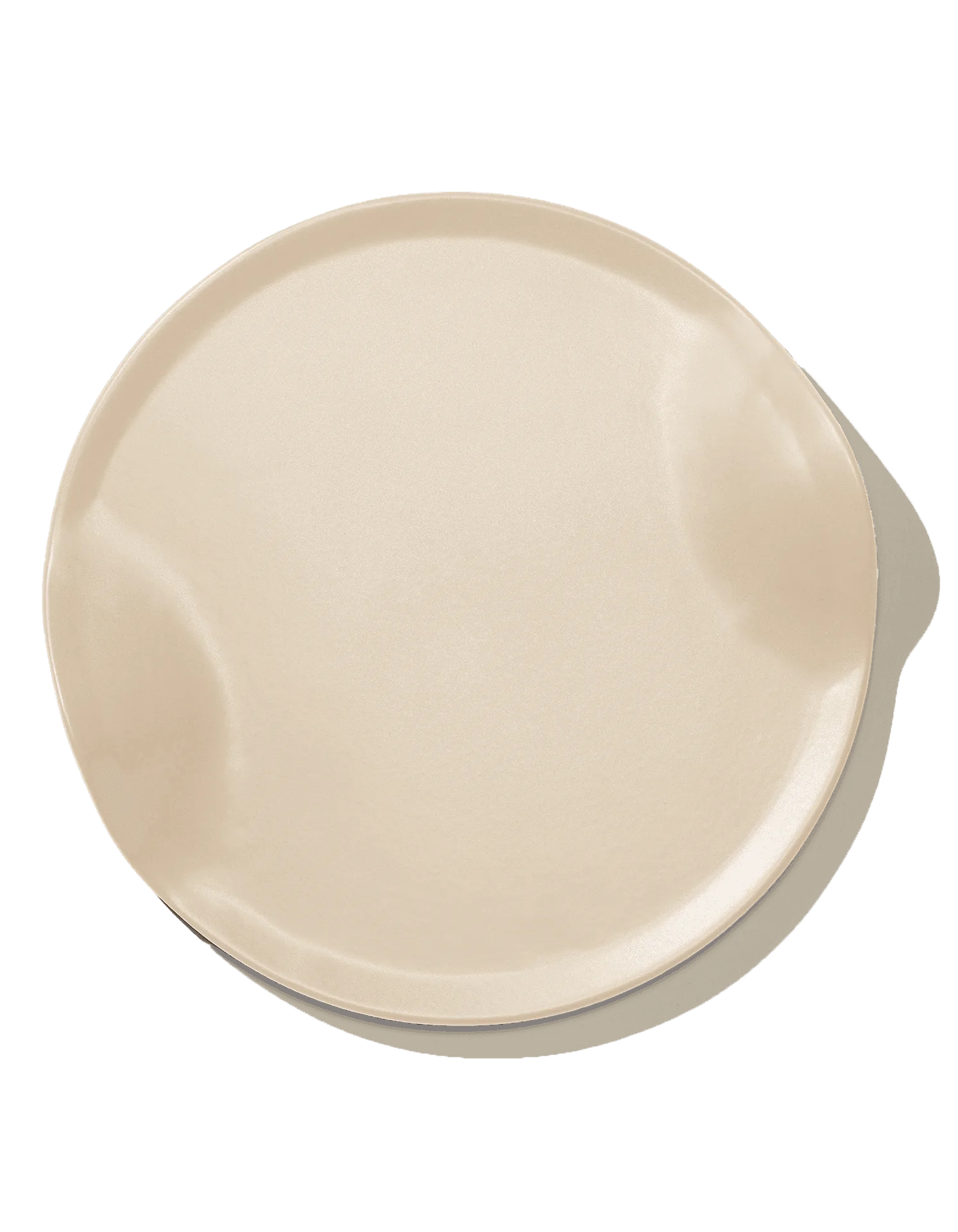
Serve Platter
- Glossy glaze: stain-resistant and easy to clean.
- Matte finish: stylish but may show wear.
- Always confirm microwave and dishwasher safety.
How Many Plates Do You Really Need?
For everyday use, a set of 4 to 6 dinner plates is usually sufficient for a small household. If you entertain often, consider 8 to 12. But you don't have to buy a full set all at once. Many stores, including Material, sell single dinner plates, so you can start with a few and add more later. This is especially helpful if you're mixing and matching styles or replacing broken pieces.
Think about your storage space too. Oversized plates or thick rims can take up more room. If cabinets are tight, opt for plates with a simple, low-profile rim. Also, consider buying a matching set of bread plates or salad plates for versatility. The Bread Plate Set of 4 is a great companion to your dinner plates for smaller servings or side dishes.
- Start with 4–6 plates for daily use.
- Single dinner plate purchases let you build slowly.
- Match with smaller plates for a complete table setting.
Choosing dinner plates for everyday use comes down to material, size, weight, and finish. Stick with durable ceramic dinner plates that have a glossy glaze, a comfortable weight, and a size that fits your meals and storage. Whether you buy a full set or a single dinner plate, focus on quality that will survive daily wear and tear. With these tips, you'll find plates that make every meal feel just right.