After a satisfying meal, the last thing you want is to hand-wash every plate, bowl, and glass. The dishwasher promises convenience, but not all dinnerware can handle the heat, pressure, and harsh detergents of a machine cycle. Understanding which materials are dishwasher safe and which require gentle handwashing is essential to preserving your tabletop investment.
This guide covers the most common dinnerware materials—ceramic, stoneware, porcelain, melamine, and stainless steel—and explains how each responds to dishwasher cleaning. We also address flatware and knives, because cutlery often suffers more damage than plates. By the end, you will know exactly what can go in the dishwasher and what should stay out.
Ceramic and Stoneware: Generally Safe but Not Invincible
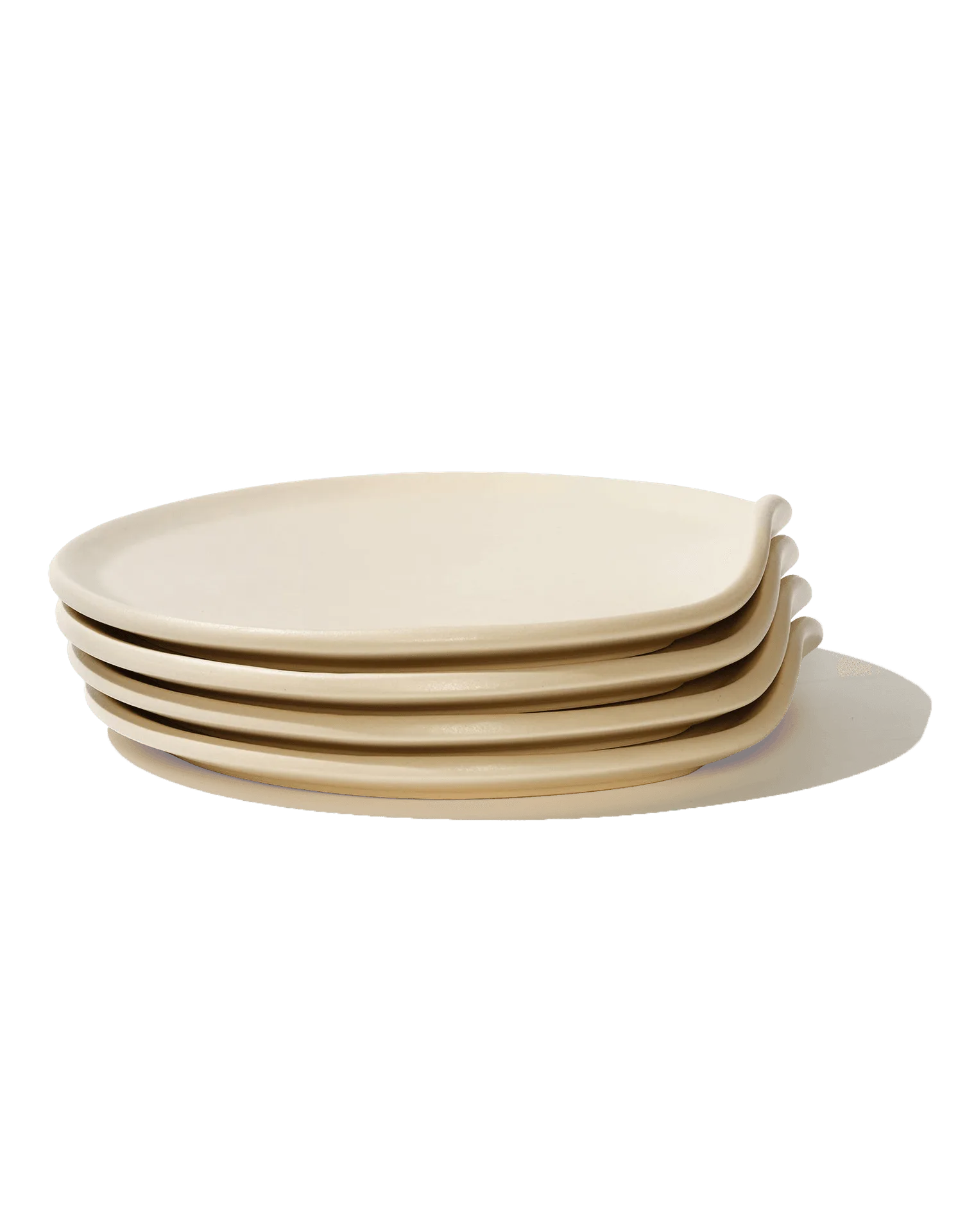
Most ceramic and stoneware dinnerware is dishwasher safe, but there are important caveats. Glazed ceramics with high-quality finishes can withstand the high heat and water pressure of a dishwasher without cracking or fading. However, handmade or artisan pieces with reactive glazes may become dull or develop crazing (fine surface cracks) over time. Stoneware is typically more durable than earthenware because it is fired at higher temperatures, making it less porous and more resistant to thermal shock.
To be safe, always check the manufacturer's label. If your ceramic dinnerware has metallic accents or gold rims, it should never go in the dishwasher—the chemicals in detergent can strip the metal. Similarly, hand-painted designs may fade after repeated cycles. For everyday use, look for dishwasher-safe markings on the bottom of each piece. If in doubt, hand-wash with mild soap to preserve the finish.
- Avoid dishwasher for pieces with metallic or gold trim.
- Hand-wash hand-painted or artisan ceramics to preserve design.
- Stoneware is more heat-resistant than earthenware.
Porcelain and Bone China: Delicate but Often Dishwasher Safe
Porcelain and bone china are prized for their elegance and translucency, but many modern versions are formulated to be dishwasher safe. High-quality porcelain is vitrified, meaning it is non-porous and resistant to staining and moisture. Bone china, which contains bone ash, is surprisingly strong and can often handle the dishwasher if the pattern is underglaze or embedded in the glaze.
The main risk for porcelain and bone china is chipping. Thin edges and delicate rims can crack if they knock against other dishes during the cycle. To prevent damage, load these pieces carefully—place them securely in the rack without overcrowding. Avoid high-temperature drying cycles, which can cause thermal stress. For your most treasured heirloom pieces, hand-washing is still the safest choice.
- Check for dishwasher-safe marking; many modern pieces are safe.
- Use gentle cycle and avoid high heat drying.
- Load carefully to prevent chipping on thin rims.
Melamine and Plastic: Temperature Limits Matter
Melamine dinnerware is popular for outdoor dining and children's sets because it is lightweight and shatter-resistant. However, melamine is not heat-tolerant. Most manufacturers recommend placing melamine only on the top rack of the dishwasher, away from the heating element. High temperatures can cause melamine to warp, crack, or even leach chemicals. Dishwasher detergents can also dull the surface over time.
Similarly, plastic containers should be placed on the top rack. Look for a recycling symbol with a number 1, 2, 4, or 5—these are generally dishwasher safe. Avoid washing plastic with high-heat drying cycles. For melamine and plastic, hand-washing with a soft sponge is the gentlest method and extends the life of the items.
- Always place melamine on the top rack.
- Avoid high heat drying to prevent warping.
- Check plastic recycling numbers for dishwasher safety.
Stainless Steel Flatware: Safe but Watch for Scratches and Rust
Stainless steel flatware is generally dishwasher safe, but not all grades are equal. High-quality 18/10 stainless steel (18% chromium, 10% nickel) is highly resistant to corrosion and pitting. Lower grades like 18/0 or 13/0 contain less nickel and may develop rust spots over time if exposed to acidic foods or harsh detergents. To protect your flatware, rinse off food residue before loading and avoid mixing stainless steel with silver or silver-plate items in the same cycle—the two metals can react and cause tarnish.
If you have a set like the Silo Cutlery or the French Country Cutlery, both crafted from premium stainless steel, you can confidently place them in the dishwasher. However, to maintain their mirror-like finish, consider using a mild detergent and avoiding prolonged contact with acidic foods like lemon or vinegar. Dry them promptly after the cycle to prevent water spots. For best results, hand-wash and dry immediately.
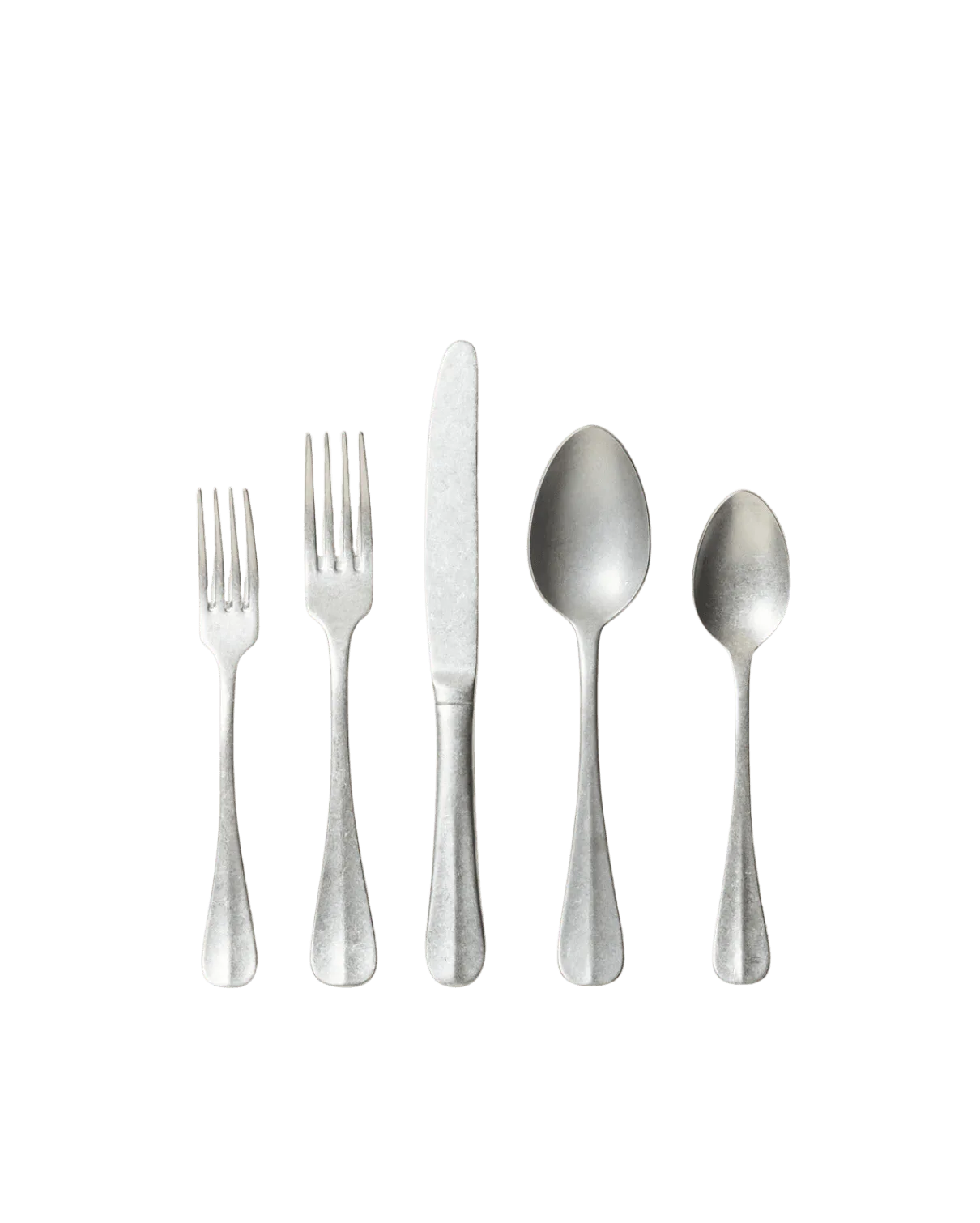
French Country Cutlery
- Use 18/10 stainless steel for best dishwasher durability.
- Avoid mixing stainless steel with silver in the same load.
- Dry flatware promptly to prevent water spots and spotting.
Knives: The Case Against Dishwasher Cleaning
Knives are the most vulnerable item in your cutlery drawer when it comes to dishwasher safety. The high heat, harsh detergents, and forceful water jets can dull blades, loosen handles, and cause rust on carbon steel edges. Even high-quality kitchen knives like The Serrated 6 Knife or The Almost 4 Knife are best hand-washed with mild soap and a soft sponge. The dishwasher can also cause wooden handles to crack or lose their finish.
For everyday cutlery like The Table Knives, which are designed for dining rather than heavy prep, the dishwasher may be acceptable if they are made from stainless steel and have no wooden or composite handles. But to maximize sharpness and longevity, hand-washing is strongly recommended. Always dry knives immediately after washing to prevent moisture damage.
- Hand-wash all kitchen knives with a soft sponge.
- Avoid dishwasher for knives with wooden or composite handles.
- Dry knives immediately to prevent rust and handle damage.
How to Test Your Dinnerware for Dishwasher Safety
If you are unsure whether a particular piece is dishwasher safe, there are a few simple tests you can perform at home. First, check the bottom of the item for a dishwasher-safe symbol (usually a plate with water droplets or the words 'dishwasher safe'). If there is no marking, examine the glaze or finish—glossy, high-fired glazes are more likely to be safe than matte or textured finishes.
Another test is the 'thermal shock' check: place the item in a warm oven (about 200°F) for 10 minutes, then remove and immediately run it under cool water. If it cracks or crazes, it is not dishwasher safe. For flatware, look for rust spots or pitting after a test cycle. If you notice any change in appearance or texture, hand-wash going forward. When in doubt, always err on the side of hand-washing to protect your investment.
- Look for dishwasher-safe symbol on the bottom of each piece.
- Perform a thermal shock test with warm oven and cool water.
- Inspect flatware for rust or pitting after a test cycle.
Tips for Maximizing Dishwasher Safety Across All Materials
To extend the life of your dinnerware and flatware, follow these universal dishwasher best practices. Always load plates facing the center of the rack to prevent water pooling and ensure thorough cleaning. Place bowls upside down to avoid water collection. For flatware, alternate forks and spoons facing up and down to prevent nesting, which can trap food and water.
Use a rinse aid to prevent water spots and improve drying. Avoid overcrowding the dishwasher—air needs to circulate to clean and dry effectively. Select a gentle or normal cycle with a low-heat drying option for delicate items. Finally, unload the dishwasher as soon as the cycle ends to prevent moisture from sitting on surfaces. With these habits, your dinnerware will stay beautiful and functional for years.
- Load plates facing center, bowls upside down.
- Alternate flatware direction to prevent nesting.
- Use rinse aid and low-heat drying for delicate items.
Whether you are stocking your kitchen with everyday stoneware, elegant porcelain, or durable stainless steel flatware, understanding dishwasher safety is key to long-lasting use. For a versatile set that combines style and machine-washable convenience, explore the Silo Cutlery—a premium stainless steel option designed to withstand daily dishwasher cycles while maintaining its sleek appearance.