When setting a beautiful table, it’s easy to get lost in the terminology. Two terms that often cause confusion are dinnerware and serveware. While both are essential to a complete table setting, they serve very different purposes. Understanding the distinction between dinnerware vs. serveware will help you shop smarter, avoid duplicates, and build a versatile collection that works for everyday meals and special occasions alike.
In this guide, we’ll break down what each category includes, how they complement each other, and share practical advice for curating your own tableware collection. Whether you’re a first-time home buyer or a seasoned host, knowing the difference will elevate your dining experience and simplify your kitchen storage.
What Is Dinnerware? The Foundation of Every Meal
Dinnerware refers to the pieces used directly by each person at the table for eating and drinking. This includes dinner plates, salad plates, bowls, mugs, and cups. Essentially, dinnerware is the functional core of your table setting—the items that hold the food and beverages you consume. When you think of a dinnerware set, you’re typically imagining a coordinated collection of plates and bowls in matching patterns or materials.
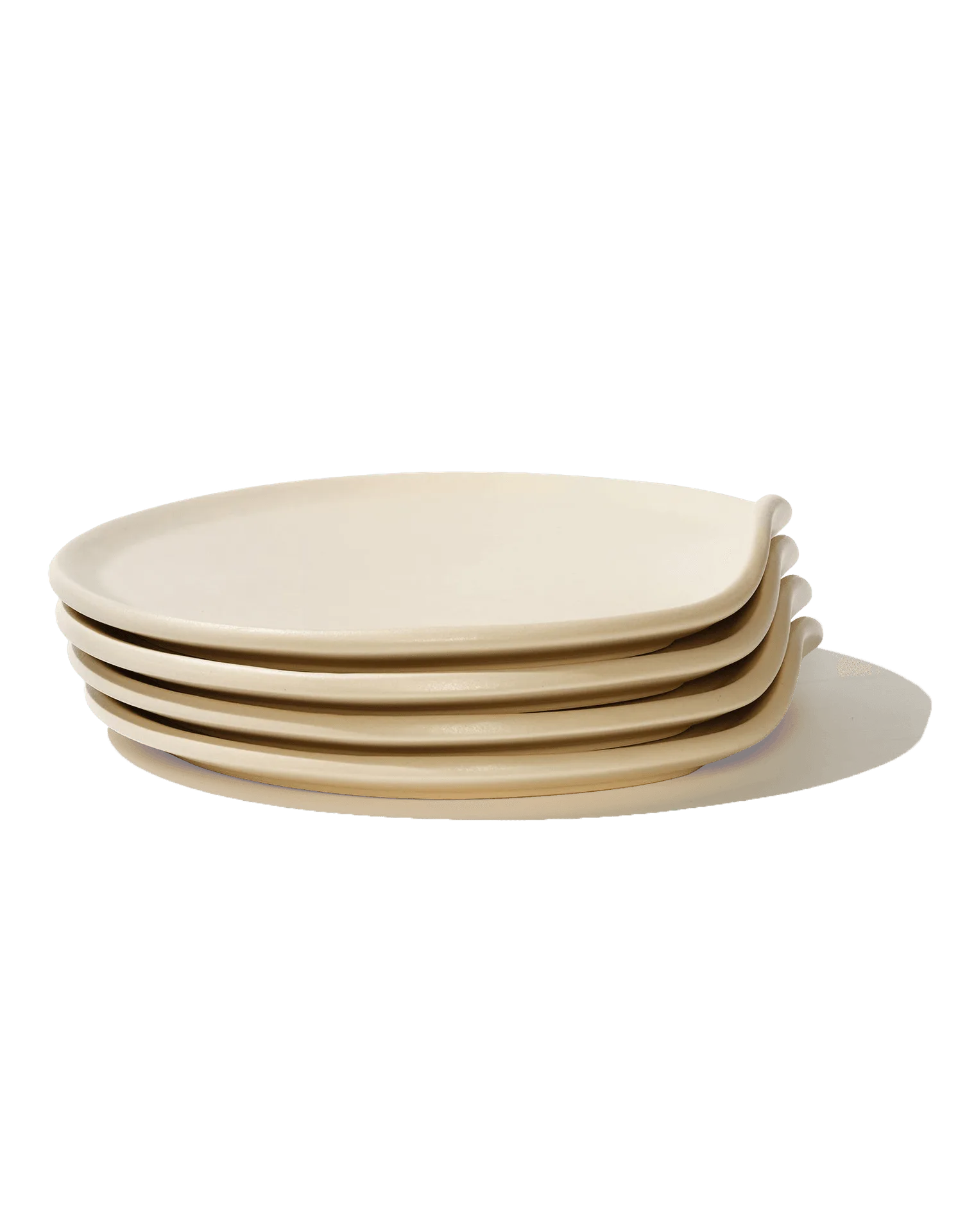
Investing in quality dinnerware is crucial because it sets the visual tone for your table. Classic materials like porcelain, stoneware, and bone china offer durability and timeless appeal. For example, The Goun Plate is a versatile dinner plate that works beautifully for both casual weeknight dinners and elegant gatherings. Its minimalist design pairs effortlessly with other tabletop elements, making it a smart foundation for any collection.
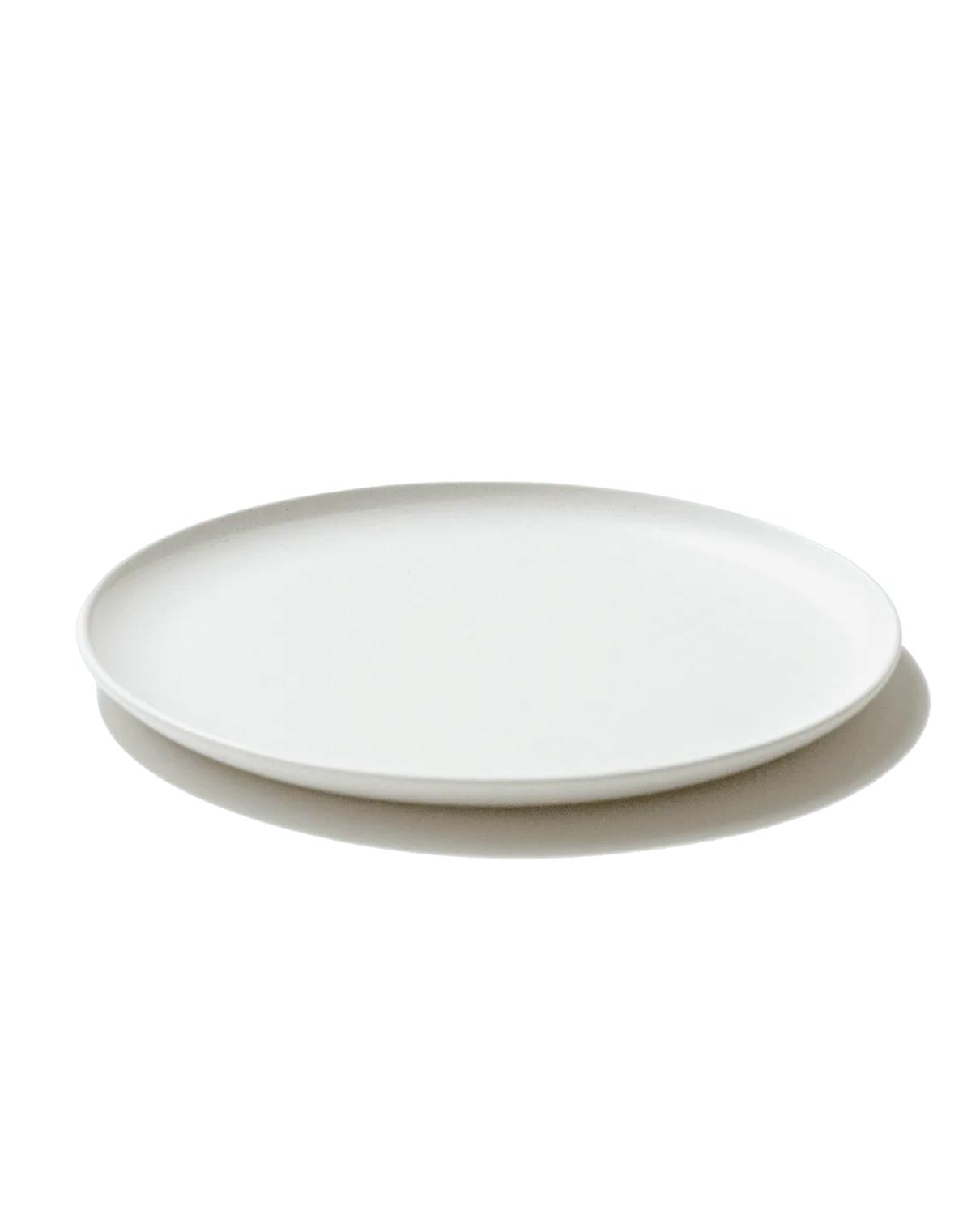
The Goun Plate
- Tip: Start with a set of 4–6 dinner plates, salad plates, and bowls to cover basic needs.
What Is Serveware? The Art of Sharing and Presentation
Serveware includes all the dishes and vessels used to bring food to the table for sharing. Think platters, serving bowls, gravy boats, salad servers, and even cake stands. Unlike dinnerware, which is individual, serveware is communal. It’s designed to present food in an appealing way and make serving easy for the host. Good serveware can transform a simple meal into a memorable dining experience.
When selecting serveware, consider both function and aesthetics. A large wooden salad bowl, a ceramic platter for roasted vegetables, or a set of elegant serving utensils can all elevate your presentation. For instance, the Tablecloth Reversible Checker adds a charming backdrop to your serveware, while the Windsor Cutlery offers beautifully crafted serving pieces that blend style with practicality. These items not only look great but also make hosting more enjoyable.
- Tip: Choose serveware in neutral tones or natural materials like wood and ceramic for maximum versatility.
Key Differences Between Dinnerware and Serveware
The primary difference between dinnerware and serveware lies in their usage. Dinnerware is personal and portioned—each guest gets their own plate, bowl, and cup. Serveware is shared and often larger, designed to hold enough food for multiple people. Another distinction is that dinnerware tends to be purchased in sets for consistency, while serveware is often collected piece by piece to suit specific dishes or occasions.
From a design perspective, dinnerware usually features coordinated patterns and colors, while serveware can be more eclectic. Many hosts enjoy mixing and matching serveware to create visual interest on the table. For example, you might pair a sleek, modern dinner plate like The Goun Plate with a rustic wooden serving board or a vintage-inspired platter. This contrast adds depth and personality to your table setting.
- Tip: Keep your dinnerware neutral so you can experiment with bold serveware patterns and textures.
How to Build a Cohesive Tableware Collection
Building a tableware collection doesn’t have to be overwhelming. Start by investing in a quality dinnerware set that you love and that fits your lifestyle. Look for pieces that are dishwasher-safe, microwave-safe, and durable enough for daily use. Once you have your dinnerware foundation, gradually add serveware pieces that complement your existing style. Consider your cooking habits: if you often roast whole chickens, a large platter is essential; if you love soups and stews, a set of deep serving bowls will be invaluable.
Don’t forget about the finishing touches. Flatware and linens play a big role in tying the look together. The Windsor Cutlery offers a range of flatware that pairs beautifully with both modern and traditional dinnerware. Its clean lines and balanced weight make every meal feel special. Similarly, a reversible tablecloth like the Tablecloth Reversible Checker can instantly refresh your table for different seasons or occasions without needing new dinnerware.
- Tip: Create a wishlist of serveware pieces you’ll use most often—such as a large platter, a salad bowl, and a set of serving spoons.
Understanding the difference between dinnerware and serveware is the first step toward building a tabletop collection that works for your life. Start with versatile dinnerware that you’ll use every day, then layer in serveware that reflects your personal style and hosting needs. Explore our curated selection of dinner plates, flatware, and linens to find pieces that will make every meal feel like a special occasion.