Quick answer
For a baby who is just starting to teethe, the Koala Teether is the more practical first chew toy because it is designed for tiny hands and soft gums. The Dino Pendant is a better fit for an older child who needs a wearable chew tool for big emotions or sensory regulation. Choose based on your child's age and whether they need a handheld teether or a necklace-style pendant.
Why age and grip matter more than the design
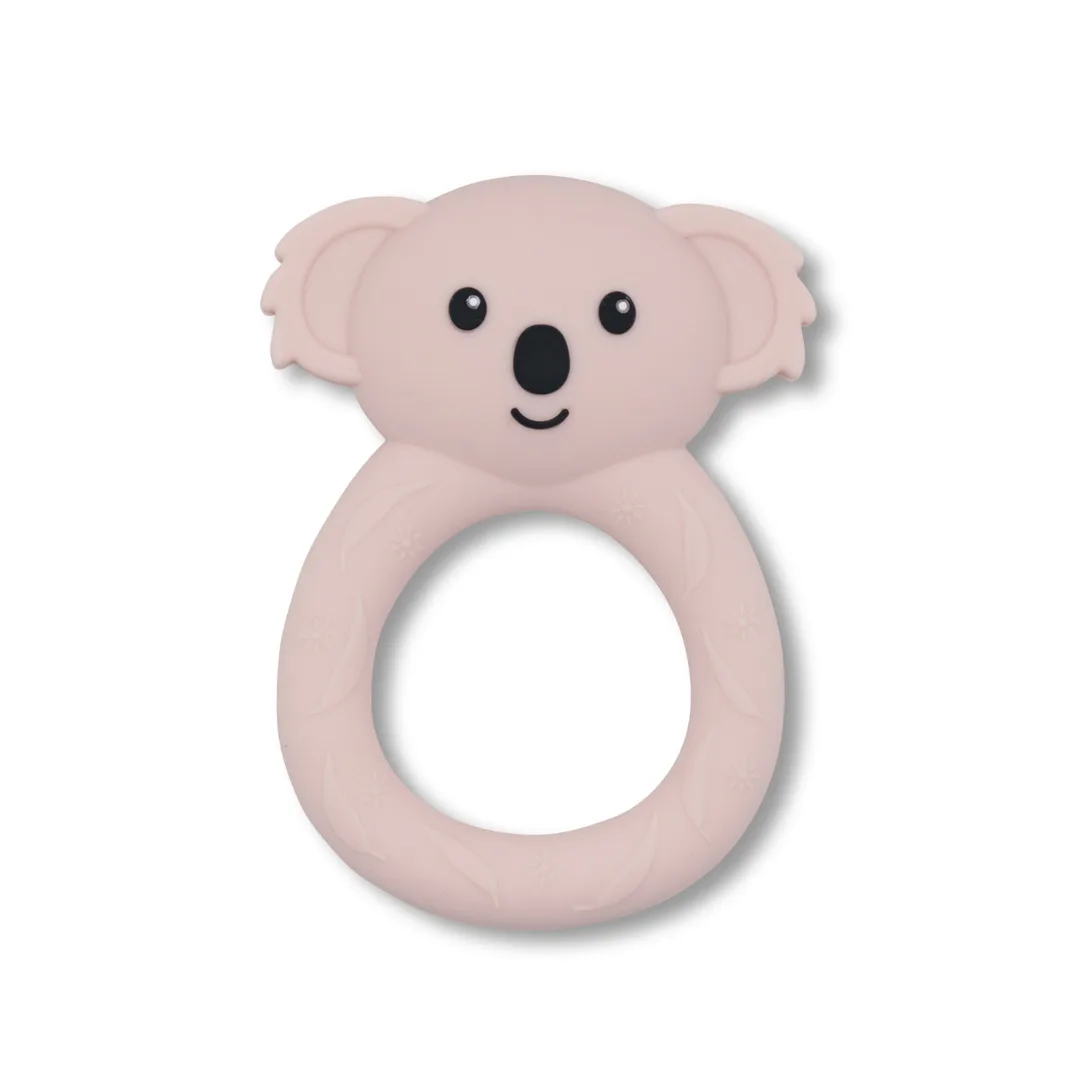
A first chew toy has to match your baby's grip strength and mouth reach. The Koala Teether is built for tiny hands and soft gums, with tactile elements on the back for added sensory fun. That makes it easy for a baby to hold and bring to their mouth without frustration. The Dino Pendant, by contrast, is a chew pendant on a necklace. It is recommended by Occupational Therapists as a safe alternative to chewing fingers, nails, hair, or pencils, but it assumes the wearer can manage a necklace or that an adult will place it. If your baby is still learning to hold objects, the Koala Teether removes that extra step and lets them chew independently.
How to introduce a first chew toy safely
Start with short, supervised sessions. Offer the Koala Teether during teething bouts or fussy periods, and check the silicone for wear before each use. If you choose the Dino Pendant for an older child, treat it as a wearable tool: show them how to lift the pendant to their mouth rather than pulling on the necklace, and inspect the cord and clasp regularly. Neither product replaces adult supervision, and both should be replaced at the first sign of damage.
What the Dino Pendant offers beyond teething
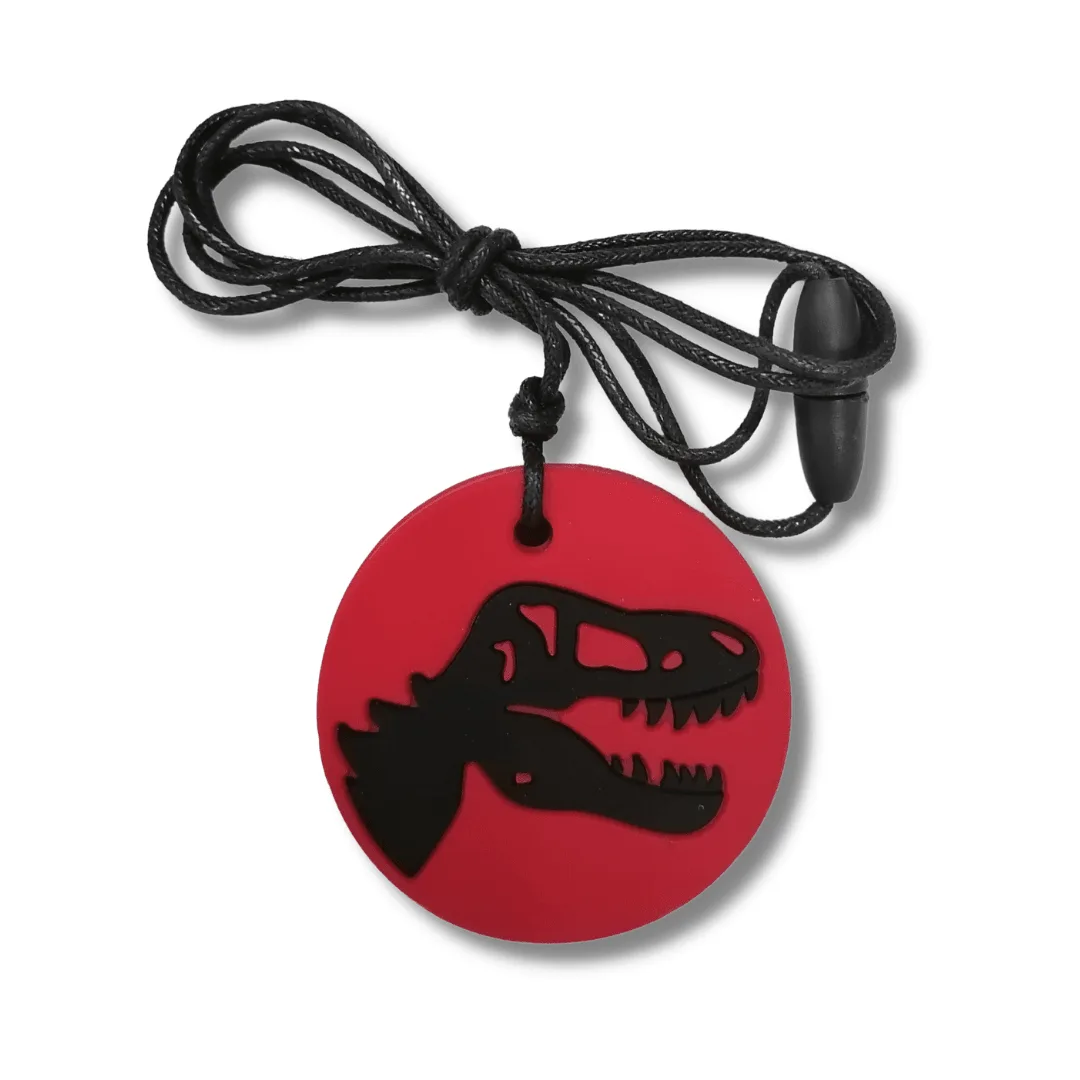
The Dino Pendant is not just a teether; it is a comforting friend for kids who love dinosaurs. It comes in a range of colours and is designed to be a reliable companion when big emotions threaten to cloud the day. If your child responds well to having a sensory tool close at hand, a pendant can be more discreet and portable than a loose teether. The trade-off is that it is not sized or shaped for a baby's first chewing attempts, so it works best as a next step once your child is comfortable with a handheld teether.
Trade-offs at a glance
- Koala Teether: easy grip vs. no wearable option: The Koala Teether is shaped for tiny hands and soft gums, so a baby can hold and chew it without help. It does not stay attached to the child, so it can be dropped or lost more easily. Best for babies who are just starting to teethe and need a handheld tool.
- Dino Pendant: wearable comfort vs. not for early teethers: The Dino Pendant stays on a necklace and provides a comforting, dinosaur-themed chew option for older kids. It is not designed for a baby's first chewing attempts and requires supervision. Best for children who can manage a necklace and need a portable sensory tool.
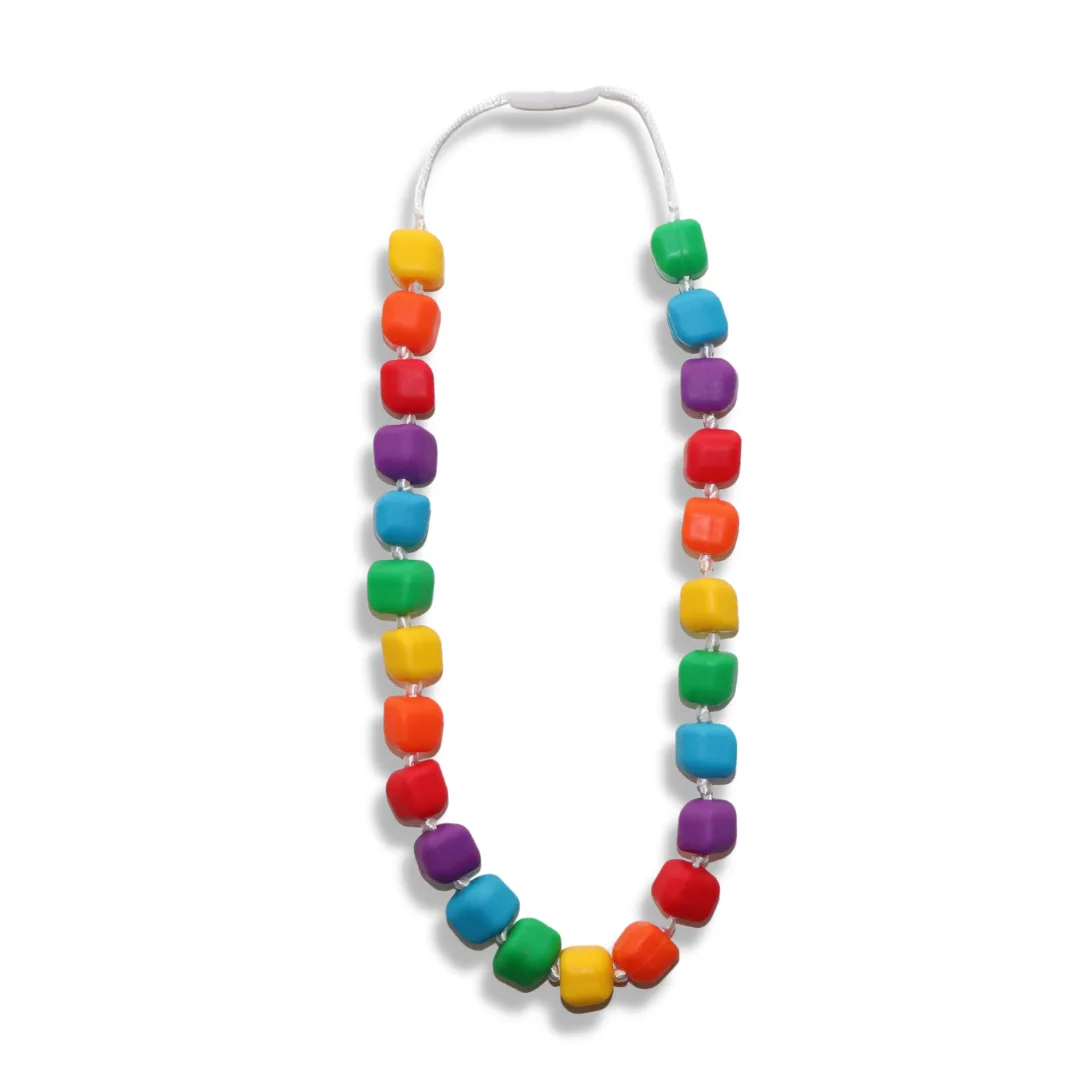
- Princess & the Pea Necklace: bead variety vs. more complex cleaning: The Princess & the Pea Necklace uses food-grade silicone beads that offer different textures and double as a sensory tool. The bead design may need more thorough cleaning between uses than a single-piece teether. Consider it if your child prefers beads but you are ready for a bit more upkeep.
Product facts
- Dino Pendant: Dino Pendant is a chew pendant for kids with a love for all things prehistoric, recommended by Occupational Therapists as a safe alternative to chewing fingers, nails, hair, or pencils. It suits older children who need a wearable sensory tool, not a baby's first handheld teether.
- Koala Teether: Koala Teether is an easy-to-hold teether for tiny hands, soft on gums, with tactile elements on the back and made from non-toxic, BPA-free, phthalate-free silicone. It is designed for babies who are teething and need a safe, simple first chew toy.
- Princess & the Pea Necklace: Princess & the Pea Necklace is a sensory necklace with food-grade silicone beads that doubles as a mobile sensory tool to redirect chewing from fingers, nails, hair, or pencils. It offers a bead-based alternative if your child prefers a necklace but wants varied textures.
Which one should you choose?
Best for
- Babies who are teething and need an easy-to-hold first chew toy
- Parents who want a simple, non-toxic silicone teether for tiny hands
- Children who need a handheld sensory tool during fussy periods
Not for
- Older children who need a wearable pendant and can manage a necklace
- Kids who prefer a chew tool that stays attached to their clothing
- Babies who are not yet able to hold and bring objects to their mouth