Two building games, two very different tables
Dinosaur Island and Dream Home both ask you to build something over a series of turns, but they pull your family in opposite directions. One is a park-management game about hiring staff, attracting visitors, and keeping unruly dinosaurs contained. The other is a fast, twelve-round race to fill a three-story house with the most beautiful rooms on the block.
The right pick depends less on which theme your kids prefer and more on how much planning, competition, and rule overhead your group enjoys. Below, I break down the supplied evidence for each game so you can match one to your family's actual play style.
Dinosaur Island: park management with a security tightrope
In Dinosaur Island, each player runs a park and brings creatures from the Jurassic, Triassic, and Cretaceous periods into the modern day. The catalog describes a game of hiring the right personnel, beating competitors to the hottest dino recipes, and gambling on which attractions will draw the most visitors. The tension comes from security: the supplied description warns that it will all come crashing down if your precautions are not tight enough to keep your unruly dino population under control.
That mix of worker placement, attraction building, and risk management gives Dinosaur Island more decision layers than a typical family filler. The supplied record does not list an age range, player count, or play time, so treat those as open questions to confirm on the box before buying. What the evidence does support is a game where planning and prioritization matter every round.
Dream Home: a twelve-round race to the best house
Dream Home is described as a fast and fun board game where you select rooms to fill your board over twelve rounds, earning points for more extravagant spaces and a functional home. You hire help to make changes to your three-story abode, fill expansive rooms with luxurious items, and stock up on handy tools with unique abilities. The goal is to race your neighbors to build the most beautiful home on the block.
The fixed twelve-round structure gives Dream Home a clear, finite arc, which suits families who want a game that ends on a predictable note. The supplied record does not include an age range or player count, so check the box for those details. What is clear is that Dream Home leans on set collection and light engine-building rather than the security balancing act of Dinosaur Island.
What each box actually asks you to do
-
Dinosaur Island: Each player takes on the role of a park manager and must hire the right personnel, beat competitors to perfecting the hottest dino recipes, and gamble on which attractions will draw the most visitors. This tells you Dinosaur Island is a competitive management game with multiple interlocking decisions, not a simple roll-and-move family title.
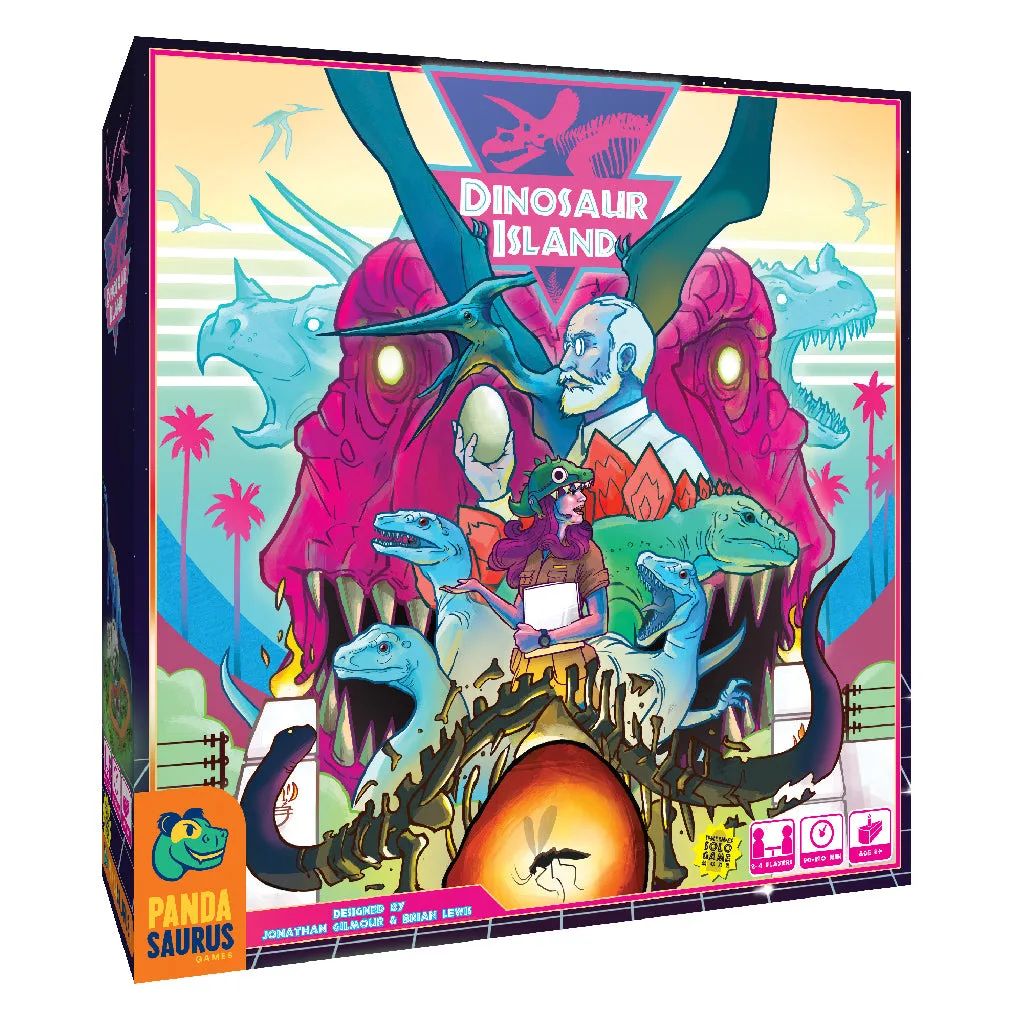
Dinosaur Island
-
Dream Home: Select rooms to fill your board over the course of twelve rounds, earning points for more extravagant spaces and a functional home. The twelve-round structure gives Dream Home a predictable length and a straightforward scoring goal, which helps families plan an evening around it.
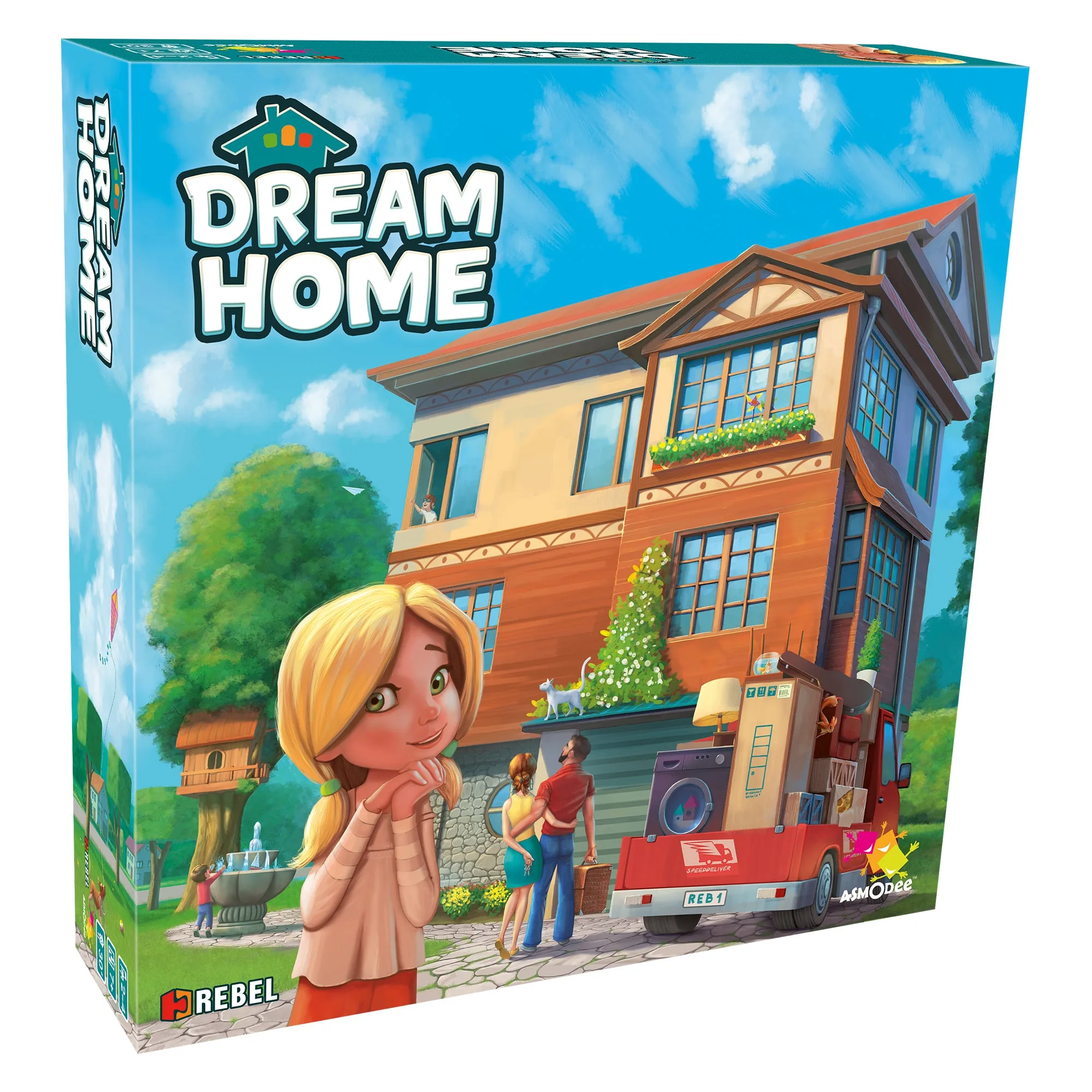
Dream Home
Complexity and decision load: which one fits your group?
Dinosaur Island layers personnel hiring, recipe competition, attraction gambling, and security management. That is a lot of plates to spin, and the supplied description implies a game where misjudging your security can undo your progress. Dream Home keeps the focus on room selection, hiring help, and stocking tools, with points coming from extravagant spaces and a functional home. Neither record lists a formal complexity rating, so use the decision count as your guide.
- Dinosaur Island: Best for families with older kids or teens who enjoy planning several turns ahead and can handle a security-risk layer. The catalog does not confirm an age range, so verify on the box.
- Dream Home: Best for families who want a fast, twelve-round game with clear scoring and lighter rules overhead. The catalog does not confirm an age range, so verify on the box.
The honest trade-offs
Dinosaur Island offers more thematic drama and a stronger sense of running an operation, but that comes with more rules to teach and more ways for a younger player to feel lost. Dream Home is easier to get to the table and ends on a fixed schedule, but the supplied description suggests a gentler competitive edge focused on room quality rather than direct conflict.
If your family already enjoys worker placement family games and wants a step up, Dinosaur Island is the more ambitious choice. If you need a game that fits a school-night window and keeps everyone engaged from the first round, Dream Home is the safer bet. Neither record includes player count, play time, or age range, so confirm those on the box before you commit.
Catalog details worth knowing before you choose
- Dinosaur Island: The catalog price is USD 38.97, compared with a catalog comparison price of USD 59.95. If you are weighing budget against complexity, Dinosaur Island sits at a higher price point than Dream Home in the supplied records.
- Dream Home: The catalog price is USD 29.91, compared with a catalog comparison price of USD 43.99. Dream Home is the lower-cost entry in this comparison, which matters if you are buying for a family that may not play a heavier game often.