Quick answer
Buy a direct injection high pressure fuel pump wiring adapter when your upgraded DI pump draws more current than the factory connector and wiring can safely carry, or when the new pump uses a different connector than your stock harness. If you are staying with a stock or stock-replacement pump that plugs into the original connector, you do not need one. Match the adapter to your pump connector, your chassis harness, and the current the new pump will pull.
Swapping the high pressure fuel pump on a direct injection engine is one of the most common steps in a fuel system upgrade, but the electrical side is where many builds stall. The factory harness was sized for the original pump, and a larger pump can push more current through a connector that was never intended for it.
A direct injection high pressure fuel pump wiring adapter solves that problem by giving you a plug-and-play junction between the chassis harness and the new pump. This guide covers what the adapter actually does, the situations where you genuinely need one, and the fit checks to run before you order.
What a DI fuel pump wiring adapter actually does
A DI fuel pump wiring adapter is a short harness that sits between your factory chassis connector and the connector on the high pressure fuel pump. It does two jobs: it adapts one connector style to another, and it gives the pump a dedicated, correctly terminated path for current instead of forcing you to splice into the factory loom.
That matters because the high pressure pump on a direct injection engine is driven electrically and cycled constantly. If the connector or wire gauge is marginal, resistance rises, voltage at the pump drops, and the pump can behave inconsistently under load. An adapter with the right terminals and gauge removes that variable from your diagnosis.
- Adapters are not universal. Connector family, pin count, and keying differ between pump generations and manufacturers.
- A quality adapter is a permanent install, not a temporary test lead.
When you actually need one
You need a high pressure fuel pump wiring adapter when the new pump's electrical connector does not match your chassis harness, or when the new pump's current draw exceeds what the factory circuit was designed for. Both situations are common on DI fuel pump upgrade paths, because upgraded pumps often use a different connector body than the original unit.
You generally do not need one if you are installing a stock-replacement pump with the same connector and similar current demand. In that case, plug the factory connector back in and spend your budget on filtration and pressure testing instead.
- Check the connector on the new pump against the connector on your harness before ordering anything.
- If the pump came with a pigtail but no mating connector, you still need an adapter or a proper crimped repair.
Fit guidance: match the adapter to the pump and the chassis
Fit starts with three measurements: the pump-side connector, the harness-side connector, and the wire gauge and length you need to route cleanly. A direct injection wiring harness adapter that is too short will strain the connector at full suspension travel or engine movement; one that is too long adds unnecessary resistance and clutter.
Also confirm the adapter is rated for the environment it lives in. Underhood heat, fuel vapor, and vibration are hard on cheap insulation and terminals. Look for heat-resistant insulation, positive locking connectors, and terminals that are crimped and sealed rather than pushed into a loose housing.
- Photograph both connectors before you shop so you can compare keying and pin count.
- Route the adapter away from exhaust runners and sharp bracket edges.
- If the adapter does not click positively into both sides, it is not seated.
Trade-offs: adapter vs. harness rewire
A plug-and-play adapter is faster, reversible, and easier to troubleshoot than cutting into the factory harness. That reversibility matters if you ever return the car to stock or need dealer diagnostics on the original circuit. The trade-off is that you are limited to the connector combinations that adapter makers actually offer.
A full rewire gives you total control over gauge, routing, and connector choice, and it is the right answer when no adapter exists for your combination or when you are running a motorsport-grade circuit. It costs more time, requires proper crimping https://deatschwerksevz.com/products/6-02-1006-7a13ff8544cc267e065c3400-2678010https://deatschwerksevz.com/products/6-02-1007-b0ccfd66fb95c83cd8aca3e4-2678153tools, and is much harder to undo.
- Choose the adapter when a correct plug-and-play option exists for your pump and chassis.
- Choose a rewire when current demand is far beyond stock, or when you need a custom route.
What to check before you buy
Confirm the pump model and connector first, then confirm the chassis-side connector. Verify the adapter's current rating is at least as high as the pump's expected draw, and check that the terminals are the correct gender and size. If a listing does not state connector type or gauge, treat that as missing information rather than assuming it will fit.
Finally, plan the install. Have the right release tools for the factory connector, a proper crimper if any terminals need to be added, and a way to verify voltage at the pump after installation. A quick voltage check under load tells you more than a visual inspection ever will.
- Write down pump part number, connector type, and expected current draw before shopping.
- Verify voltage at the pump connector after install, not just continuity.
Decision rules for buying a DI high pressure fuel pump wiring adapter
- Rule 1: Connector mismatch: If the new pump's connector does not match the chassis harness, you need an adapter or a proper rewire. Do not force a connector or leave it partially seated. Match connector family and keying before anything else.
- Rule 2: Current demand: If the upgraded pump draws more current than the factory circuit was designed for, use an adapter rated for that current or upgrade the circuit. Undersized wiring causes voltage drop and inconsistent pump behavior.
- Rule 3: Reversibility: If you may return the car to stock or need factory diagnostics, choose a plug-and-play adapter over cutting the harness. Reversible installs are easier to troubleshoot and resell.
- Rule 4: Environment: Underhood heat and vibration punish cheap insulation and loose terminals. Choose sealed, heat-resistant construction. A loose or unsealed connector is a future no-start.
- Rule 5: Verify after install: Check voltage at the pump under load after installation. Continuity alone does not prove the circuit can carry current. Measure, do not assume.
Product facts that matter for this decision
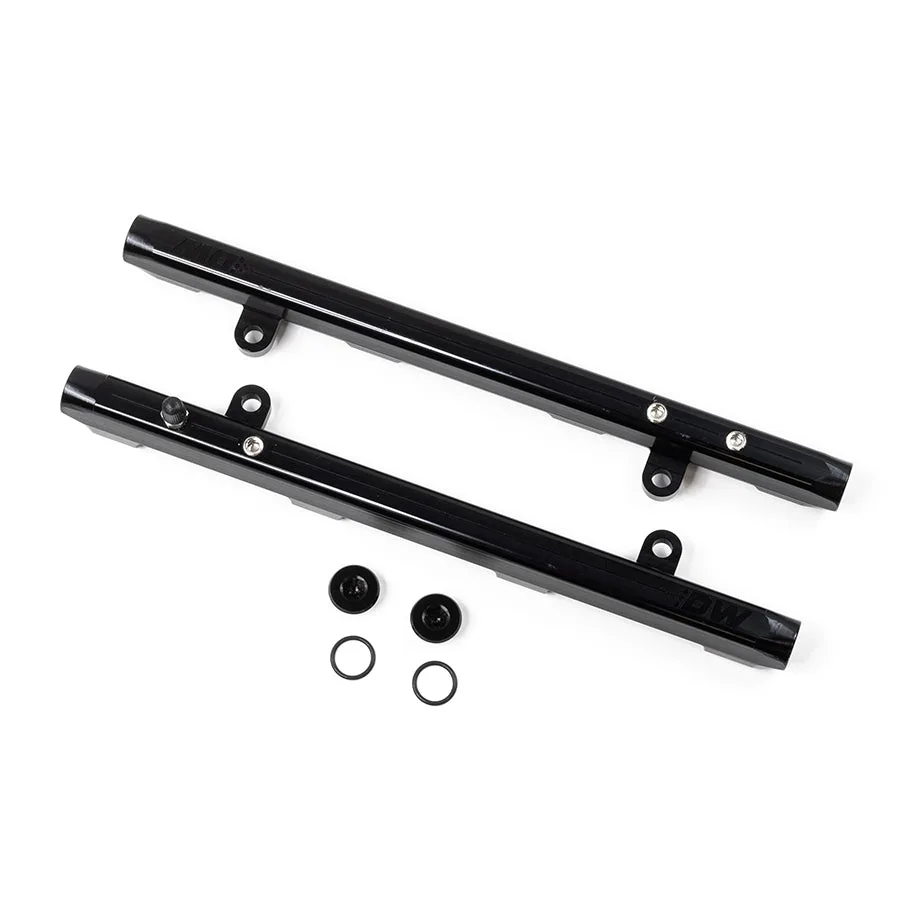
- https://deatschwerksevz.com/products/7-300-a8a26d47195dc5c5c0148a22-2678866Coyote 5.0 Fuel Rails: Coyote 5.0 Fuel Rails for 2011-25 Ford Mustang V8, and 2011-25 Ford F-150 V8. If you are upgrading the fuel system on a Coyote 5.0, the rail side and the pump side should be planned together. Knowing the exact vehicle coverage prevents ordering a rail that does not fit your chassis year.
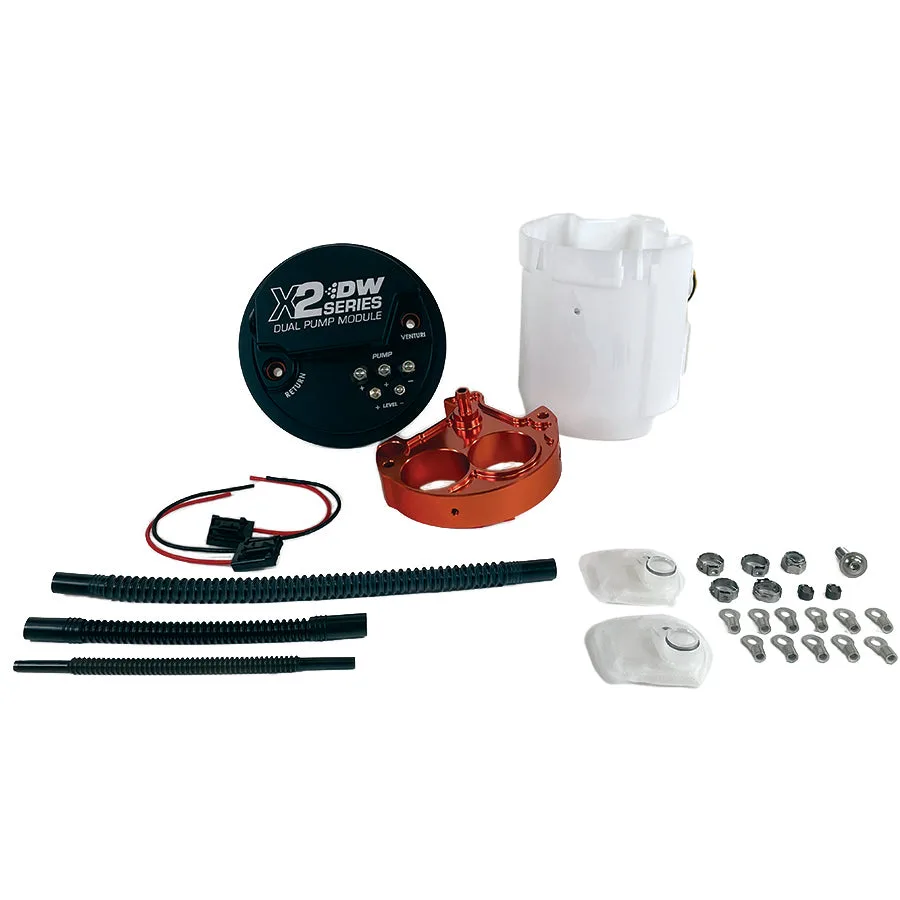
- DW65V Fuel pump for FWD VW/Audi: DW65v series, 265lph in-tank fuel pump w/ install kit for VW and Audi 1.8t FWD. This is an in-tank low pressure pump, not a DI high pressure pump, so it does not use the same adapter. It is a useful reminder to confirm which pump in the system you are actually wiring before you buy an adapter.
- 8AN ORB to M18 X 1.5 Metric Adapter: This DeatschWerks adapter connects an 8AN ORB male fitting to an M18 X 1.5 metric female port. It is anodized in DW Titanium and includes an O-ring. When you upgrade the pump, the plumbing often changes at the same time. This adapter shows the kind of thread and port mismatch you may need to solve on the fuel side while you sort out the electrical side.
- 6AN to 3/8 in EFI Quick Connect: The DeatschWerks 6AN to 3/8 in EFI Quick Connect is an adapter fitting that connects a 6AN male flare to a 3/8 inch female EFI quick connect. It is finished in anodized DW Titanium. Quick-connect fittings like this are common on factory fuel lines. If your DI pump upgrade also changes the feed line, plan the connection type now so you are not waiting on a fitting after the pump is already out.
Fit guidance: who this adapter is for
Best for
- Drivers upgrading to a larger DI high pressure pump that uses a different connector than the factory harness
- Builds where the factory wiring is marginal for the new pump's current draw
- Owners who want a reversible install they can return to stock
Not for
- Stock-replacement pumps that plug directly into the original connector with similar current demand
- Builds with a custom motorsport harness where a full rewire is the correct approach
- Anyone who has not confirmed the pump-side and harness-side connector types
A direct injection high pressure fuel pump wiring adapter is a small part that prevents a large problem: an upgraded pump that cannot get the current it needs through a factory connector. Confirm your connector types, current demand, and routing before you buy, and verify voltage at the pump after install. If you are also changing rails or lines, plan those connections at the same time so the whole fuel system goes together once.