Choosing the right dish cleaner can feel overwhelming with so many options on the shelf. Liquid dish soap, dishwasher tablets, and powder detergents each promise sparkling results, but they work differently depending on your washing style, water hardness, and environmental priorities. Whether you hand-wash delicate china or rely on a dishwasher for daily loads, understanding the pros and cons of each format helps you save money, reduce waste, and get cleaner dishes.
In this dish cleaner comparison, we break down the key differences between liquid, tablet, and powder formulas. We'll cover cleaning power, convenience, cost, eco-friendliness, and best-use scenarios. By the end, you'll know exactly which type suits your kitchen routine. Plus, we'll highlight a few party-perfect products from Ginger Ray that make cleanup fun – because even washing up can be festive.
Liquid Dish Soap: The Hand-Washing Hero
Liquid dish soap remains the go-to for hand washing. It cuts through grease quickly, creates a satisfying lather, and is gentle on hands when formulated with moisturizers. Most liquids are concentrated, so a small squirt goes a long way. They work well on all dishware, including non-stick pans and delicate glassware, because you control the scrubbing pressure. However, liquid soap is not designed for dishwashers – it creates too many suds and can damage the machine.
For home cooks who often wash pots, pans, and serving platters by hand, liquid dish soap is indispensable. It's also ideal for spot-cleaning before loading the dishwasher. While liquids come in plastic bottles, many brands now offer refill pouches to reduce waste. If you frequently host parties, having a reliable liquid soap on hand ensures your Floral Paper Plates and other disposable tableware come clean easily after a festive meal.

Floral Paper Plates
- Tip: Use a dedicated dish brush to extend the life of your liquid soap and reduce water usage.
Dishwasher Tablets: Convenience Meets Cleaning Power
Dishwasher tablets have become the most popular choice for automatic dishwashers thanks to their all-in-one convenience. Most tablets combine detergent, rinse aid, and salt in a single dose – no measuring, no mess. They dissolve slowly during the wash cycle, releasing powerful enzymes that break down dried-on food and grease. Tablets are particularly effective on tough stains like baked-on cheese or coffee residue.
However, tablets can be more expensive per load than powder, and they may not dissolve completely in short cycles or hard water. Some users also find the individually wrapped pods create unnecessary plastic waste. For busy families, tablets save time and ensure consistent results. If you're hosting a Christmas gathering, pairing your dishwasher tablets with durable Merry Christmas Paper Plates makes post-feast cleanup a breeze. Simply scrape leftovers and let the tablet do the work.
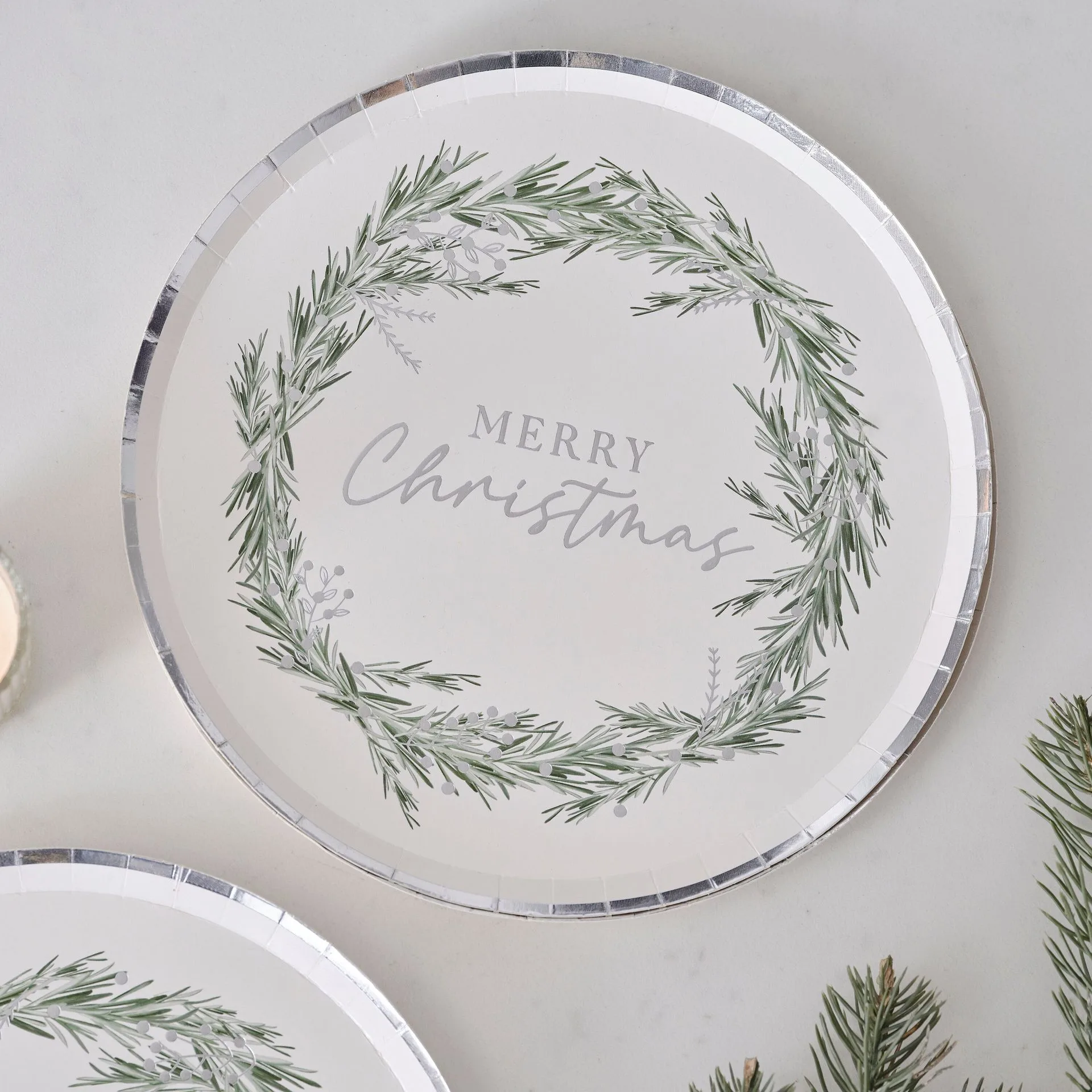
Merry Christmas Paper Plates
- Tip: Store tablets in a cool, dry place to prevent them from sticking together or losing potency.
Powder Detergent: The Budget-Friendly Workhorse
Powder dishwasher detergent has been around for decades and remains a favorite for cost-conscious households. It's typically the cheapest option per load, and you can adjust the amount based on how dirty your dishes are. Powder dissolves well in hot water and is effective at removing starches and proteins. It also has a longer shelf life than tablets or liquids, making it ideal for bulk buying.
The main drawbacks of powder are the need for measuring and the risk of clumping if exposed to moisture. It also lacks the built-in rinse aid and salt that tablets provide, so you may need to add those separately. For those who prefer to customize their wash cycle, powder offers flexibility. After a fun Easter party with felt embroidered Easter egg tree decorations, a powder detergent can handle the sticky chocolate and egg residue on your serving dishes without breaking the bank.
- Tip: Pre-dissolve powder in a cup of hot water before adding to the dispenser to prevent clumping in hard water.
Which Dish Cleaner Should You Choose?
The best dish cleaner depends on your lifestyle. If you hand-wash frequently, stick with liquid soap for its grease-fighting power and gentle touch. For dishwasher users who value convenience and consistent results, tablets are the clear winner. Budget-minded households or those who want to control every aspect of the wash cycle will appreciate powder's affordability and flexibility.
Consider your local water hardness, too. Hard water reduces the effectiveness of all detergents, so you may need to use more powder or choose tablets with built-in water softeners. Also think about sustainability: powder often comes in cardboard boxes, while liquids and tablets use more plastic. Whichever you choose, always follow the manufacturer's instructions for your dishwasher and avoid overloading the machine.
- Quick comparison: Liquid = best for hand washing; Tablets = best for convenience; Powder = best for cost savings.
No matter which dish cleaner you prefer, making cleanup easier means more time to enjoy the moments that matter. For your next celebration, let Ginger Ray help you set the scene with beautiful tableware and decorations. Explore our collection of Floral Paper Plates and Merry Christmas Paper Plates to add a festive touch to your table – and remember, a good dish cleaner makes post-party cleanup just as enjoyable.